The Epidural Chair by SPH Medical improves safety
CategoriesPatient Handling

Enhancing Epidural Placement Safety and Efficiency with SPH Medical’s Epidural Positioning Device

In the realm of medical advancements and risk reduction, the safety and comfort of patients during procedures are paramount. The introduction of the SPH Medical Epidural Positioning Device (EPD), also popularly known as the Epidural Chair, marks a significant leap forward in the field of Epidural Placement Safety, specifically in epidural placements.

The Imperative for Innovation in Epidural Placements

Statistics reveal that a considerable number of complications arising from epidurals can be attributed to improper positioning. This not only endangers patient safety but also prolongs the duration of the procedure, affecting overall efficiency. The need for a solution that can standardize the process, enhance safety, and elevate patient satisfaction has never been more acute.

Introducing the SPH Medical Epidural Positioning Device

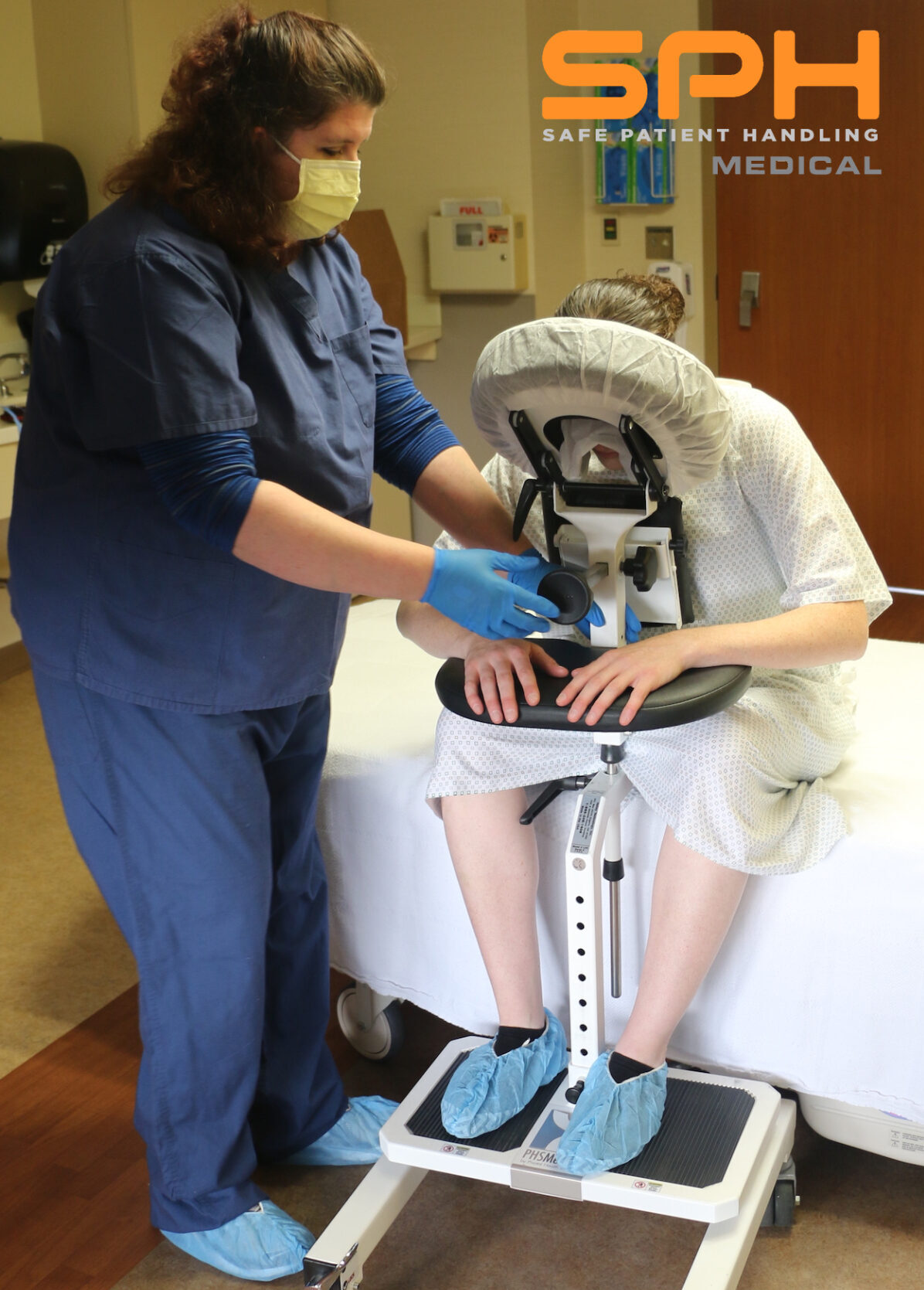
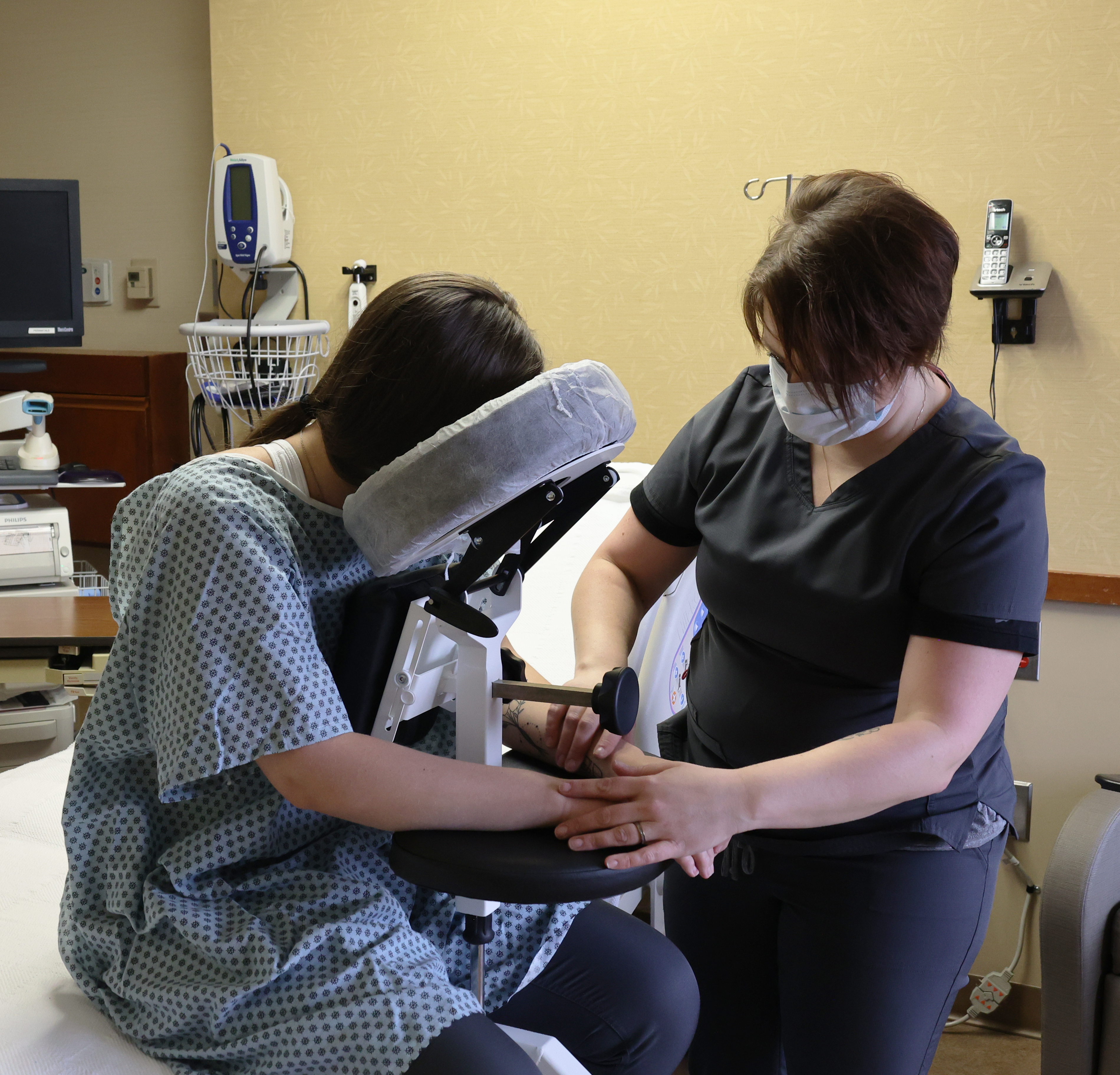
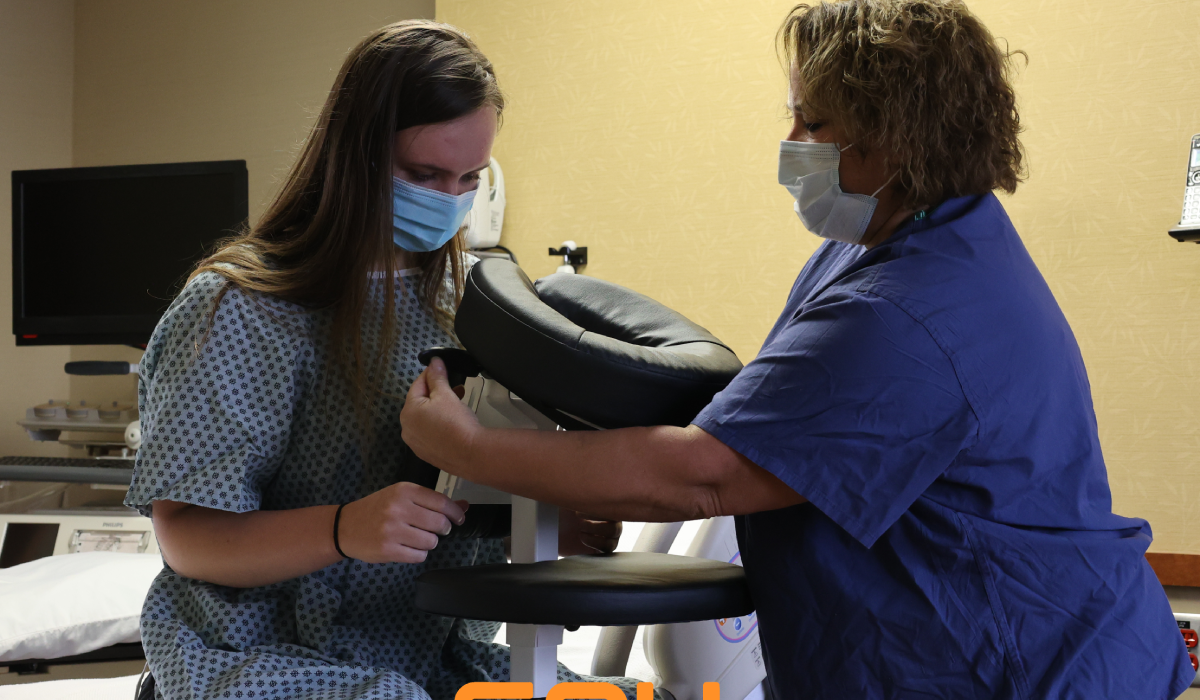
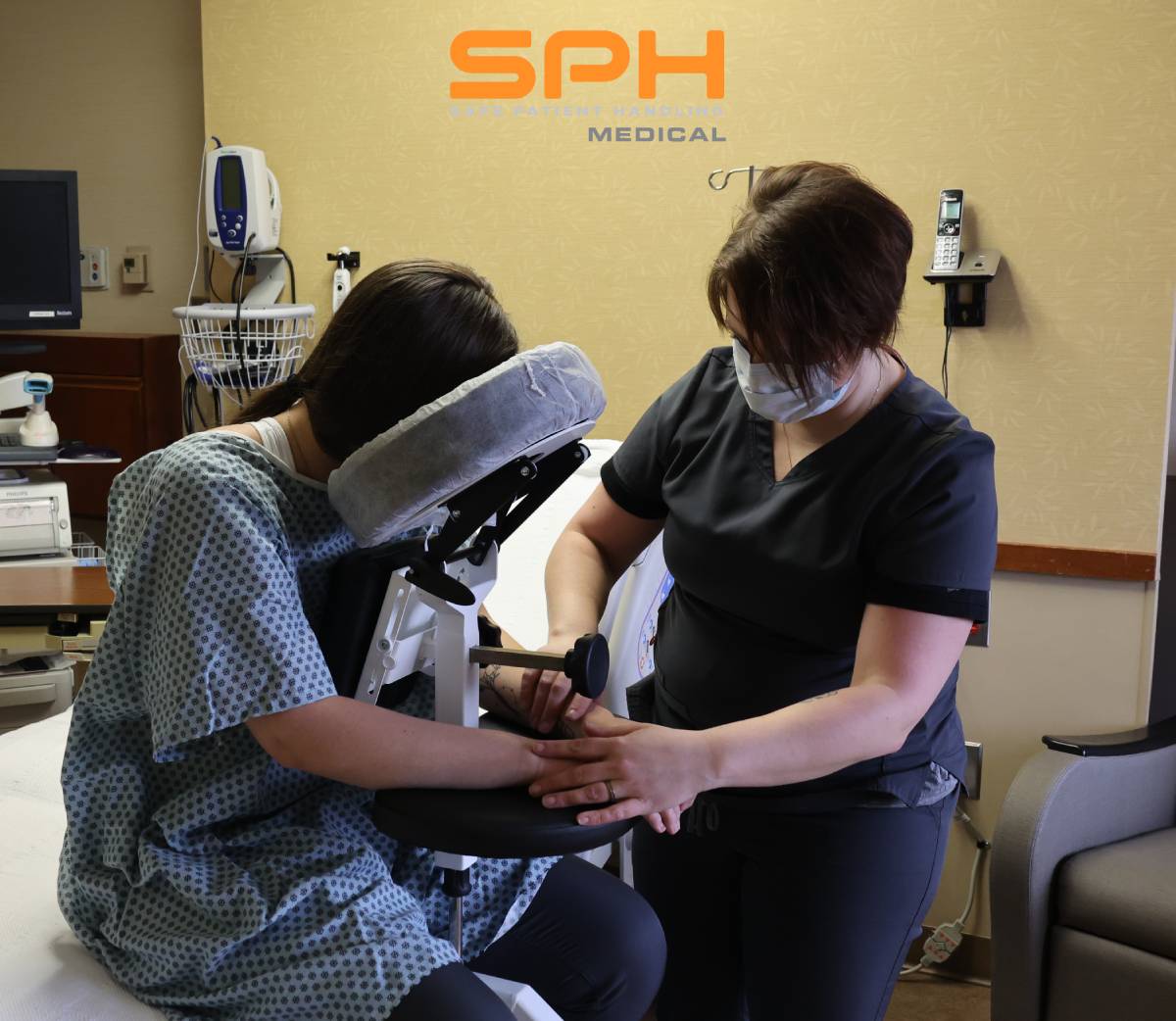
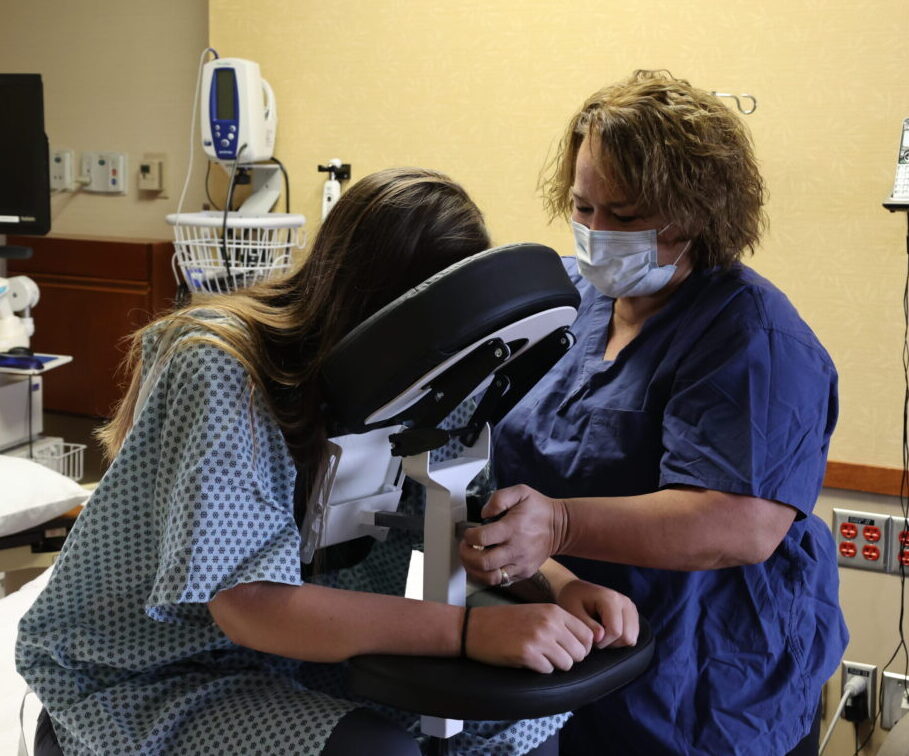
The SPH Medical EPD is the epitome of innovation, designed meticulously to support optimal positioning for epidural needle placement. Its intuitive design not only assures precise alignments but also significantly reduces the strain on healthcare providers, ensuring a smoother, safer procedural experience for both parties involved.The Epidural Chair or EPD is used in hospitals across the globe to improve staff and patient safety
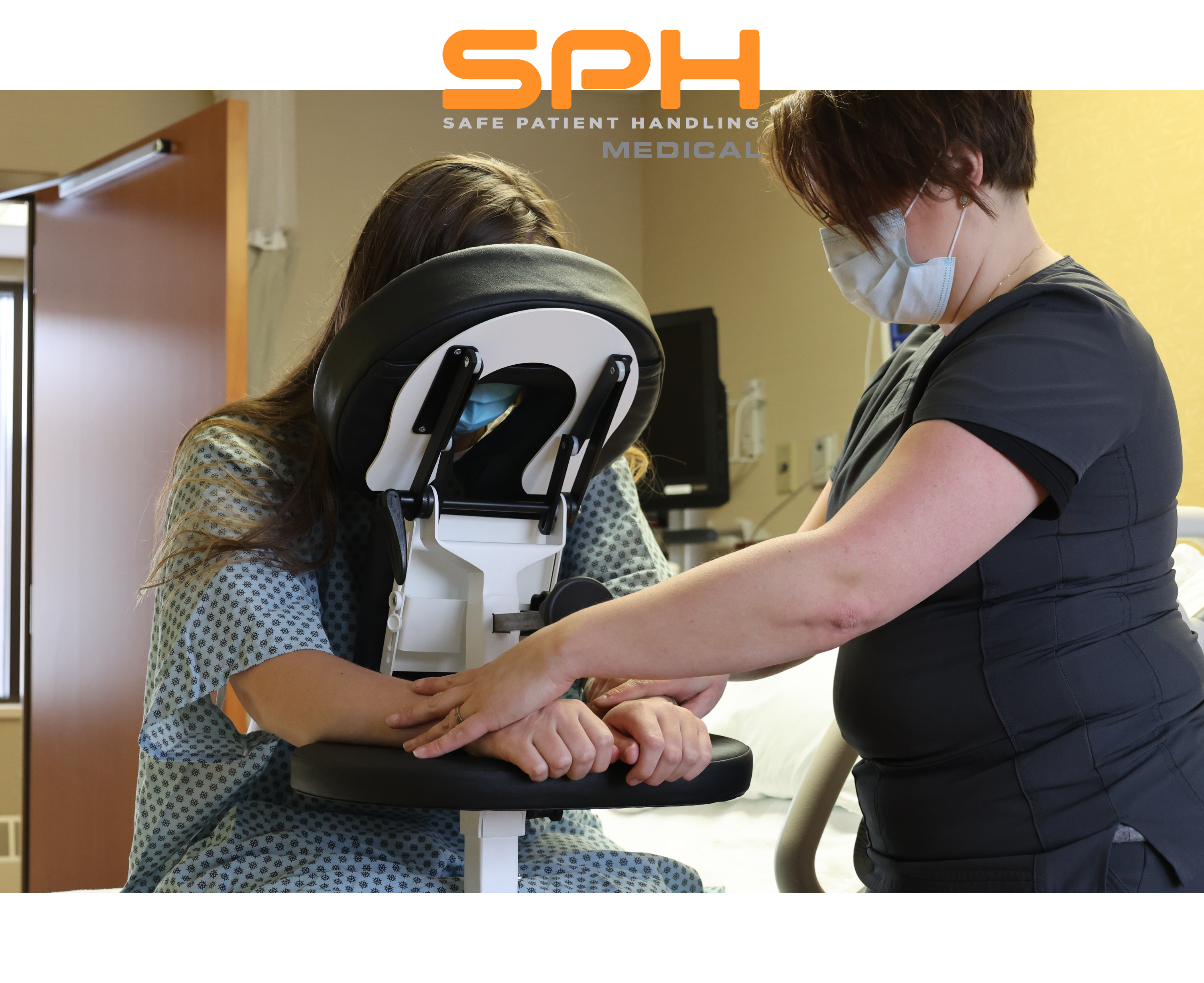
Key Benefits of the Epidural Positioning Device, Improved Safety and Standardization

The EPD by SPH Medical is a paragon of safety and procedural consistency. It drastically minimizes the risks associated with manual positioning, thereby enhancing the safety profile of epidural placements. Standardization across the board ensures every patient receives the same high level of care, irrespective of the anesthesiologist’s expertise.

Elevated Patient Satisfaction with Epidural Placement Safety

Comfort and peace of mind during medical procedures are crucial. The EPD addresses these concerns head-on, offering patients a less intimidating, more comfortable experience. Testimonials and studies underscore the device’s effectiveness in improving patient outcomes and satisfaction, solidifying its reputation in healthcare circles.

The versatility of SPH Medical’s Epidural Positioning Device (EPD) extends beyond its initial scope, finding profound utility in thoracentesis procedures often performed in imaging departments. This innovative device ensures that patients undergoing thoracentesis—a procedure requiring precision and stability—are positioned optimally and comfortably throughout the process. The EPD’s design aligns perfectly with the procedural needs, allowing for enhanced safety and support. By facilitating an ideal comfortable posture, the EPD significantly reduces the risk of complications, ensuring a smoother procedure. Clinicians have reported a noticeable improvement in procedural efficiency and patient comfort, underscoring the EPD’s adaptability and effectiveness in various medical departments and settings. The application of the EPD in such critical procedures highlights its indispensable role in advancing patient care, emphasizing its capability to support a wide array of medical interventions with unmatched support, stability, and reliability.

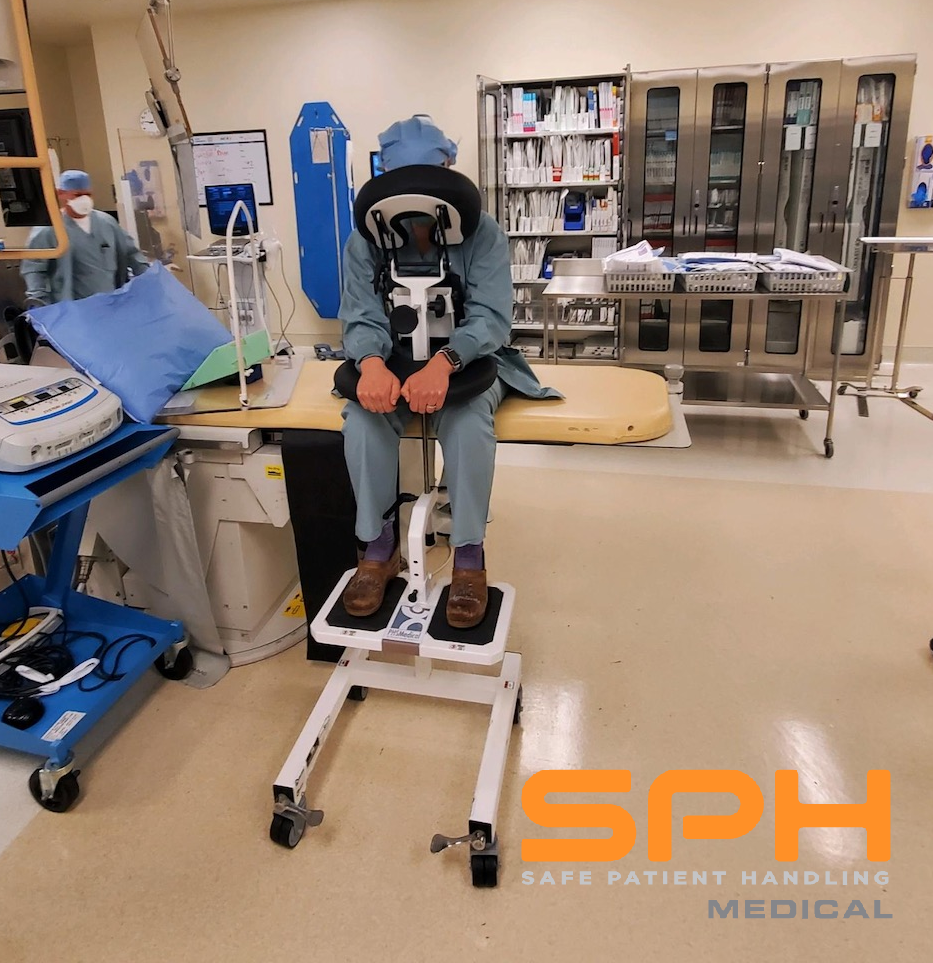
In surgery departments, the role of the EPD is equally groundbreaking, especially in facilitating spinal blocks. Its introduction into surgical contexts marks a significant improvement in how patients are positioned during these delicate procedures. Traditionally, achieving and maintaining the correct posture for a spinal block presented challenges, with patient comfort and safety being paramount concerns. However, with the EPD, anesthesia techs and anesthesiologists can now ensure that patients are supported safely and comfortably throughout the procedure. The device’s design not only stabilizes the patient but also optimizes access for the practitioner, enhancing the overall success rate of spinal blocks, while improving efficiency in the busy preoperative areas. This application of the EPD within surgical departments represents a forward leap in patient care, where every detail is engineered for optimal outcomes. The repeated successes underline the EPD’s adaptability, reinforcing its status as a crucial tool in modern healthcare practices.

Reduction in Workers’ Compensation Costs

Investing in the EPD translates into significant savings in workers’ compensation costs. By minimizing injuries and complications, healthcare facilities see a marked reduction in associated claims, showcasing the device’s substantial return on investment. The financial benefits, coupled with enhanced patient care, present a compelling case for the integration of the EPD into healthcare practices.
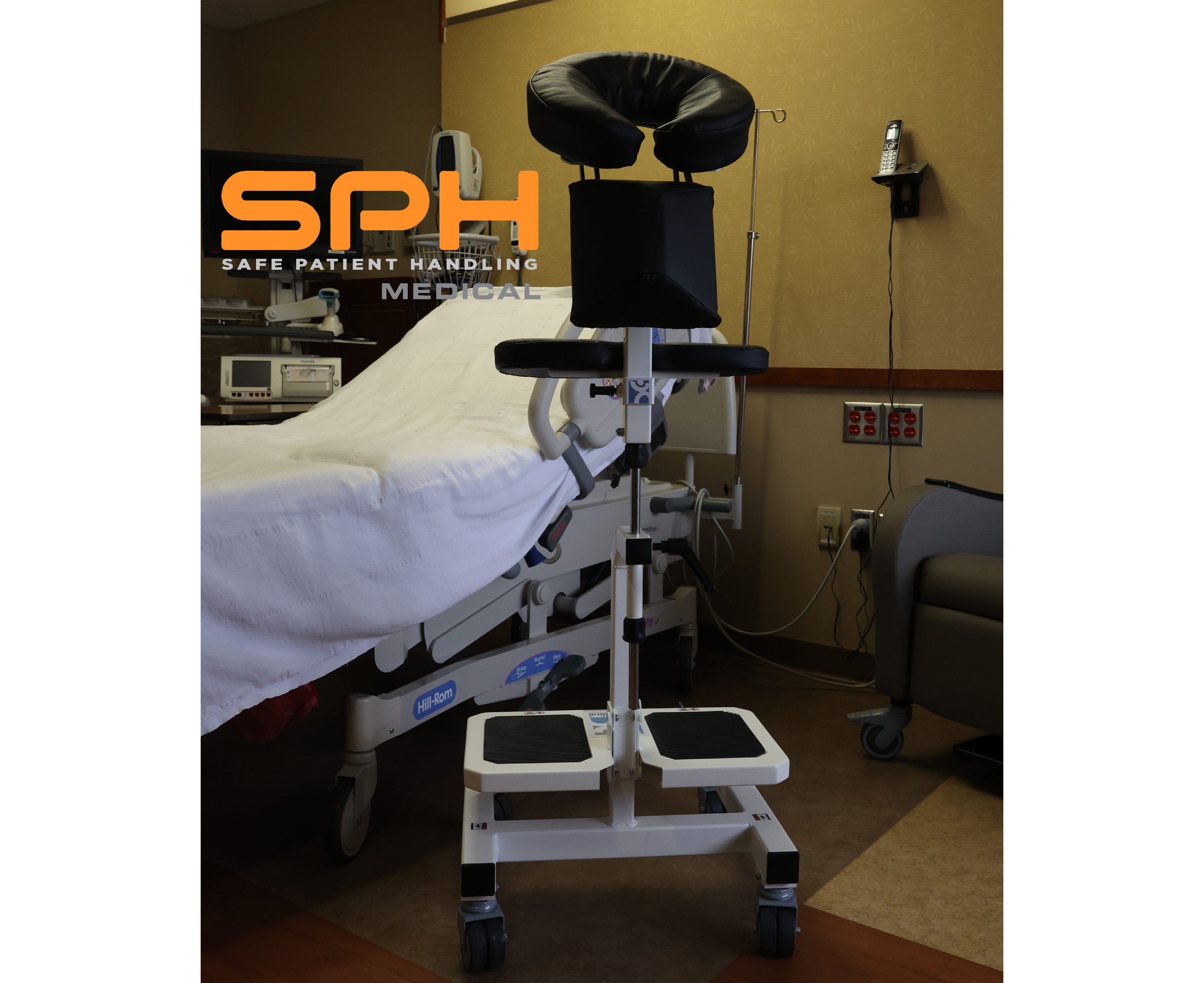
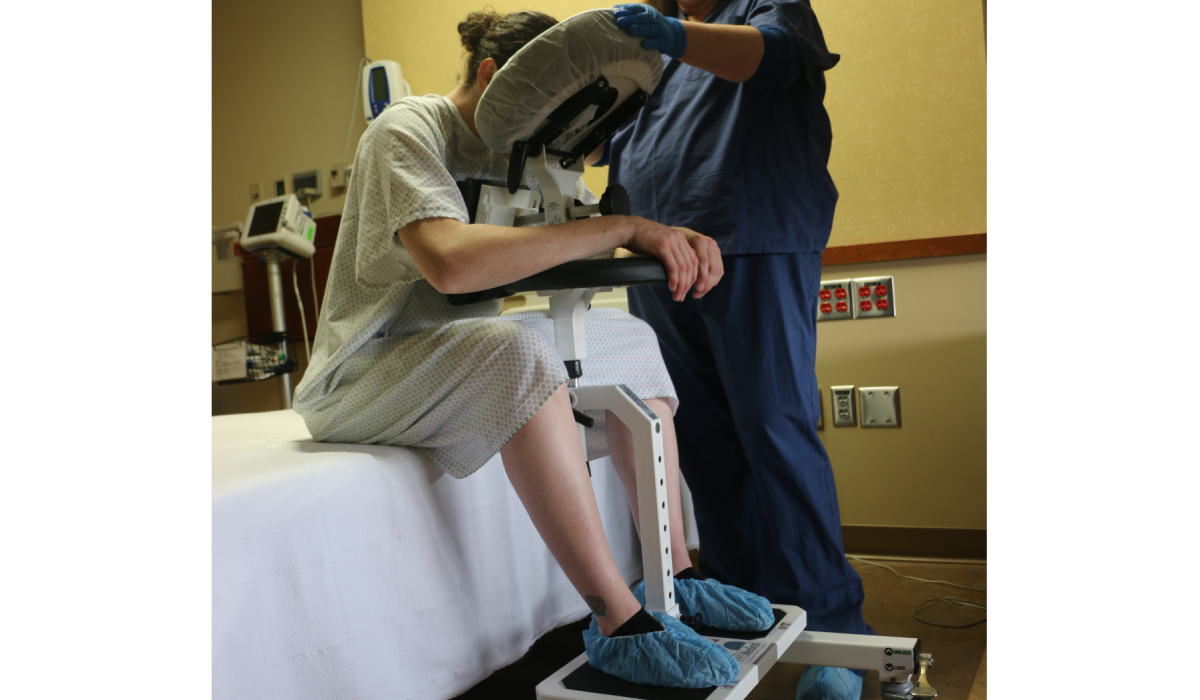
SPH Medical's Epidural Chair or EPD is used for spinal blocks thoracentesis and epidural placements

The EPD’s Impact on Healthcare Excellence and Epidural Placement Safety

Adopting the SPH Medical EPD is not merely about upgrading equipment; it’s about committing to the highest standards of patient care and safety. The long-term benefits include not only improved health outcomes but also heightened facility ratings and the potential for accreditation, marking a facility as a leader in innovative patient care.

The SPH Medical Epidural Positioning Device stands unparalleled in its ability to transform epidural placements into a safer, more efficient, and patient-friendly procedure. Its benefits extend beyond the immediate procedural improvements, offering long-term financial and improved reputation for healthcare facilities. In the pursuit of excellence in patient care, the EPD represents a significant stride forward, embodying the commitment to safety, comfort, and efficiency.

For healthcare providers looking to elevate their standard of care, the SPH Medical EPD is not just an option; it’s a necessity. To explore how the EPD can revolutionize your practice, contact SPH Medical for more information or to schedule a demonstration. Elevate your standard of care, ensure patient satisfaction, and achieve operational efficiency—all with one innovative solution.
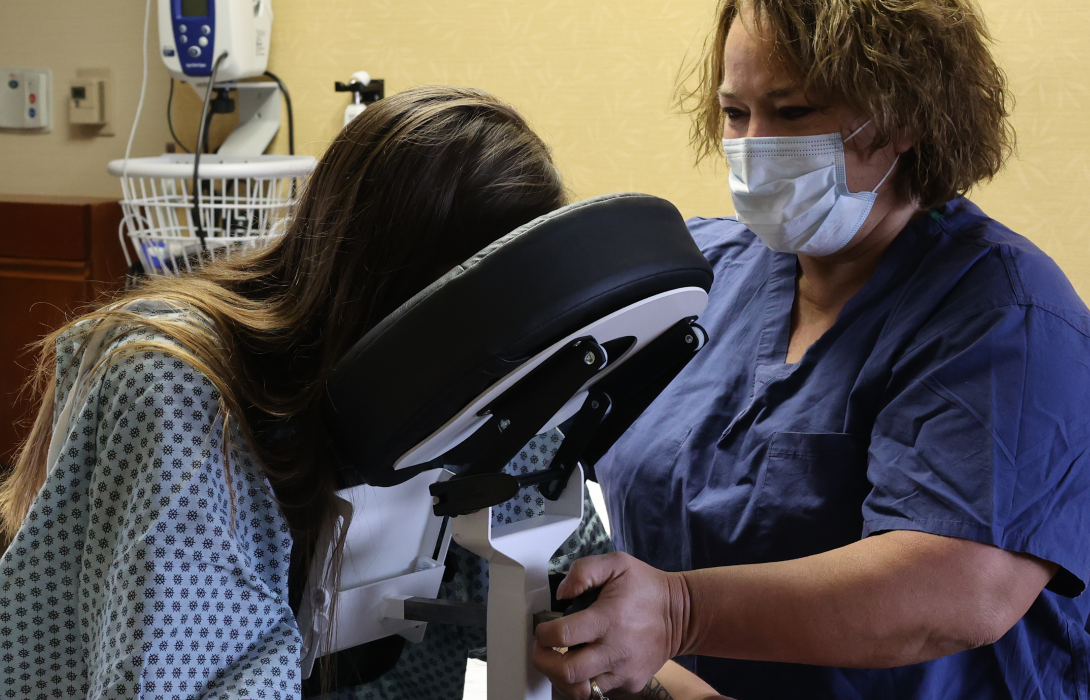
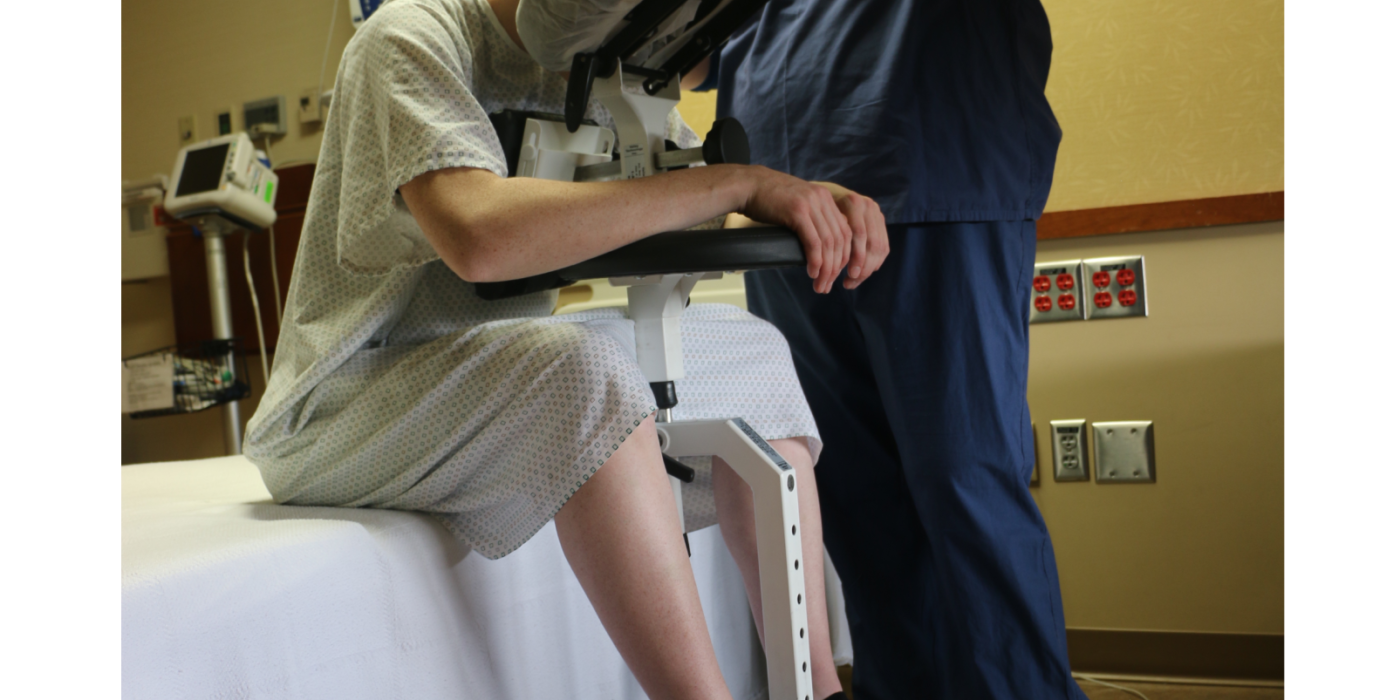
Improve Patient and Staff safety with the EPD
CategoriesPatient Handling

The EPD Revolution: Transforming Spinal Care Nationwide

The precision of spinal positioning in medical procedures where needle placement is pivotal cannot be overstated. It is with great enthusiasm that we introduce the Epidural Positioning Device (EPD), a groundbreaking innovation designed to revolutionize spinal blocks, epidurals, and thoracentesis. The EPD stands as a beacon of progress in the pursuit of excellence in spinal care.

The Need for Precision in Spinal Care and Positioning

Precise spinal positioning is the cornerstone of successful cervical, thoracic, and lumbar procedures. However, achieving this manually presents significant challenges, including the risk of injury to nursing staff and hospital personnel. The quest for a solution has led to the development of the EPD, transforming the landscape of spinal care.

Introducing the EPD: A Game-Changer in Spinal Care

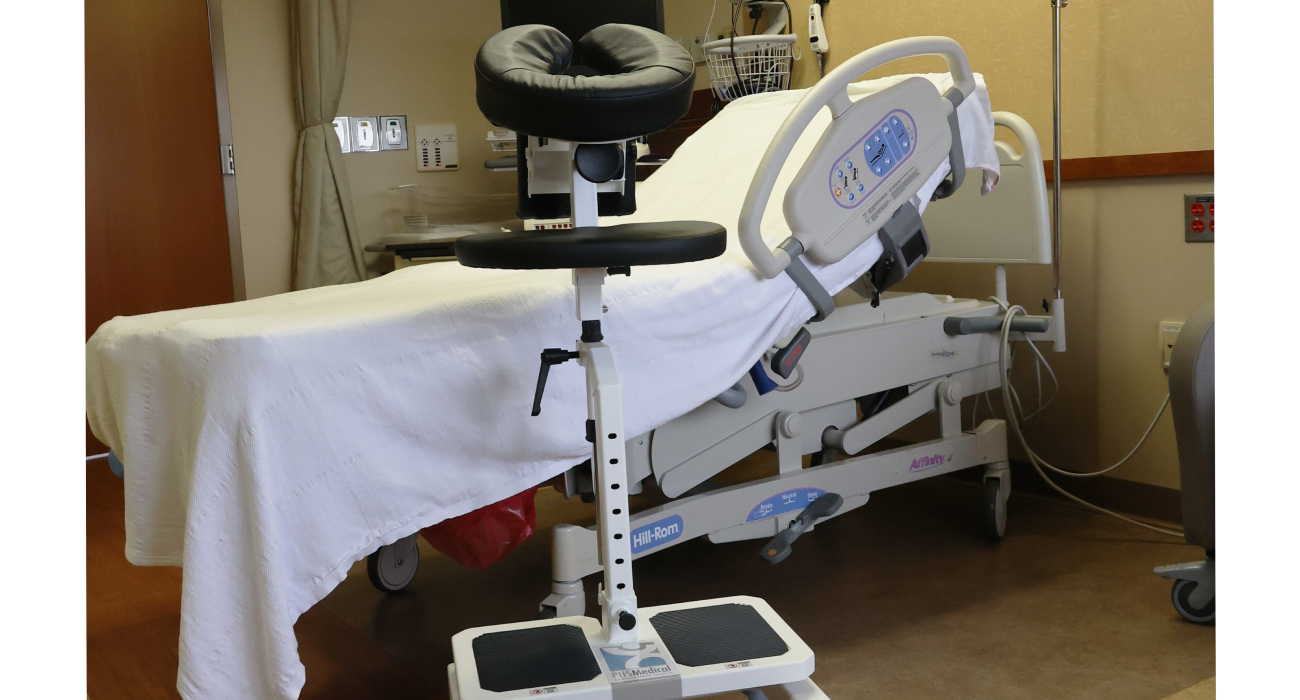
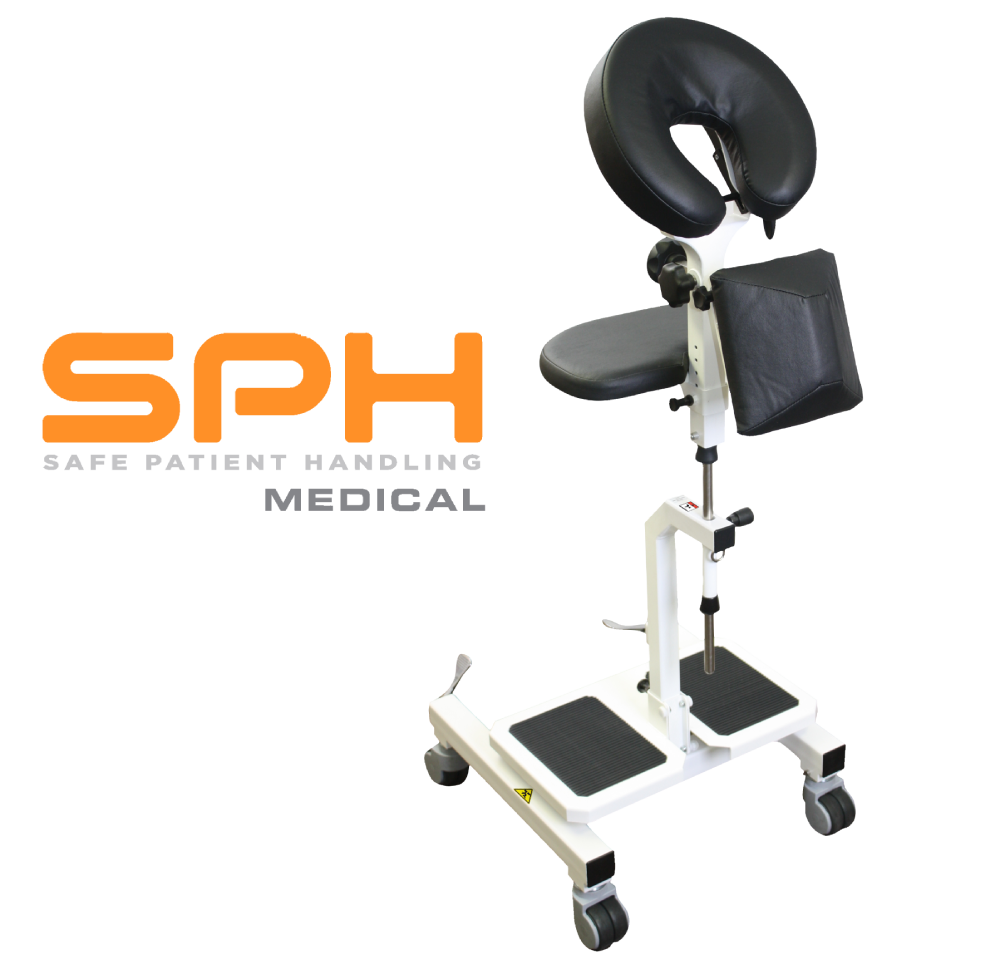
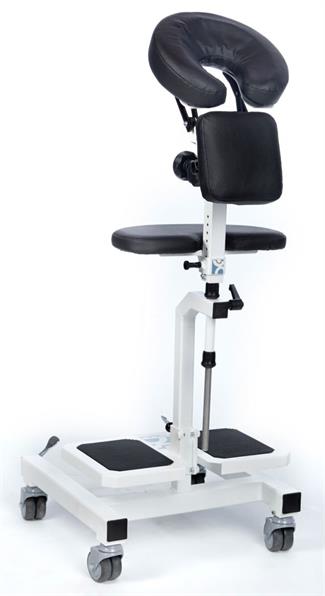
The EPD is not just a device but a comprehensive solution, supporting up to 600lbs, featuring height adjustability, a tilting headrest, adjustable arm supports, and a telescoping chest pad that promotes ideal spinal flexion. This innovative design has established the EPD as the standard of care for epidural placements nationwide and is rapidly becoming indispensable in surgery departments for spinal care and thoracentesis procedures.

Enhancing Patient and Staff Safety with the EPD

The EPD’s precise engineering ensures accurate and safe positioning, significantly reducing the risk of complications. Statistical evidence confirms a notable decrease in procedural errors alongside a surge in patient satisfaction. This device offers personalized patient care, especially during the demanding requirements of thoracentesis.

By safeguarding against occupational hazards such as catching a falling patient, the EPD creates a safer work environment. Reliable and consistent patient positioning provided by the EPD has been a game-changer, as echoed in testimonials from healthcare professionals nationwide.

The EPD’s Impact on Healthcare Efficiency and Outcomes

The EPD contributes significantly to more efficient procedures and superior health outcomes. Case studies and success stories from various healthcare settings underscore the effectiveness of the EPD, showcasing its role in enhancing patient care and operational efficiency.

Future Directions for Spinal Care: The EPD’s Growing Role in Healthcare

The EPD is setting new benchmarks in the standards of spinal care for epidural placements and spinal blocks. Its potential for broader applications across healthcare sectors holds promise for further advancements in patient care and safety.

The EPD represents a pivotal advancement in spinal care practices, offering unmatched benefits in terms of safety, efficiency, and patient satisfaction. Its introduction is a clarion call for healthcare facilities to elevate their standards of medical excellence.

We urge healthcare facilities to champion the adoption of the EPD, enhancing the quality of care provided to patients. We also invite feedback from medical professionals utilizing the EPD, to share insights on its benefits and effectiveness. Together, let us redefine the future of spinal care, ensuring that safety and excellence are at the forefront of patient treatment.

The EPD revolution is here, heralding a new era in spinal care. It’s time to embrace this change, ensuring that every patient receives the highest standard of care, and every healthcare professional works in an environment that prioritizes their safety and efficiency. Join us in this transformative journey towards unparalleled medical excellence.

Epidural and spinal block safety improved with EPD by SPH Medical
CategoriesPatient Handling

Unveiling the Epidural Positioning Device: A Game-Changer in Surgical Settings

In the ever-evolving landscape of surgical procedures, SPH Medical’s Epidural Positioning Device (EPD) stands as a beacon of innovation and safety. The EPD is an advanced tool designed to assist in the precise positioning of patients during spinal blocks a procedure gaining popularity in joint replacement surgeries due to its proven benefits. Studies have shown an increase in the use of spinal blocks, leading to improved patient outcomes, particularly in terms of pain management and recovery time.

A Deeper Dive with the Epidural Positioning Device: Why Surgeons are Opting for Spinal Blocks in Joint Replacement Surgeries

Recent trends in orthopedic surgery reveal a marked shift towards the use of spinal blocks, particularly for joint replacement procedures. This shift is not arbitrary; it’s influenced by compelling clinical evidence and the quest for improved patient outcomes.

Clinical Evidence: The Backbone of Change

Several studies have highlighted the benefits of spinal blocks over general anesthesia in joint replacement surgeries. For instance, research published in the British Journal of Anesthesia noted that patients who received spinal blocks experienced quicker recovery times compared to those who underwent general anesthesia1. This speedier recovery can significantly reduce hospital stay durations, leading to cost savings for both the patient and the healthcare facility.

Another study found that spinal anesthesia was associated with less blood loss during total hip arthroplasty, further enhancing patient safety and reducing potential complications.

Spinal Block vs. General Anesthesia with The Epidural Positioning Device

The primary difference between a spinal block and general anesthesia lies in the area of the body that is numbed for the surgery. While general anesthesia renders the patient unconscious and unable to feel pain throughout the entire body, a spinal block specifically numbs the lower half of the body while the patient remains conscious.

This localized approach offers several advantages. First, it eliminates the risks associated with general anesthesia, such as postoperative nausea, vomiting, and cognitive dysfunction. Second, spinal blocks allow for faster recovery times, as patients do not need to regain consciousness post-surgery. Finally, spinal blocks can provide effective postoperative pain relief, reducing the need for opioid analgesics and their associated side effects.

The increasing preference for spinal blocks in joint replacement surgeries is not a passing trend but a well-founded approach backed by clinical evidence. By opting for spinal blocks, surgeons are choosing a path that promises better patient outcomes, improved surgical efficiency, and enhanced patient safety. So how can we support this trend and improve staff safety?

The Pivotal Role of the Epidural Positioning Device in Surgery Departments

The EPD plays a vital role in surgery departments where spinal blocks are routinely performed. Its key function is to facilitate accurate patient positioning, which is crucial for the successful administration of a spinal block. By ensuring optimal positioning, the EPD significantly enhances patient safety, reducing the risk of complications associated with spinal block administration.The EPD is now used for Spinal Blocks Epidurals and Thoracentesis

The Undeniable Benefits of the EPD in Surgery

The advantages of using the EPD extend beyond patient safety. From a healthcare provider’s perspective, it introduces improved ergonomics into the surgical environment. The device’s design reduces physical strain on nurses, doctors, and other surgical staff, thus preventing work-related injuries and promoting a healthier work environment.

Moreover, the Epidural Positioning Device contributes to improved safety and efficiency for surgical staff. By enabling precise positioning, it minimizes the risk of complications, saving valuable time in the operating room and leading to more effective surgical procedures.

Backing Claims with Evidence: Case Studies and Statistics

The efficacy of the EPD is not just a claim; it’s a fact underscored by real-world examples and solid data. Numerous surgery departments across the nation have reported enhanced patient outcomes and operational efficiency after incorporating the EPD into their spinal block procedures.

A Resounding Call to Action

In light of these compelling benefits, the conclusion is unequivocal: the EPD is an indispensable asset for any surgery department performing spinal blocks. Its contribution to patient safety, improved ergonomics for healthcare providers, and overall operational efficiency make it a must-have tool. We at SPH Medical urge all hospitals to consider its implementation. With the Epidural Positioning Device, embrace a new standard of care that promises exceptional benefits for patients and healthcare providers alike.

Improve Patient and Staff safety with the EPD
CategoriesPatient Handling

Epidural Chair Safety in Labor and Delivery Hospital Units

Introducing the Unparalleled Epidural Positioning Device

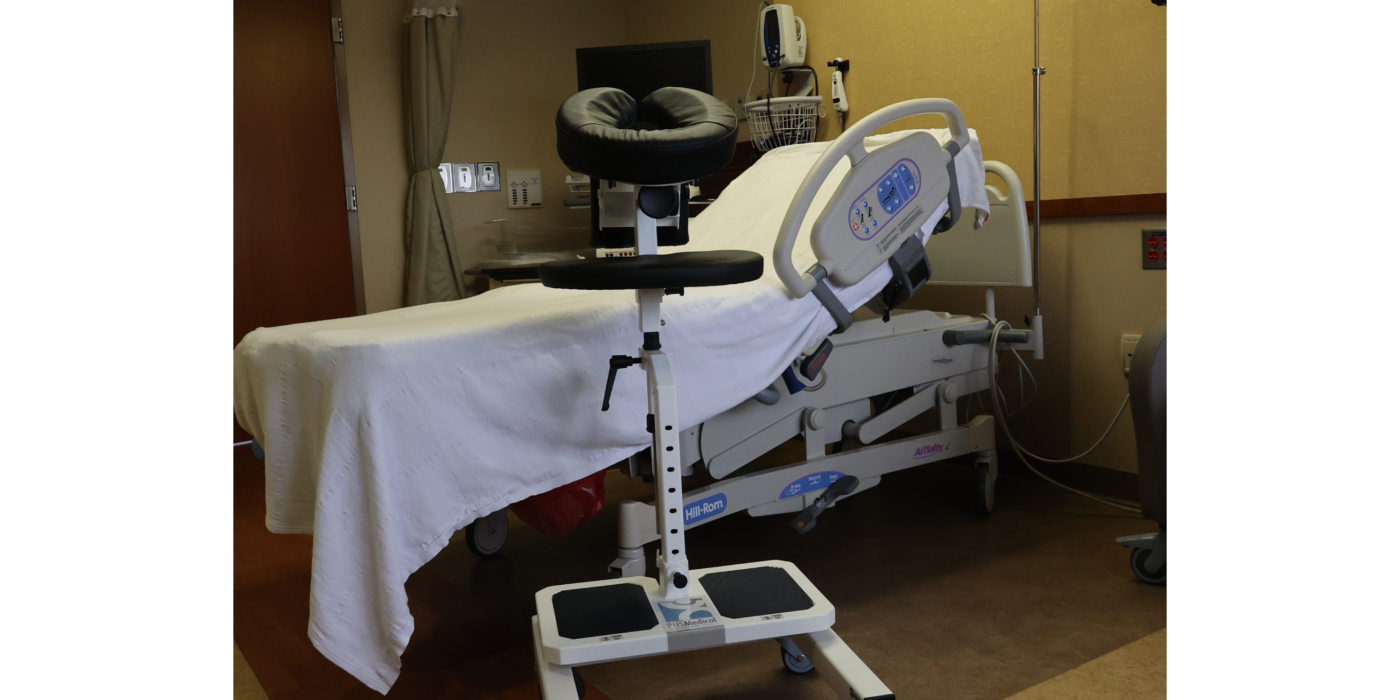
In the realm of labor and delivery, precision, comfort, and safety are paramount. Rising to meet these needs is the Epidural Positioning Device (EPD) from SPH Medical. Also known as the Epidural Chair, this groundbreaking device is a revolutionary tool designed with both patients and healthcare providers in mind. The EPD boasts a host of innovative features, including adjustable height and headrest tilt capabilities, easy maneuverability, and robust construction, all dedicated to ensuring optimal positioning for epidural procedures. The Epidural Chair creates the ideal spinal flexion for anesthesiologists while creating epidural chair safety and minimizing strain and risk of injury to nurses.

Epidural Positioning Chair improves safety

The Indispensable Role of the Epidural Chair Safety plays in Labor and Delivery Units

The EPD plays a crucial role in labor and delivery departments across the nation. It assists in achieving precise epidural placement, a critical factor in managing labor pain effectively. With the EPD, healthcare professionals can position patients accurately, reducing the risk of misplaced epidurals and subsequent complications.

Moreover, the Epidural Chair Safety significantly enhances patient comfort during the epidural placement. Its ergonomic design supports the patient’s body, allowing them to maintain the ideal position for an extended period without discomfort. This focus on comfort not only improves the patient experience but also contributes to a smoother, safer, needle placement process.

The Incomparable Benefits of the EPD in Labor and Delivery

The benefits of the EPD extend beyond precision and comfort. It significantly increases safety for both mother and baby by reducing the risks associated with epidural placement. Its design allows for more accurate needle guidance, minimizing the chance of dural puncture and other complications.

Furthermore, the EPD offers substantial advantages for healthcare providers. It reduces physical strain on doctors and nurses, who no longer need to physically support patients during the procedure. This ergonomic advantage can lessen the occurrence of work-related injuries among medical staff, enhancing overall department efficiency.

Proven Effectiveness: Epidural Chair Safety

The effectiveness of the EPD isn’t merely theoretical; it’s supported by real-world examples and compelling statistics. An increasing number of hospitals nationwide are reporting improved patient outcomes and increased staff satisfaction after implementing the EPD in their labor and delivery departments.

A Clear Call to Action

In light of these undeniable benefits, the conclusion is clear: the EPD from SPH Medical is an essential tool for any labor and delivery department. Its combination of precision, comfort, safety, and provider-friendly design make it an invaluable asset for enhancing patient care and staff wellbeing. We strongly encourage hospitals and birthing centers nationwide to consider its implementation. Embrace the future of labor and delivery care with the Epidural Positioning Device – a decision that promises unparalleled benefits for patients and healthcare providers alike.

Improve safety during Thoracentesis with the SPH Medical EPD
CategoriesPatient Handling

Imaging and Interventional Radiology Implement SPH Medical’s Epidural Positioning Device

SPH Medical’s Epidural Positioning Device (EPD) is a breakthrough tool that is transforming the landscape of imaging and interventional radiology departments across the nation. The device’s innovative design and functionality make it an invaluable asset in these departments, where precision, patient comfort, and safety are paramount. With Interventional Radiology and EPD, or Epidural Chair, this is quickly becoming a standard of care at leading healthcare facilities in multiple departments to solve patient positioning challenges that put staff at risk of a musculoskeletal injury.

A Deep Dive: Upright Seated Procedures in Interventional Radiology and EPD

Interventional radiology and imaging departments are often the unseen heroes of medical diagnostics and treatment. Among the myriad procedures they handle, thoracentesis stands out as a procedure that requires the patient to be in an upright seated position, making it a perfect candidate for the benefits offered by the EPD.

Thoracentesis: A Closer Look

Thoracentesis is a minimally invasive procedure performed to remove excess fluid from the space between the lungs and the chest wall, known as the pleural space. This excess fluid, if not treated, can cause shortness of breath or even lead to serious complications like pneumonia or lung collapse.

During thoracentesis, the patient is typically seated upright with their arms resting on a table. This position allows healthcare providers to access the pleural space more easily. However, maintaining this position can be challenging and uncomfortable for patients, especially those with chronic conditions or limited mobility.

SPH Medical's EPD for has dramatically improved safety for Thoracentesis

The Integral Role of the EPD in Imaging and Interventional Radiology

In the world of imaging and interventional radiology, the EPD plays a pivotal role by facilitating precise patient positioning for various procedures. This precise positioning is crucial for obtaining high-quality images, which in turn, aids in accurate diagnosis and treatment planning.

Moreover, the EPD significantly enhances patient comfort and safety during interventional radiology procedures. Its ergonomic design supports the patient’s body, allowing them to maintain the required position for extended periods without discomfort. This focus on patient comfort not only improves the patient experience but also reduces the risk of movement-related complications during procedures.

Interventional Radiology and EPD; The Unsurpassed Benefits

The benefits of the EPD extend beyond patient comfort and safety. It contributes significantly to reducing the risk of complications associated with poor positioning, such as suboptimal image quality or procedural difficulties. With the EPD, healthcare professionals can obtain clearer images, leading to more accurate diagnoses and more effective interventions.

Additionally, the EPD offers substantial advantages for healthcare providers. Its design reduces physical strain on radiologists and technicians, who no longer need to manually adjust patients during procedures. This ergonomic advantage can lessen the occurrence of work-related injuries among medical staff, enhancing overall department efficiency.

Proven Effectiveness: Case Studies and Statistics

The effectiveness of the EPD isn’t merely theoretical; it’s supported by real-world examples and compelling statistics. An increasing number of imaging and interventional radiology departments nationwide are reporting improved patient outcomes and increased staff satisfaction after implementing the EPD in their procedures1.

A Resounding Call to Action

SPH Medical’s Epidural Positioning Device (EPD) is a breakthrough tool that is transforming the landscape of Interventional Radiology and EPD. The device’s innovative design and functionality make it an invaluable asset in these departments, where precision, patient comfort, and safety are paramount.

In light of these undeniable benefits, the conclusion is clear: the EPD from SPH Medical is an essential tool for any imaging or interventional radiology department. Its combination of precision, comfort, safety, and provider-friendly design make it an invaluable asset for enhancing patient care and staff wellbeing. We strongly encourage hospitals and imaging centers nationwide to consider its implementation. Embrace the future of imaging and interventional radiology care with the Epidural Positioning Device – a decision that promises unparalleled benefits for patients and healthcare providers alike.

The Epidural Chair or EPD is the standard of care for epidurals and spinal blocks
CategoriesPatient Handling

Enhancing Safety and Efficiency in Labor and Delivery Units with the Epidural Positioning Device

Nurses in Labor and Delivery units play a pivotal role in ensuring the safety and comfort of patients during one of the most crucial moments of their lives. However, this responsibility often comes with inherent risks, particularly when it involves providing manual support to patients during epidural placements. The epidural procedure, a commonly administered form of pain relief during labor, is a complex process that necessitates precise positioning and relentless support from the attending nurses. This requirement poses significant physical challenges to these dedicated healthcare professionals, leading to a potential increase in workplace injuries. One form of safe patient handling is the epidural positioning device or (EPD), this is commonly used in labor and delivery units.

Understanding the Epidural Procedure and Its Inherent Risks to Nurses

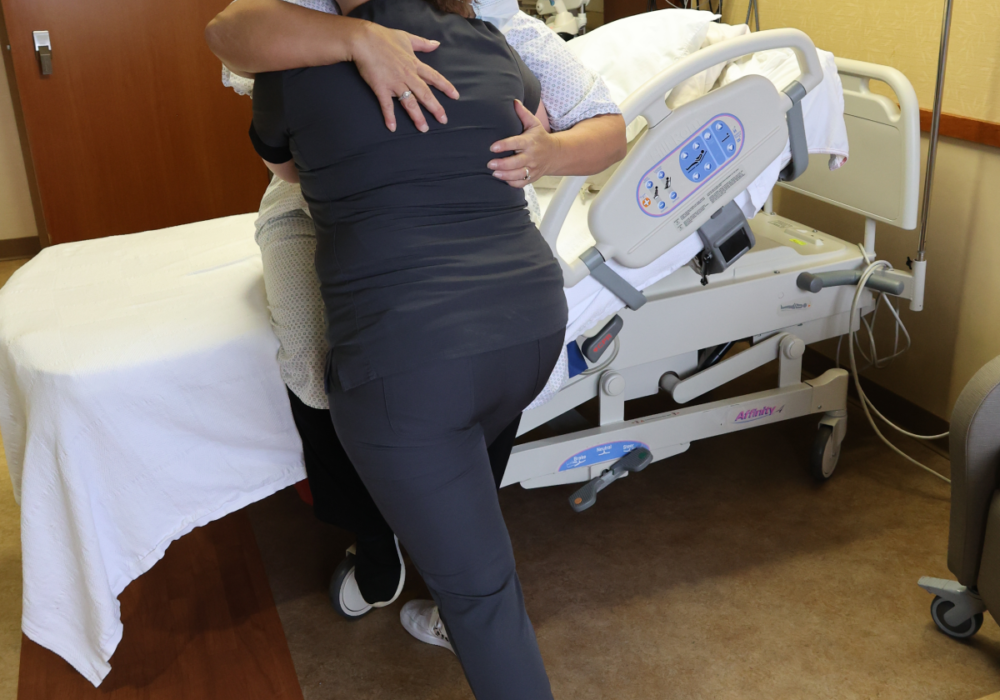
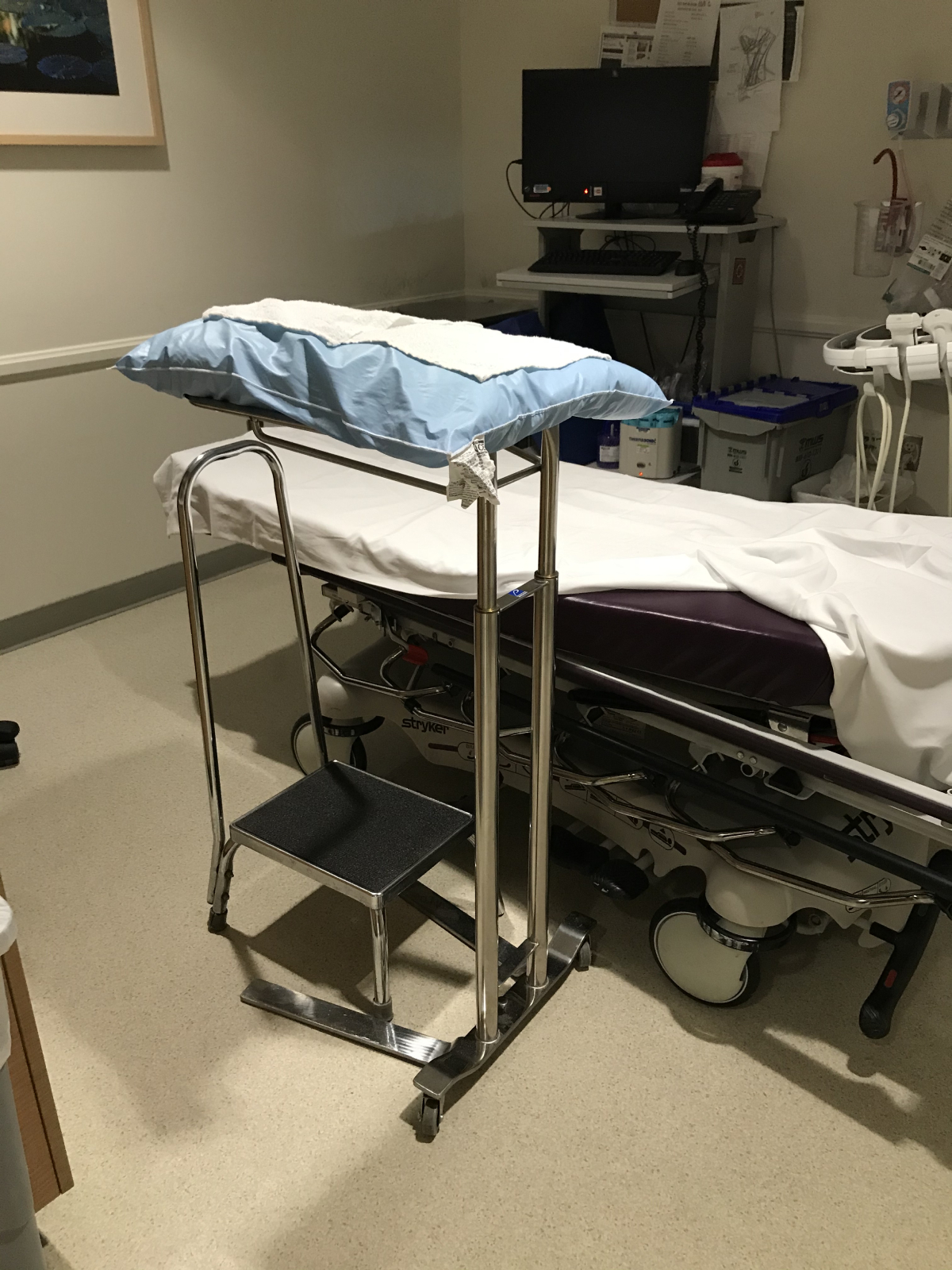
It’s not uncommon for nurses in Labor and Delivery units to resort to using stacks of pillows or unstable bedside tables to help position patients for epidural placements. This makeshift solution, while seemingly practical, exposes the nurses to undue risk. Nurses often find themselves in precarious situations, having to bear the weight of the patient leaning over these unstable supports, and in worst-case scenarios, even catching a falling patient. These situations drastically heighten the risk of injury to the nurse, adding to the physical strain of their already demanding roles.

Statistics paint a stark picture; nurses working in Labor and Delivery units face higher injury rates compared to their counterparts in other nursing specialties. The physical demands involved in epidural procedures contribute significantly to this alarming trend. Real-life accounts from nurses who have experienced close calls, injuries, or sustained harm while manually supporting patients during these procedures provide further evidence of the urgent need for safer and more efficient solutions.

In light of these circumstances, it becomes clear that the current practices surrounding epidural procedures need a revolutionary change. A change that prioritizes not only patient comfort but also the safety and wellbeing of our invaluable nurses.

Unveiling the Epidural Positioning Device (EPD)

The EPD emerges as a game-changer in this scenario. This innovative device is expertly designed to alleviate the physical strain on nurses during epidural placements. It works by positioning the patient safely and effectively for the anesthesiologist, reducing the need for manual support. With a step-by-step guide, using the EPD is straightforward, making it an ideal tool in any Labor and Delivery unit.Improve safety and efficiency with EPD the epidural positioning device by SPH Medical

The manifold Benefits of Using the Epidural Positioning Device

The safety benefits of the EPD for nurses are numerous. Studies suggest that the use of the EPD can significantly reduce the risk of injury among nurses, promoting a healthier work environment. Furthermore, the EPD has been shown to increase efficiency in epidural placements, streamlining the process and saving valuable time. Testimonials from nurses and anesthesiologists echo these findings, emphasizing the remarkable benefits of the EPD.

Standardizing the EPD for Safety and Efficiency

Given these impressive benefits, standardizing the use of the EPD across Labor and Delivery units is a logical step. It promotes consistent safety practices, reducing the risk of injury among nurses. Furthermore, the potential time and cost savings associated with the use of the EPD make it an economically sound investment. Hospitals are therefore strongly encouraged to consider integrating the EPD into their Labor and Delivery units.

In conclusion, manual patient support during epidural placements poses a significant risk to nurses. The EPD mitigates these risks, promoting safety and efficiency in Labor and Delivery units. Prioritizing nurse safety and efficiency is not just about reducing injuries it’s about creating a better working environment that ultimately leads to enhanced patient care. As such, the adoption of the EPD as a standard practice in hospitals is strongly recommended. Invest in the EPD today, and take a decisive step towards enhancing safety and efficiency in your Labor and Delivery unit.

Nurses are still getting injured while catching a falling patient. Use the EPD for improved safety during epidurals.
CategoriesPatient Handling

Safety Standards Improved During Epidurals

Epidural positioning devices are making it much easier, more comfortable, and safer for patients while also improving safety for and medical professionals during epidurals or spinal blocks. Whether it’s a soon-to-be mother in the labor and delivery unit or a patient being prepped for a total knee replacement in the surgery department, an epidural chair can make all of the difference.

What is an Epidural Positioning Device?

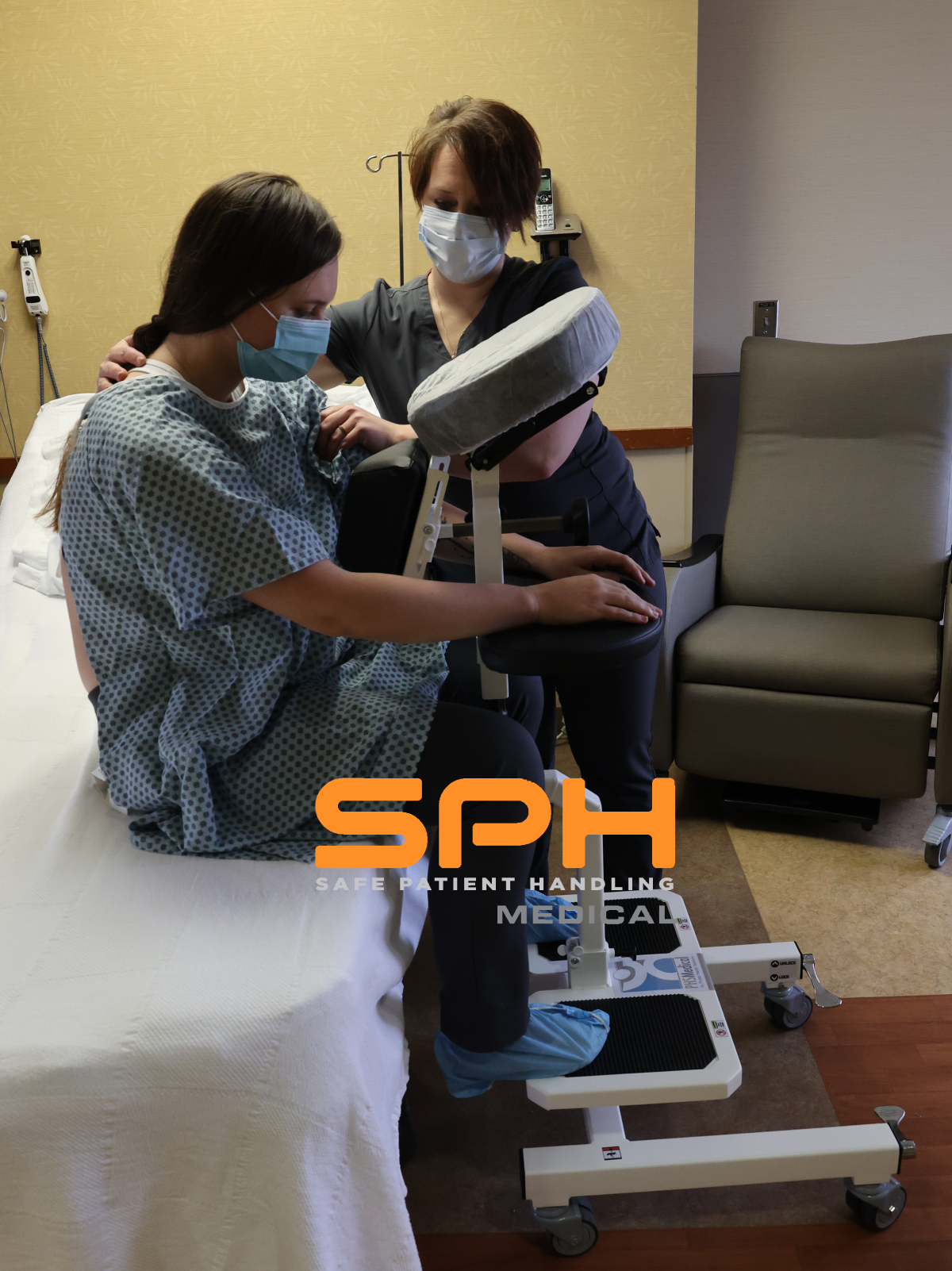
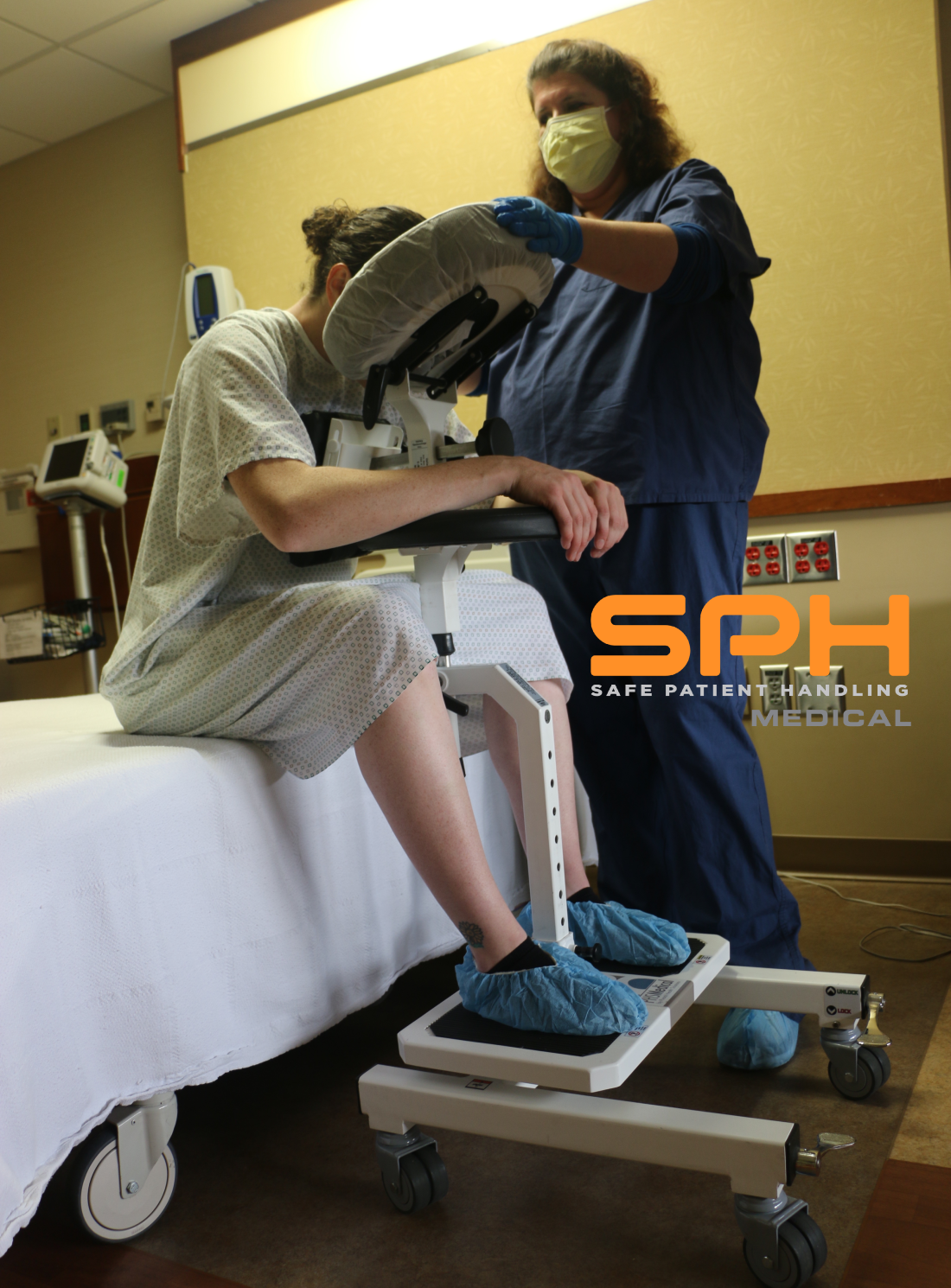
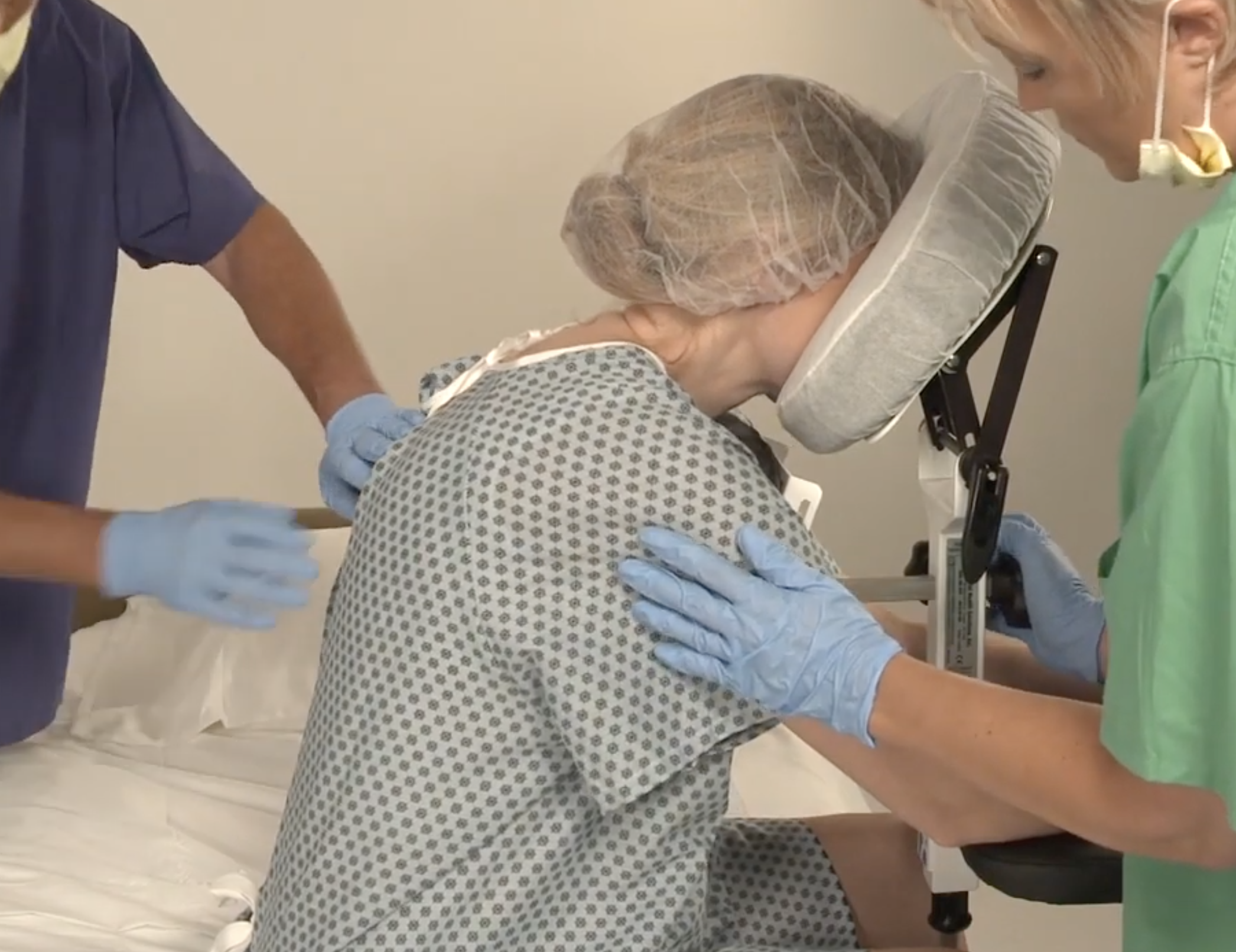
Known as an EPD for short, this medical device is intended to help optimally position a patient in the ideal position to administer spinal anesthesia. The epidural chair places patients in a seated, well-supported, forward leaning position to promote easy access to the lumbar, thoracic, and cervical areas of the spine. It provides an adequate level of support for patients of all different sizes and weights. This flexed spine position enables optimal access for the anesthesiologist.

What Makes an EPD Great for Patients Epidurals and Spinal Blocks?

Patients who opt for epidural pain relief can greatly benefit from having their epidural administered while they’re in an epidural chair. Traditionally, patients are supported via a stack of pillows propped up on a bedside table with wheels that don’t lock and are held in place by nurses. While this offers some level of support, patients feel more comfortable being supported by a solid chair structure.

If a patient faints or moves unintentionally, without using the EPD, the nurse has to catch the falling patient. The epidural chair provides the necessary safety and support for the patient and eliminates the manual handling required by nurses. Of course the EPD prevents them from falling to the floor and become injured. This makes using these chairs the best way to offer optimal safety for patients who are undergoing an epidural in the labor and delivery unit or a spinal block in the surgery department.

How are EPDs Beneficial to Medical Staff That Perform Epidurals?

Traditionally, patients who need to undergo epidural pain relief will require multiple nurses to hold them in place during the procedure. Nurses have to bear the weight of the patient and be capable of quickly responding to any unexpected responses, like fainting or jolting movements.

This puts nurses at risk for minor and severe musculoskeletal injuries. An epidural positioning device works to take that strain off of the nursing staff and allows the chair itself to support the majority of the patient’s weight. This means fewer nurses are needed to handle the patient during this particular medical procedure. The fewer nurses involved, the more efficiently the nursing staff can work to provide patient care to all patients on the unit. The EPD provides a new standard of safety in the hospital. With the EPD nurses can work more efficiently in a repeatable process that improves both nursing safety and patient safety.

More Epidural Pain Relief Will Be Requested by Patients

As researchers commonly pour through statistics to learn more about spinal anesthesia techniques and trends that lead to improved patient outcomes, one fact has become increasingly clear. According to a published medical article in Anesthesiology, the number of women who opt for epidurals during delivery has increased significantly by 10% from 2008 to 2018.

It’s commonly thought that the rise in patient education about the birthing process has led many pregnant women to ask for this form of spinal pain relief. As education levels continue to rise, it’s predicted that the percentage of women opting for epidurals during delivery is going to increase even more.

With more epidurals being requested for birthing deliveries and spinal blocks for specialized ortho surgeries, it’s more important than ever before to invest in an EPD. This medical device will go a long way in creating a safer environment for both your patients and nurses alike.Improve patient safety with EPD

The SPH Medical EPD improves safety and comfort during Thoracentesis Epidurals and Spinal Blocks
CategoriesPatient Handling

Safe Patient Handling during Thoracentesis

What is an EPD and How Does it Help with Safe Patient Handling?

EPD stands for epidural positioning device. This is an epidural chair that helps to safely position and support a patient while getting an epidural or spinal block. This portable device allows for optimal safe patient handling without the physical need of staff members to hold patients for an extended period of time.

Why is an EPD Useful for a Thoracentesis?

When a thoracentesis is performed, the patient must be placed in a similar position as an epidural to allow the needle to successfully penetrate into the pleural space. Expert patient positioning is a must to ensure that this procedure is done safely and correctly every single time.

Unfortunately, using stacked pillows and relying on the physical exertion of staff members to hold a patient in place during this painful procedure isn’t always the best option for your facility. Rather an epidural positioner can be a great addition to any hospital looking to reduce nursing injury statistics and optimize patient care.

Where is Thoracentesis performed?

Thoracentesis is often performed in a hospital setting where a pulmonologist will drain the fluid in the pleural cavity. This can be an inpatient procedure or an outpatient procedure. One hospital that uses the EPD for thora’s, City of Hope in Los Angeles, California has their patients visit the ultrasound department where the ultrasound tech is responsible for preparing the patient. Ultrasound guidance is used to locate the needle insertion point and is considered to improve patient safety.

The Various Safe Patient Handling Benefits of EPDs

When it comes to safe patient handling, EPDs are a great way to help enhance your staff’s ability to keep patients safe and comfortable during a thoracentesis procedure. In fact, these devices provide many great benefits for patients and staff members alike.

Increase Safe Patient Handling with the EPD

The epidural positioner will provide each patient with layers of support that will keep them safe throughout the procedure. While staff members are capable of holding patients in position, these types of static holds put hospital workers at risk and there’s always the possibility the patient or the staff member moving.  For example, a staff member may experience a cramp or some other condition that compromises their ability to continue to hold the patient safely in position. With an epidural positioner, you can eliminate the risk of manual patient handling and ensure patient safety 100% of the time.

Less Risk to Staff Members

Nurses and ultrasound techs won’t have to hold the patient into position or continue to support them throughout the procedure. Additionally, there’s no possibility of the patient falling and staff members having to quickly catch a falling patient or support the full weight of the patient. Any equipment that helps to reduce long periods of static holding or over exertion by your staff members can greatly contribute to healthier staff members, improved job satisfaction, and will reduce the risk of musculoskeletal injuries.

Requires Fewer Staff Members

Another great benefit of epidural positioning devices is that they provide so much support for the patient that you won’t need to have multiple staff members manually positioning the patient. Rather, you can have one staff member oversee the patient and the ultrasound technician. This helps to reduce labor requirements and allows your staff members to more efficiently handle patient flow throughout the day.

Epidural positioning devices can be a great addition to your medical facility. They can work to enhance patient safety, speed up procedures like Thoras, and reduce the wear and tear on your staff members. Any good medical facility knows that investing in devices that offer safe patient handling and less physical exertion from their staff members is a must. If you don’t currently have any EPDs, it’s high time to consider investing in them.

CategoriesPatient Handling

Improve Safety During Spinal Blocks

According to MedlinePlus, a trusted online resource for up-to-date information related to diseases and a host of wellness issues, a spinal block is commonly prescribed to patients undergoing genital, urinary tract, or other lower body medical procedures. They are also prescribed to pregnant women, in addition to epidural anesthesia, before they are due to give birth in a hospital’s labor and delivery unit. Also known as spinal anesthesia, a spinal block is a type of neuraxial regional anesthesia that involves injecting a local anesthetic or opioid directly into the subarachnoid space to block pain signals that would otherwise travel to the brain. Spinal blocks do a terrific job of keeping pain at bay so that patients can get through a needed medical procedure. But they can sometimes pose a danger to patients and medical teams alike. Improving safety during spinal blocks can be done with an epidural chair or epidural positioning device.

Safety During Spinal Blocks: The Dangers They Pose to Patients and Medical Teams Alike

Studies show that spinal blocks can increase a patient’s chances of experiencing low blood pressure, meningitis or abscess, hematomas, difficulty urinating, seizures, and headaches. As far as medical teams are concerned, many suffer musculoskeletal injuries due to lifting, repositioning, or catching falling patients that have received spinal blocks. Most of these injuries involve back pain and back strain that is so severe that many say they can’t work for a few days following their injury. To further put this into perspective, in 2016, the 8,730 days-away-from-work cases filed by hospitals involved medical teams that suffered musculoskeletal injuries while tending to patients in a hospital’s surgery department or labor and delivery unit. An epidural positioning device (EPD), such as an epidural chair, could have helped medical teams in these hospitals avoid many of these injuries, as well as improve safety during spinal blocks and epidurals.

How an Epidural Chair Can Help Improve Hospital Safety

Manually positioning or moving patients from one location to another is the leading cause of injuries among nurses, operating room technicians, and anesthesiologists involved in treating the roughly 324,000 patients who receive spinal blocks each year. These injuries have motivated many hospitals to invest heavily in medical assistive devices to improve patient handling and lower the rate of injuries among hospital workers. One such device is the epidural chair. Also known as an epidural positioning device or an EPD, epidural chairs support the arms, head, chest, and feet of patients receiving spinal blocks. The support they provide minimizes the risk of falls and makes it much easier to transport patients from one location to another as needed for their medical treatments. Studies show that hospitals that use epidural chairs file fewer day-away-from-work cases than those that do not.

Conclusion

Whether we are discussing safety in a hospital’s surgery department or its labor and delivery unit, EPDs should be part of that discussion. And this is because they make epidural pain relief via spinal blocks easier and markedly safer for everyone involved.

SPH Medical EPD Adjust the chest support cushion
CategoriesPatient Handling

Avoid Manual Patient Handling During Spinal Blocks

Epidurals are given to patients across many departments within the hospital setting. Most people know that women often receive them during labor, but there are many other times a patient can benefit from a spinal block, including: epidural pain relief, an alternative to general anesthesia, and to combat chronic pain. Yet, as common as the practice is, many healthcare workers in a labor and delivery unit or a surgery department who perform manual patient handling are at risk for injury. Oftentimes, patients who are in need of an epidural are in pain, nervous, nauseous, or confused. Nurses have reported even being physically attacked or bitten by patients during an epidural.

In this state, it is hard to manually control positioning and account for patient movement. They might not understand the directions properly or be able to hold the position, which means that several healthcare workers have to use their entire body weight to keep the patient in place.

In addition to patient concerns, the tables or beds where the procedure is performed are also not ideal for patient or healthcare safety, such as bed side tables that don’t lock, stacks of pillows, chairs with wheels. All of these issues accumulate for risky manual patient handling for the patient and their nurses or anesthesia technician.

Improving Healthcare Safety with an Epidural Positioning Device

An EPD or epidural positioning device is designed to promote the best possible optimal spinal flexion in the cervical, thoracic, and lumbar spines for proper needle insertion. It also makes the procedure a lot safer then when it’s just performed with manual patient handling.

Even before considering the risks of performing a spinal block without an epidural chair, nurses are one of the most at-risk professionals in any industry. According to the Bureau of Labor Statistics, nurses are injured at a rate of 46% compared to 34% elsewhere.

Manual Patient Handling and The Need for The Epidural Chair

The epidural chair directly minimizes this risk of injury for any labor and delivery unit or surgery department because it positions and holds patients automatically without the need for any special maneuvering or exertion on the healthcare provider. According to the Center for Disease Control, there is evidence-based research showing that replacing manual patient handling can significantly reduce the rate of nursing injury.

Patients see the benefit of the EPD as well. An article in the International Journal of Obstetric Anesthesia, patient comfort was significantly higher using an epidural chair, with over 90% of patients preferring the epidural positioning device to the historic manual positioning and holding. The EPD is a win-win scenario for patients and healthcare workers trying to deliver epidural pain relief because it is more comfortable, easy to use, and safer. For more information on epidural positioning devices contact us at SPHMedical.

Add to cart