Epidural Positioning Chair in Labor and Delivery
CategoriesPatient Handling

Leading Epidural Safety

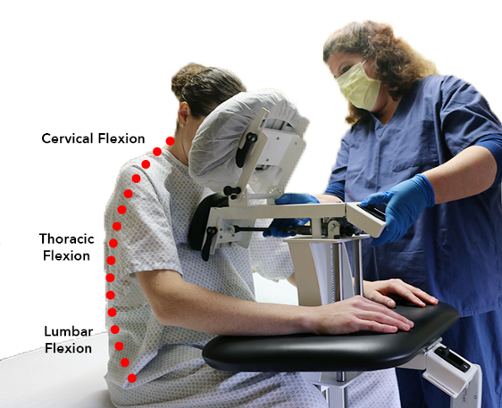
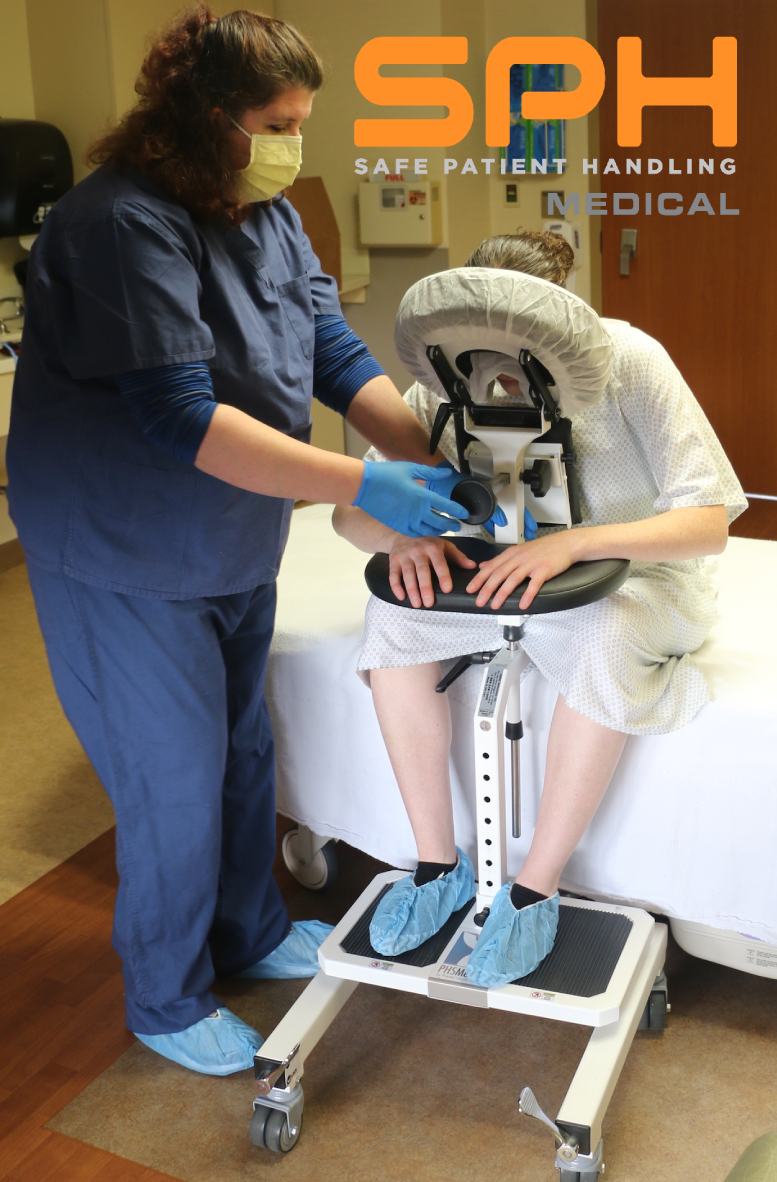
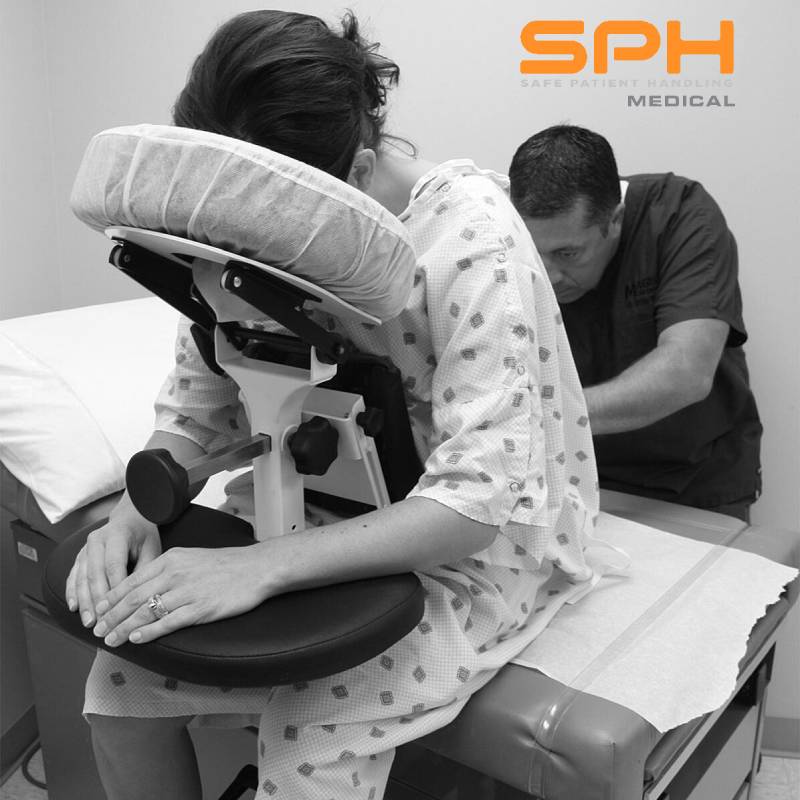
Patient and caregiver comfort and safety are at stake when performing spinal blocks before ortho surgeries and epidural placements for expectant mothers. These tasks are so common place in the Pre-Op area of the surgery department and on labor and delivery floors that nursing staff and nursing leadership often don’t consider the risk to their staff and patients.  Safety can be dramatically improved by using the original epidural positioning device. The device provides epidural safety by allowing nurses to position their patients restfully and properly, encouraging lumbar, cervical, and thoracic flexion.

What is an Epidural Positioning Chair?

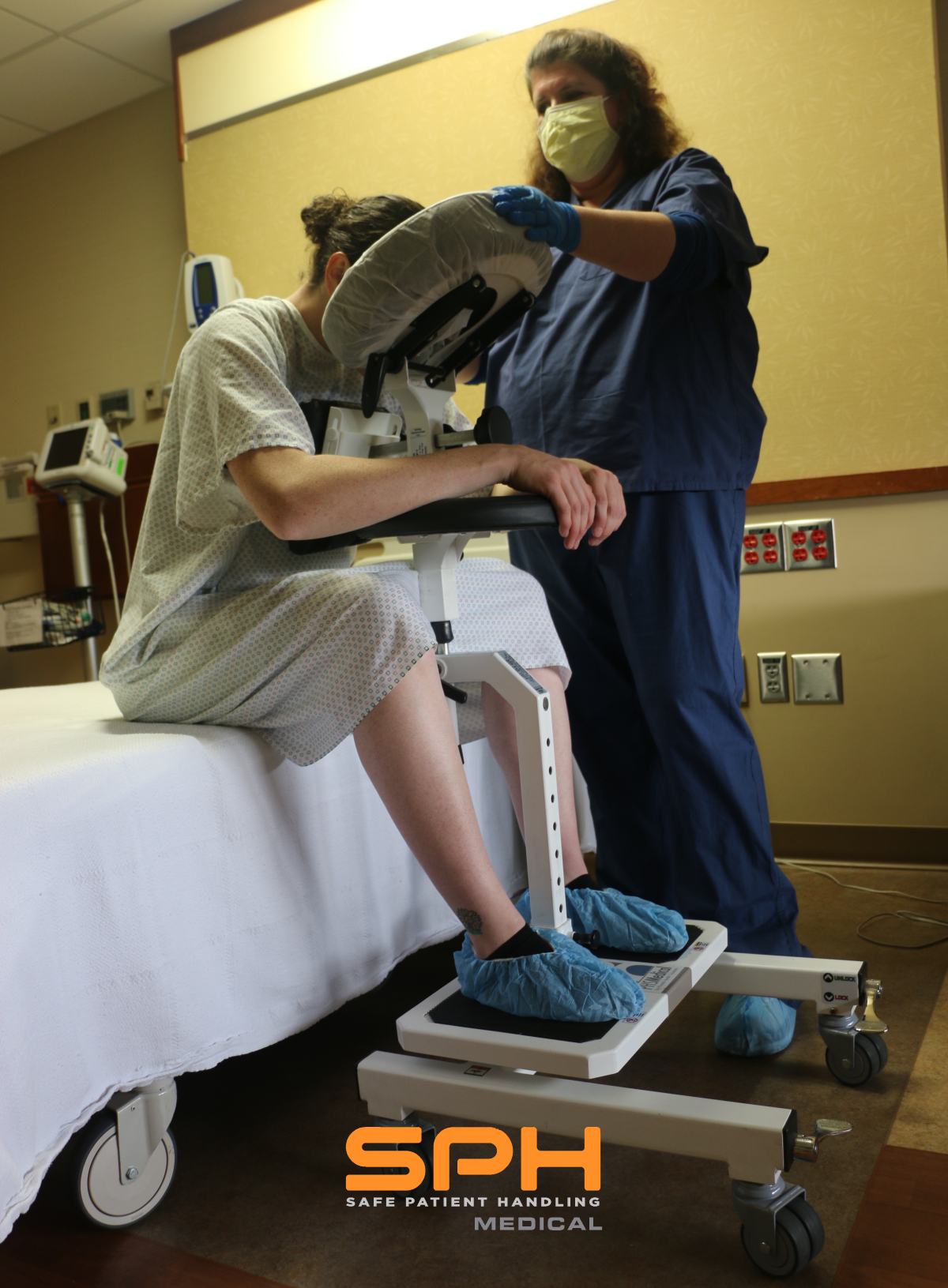
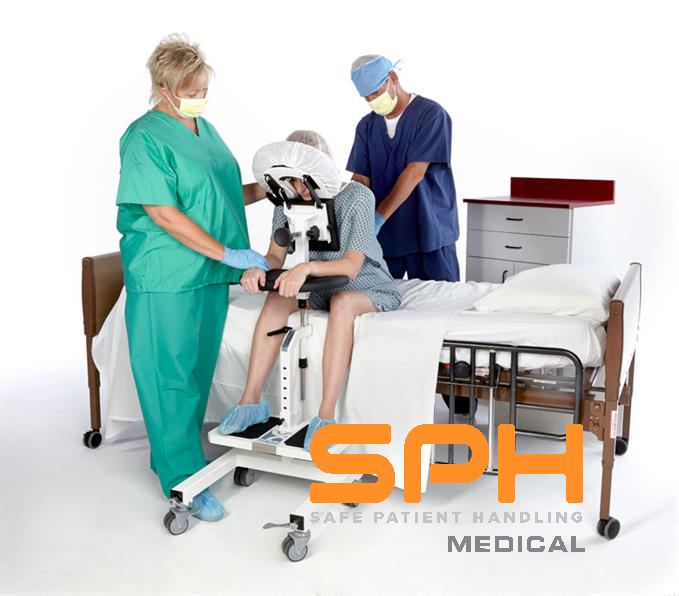
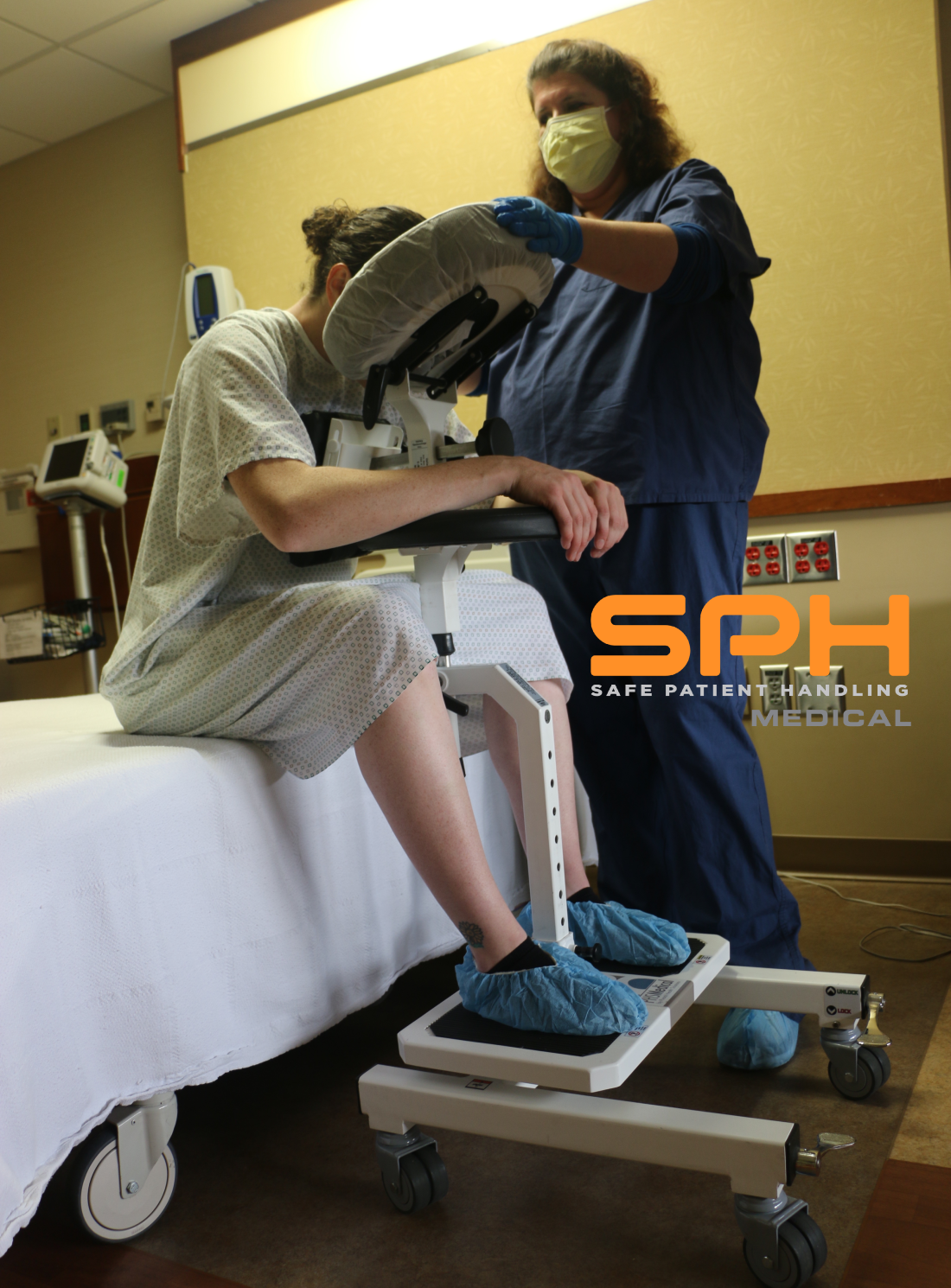
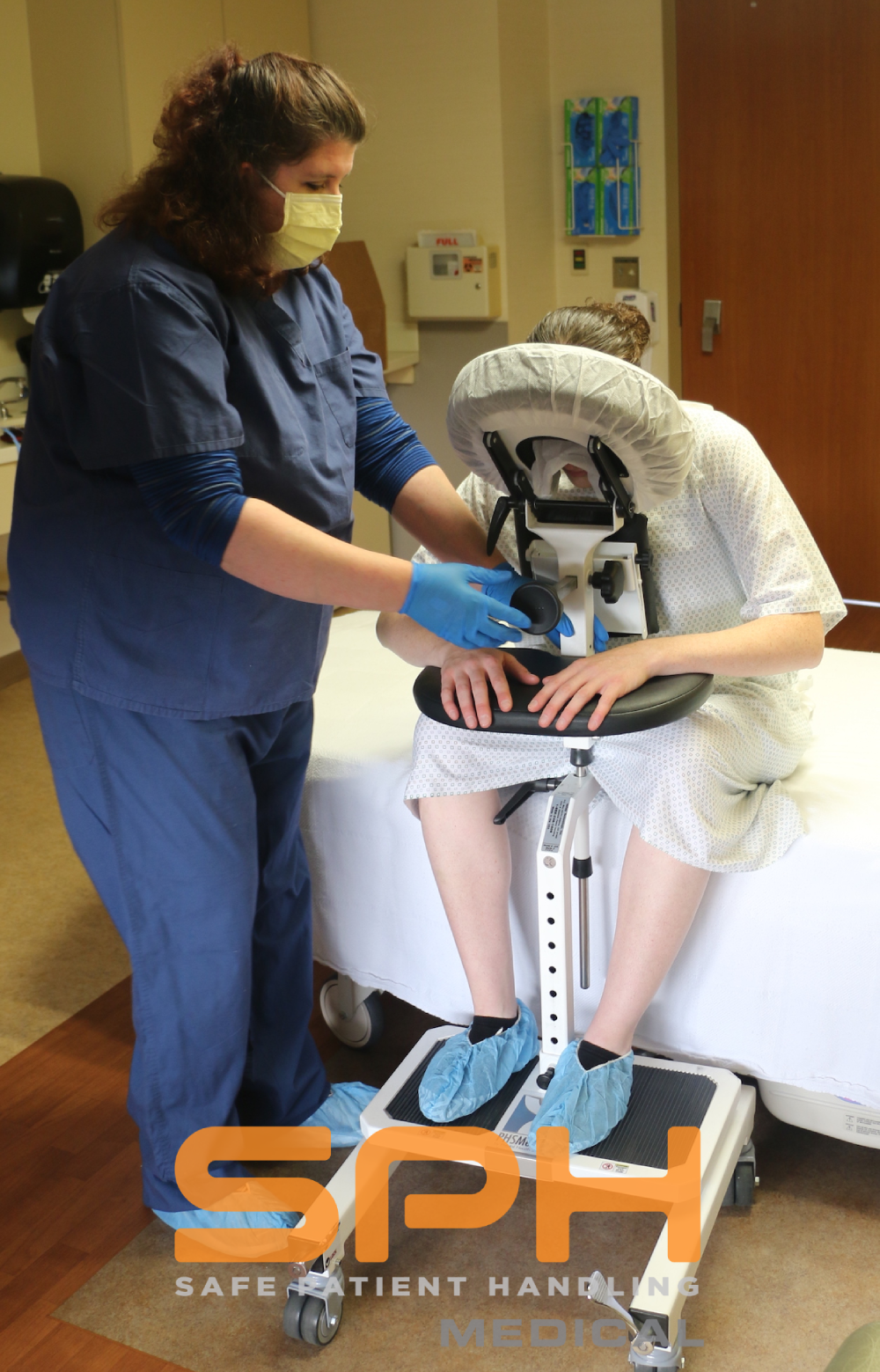
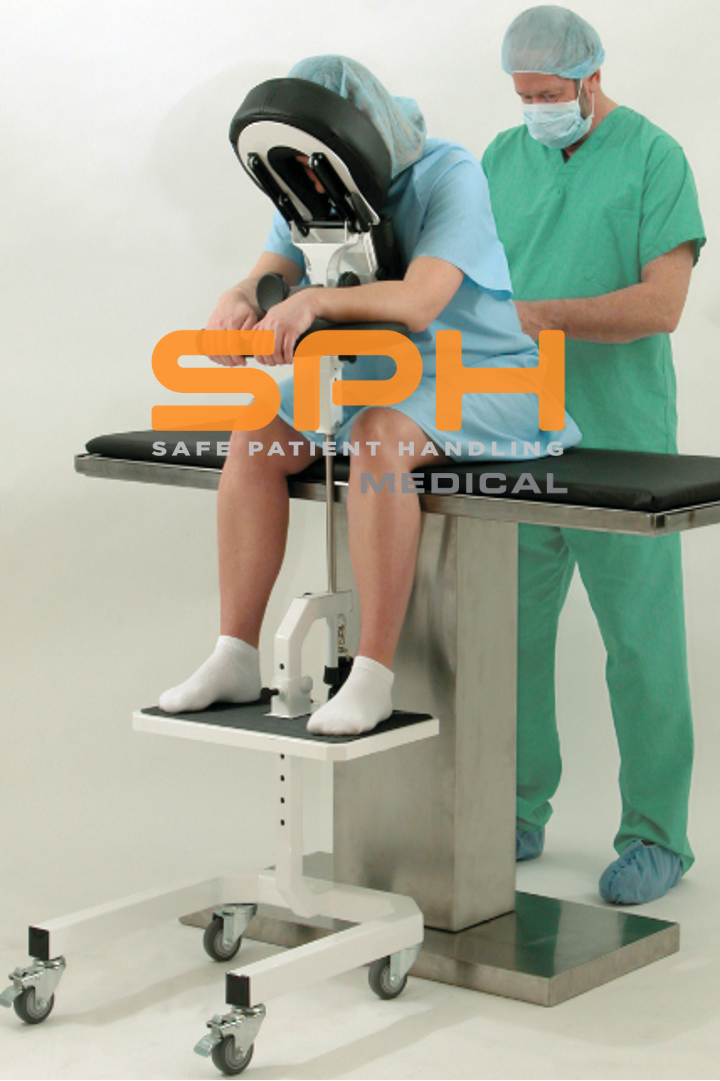
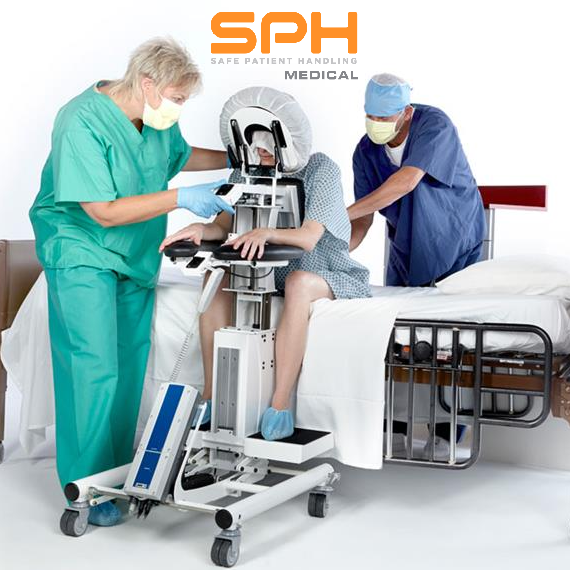
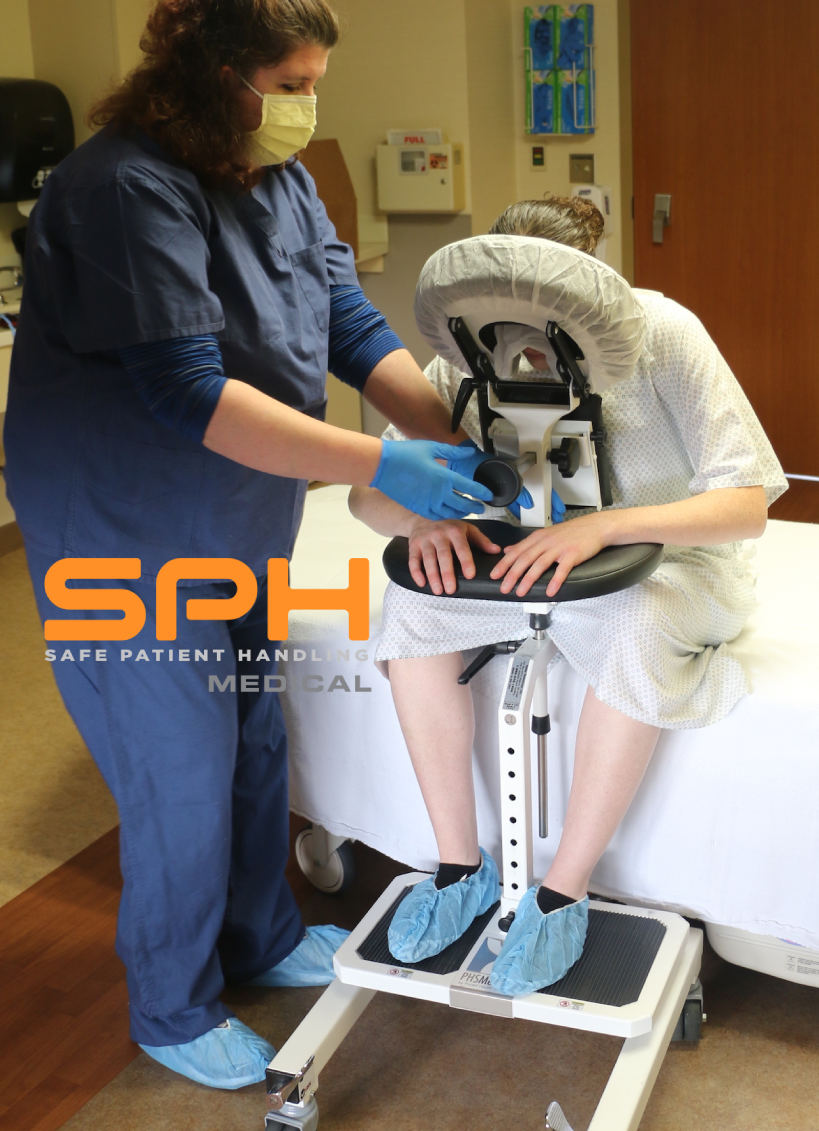
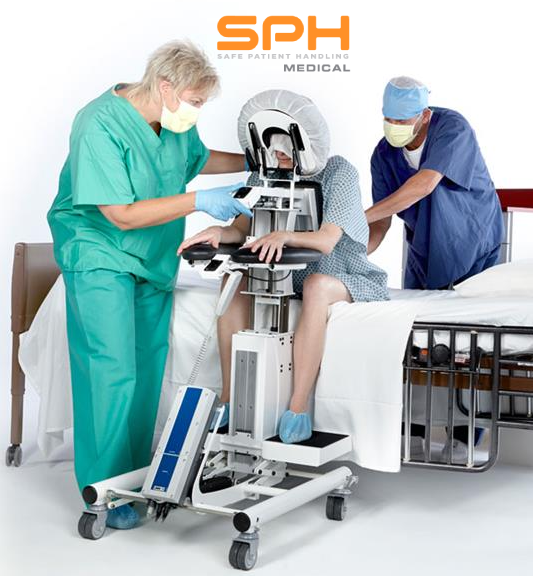
Epidural positioning chairs came into existence about two decades ago. Invented by a renowned anesthesiologist, these chairs took some inspiration from modern-day massage chairs but have been designed to work in the clinical environment.  They’re created to offer stability, comfort, and accurate positioning in mind.  The chairs are used to ensure correct patient positioning during many different types of procedures. The chairs are widely used to position patients of size and obstetrics, increasing their comfort and safety.  The EPD or epidural positioner offers adjustable arm supports, a tilting and adjustable cushion for the face and head, and chest cushion that provides support and promotes the optimal flexion.  For patients using the EPD, their body position is stabilized which minimizes risk of errors by the anesthesiologist.  We’re finding new uses for the EPD in other areas of the hospital to support patients like the imaging department for Thoracentesis.  The adjustability of the EPD makes it adaptable to many different healthcare settings.

Where Is Epidural Positioning Device Used?

The device is primarily utilized in labor and delivery unit, pain centers, operating rooms, labor rooms, and surgery department units. The device has a variety of uses in the surgery department and also the device is used in medical centers where spinal and epidurals are conducted.  The EPD is the revolutionary alternative to manual positioning, which offers less stability, increases complication risks and puts staff at risk when trying to support or hold a patient in position.  The benefits of the device in departments such as labor and delivery unit where is often utilized have been measurable. The busy surgical department uses the device to prep patients for common ortho surgeries with spinal blocks, while nurses on the labor and delivery unit use it to position patients for epidural placement.  As mentioned above, the EPD has also found its way over to the imaging department where Ultrasound technicians are responsible for prepping patients for Thoracentesis.  The EPD is quickly becoming the standard of care in all three of these hospital departments.

What Are the Benefits of Epidural Safety?

Caregivers and nurses use epidural chairs in preoperative environments to position patients properly and seamlessly position their bodies steadily and comfortably. Unlike the manual task of positioning patients for a spinal block or epidural, which require holding stools or patients steadily so they don’t move an inch which clearly increases risk of injury to the caregiver, an epidural chair is comfortable and ergonomic. With these chairs, the risk of musculoskeletal injuries is significantly reduced by allowing the EPD to provide the support, not the nurse.  The following are the main benefits of using epidural positioning devices for epidural positioning.

  • The epidural chairs minimize strains, sprains and risk of musculoskeletal injuries
  • They encourage thoracic, lumbar, and cervical flexion, maintaining a stable and comfortable position
  • It maximizes patient comfort while some safe distancing for staff
  • Correct positioning increases the potential for needle placement accuracy, minimizing the risk of complications.
  • The EPD improves patient confidence, security, and satisfaction

Features of the Epidural Positioning Chair – the EPD

When considering the epidural positioning chair, you should consider the following features

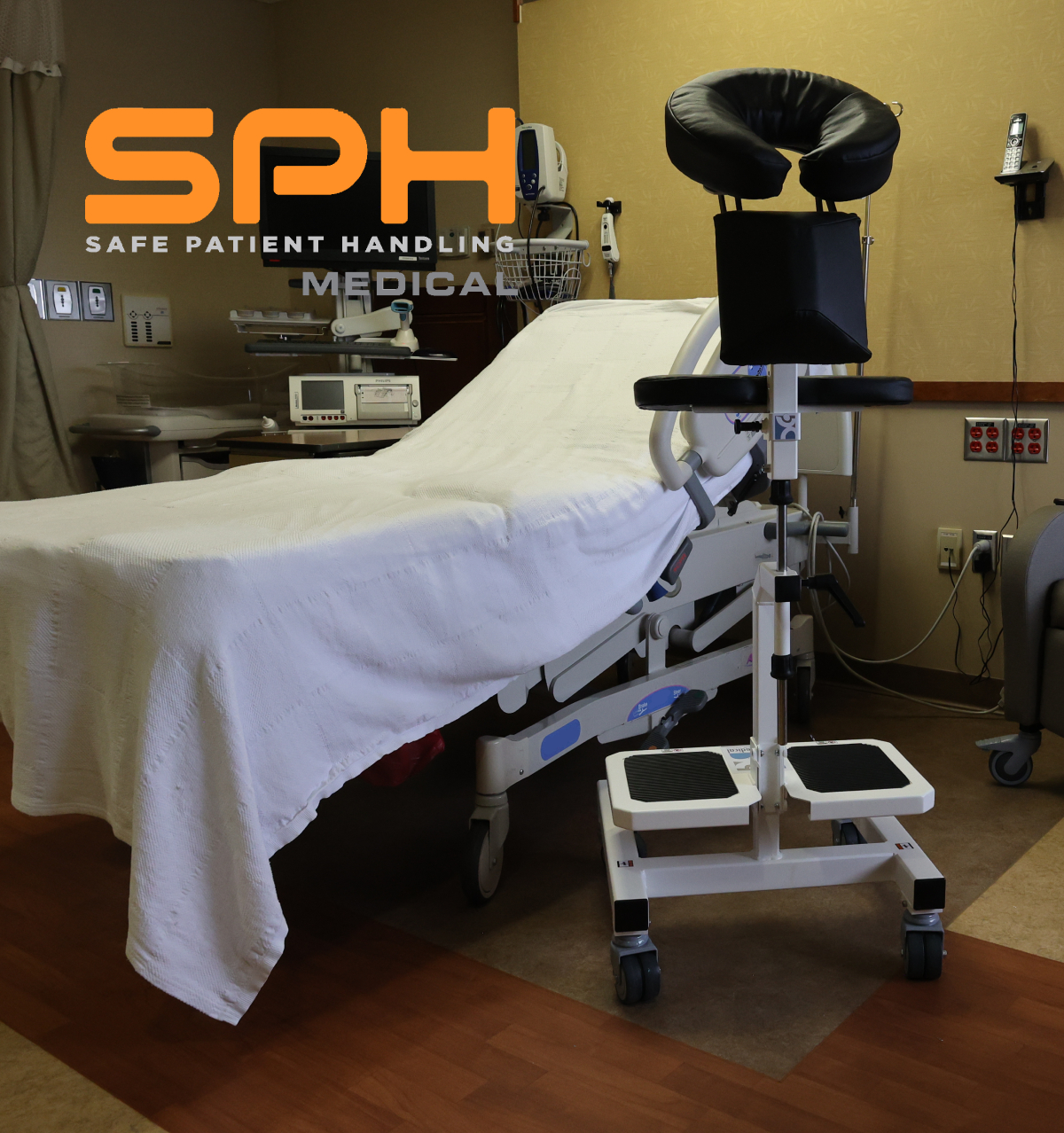
  • Well-designed and portable with wheels that easily lock in place
  • A comfortable and adjustable face rest designed to attain and maintain perfect cervical flexion
  • Ergonomically designed armrest to offer enough stability and comfort to a patients’ arms
  • Lightweight and stable design
  • Adjustable and relaxingly designed footrest
  • 600lb weight capacity
  • Adjustable torso support to offer quality thoracic and lumbar flexion

The possible applications of epidural positioning chairs and the benefits the EPD can deliver to a healthcare facility are numerous. Patient and staff injuries and high risk of complications have been common issues medical facilities deal with regularly. With these efficient and effective positioning devices in place, the staff injury cases have been virtually eliminated while patient complications have significantly reduced. For the industry leading EPD used for Epidurals, spinal blocks and thoracentesis, along with any other safe patient handling to reduce workplace injuries, healthcare facilities must contact SPH Medical.

EPD solves patient positioning
CategoriesPatient Handling

The Use of EPD in Epidural Pain Relief

An epidural is a frequent procedure used to offer pain relief or numbness during labor and childbirth and some surgeries and chronic pain. An epidural pain relief is a technique that involves injecting a medicine into the spine’s epidural space, either an anesthetic or a steroid. This technique is used to offer pain relief or a total loss of feeling in a specific area of your body, such as your legs or abdomen. It aids in blocking pain signals from the spine to the brain. The anesthetic blocks pain signals by numbing the spinal nerves. It relieves discomfort for women in labor or having a cesarean section. This anesthetic is particularly effective at blocking discomfort from labor contractions and during delivery. You can normally move and control pushing of the baby when you have an epidural.

The Epidural Positioning Device

A distinguished anesthesiologist created the first epidural positioning device about two decades ago to improve patient and staff safety. The EPD has now become the gold standard of positioning devices. The Surgery Department and the Labor and Delivery Unit benefit the most from this development.

When it comes to positioning patients safely and decreasing the risk of injury to caregivers and medical personnel, the device helps keep patients safe while also reducing the risk of injury to caregivers and medical staff. The EPD is most commonly used to position a patient for an epidural placement but is also used in other areas of the hospital to position patients.  The EPD has numerous advantages for both nursing staff and caregivers.

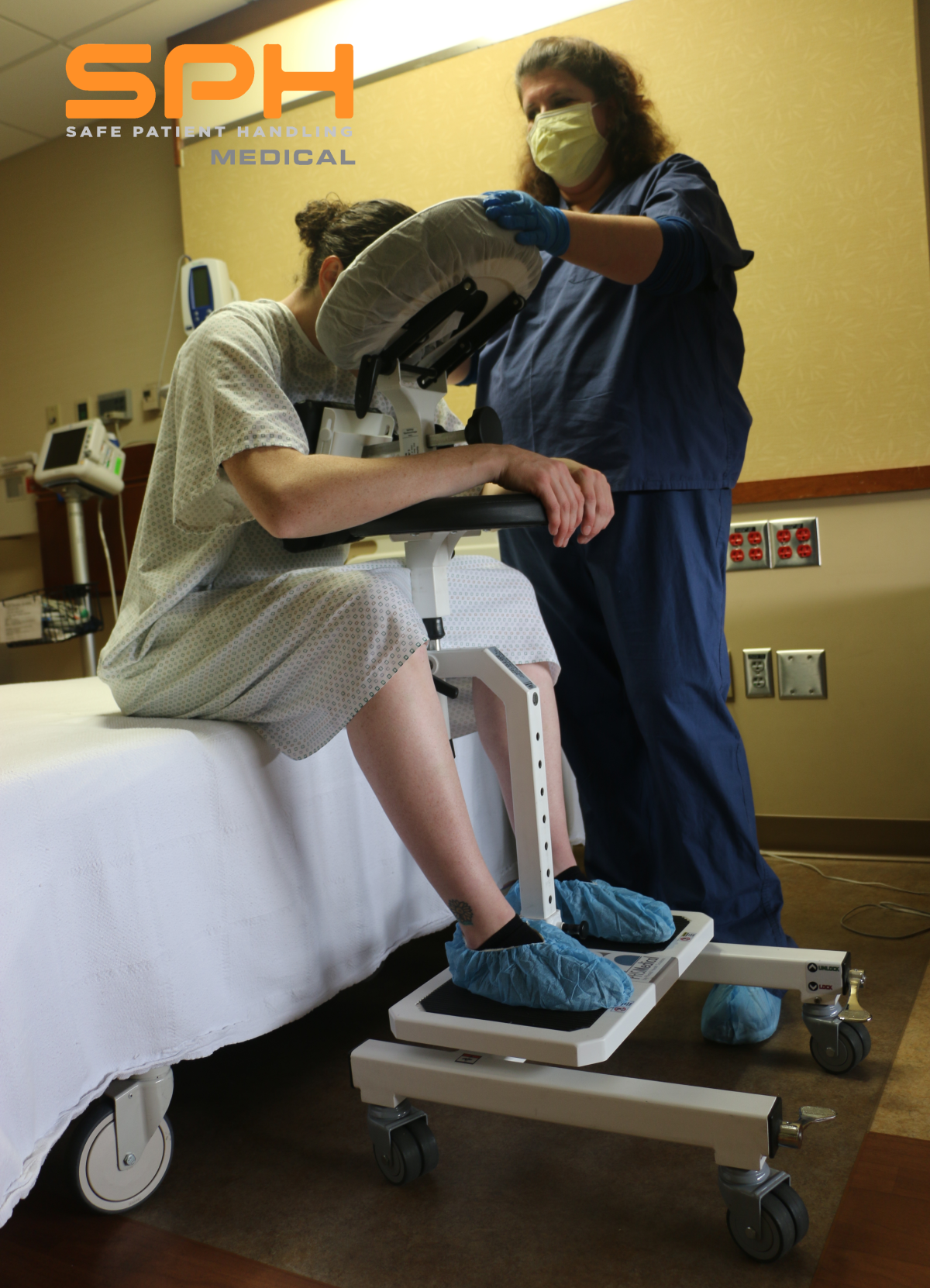
An epidural chair has a stable foundation. It quickly locks into place and has several adjustable features to ensure that each patient is in the best possible posture for the treatment.  The following adjustable features:

  • Height adjustability
  • Tilting Paded Face Rest Cushion
  • Foot Plate
  • Depth Adjustable Chest Cushion
  • Arm Rests
  • Locking Wheels

Why Is Proper Positioning Important for Epidural Pain Relief

The Epidural Chair improves safety by appropriately positioning and supporting a patient for a successful procedure, the first and most visible advantage.

Complication risk is reduced. There is a considerable risk of complications due to the unique and strenuous nature of patient posture during spinal blocks and epidural treatments. With this device, caregivers don’t have to rely on their body positioning to keep the patient secure.

Anesthesiologists have also used the technology for various types of spinal blocks as a result of its success in delivery aid, providing epidural pain relief during various procedures.

What is Epidural Pain Relief and What Is the Risk to The Patient?

In the past, the nurse or medical assistant was responsible for manually positioning the patient, which increased the risk of injury or musculoskeletal disorders (MSDs). Assisting with epidural procedures is one of the known high-risk tasks for nurses. Modifying the task or implementing engineering controls to eliminate the risk is the greatest strategy to lessen the chance of injury. Your team will benefit from the positioning devices engineering control and risk reduction.

Patients benefit from an epidural positioning device because it provides a stable base. When the patient is positioned correctly, the caregiver can rely on the device rather than their body weight to keep the patient in the best posture for the treatment. These advantages significantly minimize the risk of problems during a spinal block and epidurals.

Patient Positioning Challenges

  • During epidural and spinal block placements, clinicians in the Labor and Delivery Unit, Surgery Department, and pain clinics face various demanding scenarios.
  • Holding a patient in place poses a risk to the staff’s safety.
  • Pillows stacked on non-locking tables endanger patients’ safety.
  • Patients on medication may find it challenging to maintain the correct position.
  • Keeping a stool in place while supporting a patient is a difficult task.
  • Patients may have an unanticipated reaction and try to move.
  • Patients may feel dizzy or queasy, causing them to move around.

With this Epidural assisting device, the patient is in a safe, secure, and comfortable position. It is the responsibility of hospitals and medical facilities to ensure the safety of their nurses and support staff. Providing the necessary equipment is part of the plan to keep employees injury-free. While assisting with traditional positioning methods connected with epidurals and similar procedures like spinal blocks in the OR and Thoracentesis in the imaging department, positioning devices reduce over exertion, body strain and risk of injury to nurses. It’s critical to keep nurses and hospital workers in good health to function at their best.

Improve patient safety with EPD
CategoriesPatient Handling

Epidural Chair Solves Spinal Block Positioning for OR

Are you looking for a way to keep your patients and hospital’s medical staff safe? Do you want to lower the risk of injuries while helping patients get better faster? The epidural positioning chair may be the answer. Known as the Epidural Chair or the Epidural positioning device (EPD), the EPD is being used in hospitals and surgical practices to enhance patient safety. The device provides secure and comfortable, stable support for patients undergoing epidurals, spinal blocks, or lumbar punctures.

Many departments use EPDs for safe patient handling and to enhance worker safety in clinics, hospitals, and pre-op areas. The imaging and surgery department uses EPDs for comfort, to hold patients in positions for various procedures to reduce the risk of injury to technicians.

Epidural Chair: What is it?

People often mistake it for a chair, but it is actually the bed or table on which the patient is seated. EPD supports the arms, head, chest, and feet while a patient is seated. The device is portable and stable, allowing it to be used at the bedside as you prepare patients for spinal and epidural blocks. Various clinical settings, inside and outside of hospitals, can benefit from EPD. Epidurals are given almost every hour in labor and delivery rooms, and spinal blocks are now being administered even more often as the number of total joint replacements increases.

Epidural Positioner: Ease of use and maintenance

The Epidural Positioning Chair provides a better solution for nurses, medical staff, and health care facilities. Many hospitals consider positioning patients as the standard of care that minimizes the risk of falls, sprains, and injuries. The EPD can be used for epidurals, spinal blocks, thoracentesis, and other pain management procedures.

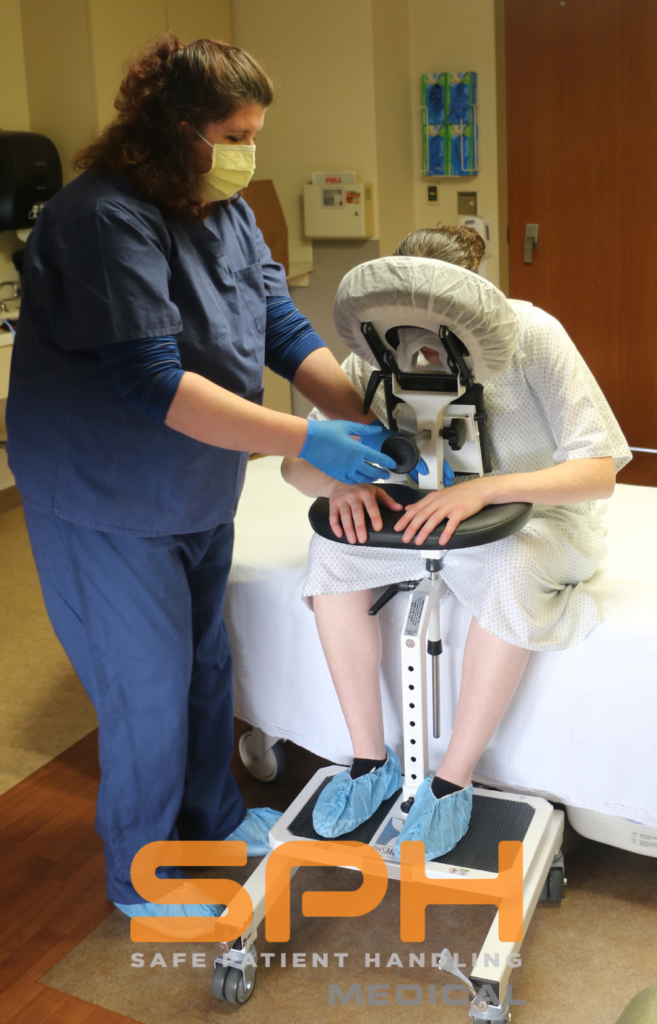
With EDP, patients can receive spinal blocks or other epidural therapies in a more private, dignified way. This is also safer for caregivers. The armrests adjust in six positions, and the headrest can change 180 degrees. The device can easily fit operating rooms, birthing rooms, clinics, labor and delivery rooms, and imaging departments. Disposable covers make it easy to disinfect and clean the EPD’s face rest.

EPD: The Benefits

During, after, and before the COVID-19 epidemic, thoracentesis became routine. Epidural positioning devices make the process simpler and more predictable. According to an expert, thoracentesis usually involves the patient leaning forward while their arms rest on a bedside table. Patients who cannot sit will lie on their side for safety.

Ultrasound techs also need a safe working environment. Syncope caused by vasovagal responses during thoracentesis can be treated safely with the EPD. Studies show many hospitals and medical centers use the EPD for thoracentesis procedures. It is also very popular with technicians and patients alike. In studies of pregnant women who received epidurals, women found that positioning devices made them feel more comfortable.

Compared to the patient satisfaction before using the devices, patient satisfaction increased significantly. Other benefits include:

  • Maintains correct thoracic, cervical, and lumbar flexion to maintain stable alignment.
  • Provides a more private and less intrusive position for the patients
  • Help to prevent injuries to medical and anesthesia staff.
  • Wheeled for easy mobility
  • Easily fits any patient
  • Increases patient satisfaction

Eliminate Manual Handling with The Epidural Chair

Nurses and caregivers manually position patients for epidural procedures in preoperative settings, operating rooms, and the hospital at large. During most procedures, caregivers must hold a stool, table, and patient steadily with their entire bodies. This prevents the patient from moving, resulting in an injury. When the medical assistant is assisting the patient in holding a flexed spinal position, they are potentially putting themselves in a risky position.

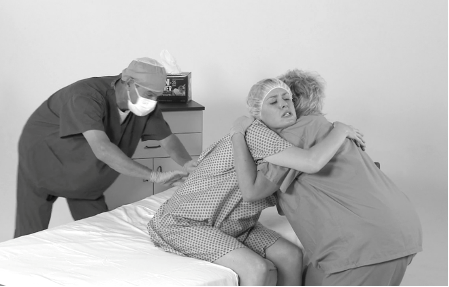
Handling patients manually puts medical staff at risk for musculoskeletal injuries. As part of perioperative procedures, staff members position patients as needed for spinal and epidural blocks, respectively, in Pre-Op, OR, and other rooms as required. Most patients sit at their bedsides and place their feet on a portable stool on wheels by the bedside. To create the “mad cat” flexed spine position, the nurse brings a non-locking bedside table to the patient and places pillows as needed on it. Sometimes, the patient is simply leaning forward while their arms are wrapped around a stack of pillows. By holding the foot stool in place, the nurse keeps the patient’s upper body stationary while holding the foot stool in place with the knees or thighs. The nurse or nurse assistant must often support some of the patient’s body weight during needle insertion.

Further complicating the situation, patients are often in pain, nervous, and unpredictable, putting the staff at risk. Several hospitals have concluded that prolonged holds and counterpressure tasks are high risk. They have redesigned epidural and spinal block placement processes to eliminate manual patient handling based on their predictable daily routine.

Besides reducing risk to the medical staff and caregivers, the Epidural Positioning Device creates a comfortable and safe needle placement position, ensuring increased patient comfort. Experts have shown that “normal” patients suffer injuries when they are handled manually. The constant turning, lifting, pulling, pushing, and transferring has the cumulative effect of causing small tears in the joints and discs, leading to injury.Reduce Risk of Injury in OR with EPD
Safeguarding the medical staff

Strain, back injuries, and other musculoskeletal disorders (MSDs) are a severe concern for healthcare workers. The Association of Perioperative Registered Nurses (AORN) estimates that around 50 percent of all non-life-threatening injuries sustained by nurses are MSDs, with approximately 25 percent of these injuries involving the back.

The EPD typically addresses these concerns in preoperative rooms, which are prone to injuries. Studies show many prestigious hospitals use the device, including Mayo Clinic, VA Medical Center, Duke University Hospital, and Kaiser Hospitals. This device is an invaluable asset to the imaging team, perioperative, and Labor and Delivery (L&D), a win-win for everyone.

With the EPD, you can immediately and effectively increase patient and staff safety. If you would like more information or to request a quote, contact SPH Medical. The primary focus of SPH Medical is the safety of nurses and caregivers. The national organization offers a wide selection of safe patient handling products to healthcare facilities and hospitals nationwide, such as patient lifting solutions, air assisted transfer and positioning systems, patient slings, Nitrile Exam Gloves, N95 masks, and disinfection products.

The Epidural Positioning Device for safety
CategoriesPatient Handling

How to Improve Staff Safety During Epidurals and Spinal Blocks

When most people think about the effectiveness of modern healthcare, they think about innovative robotic surgeries or new medications. While these advancements certainly are relevant, they are not the only advancements that improve patient outcomes and increase staff safety during epidurals or procedures. One of the most recent innovations is an epidural positioning device.

Known more commonly as an EPD, this device is designed to provide better support for patients during the administration of an epidural or spinal block. An epidural positioning chair is most likely to be employed by an anesthesiologist and nursing staff to provide optimal spinal, lumbar, or cervical flexion. The patients will also see direct benefits.

The need for proper positioning relates to how an epidural is administered. The epidural injection occurs in the space between the spinal column and outer membrane of the spinal cord also known, as the epidural space, in the mid to lower back. The flexed spine position opens up this space. Epidurals are perhaps best known as a tool for pain control or analgesia during labor and delivery. Spinal blocks are similar procedures. However, a spinal block is a single shot in the dural sac. The relief is fast and effective. That is why a spinal block is common in general surgery.

Staff Safety During Epidurals wit the EPD

Despite the large volume of these procedures, the process of positioning patients today remains a manual and risky process for nursing staff during epidurals. Traditionally, patients must be moved in either a side lying position or leaning over a woefully unstable bedside table with pillow to enable spinal flexion and to provide access to the spine. Often, nursing staff must manually position patients and hold them in place. This requires a lot of manual static holding, counter-pressure, and other manualManual Handling Patients during Epidural pushing and pulling, which puts the support staff at risk of a musculoskeletal injury. Over time, this can lead to muscle or joint disorders that cause long-term impairment or pain. The risk to staff is often overlooked on the Labor and Delivery unit where nursing injuries are increasingly problematic for both employees and costly for hospitals.

Moreover, this process can be quite uncomfortable for patients. The idea of getting a shot in the spine can already be unnerving for some patients. The manual process of being held in place can increase any associated anxiety. Plus, since the process is done manually, there is some risk of movement or error. Patients often have higher comfort levels when they feel stable, properly supported, and secure.Improve Patient Safety with EPD

In this manner, the EPD solves problems from both ends. With an epidural positioning device, patients can be properly positioned without manual patient handling that puts nurses at risk of injury. Instead, patients are comfortably positioned with adjustable arm rests, a face rest and a foot plate so they can comfortably remain still while the anesthesiologist has direct access to the spine. Patients are far more comfortable, and the risk of injury to staff is dramatically reduced.

Epidural Positioning Chair

The applications for the epidural positioner are vast. They can easily be incorporated into the labor and delivery unit for expectant moms. The EPD has also gained a great deal of popularity in surgical departments across the globe. These positioners can be used to help patients prepare for common joint replacement surgeries where spinal blocks are a normal part of the standard of care.

Now, the positioners are even being purchased for use in imaging departments. There is a growing consensus that the use of a positioner can be useful during a thoracentesis. This unique procedure requires the doctor to insert a needle through the chest wall. The needle is then directed to the space between the lung and the chest wall. In some conditions, fluid can accumulate in this area. This is known as pleural effusion, and it can make it difficult to breathe. A thoracentesis, therefore, will ease the pressure on the lungs while also making it easier to diagnose the cause of the fluid buildup.

The EPD Providing Staff Safety

Given the precise positioning needed to complete a delicate procedure like a thoracentesis, the use of a positioner has obvious benefits. It is easier to get the patient into the correct position, and the positioner ensures that the patient does not shift or move during the procedure. When the process involves the use of needles in a sensitive area, secure precision is preferable.

In the end, medical advancements come in all shapes and sizes. While a positioner may not seem as dramatic as some breakthroughs, the benefits of the Epidural Positioning Chair cannot be overstated. To improve staff safety during epidurals and to increase patient comfort, the advantages make a clear argument for increased usage and broader implementation. New applications are continuing to be discovered, and it is clear that the EPD deserves a place in hospitals worldwide.

The EPD improves nursing and patient safety
CategoriesPatient Handling

Staff Safety During Epidurals and Spinal Blocks

No Room for Error When It Comes To Staff Safety

It’s hard to imagine health care without anesthesia or analgesia. Even after 175 years, they’re a medical marvel that no one takes for granted. Technology and innovation may evolve at lightning speed, but there are still no shortcuts during epidurals and spinal blocks. Whenever anesthetists place a needle in a patient, they summon all their knowledge, training, skill, experience and powers of concentration. Where the spinal cord and nerve roots are concerned, there’s no room for error. Simply put, if epidural placement is inaccurate, pain is the least of anyone’s worries.

Positioning the Patient: What’s the Problem?

There’s more to getting pain medicine to the right place than most people realize. Before the needle can be positioned, the patient must be positioned. That’s almost always easier said than done, especially when the patient is elderly or feeble, has difficulty following instructions, or outweighs the assisting nurse. That last scenario is quite common and highly problematic.

In 2016, according to the U.S. Bureau of Labor Statistics, nurses were injured on the job at a significantly higher rate than full-time workers in other occupations. Fifty-one percent of injuries involved muscle strains, sprains or tears, and more than a fourth of those were back-related. The average recovery time away from work was seven days.

Work-related MSDs, or musculoskeletal disorders, are injuries caused by lifting or overexertion. In 2016, MSDs accounted for a whopping 44 percent of RNs’ occupational injuries.

Needless to say, if nurses go down, the whole system goes down. Maybe you’ve never given or received epidurals and spinal blocks. If not, you’re probably thinking, “How hard can it be to tell a patient how to sit?”

Well, it’s a little like telling a ballerina to hold a picture-perfect arabesque while the photographer tries different angles.

That’s an extreme example, but the point is this: Patients are asked to assume an unnatural position and sustain it throughout a tricky procedure that can’t be rushed. Incredibly, some rather primitive methods are still employed.

The Perils of Manual Positioning

To achieve the ideal position, it’s not uncommon for staff members to prop up patients on rickety bedside tables and unwieldy pillows. Nurses and anesthesiologists who lack state-of-the-art equipment must be resourceful.

With any luck, the bedside table won’t collapse or tip. Hopefully, the pillows won’t slip to the floor with the patient close behind. Women receiving epidurals before hard labor, even those who avoid injury, are in no mood for such nonsense. The assisting staff member could easily become the next patient.

Given all the things that could go wrong with manual positioning, it’s easy to see why EPD use is becoming more widespread.

The Epidural Positioning Device

For epidurals and spinal blocks it is necessary, the EPD (epidural positioning device) is a godsend. The design takes several things into account:

  • Ease and accuracy of epidural placement.
  • Patient stability and comfort.
  • Weight support up to 600 pounds.
  • Portability.
  • Staff safety.

The epidural positioner is not just a luxury item any more than a seat belt is a nice accessory for a car. EPDs make it easier for anesthesiologists to do their job. EPDs keep nurses healthy and on top of their game. EPDs help patients receive first-rate care with optimal outcomes. Given all those benefits and more, EPDs are increasingly considered necessary.

The Epidural Positioner in Thoracentesis

EDPs are widely used in labor and delivery, surgery and orthopedics. They are even useful in radiology departments.

Thoracentesis, also known as pleural tap, is a procedure to remove excess fluid in the lungs. A little fluid is appropriate for lubrication; it keeps the membranes involved in breathing from rubbing together. However, too much fluid interferes with lung capacity. Labored breathing and pain result. Excess fluid can also interfere with imaging or diagnosing disease.

In any case, thoracentesis also requires careful patient positioning and needle placement. During Thoracentesis patients must be supported in a comfortable position over a prolonged period while drainage occurs. Radiologists and their imaging teams are thankful for the EPDs that make their jobs easier and prevent injuries.

The uses and benefits of the epidural positioner become more apparent all the time. This is one innovation that will be around for a while.

https://www.bls.gov/opub/mlr/2018/article/occupational-injuries-and-illnesses-among-registered-nurses.htm

The Epidural Positioning Devices Improves Safety
CategoriesPatient Handling

Epidural Pain Relief and Positioning

Epidural Pain Relief and patient positioning occurs in both the hospital and outpatient settings. Epidurals are regional pain analgesics commonly administered before intense pain during labor, surgical procedures, or for chronic pain in the back and neck. Epidural anesthesia blocks pain in an area of the body. Epidurals provide labor pain relief rather than anesthesia, which is total lack of feeling. Proper patient positioning is important to ensure the correct location for the epidural placement but ensuring healthcare worker safety is equally important.

Epidural steroid injections (ESIs) are a treatment for lower back pain and leg pain. For decades, ESIs have been considered a central component of nonsurgical approaches to sciatica and lower back pain. Epidurals and epidural steroid injections involve injecting a local anesthetic (and a steroid medication in the case of ESIs) directly into the epidural space that surrounds the spinal cord and nerve roots.

Today, much emphasis is placed on the positioning of the patient for receiving epidural pain relief for reasons of safety, for both the patient and the medical staff. Being able to quickly and comfortably administer an epidural decreases risks to all involved. To aid in this, the epidural positioning chair (EPD), commonly known as the epidural positioning device (EPD), or epidural chair, has become a valuable piece of equipment. The EPC is used in labor and delivery departments and in surgical areas to position the patient properly for the epidural procedure. The mobile positioning chair is lightweight, easy to move, and locks into place to allow for easier and safer administration of epidural pain relief.

Epidural Pain Relief, Positioning a Patient

Making sure a patient is in the right position can sometimes prove difficult. For instance, a patient’s range of motion may be limited because of pregnancy or injury. A patient’s level of distraction because of pain may also impede proper positioning administration of the epidural.

Positioning a patient for an epidural is an important consideration, as risks exist for the patient and for the medical staff administering the medicine. Throughout history, different positions have been used, and more recently, specific positions are used for specific bodily locations of epidural administration.

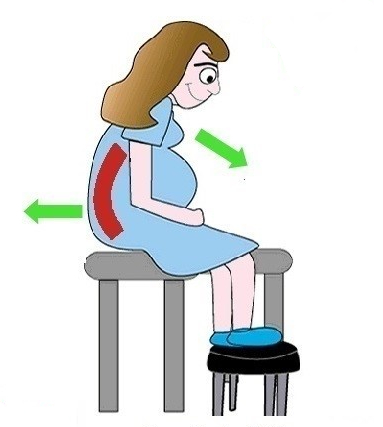
The various positions used usually depend on the condition of the patient. Pregnant women, for instance, are often put into a Sims position (left lateral decubitus, left leg straight, right leg bent), but it may be done with the patient sitting with their back arched, often described as an “angry cat” or “boiled shrimp” position. An epidural chair makes properly positioning patients very simple.

Epidural Pain Relief Injection and Risks to the Patient

For the patient, risks include low blood pressure in 10-20% of patients. There is a 1% risk of intravascular injection, puncture in spinal cord, and failure to block. There is less than 1% risk of infection, headache, bleeding, and allergic reaction. Patients are monitored closely during and after epidural placement, especially delivering. As mentioned, administering an epidural safely and comfortably is of utmost importance in reducing risk, and the EPD has come to play a significant role in this.

Healthcare Worker Safety

Providing epidural pain relief has improved healthcare worker safety as well. Often, a professional (or multiple professionals) are holding a patient in place manually. Pain during labor or from injury may cause a patient to unexpectedly move while receiving an epidural. Or, having an adverse reaction to the epidural may cause the patient to move. Any patient motion requires staff reaction and counter, creating musculoskeletal strain for the professional. The pushing, pulling, tugging, lifting and catching required of the healthcare worker can lead to strain injury instantaneously or over time. Very often, healthcare workers use nearby non-medical equipment like stools chairs and tables when trying to make the patient ready and as comfortable as possible for the injection. These stools, tables, and chairs often have rollers, which then require the healthcare worker to counter any movement with adverse pressure or motion. The necessity of this practice, and the risk of injury that comes with it, while being in common practical use all over the world, has been all but eliminated with the EPD or Epidural Chair. Using the EPD eliminates the physical strain on the professional, thereby eliminating much of the risk to healthcare workers associated with administration of epidurals.

Having the patient in the correct position with an epidural positioning device makes quick and safe epidural administration possible with fewer staff members. By reducing manual patient handling the EPD is a simple yet highly effective device that reduces risks for both patients and healthcare staff.

Improve Epidural Safety with the EPD
CategoriesPatient Handling

Epidural Pain Relief: The Modern Miracle

Pain during labor is inevitable, but it doesn’t have to go untreated. Labor can be much less stressful and even enjoyable with the addition of epidural pain relief to control pain during labor. Aside from saving a mother’s sanity, an epidural can help a mother breathe better through contractions and can reduce anxiety surrounding birth.

What is an Epidural?

Getting an epidural isn’t nearly as scary as it sounds. A highly trained anesthetist will first numb the patient’s back, then insert a catheter for the medication. A needle is used to insert the catheter, but it doesn’t stay in there!

Typically, epidurals contain a drug such as Demerol or morphine. These are inserted into a patient’s back between the disks of the spine to block pain directly at the nerves. These drugs promote rest, relax the body, and allow a mother to renew her energy before it is time to push. For those who want to feel some labor, a lighter form of epidural pain relief, often dubbed a “walking” epidural, is controlled by a button that the patient can press at her own discretion. Despite the name, patients are not able to actually walk with a walking epidural. They may however be better able to reposition themselves in bed.

Positioning and Risks

While epidurals are truly a miracle for new mothers, they do require a touch of finesse. To receive an epidural, the patient must be positioned correctly. While in position, she cannot make any movement without endangering herself, her baby, and medical staff. After all, during the procedure, there is a needle hanging directly around very important nerves. If the positioning is off or the patient moves, there could be dangerous effects.

The most common complication is a spinal headache caused from improper puncture, but other more serious complications can arise such as neural disfunction, and dangerous drops in blood pressure. Additionally, improper positioning can cause a woman to have only partial pain relief or create pain which may lead to repositioning the epidural. It’s best to get the job done right so that it only has to be done once.

These risks are explained to the mother prior to the procedure, and rightfully, the order not to move during placement is stressed repeatedly. This can make the patient nervous, which unfortunately means she may be more likely to jerk involuntarily during the procedure. If done correctly, the patient will feel a quick pop like a bee sting then immediate relief.

Usually, a nurse must hold the patient in position. The patient must relax completely, which leaves the nurse supporting her fully. If the laboring patient moves involuntarily or passes out during the procedure, nursing staff can fall or be injured. If a nurse is assisting in the epidural positioning procedure multiple times in a shift, he or she is at an even higher risk of developing musculoskeletal issues. Of course, a workplace injury could affect a staff member’s performance long term.

Epidural Pain Relief and Reducing Risks

Epidural positioning devices, or EPD, reduce the risk of injury to mother and baby, and also to nursing staff. The epidural chair allows a woman to lean forward comfortably and stably without the need for a nurse to hold her up or prop her with pillows which can slip or compress. EPD include the full epidural chair as well as bedside props with adjustable footrests that accomplish a similar task.

Having the stability of the positioning device is great for staff members, but it can also make the mom in the chair more comfortable and more confident in the procedure. Epidurals are very common, and the use of EPD is becoming increasingly more common as well. More stability and more confidence for both the staff and patient results in a smoother, less stressful, and more successful procedure.

Epidural Chair improves Staff Safety
CategoriesPatient Handling

Epidural Pain Relief and the EPD

Epidural anesthesia blocks pain sensation in a given region of the body and provides analgesia. The EPD improves safety for both staff and patients and increases and comfort for patients. An Epidural blocks impulses from lower spinal segments leading to reduced pain sensation in the lower part of the body. Most epidural pain relief medications are local anesthetics and are administered in combination with opioids like fentanyl.

How Epidural Pain Relief Works?

Local anesthetics are directed into the epidural space. EPD is mainly used during childbirth, management of chronic sciatica and back pain. Specialists will optimize the care to suit the needs of a particular patient.

The spinal cord carries electrical impulses between nerves and the brain. Therefore, injection of local anesthetics into the epidural space of the lower back blocks pain sensation on the leg and pelvic area.

Your anesthetist can assess the amount of feeling lost based on the type and concentration of the administered medications. However, before the effect wears off, you may not move your legs or hands.

The passing of urine will also be a challenge because the sensation that the bladder is full is absent. However, you will have a catheter to help you pass urine while on the epidural.

Preparing for the Procedure

The anesthetist will guide you on how to prepare for an epidural. It is contraindicated in patients with a history of blood clots or conditions affecting the lower back and nervous system. In addition, it is vital to tell the anesthetist if you are on blood thinners like clopidogrel, warfarin, and aspirin. During the process, you may remain awake, but you can also receive a sedative to help you relax.

Epidurals are effective in managing pain during labor. First, the anesthetist will request the patients to lie on their sides for proper medication administration, with their knees drawn up to their tummies and their chin tucked in. The patient can also sit on the bed while leaning forward. All these positions open up the vertebral space.

Epidural Pain Relief and Patient Safety

When it comes to the safe positioning of the patient and reducing risks of injuries to the caregivers like nurses, an epidural positioning device is vital. It reduces medical staff injuries and keeps patients safe. The device is the most widely employed in positioning for a variety of procedures.

The epidural chair is an example of a manual positioning device. It involves the medical staff placing the patient’s feet on the chair first and then inserting pillows underneath the upper body. Patients support their weight on the cushions.

The epidural chair has a solid foundation that can’t move easily. Instead, it provides an adjustable foot platform and locks into position to secure every patient for the procedure.

The device encourages lumbar, thoracic, and cervical flexion. In addition, it helps in epidural pain relief for pain during labor.

Benefits of Epidural Positioning Device

Some of the benefits associated with the device over the manual EPD include:

1. Lowers Risk of Complications

There is an increased risk of complexities because of the unique taxing nature of positioning in epidural procedures and spinal blocks. In the absence of a reliable and ergonomic solution like an epidural positioning device, health workers may have to use their bodies in positioning the patients and ensuring that they are secure.

The latter may cause physical injuries to the health care worker because the patient may become violent due to the intense pain. On the other hand, patients rely on pillows, but they voluntarily move when the pain becomes severe. Hence, compromising the process.

2. Eliminates Risk of Injury

Whether in preoperative settings, operating rooms, or other areas in the hospital, caregivers and nurses are having to manually position the patients for the epidural procedure. It involves the caregiver holding the stool, the table, and the patient using their body during the procedure.

The aim is to reduce movements from patients that may cause injuries. However, the act puts the assistant or nurse in a risky situation and may cause musculoskeletal injuries. Studies have revealed that awkward static holds carried out regularly cause musculoskeletal disorders. Nurses are the number one at risk profession for a MSDO and the EPD is a simple yet highly effective solution to reduce this risk.

The effects of an epidural pain relief wear off within two hours. You will be free of drowsiness associated with general anesthetics.

Reduce Risk Of Injury with the SPH Medical EPD
CategoriesPatient Handling

Epidural or Spinal Block

Epidural Positioning Device Implementation to Improve Patient Outcomes and Healthcare Worker Safety

In the realm of anesthesia, there are many methods to help reduce a patient’s pain and suffering during operations or procedures. It takes an entire team of healthcare professionals to deliver safe and effective anesthesia that produces positive patient outcomes. One of the most common anesthesia types includes epidural anesthesia or spinal block, which is seen in the operating room and the labor and delivery room. The delivery of anesthesia in these modalities is much more technical and requires more staffing in general than general anesthesia. They need the anesthetist and supportive staff to be positioned in respect to the patient to deliver the medication effectively and safely. Patients also understand that they play a role during the anesthesia and must remain completely still during the procedure. The patient’s body habitus also plays a role in how well the patient and supporting staff can get the patient in the correct position.

Epidural anesthesia delivers medication into the area that lies above the epidural sac. Understanding the basic anatomy of the spinal cord and the vertebral column can help understand the positioning of a patient when it comes to the delivery of anesthesia. The epidural sac covers the spinal cord and creates a space where cerebrospinal fluid can nourish and cushion the spinal cord. The vertebrae that help protect the spinal cord have spinous processes that project posteriorly that protect and allow for mobility of the spine. When a patient is flexed, the spinous process angle between each other opens and exposes the spinal cord. The anesthetist can use this position to allow direct access to the Dural sac since the spinous process will be angled up and away in a flexed position.

The spinal cord and vertebral column’s anatomy and function are why epidural anesthesia requires the patient to be in a flexed-knee-to-chest position. The anesthetist will then have access to the spine to deliver the medication at the proper location safely. Often the additional staff is needed to help position the patient. The team who help position the patient can often find themselves in non-ergonomic positions to keep the patient from moving and allowing safe delivery of medication. An often-overlooked factor of patient safety and outcomes is the ergonomics of the staff that are included in procedures. Staff who must repeatedly put their bodies in awkward anatomical positions can put themselves at risk for a musculoskeletal injury. This can affect patient outcomes down the road if staff are not able to perform functions necessary for their task because of a musculoskeletal disorder.

A lot of research is being invested in staff ergonomics and safety to aid in improving patient outcomes. With respect to epidurals and similar procedures requiring patient positioning, an Epidural Positioner Device, or EPD, has been developed to provide safety to both the patient and the healthcare staff. Epidural positioning device benefits patient outcomes by allowing for safe and fast positioning of the patient. It can also be adjusted with respect to the patient’s body habitus. From the user standpoint, there are less movement and fewer complications with regards to catheter placement. The Epidural Positioner can also be used in settings that require the patient to be in a similar position, such as a Spinal Block. In a Spinal Block, the medication is administered within the Dural sac, whereas in an epidural, the medicine is administered just above the Dural sac. Both procedures require the patient to be in the same position, which allows the epidural positioning to be used in either setting.

The Epidural or Spinal Block and Thoracentesis

The Epidural Positioner has also found its way into Thoracentesis. This is a procedure where fluid from the thoracic is removed either for therapeutics or diagnostic studies. Allowing the patient to be placed in a less mobile position will enable the proceduralist to safely perform the Thoracentesis without injury to vital structures such as the lung. This device shows its promising advancement in patient outcomes when it comes to improving staff ergonomics and safety. It takes an entire medical team to take care of a patient. It is of utmost importance for any organization to seriously take the safety and health of each of its staff members.

Considering the EPD implementation, patient outcomes can be improved and allow for procedures to be carried out safely, effectively, and rapidly to help reduce negative outcomes and financial burdens to the healthcare system. In the realm of epidural or spinal block, pain and suffering can be reduced in the labor and delivery floor and in the operating suite. In diagnostic procedures like the spinal tap, a safer collection of specimens can be carried out while decreasing the risk of harming the patient during studies. In Thoracentesis, healthcare professionals can perform therapeutic procedures at a more effective and expedited timeline requiring less staff to hold the patient. Overall, the EPD or devices like it may find their way into other procedures to help decrease the risk of Musculoskeletal disorders and injuries to users and provide safe and effective healthcare.

CategoriesPatient Handling

Epidural Safety for Patients and Staff

What is Epidural Safety?

Epidural Analgesia’s are used to reduce or completely eliminate pain. It is when the doctor inserts opioids or local anesthesia in their patient’s epidural space, which blocks the nerve roots. Staff and patients can be protected from injury when exercising epidural safety during this procedure.

Local anesthesia can include opioids such as morphine, hydromorphone, and fentanyl or drugs of a different class such as mepivacaine, lidocaine, bupivacaine, and ropivacaine. Mepivacaine and lidocaine can last up to 2.5 hours. Bupivacaine and ropivacaine are the options of choice for continuous epidural effusion because they last 4 to 7 hours. The walking epidural is a mix of narcotics, epinephrine, and local anesthesia that the doctor inserts into the patient’s epidural space.

Epidural Analgesia’s are often used during child birth to assist the woman in managing her pain. They are also utilized during surgery to numb the patient. Epidurals are often effective in blocking pain from the waist down. Their dosage is calculated by an anesthesiologist based on the type of epidural and how much of the patient needs to be numbed. They can eliminate pain for people in short term or long term situations.

Common Applications

Epidurals come in different types, depending on what they are being used for. Childbirth uses the standard epidural and the combined spinal epidural, which is also called the walking epidural. The walking epidural involves the administration needle coming in contact with the fluid around the spinal cord, whereas the needle does not meet the fluid around the spinal cord in the standard epidural.

The Benefits for Patients and Nurses

The benefits of having an epidural are plentiful. The walking epidural is beneficial because it allows for the mother to still have an awareness of the lower half of her body when giving birth. This allows the patient and nurse to coordinate the rhythm of her pushes. A walking epidural may or may not allow the mother to do cat and cow stretches. The standard epidural is beneficial because it completely eliminates feeling, which can avoid patients going into shock during invasive surgery, trauma, or child birth.

Epidural Safety and the Risks of Epidurals

The risks for patients when getting either type of epidural are low blood pressure, being mandated to stay in bed, and having to rely on a catheter. The catheter can cause problems such as the rare case of hematoma, epidural abscess, postdural puncture syndrome, and infection at the site of insertion.

Standard epidurals leave the patient with no feeling in the lower extremities, which can prevent the ability to shift in bed and the ability to move the baby into a more favorable position when birthing. Standard epidurals also involve the risk of local anesthetic toxicity, which can present with irritability, seizures, circumoral paresthesia, dysgeusia, cardiac dysrhythmias, tremors, and tinnitus.

The drugs used for epidurals can also have side effects on the patient. The opioids commonly used can cause nausea, vomiting, respiratory depression, decreased levels of consciousness, and the excessive itchiness all over the body.

Nurses and medical personnel are at risk for getting injuries when administering epidurals as well. Positioning the patient correctly and supporting them while administering the epidural can be a potentially dangerous task. This has typically been a manual process of holding and supporting the patient. Manual patient handling is the cause of many back injuries for nurses across the country as well as strains and sprains. Musculoskeletal Disorders The Epidural Positioning Device is a key tool to keep the patient and doctor safe. It assists patients with maintaining the optimal position for their epidural to be administered. This is because it supports cervical, thoracic, and lumbar flexion. This positioning is essential because a patient can be paralyzed if they were to slip out of position while the needle was injected. The chair prevents doctors and staff from straining as well. It also allows patients more personal space, as opposed to traditional methods of epidural safety administration.

Add to cart