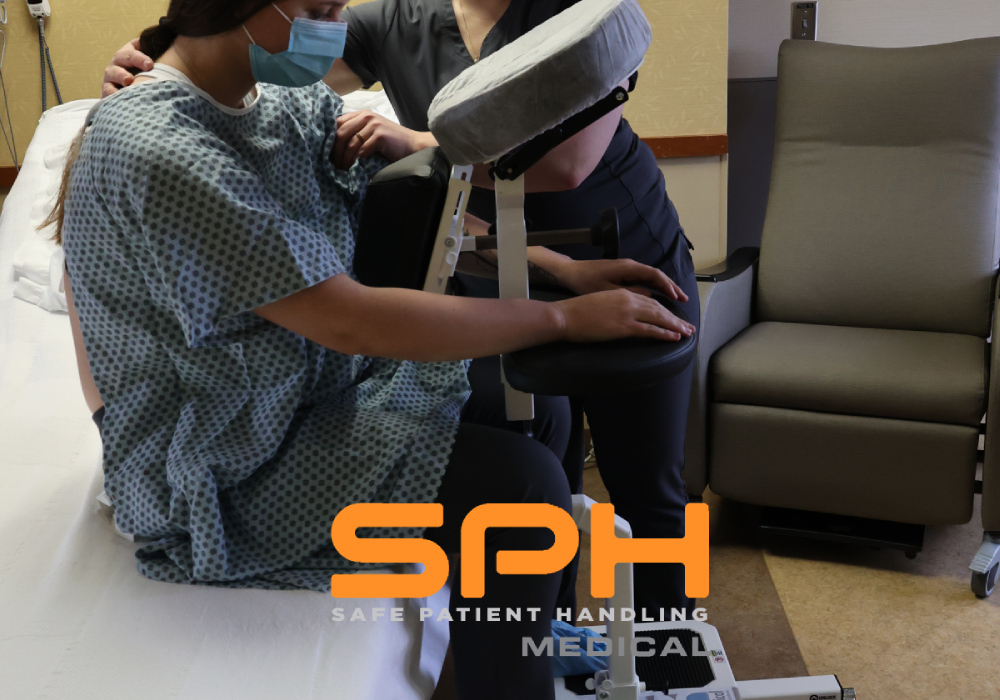
Improve Safety with the EPD by SPH Medical
CategoriesPatient Handling

The Epidural Chair: Maximizing Safety and Precision

The Definitive Standard for Patient Positioning: Maximizing Safety and Precision with the Epidural Chair

Precise patient positioning is the absolute cornerstone of successful interventional procedures. Whether an anesthesiologist is placing an epidural in a bustling delivery ward or a radiologist is performing a delicate spinal block, the margin for error is nonexistent. For decades, healthcare professionals have relied on outdated, unsafe methods to achieve this positioning. Nurses and physical therapists are routinely forced to act as “human props,” manually holding patients upright and still.

This outdated approach puts everyone at risk. Manual patient handling leads to severe musculoskeletal injuries for staff, while unstable positioning compromises procedural accuracy for physicians. Biomechanical testing consistently confirms the extreme dangers of manual patient handling compared to the use of highly engineered assistive devices.

The ultimate solution to this critical challenge is the Epidural Chair. This highly advanced, uniquely engineered device represents the most innovative and comprehensive approach to patient positioning. It is designed to enhance patient safety, completely protect healthcare staff from injury, and guarantee unmatched procedural precision across multiple hospital departments.

Engineered for Excellence: Core Features of the Epidural Chair

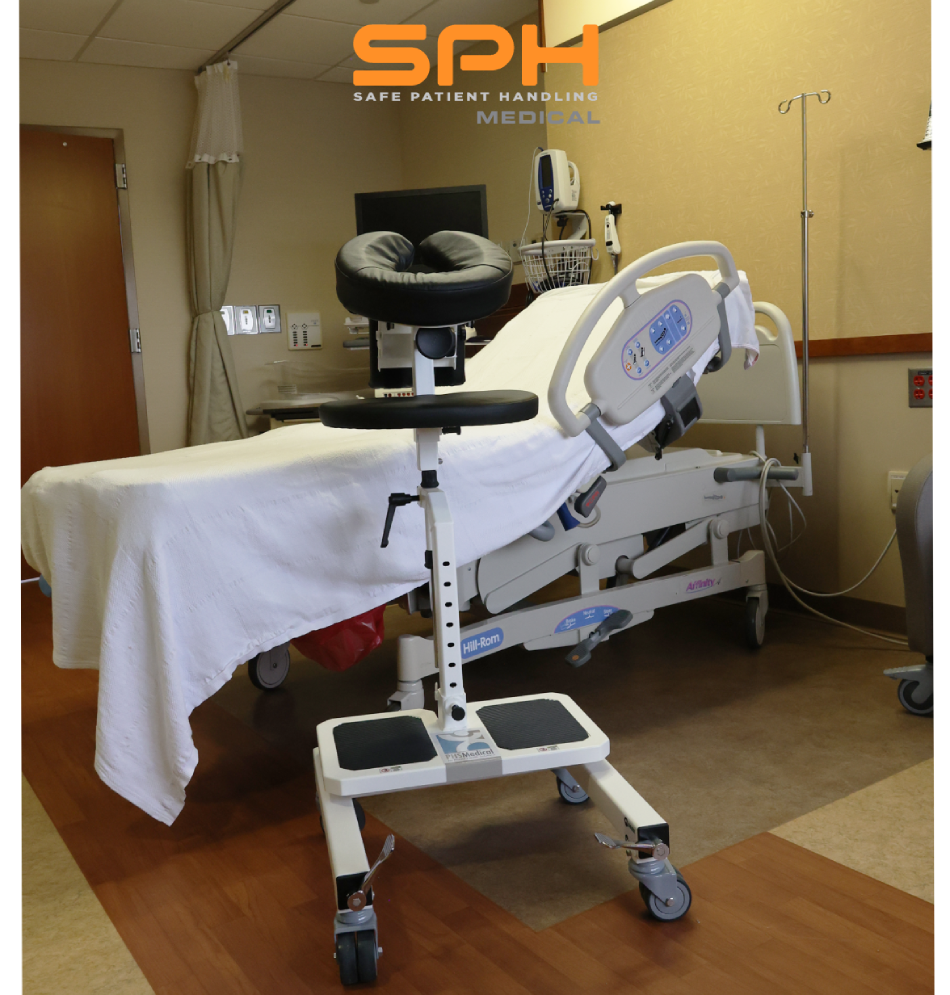
The Epidural Chair replaces the dangerous instability of bedside tables and stacked pillows with a rock-solid, mechanically sound platform. It provides the highest level of support for patients while completely removing the physical burden from your nursing staff.

Unmatched Ergonomic Support

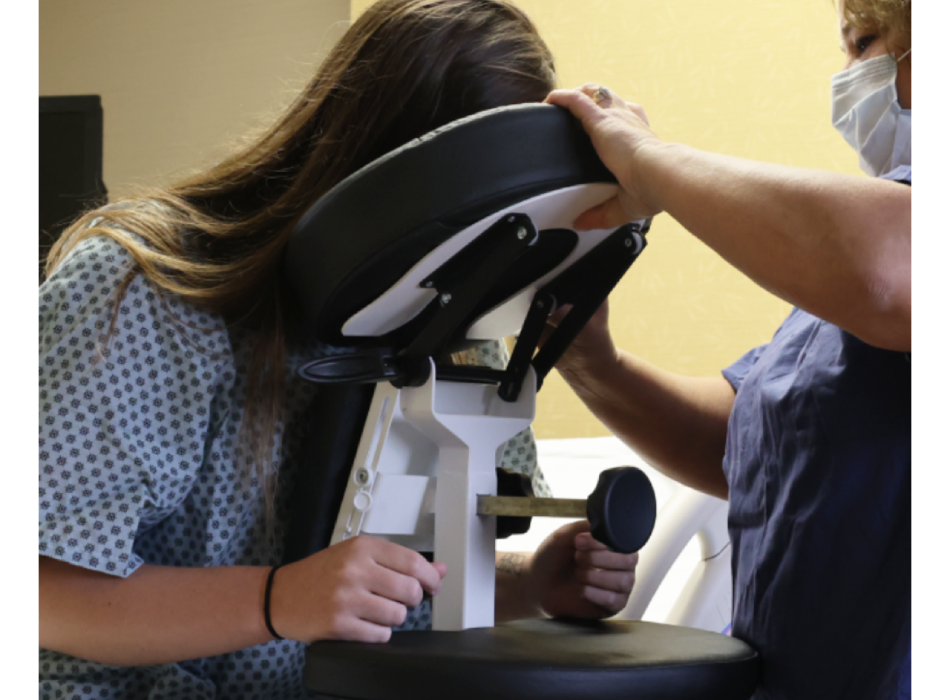
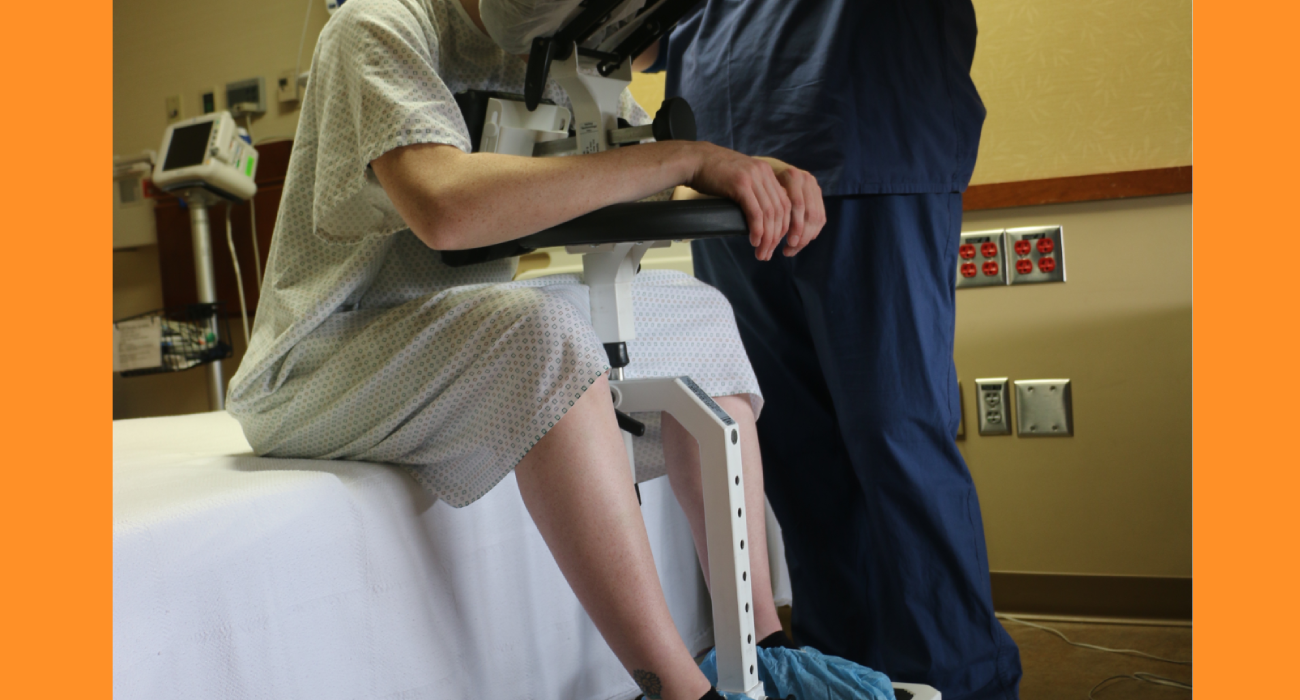
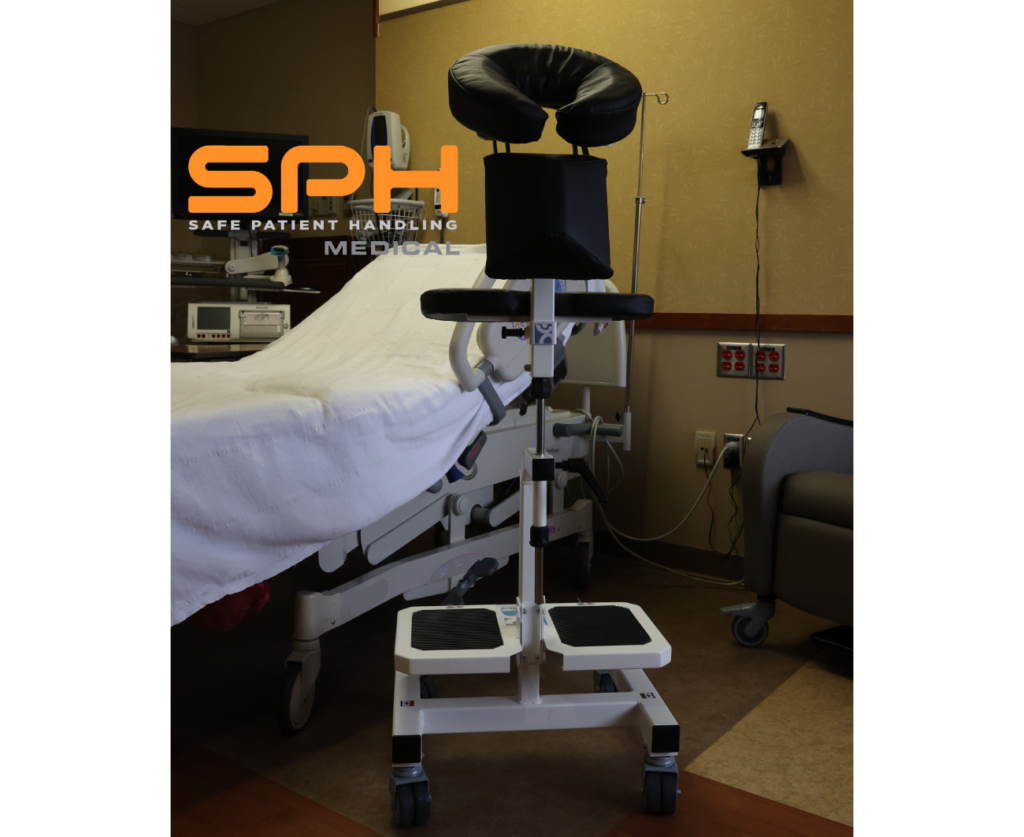
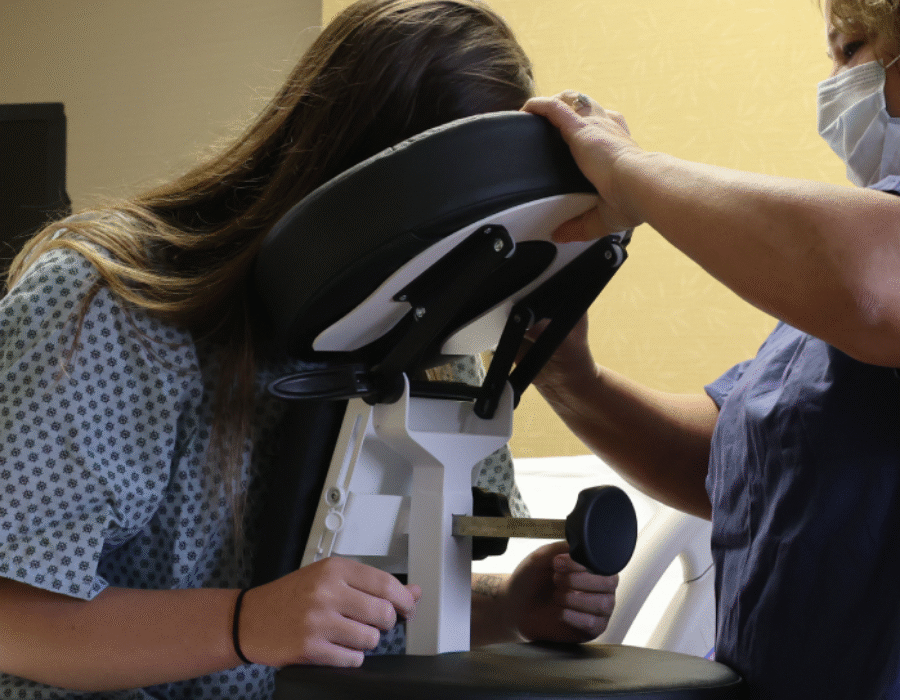
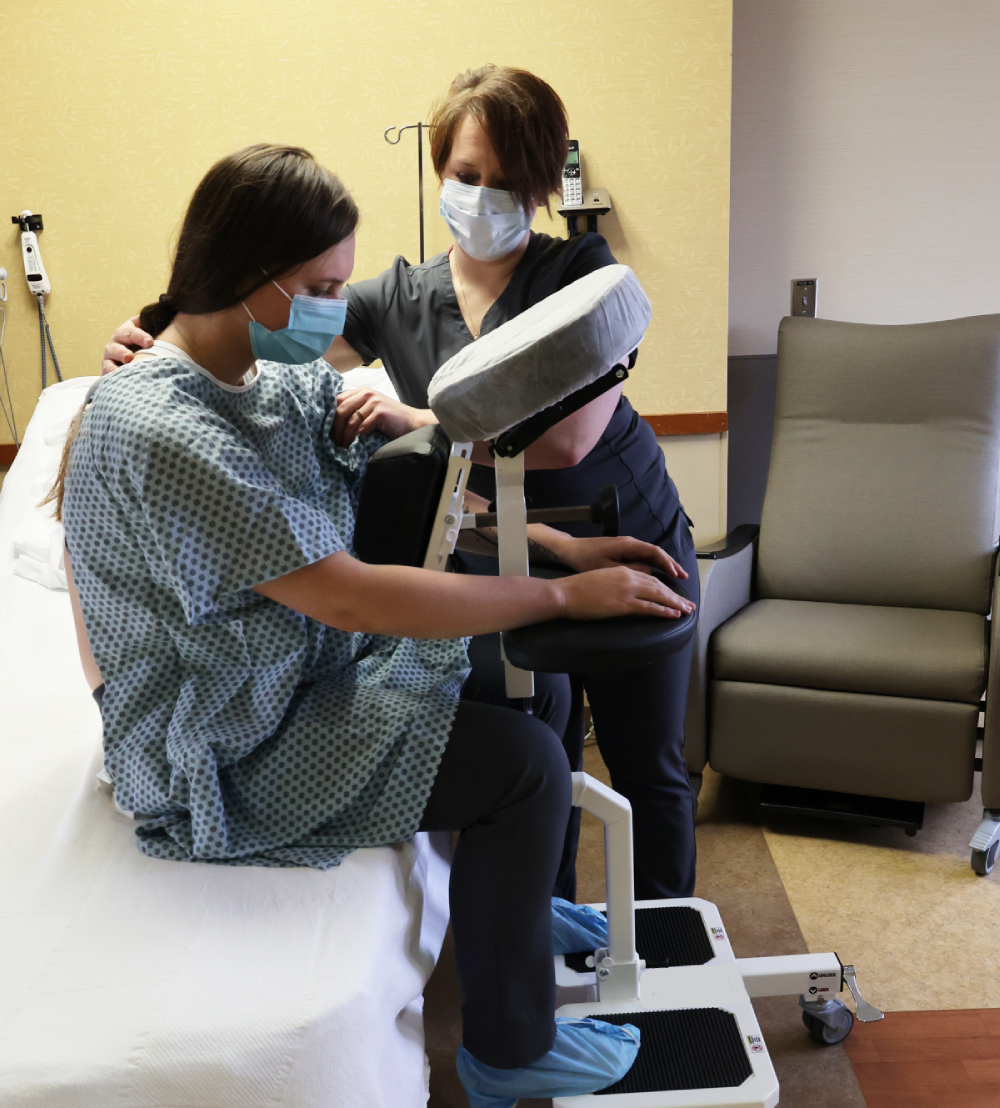
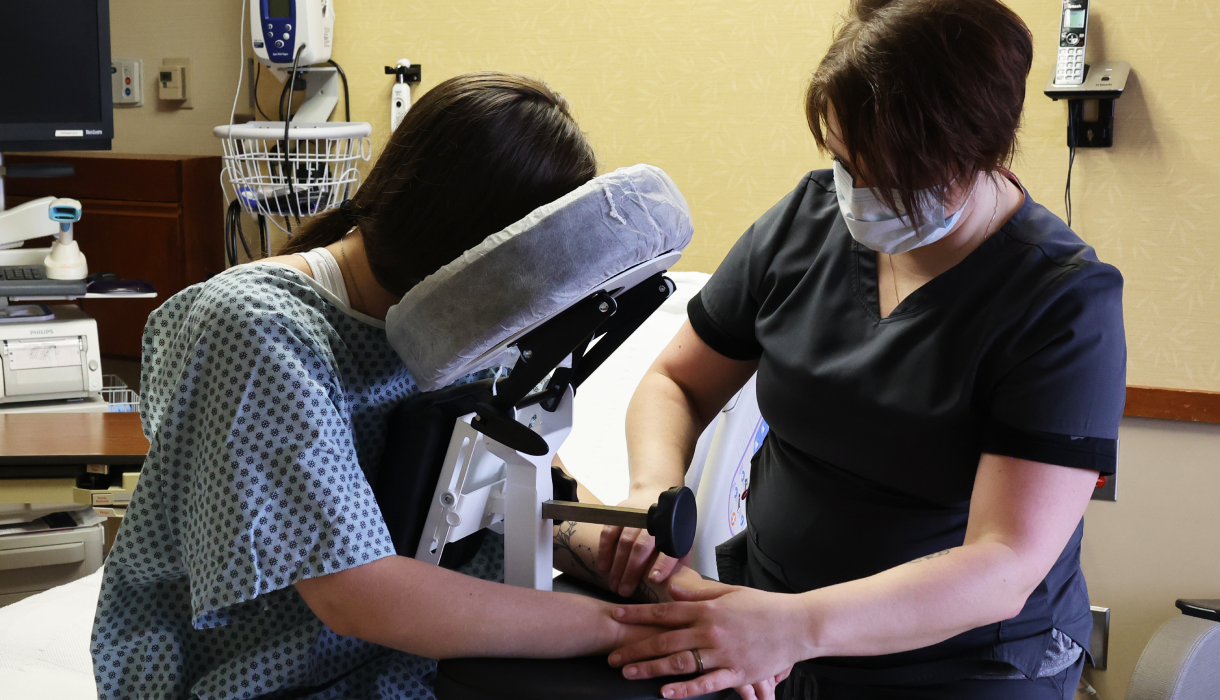
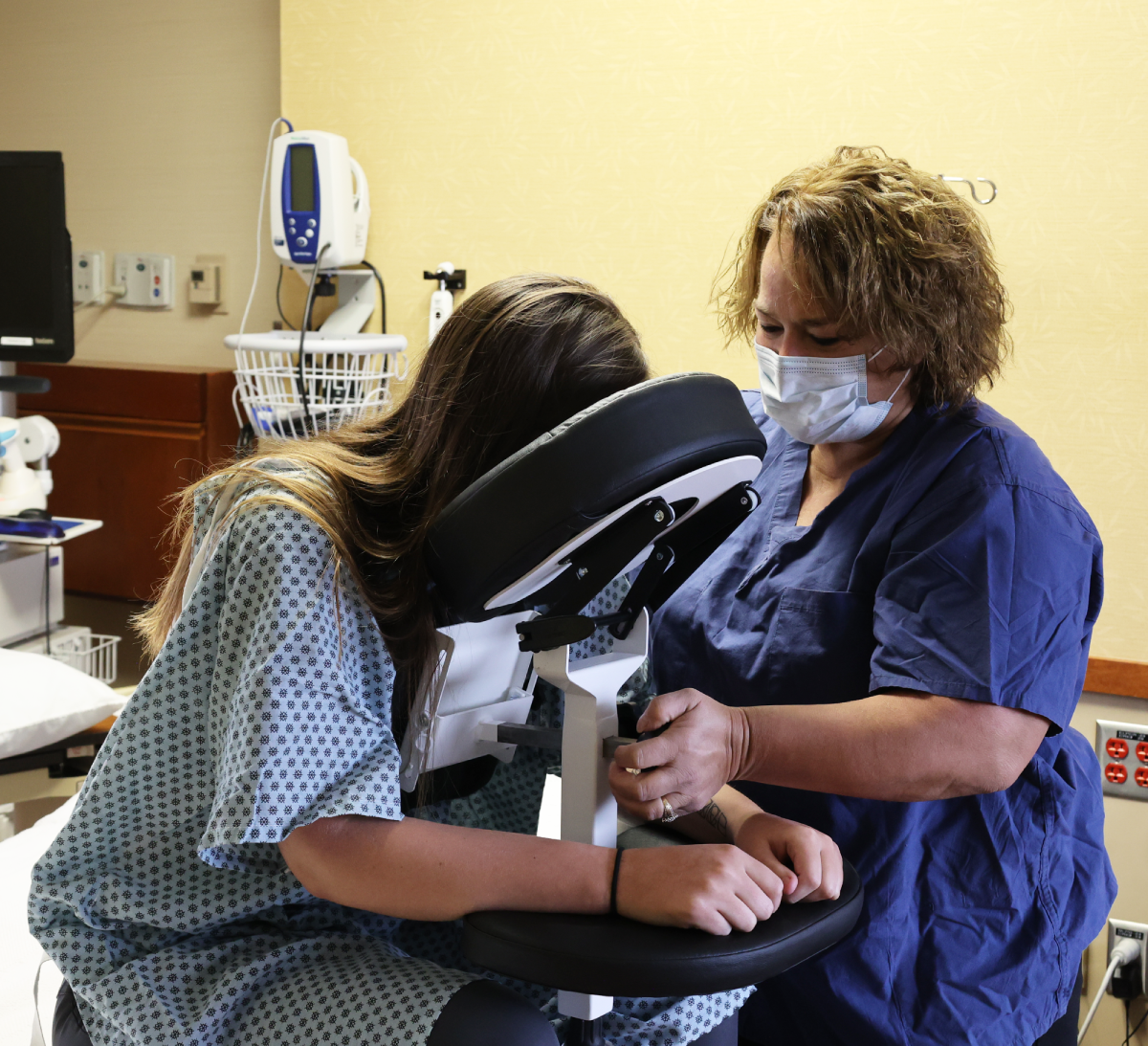
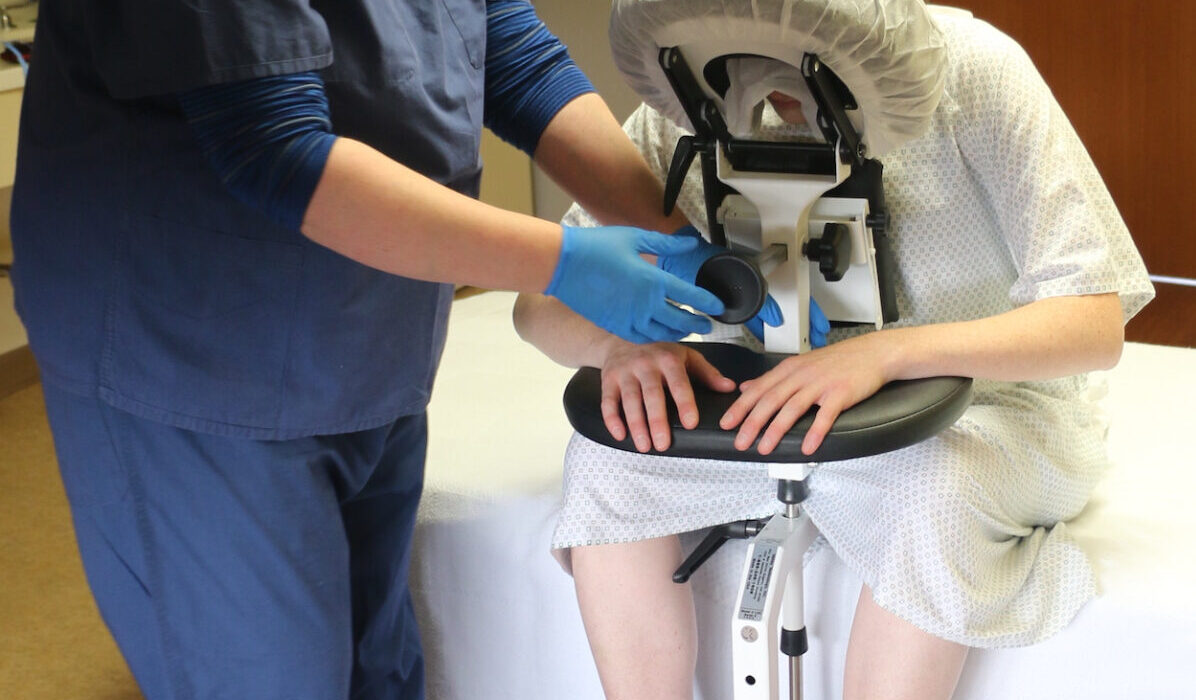
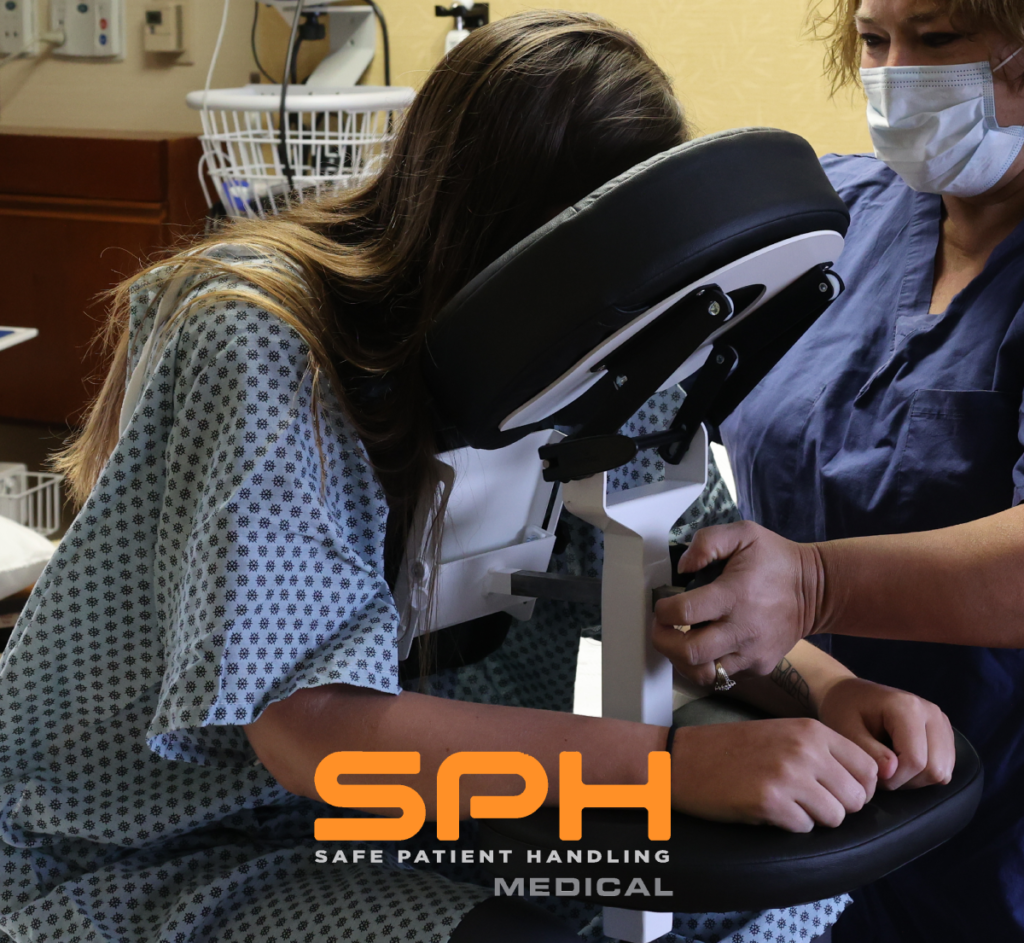
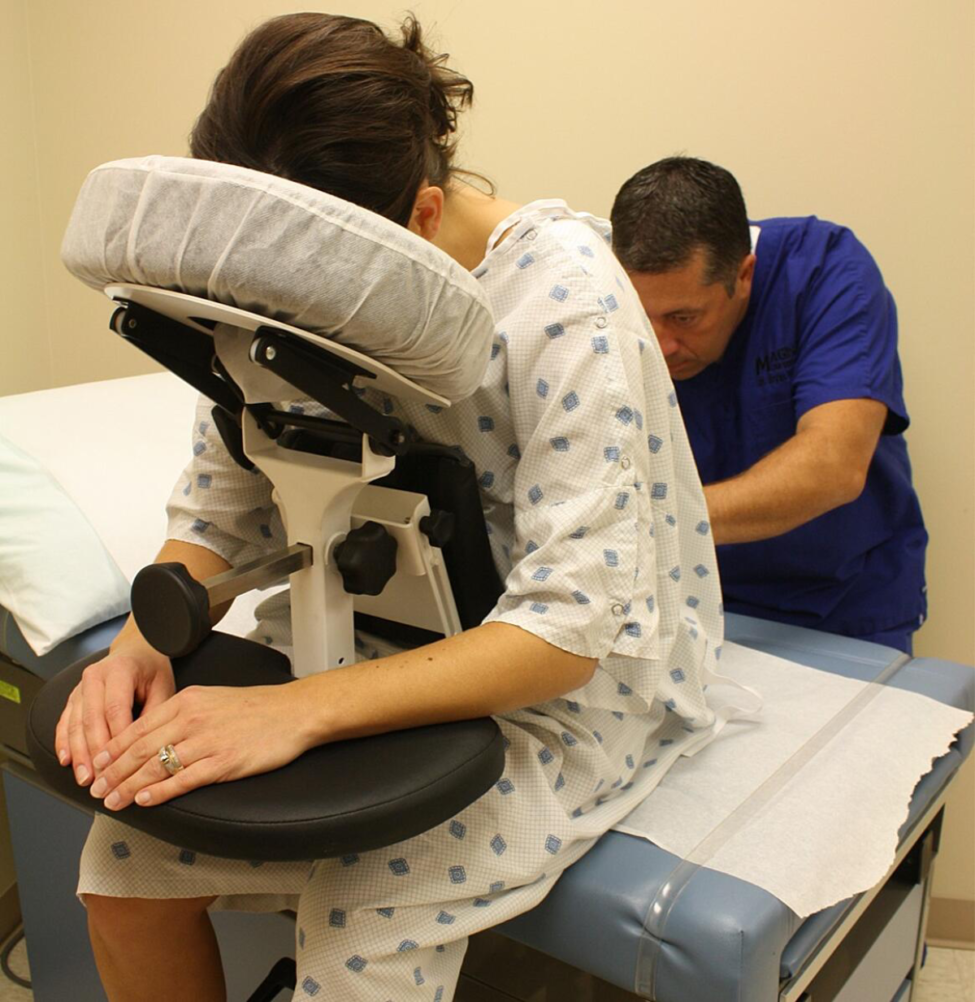
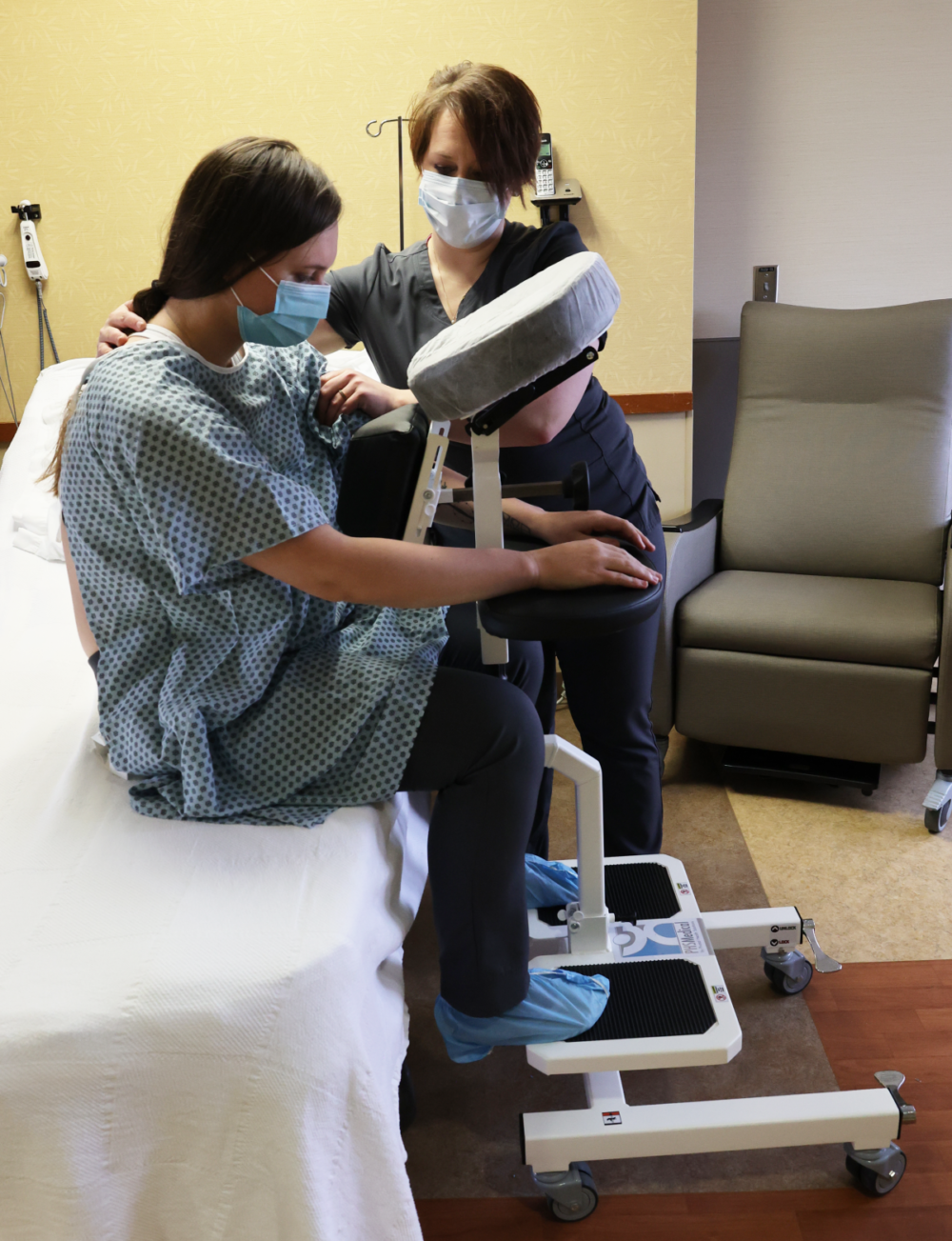
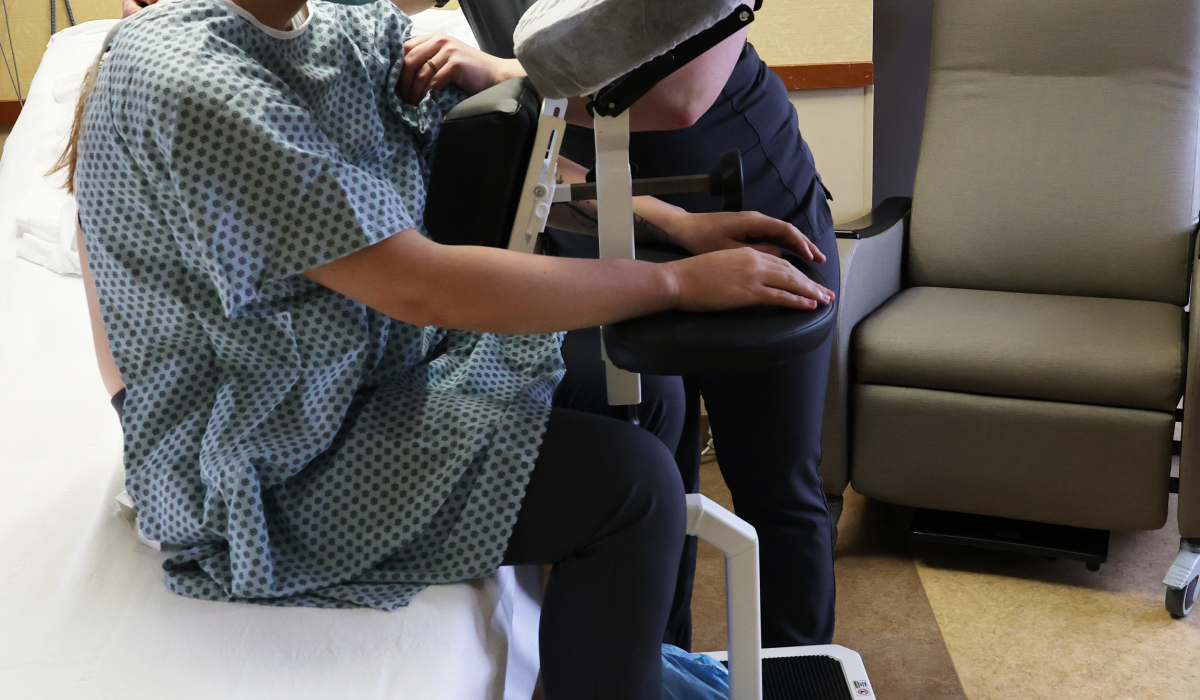
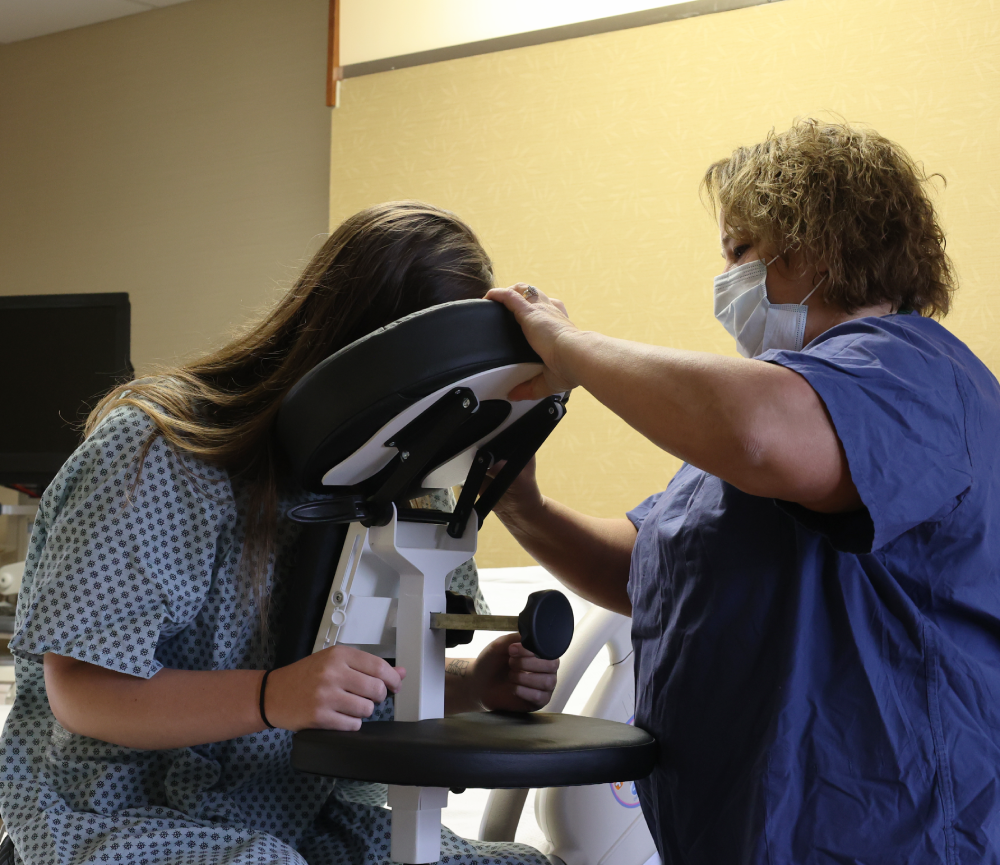
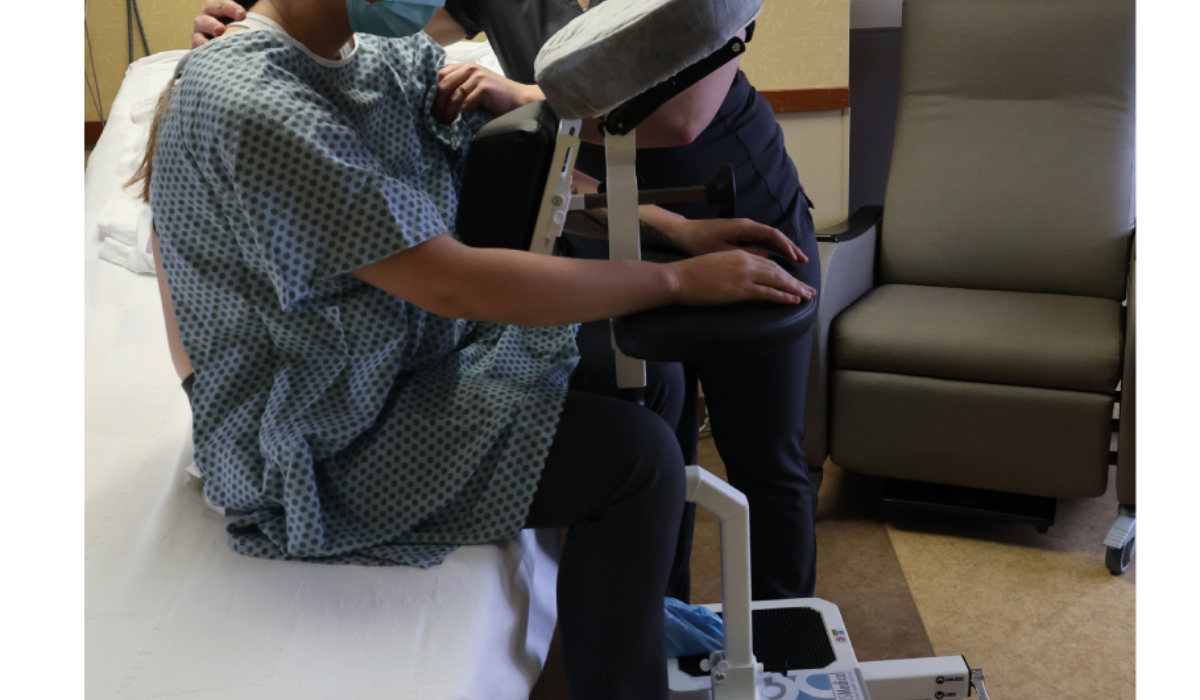
Every patient has a unique anatomy, and the Epidural Chair adapts to them flawlessly. The device features fully adjustable chest, arm, and head supports. These components easily conform to any patient size or shape, seamlessly and naturally opening the intervertebral spaces. By providing a comfortable, forward-leaning posture, the chair allows the spine to flex optimally for needle insertion.

Furthermore, hospitals are seeing a significant increase in bariatric patients. Standard positioning methods fail completely with this demographic, placing extreme physical strain on staff. The Epidural Chair features a heavy-duty, bariatric-capable construction. It safely and comfortably supports larger patients, ensuring that your facility is fully equipped to provide equitable, high-quality care to every individual who walks through your doors.

Maximum Stability and Security

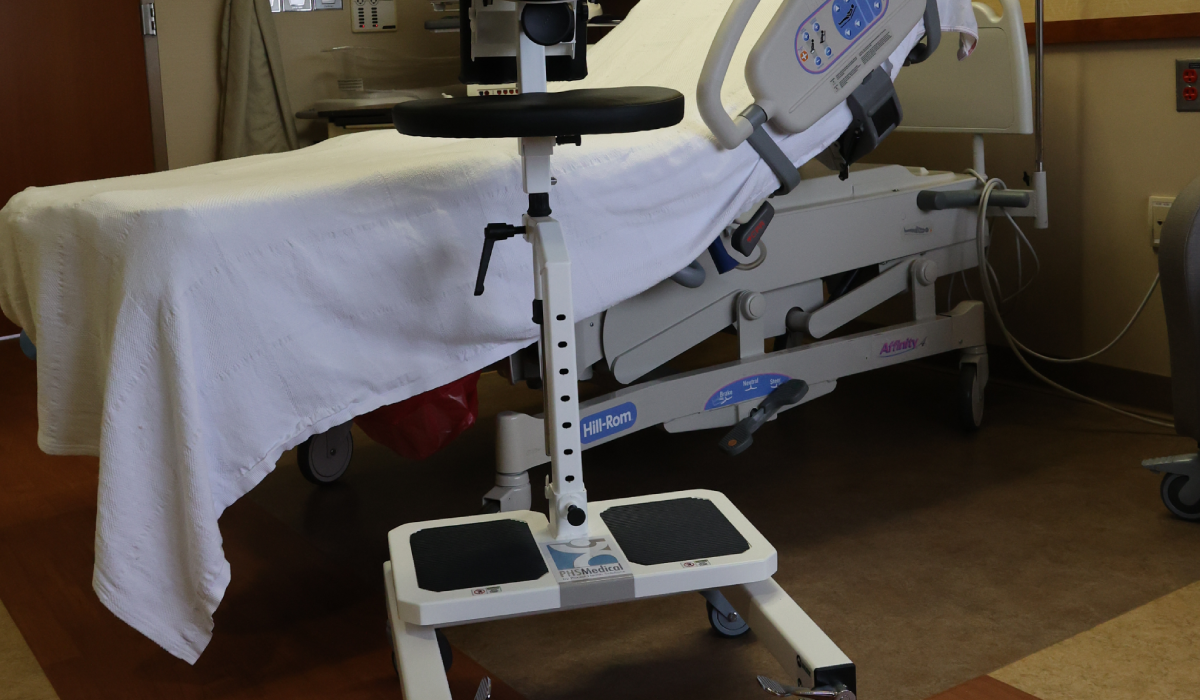
Stability is the most critical factor during any spinal procedure. The Epidural Chair delivers maximum security through its medical-grade locking casters. Once positioned, these heavy-duty casters lock the chair firmly in place. It will not roll, shift, or slide, providing a completely immovable foundation during the exact moment of needle insertion.

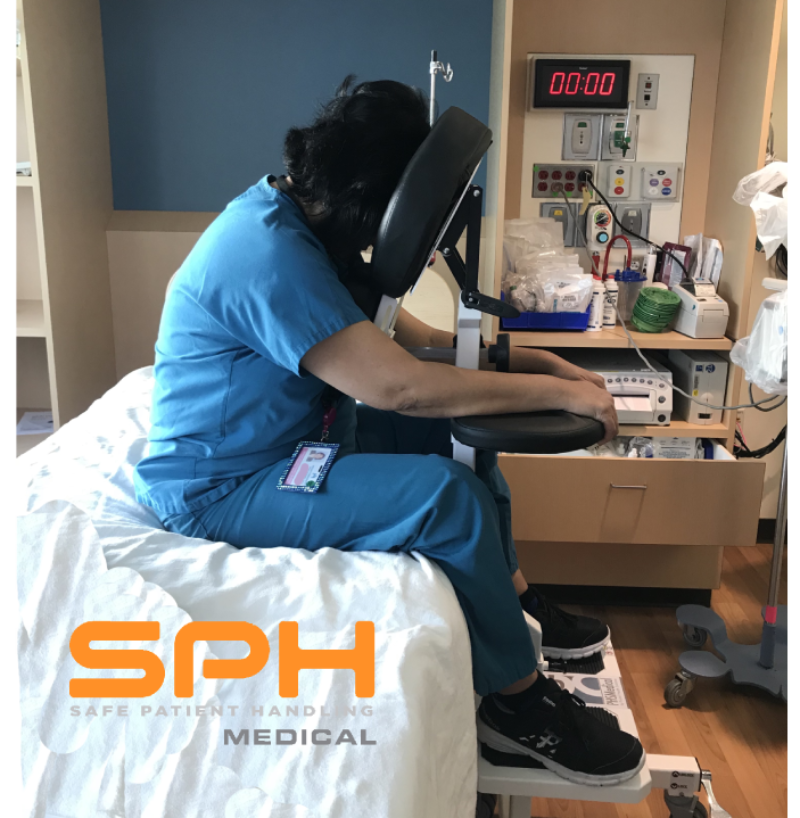
Coupled with this stability is an incredibly intuitive design. The user-friendly interface allows staff to set up the chair and adjust the supports rapidly. This reduces physical strain, saves critical time during emergencies, and ensures that the equipment is actually used by staff, thereby driving up compliance with your facility’s safety protocols.SPH Medical EPD improves comfort and stability

Transforming Care in Labor & Delivery (L&D)

The Labor and Delivery department is one of the most demanding environments in any hospital. Expectant mothers require rapid, effective pain management, and the epidural placement process must be flawlessly executed.

Superior Epidural Placement

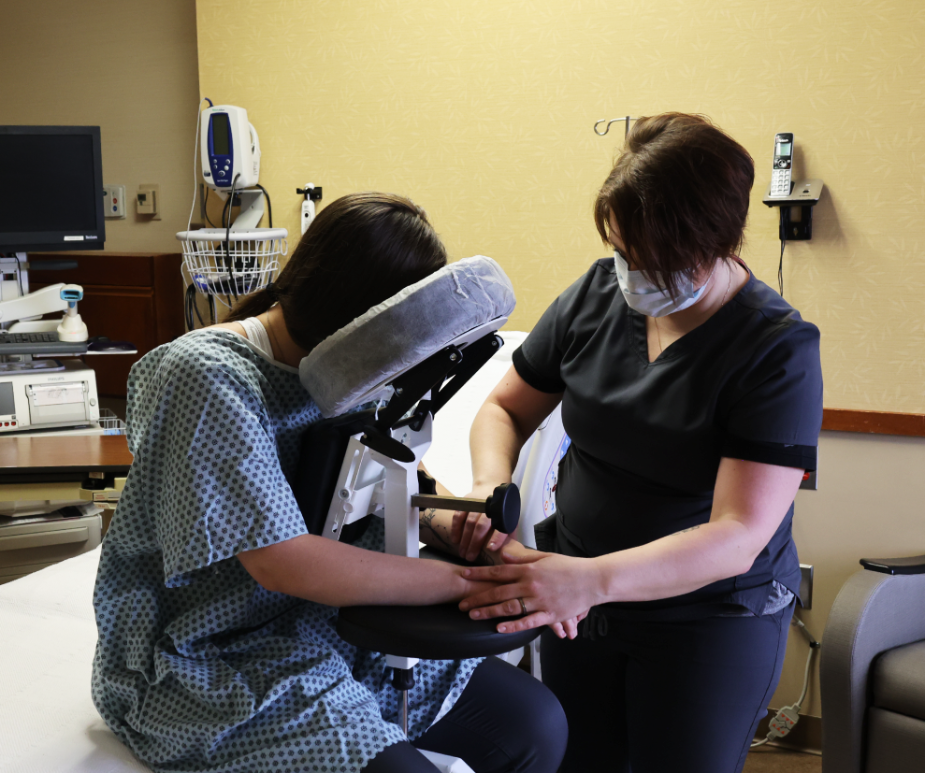
Placing an epidural in a patient experiencing severe contractions is incredibly challenging. The Epidural Chair safely guides expectant mothers into the exact posture needed for seamless epidural placement. The adjustable chest and arm supports give the patient a secure place to lean and rest her weight. This highly supportive resting place significantly reduces maternal anxiety. When a patient feels physically secure, she can relax her muscles more easily, which widens the spinal spaces and allows the anesthesiologist to work with unparalleled precision.

Eliminating the “Human Prop”

In L&D, nurses frequently suffer severe back and shoulder injuries from trying to hold patients perfectly still through painful contractions. The Epidural Chair entirely eliminates the need for L&D nurses to physically support the weight of the patient. By removing the nurse from the role of a “human prop,” hospitals directly align their practices with the rigorous Safe Patient Handling and Mobility (SPHM) standards set by the American Nurses Association (ANA) and the Association of perioperative Registered Nurses (AORN). Protecting your nurses is paramount, and this device is the ultimate tool for injury prevention in the L&D unit.

Enhancing Efficiency in the Operating Room (OR)

In the Operating Room, time is incredibly valuable. Delays in anesthesia directly impact the entire surgical schedule, leading to massive financial inefficiencies and prolonged patient fasting.

Streamlining Spinal Blocks

The Epidural Chair dramatically streamlines the administration of spinal blocks. It facilitates quick, standardized positioning for spinal anesthesia prior to surgery. Because the chair is intuitive and fast to adjust, the OR team can achieve the perfect patient posture in seconds. This keeps the OR schedule running smoothly and efficiently, directly aligning with your hospital’s performance and process improvement goals.

Empowering Anesthesiologists

Anesthesiologists require absolute target stability. When patients are mechanically stabilized by the Epidural Chair, anesthesiologists experience significantly higher first-attempt success rates. The sturdy platform prevents the patient from flinching or shifting away from the needle. This precision drastically reduces the risk of complications, prevents traumatic taps, and ensures the anesthesia takes effect quickly and safely.

Ensuring Precision in Imaging Departments

Diagnostic and interventional imaging require a different kind of endurance. Patients must often hold completely still for extended periods while heavily specialized equipment is utilized.

Crystal-Clear Diagnostics

Whether performing fluoroscopy-guided injections or specialized ultrasound procedures, the critical need for stationary positioning cannot be overstated. Any patient movement degrades the image quality, requiring procedures to be repeated and exposing patients to unnecessary radiation. The locking casters and rigid frame of the Epidural Chair ensure absolute immobility, leading to crystal-clear diagnostic imaging the very first time.

Patient Comfort During Delays

Imaging departments often face scheduling delays. Keeping a patient positioned perfectly while waiting for a room or a physician can lead to severe patient fatigue. The Epidural Chair features a highly padded, ergonomic design that prevents muscle fatigue and ischemic pain during these longer sessions. Comfortable patients are compliant patients. They remain still throughout the entire process, which improves the overall speed and success of the imaging department.

The Comprehensive Benefits: Safety, Comfort, and Outcomes

Implementing the Epidural Chair is a strategic investment that delivers massive returns across the entire healthcare continuum. It touches every key success indicator your facility monitors.

Staff Safety and Cost Reduction

Staff injuries are on the rise, and they require immediate intervention. The Epidural Chair delivers measurable risk reduction. By eliminating manual patient holding, you instantly decrease the incidence and severity of staff musculoskeletal injuries. This leads directly to a massive reduction in workers’ compensation claims and costly lost work days. Protecting your staff saves your facility money and preserves your highly skilled workforce.

Enhanced Patient Outcomes

Patient safety and comfort translate directly to clinical excellence. Patients who are securely supported experience far less procedural trauma and anxiety. The precision enabled by the chair reduces the length of procedures, which in turn helps reduce the overall length of hospital stays. Furthermore, eliminating the localized pressure points caused by improper positioning aids in pressure ulcer prevention. Ultimately, providing a comfortable, secure experience drives your patient satisfaction scores higher.

The evidence is clear and overwhelming. The era of manual patient positioning and dangerous makeshift solutions is over. The Epidural Chair is the definitive, non-negotiable standard of care for any modern healthcare facility performing epidurals, spinal blocks, or interventional imaging.

Transitioning to the engineered stability of the Epidural Chair is the most effective way to protect your nurses, empower your physicians, and secure the highest quality of care for your patients. Facility leaders and safety coordinators must commit to safety and prioritize this vital equipment immediately.

Do not wait for another staff injury or compromised procedure to prompt action. Elevate your standard of care today. Contact SPH Medical to request a quote, schedule an interactive demonstration, and discover exactly how the Epidural Chair will immediately maximize safety and precision in your facility.

Improve safety during Thoracentesis with the SPH Medical EPD
CategoriesPatient Handling

Enhancing Thoracentesis Safety with the EPD

The EPD enhances safety during thoracentesis and is a game changer for this and many other procedures. Precise patient positioning is the absolute cornerstone of successful interventional procedures. Whether it is a thoracentesis, a lumbar puncture, or a spinal block, the margin for error is nonexistent.

For years, healthcare professionals have relied on makeshift solutions—stacks of pillows on rickety bedside tables or manual support from a nurse—to position patients. These outdated methods are unstable, unprofessional, and dangerous for both the patient and the medical staff.

The evolution of safe patient handling demands a superior solution. The Epidural Positioning Device (EPD), widely known as the “Epidural Chair,” has emerged as the definitive standard for safely supporting patients during these critical procedures. By providing a rock-solid, mechanically stable platform, the EPD allows physicians to operate with unmatched precision while eliminating the ergonomic risks associated with manual patient support.

The Critical Role of Stability in Thoracentesis

Thoracentesis the removal of fluid or air from the pleural space—requires the patient to remain perfectly still in an upright, forward-leaning position. This posture is essential to widen the intercostal spaces, allowing the pulmonologist or interventional radiologist safe access for needle insertion.

Achieving and maintaining this position is a significant challenge, particularly for patients who are sedated, weak, or obese. In the past, this was managed by having a staff member physically hold the patient up or by leaning the patient onto a rolling bedside table piled high with pillows. Neither option offers true stability. A bedside table can roll away, and pillows compress over time, shifting the patient’s anatomy mid-procedure.

EPD provides stability during Thoracentesis

High-Volume Departments Require High-Performance Tools

While often associated with bedside care, thoracentesis is frequently performed in high-volume specialty departments where precision is paramount:

  • Interventional Radiology (IR): In IR, image guidance is used to direct the needle. Any patient movement blurs imaging and risks complications. The EPD locks in place, ensuring the absolute immobility required for accurate needle placement.
  • Diagnostic Imaging and Ultrasound: precise fluid localization relies on the patient maintaining a consistent posture. The EPD standardizes this positioning, reducing procedure time and improving diagnostic accuracy.

Precision for Pulmonologists and Anesthesiologists

For the physician performing the procedure, the stability of the target area is everything. Pulmonologists performing thoracentesis and anesthesiologists placing epidurals or spinal blocks rely on tactile feedback and anatomical landmarks. If the patient shifts, landmarks are lost, and the risk of a traumatic tap or pneumothorax increases.

The Epidural Positioning Device transforms the procedural environment. It provides a rigid, adjustable platform that supports the patient’s weight entirely. This mechanical support allows the patient to relax their spinal and paraspinal muscles, which naturally widens the vertebral spaces and opens the rib cage.

When the patient is mechanically stabilized, the physician can focus entirely on the procedure without worrying that the patient might slump or move unexpectedly. This stability directly translates to higher first-attempt success rates, reduced procedural time, and minimized patient discomfort.

The EPD: A Multi-Disciplinary Solution

The versatility of the EPD extends far beyond its name. While it revolutionized epidural placement in Labor and Delivery, it is now an essential tool across the surgical and medical continuum.

Engineered for Every Patient Anatomy

One of the most significant challenges in modern healthcare is the increasing prevalence of bariatric patients. Manual positioning of a bariatric patient for a spinal procedure is physically demanding and often ineffective. The EPD is engineered to accommodate patients of all sizes, with a weight capacity that supports bariatric populations safely.

The device features adjustable chest, arm, and head supports that can be tailored to the individual patient’s anatomy.

  • For Thoracentesis: The chest support allows for a comfortable forward lean that opens the posterior chest wall.
  • For Lumbar Punctures: The footrest and arm support encourage the necessary spinal flexion to open the lumbar vertebrae.
  • For Spinal Blocks: In surgical departments, the EPD ensures rapid, safe positioning before surgery, keeping the operating room schedule on track.

Improving Safety with the Epidural Chair for Thoracentesis

Mitigating Risk: A Crucial Component of Safe Patient Handling

The most overlooked danger in these procedures is the risk to the nursing or radiology staff. In the absence of an EPD, a nurse or medical assistant is often tasked with acting as a “human prop,” manually supporting the patient’s weight to keep them upright.

The Dangers of Static Load

Holding a sedated or heavy patient in a static position creates a massive “static load” on the staff member’s musculoskeletal system. This type of exertion is a leading cause of back and shoulder injuries among healthcare workers. It is physically impossible for a staff member to maintain a static hold with the same rigidity as a steel frame. Eventually, muscles fatigue, the hold slips, and both the staff member and patient are at risk.

Eliminating the “Rickety Table”

The practice of using an unlocked bedside table is a liability. If a patient leans too far, the table can roll, leading to a fall or a needle-stick injury. The EPD features locking casters and a solid, weighted base that does not move.

Implementing the EPD is not just a clinical upgrade; it is a necessary engineering control within a facility’s Safe Patient Handling (SPH) program. It aligns with safety standards set by the ANA and AORN, protecting staff from preventable injuries and reducing workers’ compensation claims.

Operational Efficiency and Patient Experience

Beyond safety, the EPD drives operational efficiency. Scavenging for pillows and trying to lock a broken bedside table wastes valuable time. The EPD is always ready. It can be set up in seconds, streamlining workflow in busy IR and Imaging departments.

From the patient’s perspective, the difference is palpable. Resting on a secure, purpose-built chair feels professional and safe. Clinging to a stack of pillows feels precarious. Patients who feel secure are less anxious, more cooperative, and report higher satisfaction scores.

The era of manual patient support and makeshift positioning is over. The Epidural Positioning Device is the undisputed standard of care for thoracentesis, epidurals, and spinal punctures. It provides the stability physicians need for precision, the comfort patients deserve, and the protection staff members require.

Facilities that fail to adopt this technology are accepting unnecessary liability and compromising clinical outcomes. It is time to elevate the standard of care in your Interventional Radiology, Imaging, and Surgical departments.

Do not compromise on safety. Equip your facility with the industry-leading solution for patient positioning. Request a quote from SPH Medical today to implement the Epidural Positioning Device and secure the safety of your patients and staff.

SPH Medical's Epidural Positioning Chair
CategoriesPatient Handling

Epidural Positioning Chair: Enhance Patient Comfort & Satisfaction

The SPH Medical Epidural Positioning Chair is improving patient satisfaction across the country. Procedural anxiety is a universal challenge in healthcare. For patients undergoing spinal blocks, epidurals, or thoracentesis, the fear of pain is often compounded by physical discomfort. It’s not easy to maintain a rigid, awkward position for minutes at a time. Traditional positioning methods often involving pillows, bedside tables, or physical support from a nurse, are frequently unstable and uncomfortable. Given this, there is increased patient stress and potential movement during critical moments. This instability creates a cycle of anxiety and physical strain that can negatively impact the entire procedure.

The Epidural Positioning Device (EPD), also known as the Epidural Positioning Chair, revolutionizes the patient experience by providing ergonomic, stable, and customizable support. It transforms a high-stress procedure into a controlled, comfortable environment, directly improving patient satisfaction scores and enhancing clinical outcomes.

This article will explore how the EPD addresses the specific comfort needs of patients across various procedures, minimizes anxiety through unparalleled stability, and serves as a vital tool for improving the overall quality of care and the patient experience.

The Anxiety of Instability: Why Traditional Positioning Fails Patients

Patient comfort is not a luxury; it is a clinical necessity for procedural success. When patients are uncomfortable or feel unstable, their anxiety levels rise, which can heighten pain perception and increase the likelihood of sudden movements. Traditional methods of positioning often fail to provide the consistent support needed to ensure a calm and stable environment.

The physical and psychological strain on patients asked to “curl forward” or “stay still” on the edge of a bed without adequate support is immense. For pregnant, elderly, or bariatric patients, maintaining the “tripod” position independently is physically exhausting and often impossible. This struggle to remain still creates deep-seated psychological anxiety. The fear of moving and causing injury or prolonging the procedure is a significant stressor that can impede a successful outcome. Even when a nurse provides manual support, this well-intentioned assistance cannot replicate the rigid, unwavering stability of a mechanical device, often leaving patients feeling insecure and vulnerable.

SPH Medical's Epidural Positioning Chair improves patient comfort and safety

Ergonomic Engineering: Designed for Diverse Patient Needs

The Epidural Positioning Chair is meticulously engineered to accommodate the unique anthropometrics of a diverse patient population.  As such, the EPD ensures dignity and comfort for every individual. It was designed from the ground up to solve the core challenges of procedural positioning by providing a fully customizable support system.

The EPD’s adjustable features are specifically designed to maximize patient comfort and promote the ideal posture:

  • Adjustable Face Support: This prevents severe neck strain and allows for relaxed breathing. The Face Rest Cushion or holding the head in an unnatural position.
  • Ergonomic Arm Rests: These supports remove tension from the shoulders and upper back, allowing the patient to relax fully instead of tensing their muscles to maintain balance.
  • Integrated Foot Rest: The adjustable footrest provides grounded stability, which is essential for patients of all statures. It prevents the feeling of dangling and adds another point of secure contact, reducing dizziness and lightheadedness.

Furthermore, the EPD’s high weight capacity and wide, stable footprint provide dignified and secure support for bariatric patients, a population often underserved by standard medical equipment. The device ensures that every patient, regardless of their size or physical condition, can be positioned safely and comfortably.

Stability Equals Serenity: Reducing Anxiety Through Unwavering Security

When a patient feels physically secure, their psychological anxiety diminishes, leading to a smoother, safer, and more efficient procedure. The EPD provides a level of stability that manual holding can never achieve, creating a profound sense of serenity for the patient.

The secure chest support and solid overall structure of the Epidural Positioning Chair provide a sense of being held or “hugged,” which has a powerful calming effect on patients. This feeling of being safely enveloped by the device helps to reduce heart rate and blood pressure associated with anxiety.

Most importantly, the device virtually eliminates involuntary movements. A patient who is mechanically stabilized is far less likely to flinch, startle, or shift their weight during a critical moment. This dramatic motion reduction minimizes the risk of needle readjustment and multiple puncture attempts.  Of course multiple attempts are significant sources of patient pain and dissatisfaction. The unparalleled stability provided by the EPD is directly linked to faster procedure times, fewer complications, and a dramatic improvement in patient satisfaction and HCAHPS scores.

Versatility in Comfort: One Epidural Chair, Multiple Procedures

The profound comfort benefits of the Epidural Positioning Chair extend far beyond obstetrics to a wide range of critical bedside procedures, making it one of the most versatile tools in any facility.

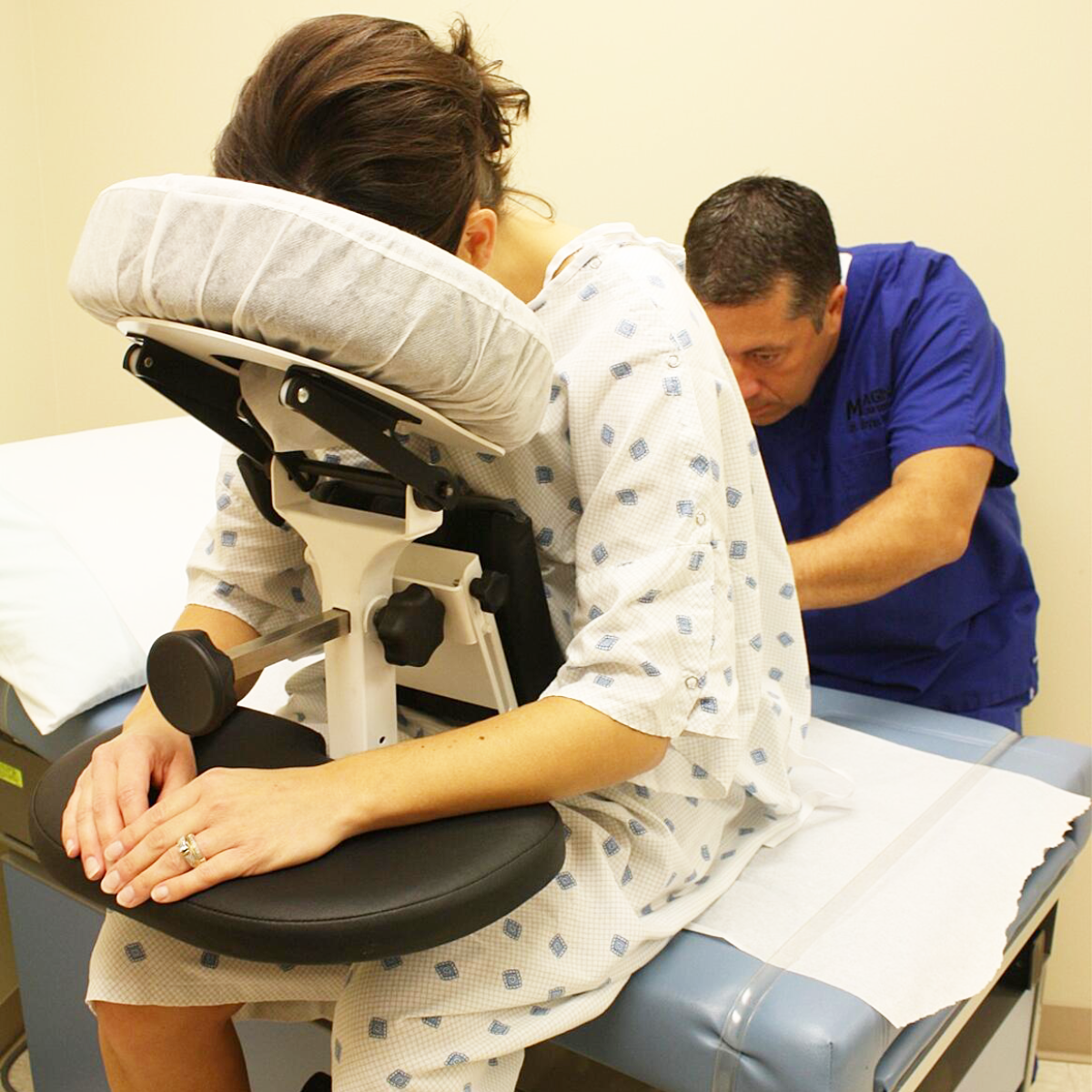
  • Epidurals and Spinal Blocks: For neuraxial anesthesia, achieving optimal spinal flexion is critical for success. The EPD encourages the ideal curvature of the spine effortlessly and comfortably. By supporting the patient’s weight, it allows them to relax into the ideal position.  The chest cushion also helps promote the flexed spine position for the anesthesiologist. This makes the procedure faster, less painful, and significantly more successful on the first attempt.
  • Thoracentesis: This procedure often requires patients to sit still in a forward-leaning position for an extended period. The EPD is the perfect solution, allowing patients to rest their entire upper body weight comfortably on the device. This support reduces fatigue and minimizes the risk of a vasovagal response (fainting), which is a common complication when patients become tired or anxious.

The Epidural Positioning Chair is more than a positioning tool; it is a patient experience solution. By replacing instability and discomfort with ergonomic security and stability, it directly addresses the root causes of procedural anxiety. It provides a consistent, reproducible, and comfortable environment that empowers patients to remain calm and still, contributing to better clinical outcomes.

Investing in the EPD demonstrates an unequivocal commitment to a higher standard of patient care. It ensures that every patient, regardless of their size, age, or mobility level, feels safe, supported, and respected during their most vulnerable moments. It is an essential technology for any facility dedicated to maximizing patient satisfaction and clinical excellence.

Elevate your standard of care and improve your patient satisfaction scores. Contact SPH Medical today to discover how the Epidural Positioning Device can transform the patient experience in your facility.

SPH Medical Epidural Positioning Chair Enhances Staff Safety
CategoriesPatient Handling

Enhancing Staff Safety and Efficiency With The Epidural Positioning Chair

The SPH Medical Epidural Positioning Chair is a game changer in terms of improving staff safety and efficiency.  In the high-stakes environment of procedural care, nursing staff often find themselves acting as human scaffolding. To ensure the success of critical procedures like epidurals, spinal blocks, and thoracentesis, nurses are frequently required to physically support patients to maintain static, forward-leaning positions. While well-intentioned, this manual holding is a leading cause of preventable musculoskeletal injuries among healthcare staff. It places an unsustainable physical burden on caregivers, diverting their focus from clinical monitoring to physical labor.

The solution lies in replacing manual force with mechanical precision. The Epidural Positioning Device (EPD), also known as the Epidural Positioning Chair, eliminates the physical burden on caregivers. As such, it transforms high-risk manual tasks into safe, controlled processes.

This article will demonstrate how the EPD serves as a critical component of modern Safe Patient Handling (SPH) programs. We will explore how it dramatically reduces workplace injuries, ensures compliance with national safety standards, and optimizes clinical workflow efficiency.

The Hidden Cost of Manual Patient Positioning

For decades, the “tripod” position—where a patient leans forward to open up the vertebral spaces—has been achieved through manual assistance. Nurses and physical therapists often bear the weight of a patient who may be sedated, in pain, or physically unable to support themselves.  Using a rickety and unstable bedside table and a stack of pillows to support the patient is also hazardous.  Having to catch a falling patient can cause serious injury to the caregiver.  These outdated practices carry significant hidden costs for both the individual caregiver and the healthcare facility.

The Biomechanics of Injury

The physical strain placed on a nurse when manually supporting a patient is immense. This task requires the caregiver to maintain a static, often awkward posture while resisting the dynamic weight of the patient. This is known as “static loading,” a mechanism of injury that depletes muscle oxygenation and increases the risk of tissue damage.

Research from the OHSU Biodynamics Laboratory confirms that the forces exerted on the spine during manual handling tasks far exceed safe limits. Even with good body mechanics, the cumulative strain on the lower back and shoulders is dangerous. When you factor in the increasing prevalence of bariatric patients, the risk of sudden, career-altering injury skyrockets. Manual patient positioning is not just physically demanding; biomechanically, it is inherently unsafe.

Epidural Chair Impacts Staff Retention and Operational Costs

The consequences of these injuries extend far beyond physical pain. There is a direct correlation between high rates of musculoskeletal disorders (MSDs) and staff turnover. When experienced nurses are sidelined by injury, facilities face a cascade of operational challenges.

Workers’ compensation claims for patient handling injuries are among the most expensive in the healthcare sector. Beyond the direct financial cost of the claim, facilities must grapple with the indirect costs of lost workdays, the expense of hiring temporary staff, and the loss of institutional knowledge when veteran nurses leave the bedside prematurely. In an era of staffing shortages, protecting the physical well-being of your current workforce is not just a safety goal; it is an operational necessity.

The EPD as a Safe Patient Handling Solution

The most effective way to prevent injury is to eliminate the hazard. The Epidural Positioning Chair is engineered to remove the variable of manual lifting and holding from the procedural equation entirely. It represents a shift from reliance on human effort to reliance on purpose-built technology.

Engineering Safety into the Workflow

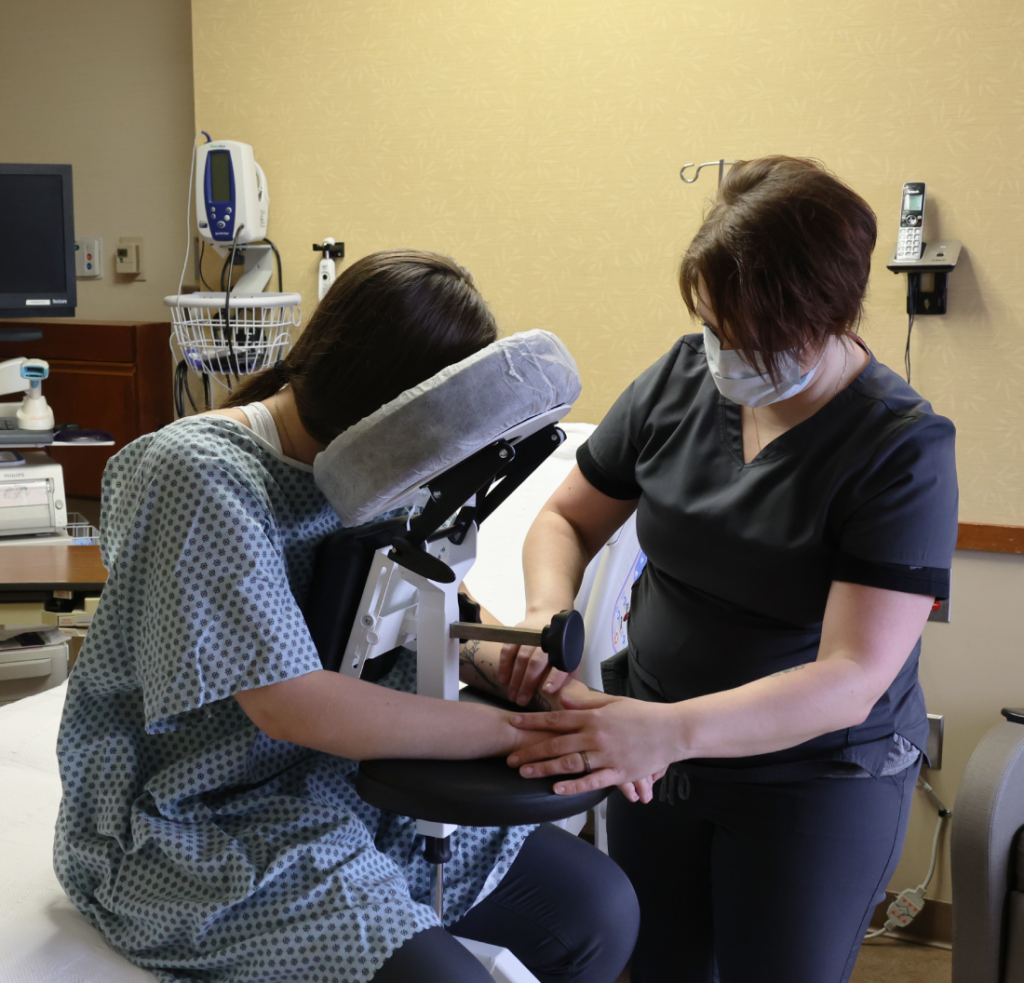
The EPD mechanically secures the patient in the correct position, completely removing the need for a nurse to physically hold them. The device features a range of adjustable components—including chest, arm, and head supports—that can be tailored to the specific anthropometrics of each patient.

This mechanical support is particularly critical for the bariatric patient population. The EPD provides a stable, high-weight-capacity platform that supports the patient’s weight safely and securely. By transferring the load to the device, the nurse is protected from the extreme physical exertion required to stabilize a heavy patient manually. The EPD transforms a chaotic, physically demanding struggle into a calm, static event where safety is engineered into the workflow.

The SPH Medical Epidural Positioning Chair in action

Epidural Chair Aligns with National Safety Standards

Adopting the EPD is a decisive step toward compliance with national safety guidelines. Both the American Nurses Association (ANA) and the Association of perioperative Registered Nurses (AORN) have published rigorous Safe Patient Handling and Mobility (SPHM) standards.

Specifically these guidelines explicitly advocate for the use of technology to eliminate high-risk manual tasks.

Modern safety culture demands the “elimination” of risk, not just the management of it. Providing staff with an Epidural Positioning Chair aligns your facility with these best practices. The EPD demonstrates a commitment to a culture of safety where the “zero-lift” philosophy is applied not just to transfers, but to patient positioning as well.

Maximizing Clinical Efficiency and Resource Allocation

Beyond safety, the Epidural Positioning Chair serves as a powerful tool for operational efficiency. In a resource-constrained healthcare environment, the ability to do more with less is invaluable.

Doing More with Less

Traditionally, positioning a patient for an epidural or thoracentesis is a two-person job: one clinician to perform the procedure and one nurse dedicated solely to holding the patient. This manual support consumes a valuable staff resource for the duration of the procedure.

The EPD transforms this dynamic. Once the patient is positioned and secured in the device, the mechanical support takes over. The nurse is no longer required to act as a physical prop. This frees them to focus on their primary clinical responsibilities: monitoring vital signs, charting, managing patient anxiety, and assisting the proceduralist with sterile technique. In many cases, this allows procedures to be managed with fewer staff members, optimizing resource allocation across the unit.

Standardization of Care

Variability is the enemy of efficiency. Manual positioning introduces significant variability; the quality of the patient’s position depends entirely on the physical strength and technique of the nurse holding them. The EPD creates a reproducible, standardized position for every procedure.

This consistency leads to faster procedure times. When a patient is mechanically stabilized in the optimal position, the anesthesiologist can often access the site more quickly and accurately. A correct position means spine correctly flexed and the shoulders relaxed.  Reducing the time it takes to “get the patient right” streamlines the entire process, leading to predictable outcomes and a more efficient throughput in procedural areas.

The Epidural Positioning Chair is not merely a convenience; it is a critical piece of safety infrastructure. It protects your most valuable asset—your staff—from debilitating injuries while simultaneously streamlining clinical operations. Accordingly, by eliminating the physical demands of manual holding, facilities can reduce overall costs. This includes workers’ compensation costs, improve staff retention, and ensure compliance with rigorous Safe Patient Handling standards.

Stop relying on manual labor for static positioning. It is time to engineer safety into your procedures. Contact SPH Medical today to integrate the Epidural Positioning Device into your facility and build a safer, more efficient procedural environment for your team.

SPH Medical Epidural Positioning Device
CategoriesPatient Handling

Boosting Operational Efficiency with the SPH Medical Epidural Positioning Device

In the realm of healthcare, operational efficiency is vital to ensuring high-quality patient care and effective resource management. The demands of procedures such as epidurals, spinal blocks, and thoracentesis place significant strain on both staff and facilities. The SPH Medical Epidural Positioning Device (EPD) emerges as a transformative solution, enhancing operational efficiency while simultaneously improving staff safety and patient satisfaction.

Improving Staff Safety

Healthcare professionals, particularly nurses and imaging technicians, face considerable risks of musculoskeletal injuries when supporting patients during complex procedures. The physical exertion required can lead to chronic pain and decreased job satisfaction. The EPD mitigates these risks by providing an ergonomic platform that reduces the need for manual handling, thus lowering the incidence of injury. Research has indicated a reduction in work-related injuries by up to 30% in facilities utilizing ergonomic aids like the EPD, underscoring its effectiveness in protecting healthcare workers.

Epidural Chair chest support cushion

Enhancing Patient Satisfaction

Patient safety and comfort are paramount during medical procedures. The EPD is meticulously designed to ensure secure and comfortable positioning, minimizing anxiety and enhancing the overall patient experience. Patients have consistently reported feeling more at ease during procedures when the EPD is used, contributing to higher satisfaction levels. Healthcare providers have observed that the chair’s adjustability and supportive design cater to a diverse range of patient needs, fostering a more positive procedural experience.

In today’s healthcare environment, patient satisfaction has become a pivotal metric that directly affects healthcare delivery, patient outcomes, and hospital reputation. High levels of patient satisfaction are crucial as they influence hospital ratings and can significantly impact reimbursement rates from programs like Medicare and Medicaid, which are increasingly tying payments to quality of care indicators. Satisfied patients are more likely to adhere to medical advice, experience better health outcomes, and choose the same hospital for future healthcare needs, fostering a cycle of trust and loyalty. Additionally, hospitals that consistently track and improve patient satisfaction tend to enhance their reputation, attracting more patients and skilled healthcare professionals. As such, the integration of devices like the SPH Medical Epidural Positioning Device, which enhances patient comfort during procedures, becomes a strategic move not only to improve immediate patient experiences but also to support long-term institutional success by bolstering satisfaction metrics that are vital in today’s competitive healthcare landscape.

Boosting Operational Efficiency

The EPD significantly enhances operational efficiency by streamlining the patient positioning process. This efficiency translates into reduced procedure times, allowing healthcare facilities to increase patient throughput without compromising care quality. A prominent hospital documented a 15% decrease in procedure durations following the EPD’s implementation, highlighting its role in optimizing resource allocation and improving patient flow. By minimizing delays and maximizing throughput, the EPD supports healthcare facilities in meeting growing patient demands.

Addressing Concerns and Misconceptions

Despite its clear benefits, some healthcare professionals may harbor concerns regarding the adoption of new technology like the EPD. Common misconceptions include perceived complexity and potential disruption to established workflows. However, the EPD is designed to integrate seamlessly into existing protocols, with intuitive operation that minimizes training requirements. Success stories from early adopters demonstrate the EPD’s practical advantages, encouraging wider acceptance and integration.

Implementation Strategies

To fully leverage the advantages of the EPD, healthcare facilities should adopt strategic implementation plans. Comprehensive training programs are essential to familiarize staff with the device’s capabilities and benefits. Utilizing instructional materials and conducting on-site demonstrations can facilitate smooth integration into clinical practice. By sharing positive outcomes and experiences from other facilities, healthcare organizations can build staff confidence and overcome resistance to change.

The SPH Medical Epidural Positioning Device represents a significant advancement in medical technology, offering a comprehensive solution to the challenges faced by healthcare facilities. By boosting operational efficiency, improving staff safety, and enhancing patient satisfaction, the EPD is an invaluable asset in any medical setting. Healthcare administrators are encouraged to consider the strategic integration of the EPD, thereby promoting a safer and more efficient environment for both caregivers and patients. As healthcare systems continue to evolve, tools like the EPD are essential in meeting the demands of modern patient care and workforce well-being.

Contact SPH Medical today to request a quote for the Epidural Positioning Device and improve both efficiency and safety with the EPD.

Epidural Positioning Chair improves safety
CategoriesPatient Handling

Enhancing Patient Satisfaction with the SPH Medical Epidural Chair

In hospitals today, patient comfort and safety during medical procedures are of utmost importance. Ensuring that patients feel secure and at ease can significantly impact their overall experience and satisfaction levels. The SPH Medical Epidural Positioning Device, commonly known as the Epidural Chair, is an innovative solution designed to enhance patient satisfaction, improve staff safety, and boost operational efficiency in medical facilities.

Improving Staff Safety With The Epidural Chair

Healthcare workers, including nurses and imaging technicians, face high risks of musculoskeletal injuries while supporting patients during procedures like epidurals, spinal blocks, and thoracentesis. The physical demands of these tasks often lead to significant strain and injury. The Epidural Chair addresses this issue by reducing the need for manual support, thus minimizing the risk of injury. Studies have shown that ergonomic positioning devices like the EPD can lower injury rates among healthcare staff by as much as 20%, according to research from leading occupational health experts.

Measurable Patient Satisfaction

The Epidural Chair is specifically designed to improve patient experience by providing a secure and comfortable platform during procedures. Its ergonomic design ensures that patients are positioned correctly and comfortably, reducing anxiety and enhancing their sense of safety. Feedback from patients who have undergone procedures using the EPD indicates a marked increase in comfort levels, which correlates with higher satisfaction scores. Healthcare providers have noted that the EPD’s adjustability accommodates various patient needs, offering a personalized experience that enhances overall satisfaction.

Improve Workflows

Operational efficiency is crucial in healthcare environments where time management and patient throughput directly impact facility performance. The Epidural Chair streamlines the positioning process, reducing the time required for each procedure. This efficiency gain allows medical facilities to handle more cases, thus improving resource utilization and patient turnover. A study conducted in a high-volume medical center found that the EPD contributed to a 10% reduction in procedure times, enabling the facility to serve more patients with the same resources.

Epidural Chair provides support and spinal flexion for optimal spinal block and eipdural placement

Cost Effective

Despite its advantages, some healthcare professionals may have reservations about purchasing new equipment like the Epidural Chair. Common misconceptions include concerns about the device’s exceeding capital budgets. The non-powered EPD is a simple and easy to use device that has an immediate impact on staff and patient safety. With inflation on everyone’s minds in 2024, hospitals are no different. This is why SPH Medical has continued to keep the cost down on the Epidural Chair so that it can be accessed by all. Volume purchase requests are welcome.

The Epidural Chair; Ease of Use

To maximize the benefits of the Epidural Chair, healthcare facilities are rapidly implementing the EPD. After receiving the EPD, it can be assembled in 5 minutes and with our quick start guide and the inservice video staff are using it the same day. We recommend sharing the EPD resource page on sphmedical.com with team members to help familiarize them with the benefits of the EPD. Staff feedback from the EPD is clear that it an essential safety tool that should be available on every unit where spinal blocks, epidurals, and thoracentesis procedures take place. Once word of mouth starts spreading, staff openly share success stories and other locations in the hospital will want their own EPD!

The Epidural Chair improves patient satisfaction and staff safety

The SPH Medical Epidural Chair offers a multifaceted solution to the challenges faced by healthcare providers and patients during medical procedures. By enhancing patient satisfaction, improving staff safety, and boosting operational efficiency, the EPD stands as a valuable asset in any medical setting. Healthcare facilities are encouraged to consider the integration of the EPD to elevate patient care standards and support the well-being of their staff. As the demands on healthcare services continue to rise, solutions like the Epidural Chair are essential for creating a safer, more efficient, and patient-centered environment.

The Epidural Chair improves staff safety and patient comfort
CategoriesPatient Handling

Enhancing Staff Safety with the SPH Medical Epidural Positioning Device

In the high-pressure environment of healthcare, the physical demands placed on nurses, operating room (OR) nurses, and imaging technicians during procedures such as epidurals, spinal blocks, and thoracentesis are immense. These tasks often require sustained awkward postures and manual patient handling and support, which can lead to significant musculoskeletal injuries. Enter the SPH Medical Epidural Positioning Device (EPD), a groundbreaking solution designed to mitigate these risks while enhancing patient care and operational efficiency.

Improving Staff Safety

The risk of injury to healthcare staff during patient handling is well-documented. According to the Bureau of Labor Statistics, nurses and related healthcare workers have some of the highest rates of musculoskeletal injuries among all professions, primarily due to patient handling tasks. The SPH Medical Epidural Positioning Device addresses this by providing a stable, ergonomic platform for patient positioning and support, thereby reducing the physical strain on healthcare professionals. Experts in ergonomics highlight that the design of the EPD minimizes awkward postures and the need for manual support, significantly lowering injury risks to healthcare workers. A notable example is a major hospital that reported a 30% reduction in staff injuries after incorporating the EPD into their procedures. All too often hospitals wait and react to injuries after they occur. However the benefits of the Epidural Chair by SPH Medical are taking hold across the country and more hospitals are taking a proactive approach to injury prevention.

Enhancing Patient Satisfaction with The SPH Medical Epidural Positioning Device

Patient comfort and security during procedures are paramount. The EPD not only enhances safety for nurses but also provides an unparalleled level of comfort and stability for patients. Patients have reported feeling more secure and less anxious during procedures when the EPD is utilized, leading to higher patients satisfaction scores. Patient satisfaction has always been important but increasingly more so in today’s quality driven environment. Healthcare providers note that the device’s adjustable features cater to a wide range of patient sizes and needs, ensuring a customized and comfortable patient experience.The Epidural Chair improves staff and patient safety

Boosting Operational Efficiency

Beyond safety and satisfaction, the SPH Medical Epidural Positioning Device significantly boosts operational efficiency. By standardizing and streamlining the positioning process, the device reduces the time required for each procedure, allowing for higher patient throughput. A case study from a busy urban hospital showed that using the EPD cut down the average procedure time by 15%, enabling the facility to handle more cases and reduce patient wait times, ultimately increasing turnover rates and improving resource allocation.The Epidural Chair is the gold standard in patient positioning

Addressing Concerns and Misconceptions

Despite its benefits, some misconceptions about the EPD persist, particularly regarding its integration into existing workflows. However, these concerns are easily addressed. The EPD is versatile and user-friendly, designed to seamlessly integrate into various procedural settings without disrupting established protocols. Its intuitive operation ensures that staff can easily adopt the device with minimal training, as demonstrated by facilities that have successfully incorporated it into their daily routines.

Implementation Strategies with The SPH Medical Epidural Positioning Device

To maximize the benefits of the EPD, hospitals should consider a quick start implementation strategy. This includes online video learning followed by hands on education for staff, emphasizing the functional, ergonomic and operational advantages of the device. Furthermore, leveraging resources to train future staff is made easy by using the online inservice videos and peer leader cross training can facilitate greater confidence by staff. By sharing success stories from early adopters within the hospital, facilities can foster a positive attitude toward adopting this innovative tool.

In conclusion, the SPH Medical EPD represents a pivotal advancement in healthcare safety and efficiency. By reducing the risk of injury to nurses and enhancing patient comfort and satisfaction, it offers a dual benefit that is hard to overlook. Healthcare facilities are encouraged to explore the integration of the EPD as a strategic investment in both staff safety and patient care excellence. As the demands on healthcare systems continue to increase, tools like the EPD are essential in creating a safer and more efficient environment for both caregivers and patients.

The Epidural Chair improves staff and patient safety
CategoriesPatient Handling,  Slings and Lifts

The Benefits of the Epidural Positioning Device (EPD) in Hospitals

In the fast-paced world of healthcare, ensuring the safety and efficiency of patient handling is paramount. The Epidural Positioning Device (EPD) stands out as a revolutionary tool designed to enhance both patient and staff safety while optimizing workflow in various hospital departments. This article delves into the significant benefits of Epidural Position Device, particularly within labor and delivery for epidurals, the surgery department for spinal blocks, and the imaging department for thoracentesis.

Enhancing Safety for Mothers and Medical Staff

The labor and delivery unit is a critical environment where precision and safety are non-negotiable. The EPD ensures proper positioning of expectant mothers during epidural administration, which is crucial for effective pain management. By maintaining a stable and optimal position, the EPD significantly reduces the risk of injury both to the mother and the nursing staff. According to recent studies, the use of EPDs has led to a significant reduction in musculoskeletal injuries among nurses.Patient comfort is improved with the SPH Medical EPD

Improving Efficiency and The Benefits of Epidural Positioning Device

Efficiency in labor and delivery can directly influence maternal and neonatal outcomes. The EPD streamlines the process of administering epidurals, allowing anesthesiologists to perform their tasks more quickly and accurately. This not only enhances the mother’s comfort but also frees up medical staff to attend to other critical tasks. A recent case study in a national hospital system demonstrated a measurable increase in the efficiency of epidural placements when using the Epidural Chair by SPH Medical.

Ensuring Optimal Patient Positioning

In the surgery department, the precision of spinal block procedures is vital for successful anesthesia. The EPD plays a pivotal role in ensuring that patients are positioned correctly, minimizing movement and thereby reducing the risk of complications. This level of precision is essential for the safety and effectiveness of spinal anesthesia.

Boosting Surgical Efficiency

Some of the benefits of Epidural Positioning Device are the ability to facilitate accurate and swift spinal block procedures translates to significant improvements in surgical workflow. Anesthesiologists can perform spinal blocks more efficiently, reducing preparation time and enhancing overall surgical throughput. Data from surgical departments across the country reveal an increase in total knee procedures using spinal blocks and peri-operative surgical staff are in dire need of the EPD to improve efficiency and throughput.

Benefits of Epidural Positioning Device

Thoracentesis, a procedure to remove fluid from the pleural space, requires precise patient positioning to ensure safety and efficacy. Today most imaging departments are having the patient sit at the side of the bed or gurney and then asked to lean over an unstable bedside table and a stack of pillows. This unstable patient positioning puts both the patient and ultrasound technician at risk of injury. The EPD provides the necessary support to maintain correct posture, significantly reducing patient discomfort and procedural risks. By stabilizing the patient, the EPD helps healthcare providers perform thoracentesis with greater accuracy and confidence. Patient satisfaction scores have dramatically increased when the EPD is used for Thoracentesis procedures.

Streamlining Imaging Workflows

Efficiency in the imaging department is critical to patient care and department operations. The benefits of Epidural Positioning Device contribution to reducing procedure times cannot be overstated. By facilitating quicker and safer thoracentesis, the EPD helps to streamline workflows, allowing more patients to be treated promptly. Studies have shown that the use of EPDs in imaging departments can lead to a 15% increase in procedural efficiency4.

The Epidural Positioning Device (EPD) is an indispensable tool in modern healthcare settings, offering unparalleled benefits in terms of safety, efficiency, and workflow optimization. From labor and delivery to surgery and imaging departments, the EPD enhances patient care and protects healthcare workers from injury. As hospitals continue to strive for excellence, adopting advanced patient positioning technology like the EPD is a crucial step forward.

In conclusion, investing in the EPD not only safeguards patients and staff but also propels healthcare facilities towards a future of improved care and operational excellence.

Healthcare providers and hospital administrators are encouraged to consider the integration of EPDs into their standard practices. By doing so, they can significantly improve patient outcomes, enhance staff safety, and contribute to the overall efficiency of their medical facilities.

The EPD positions patients safely for epidurals, spinal blocks, and thoracentesis
CategoriesPatient Handling

Enhancing Nurse Safety and Patient Outcomes with SPH Medical’s Epidural Positioning Device (EPD)

In the fast-paced, demanding environment of medical procedures, patient positioning plays a critical role in ensuring safety and procedural success. Accurate and stable positioning is paramount not only for patient comfort but also for the efficiency and precision of the procedure itself. SPH Medical’s Epidural Positioning Device (EPD) is an innovative solution designed to meet these needs, providing numerous benefits that enhancing nurse safety and patient outcomes.

Understanding the Epidural Positioning Device (EPD)

The EPD by SPH Medical is meticulously designed to optimize patient positioning during various medical procedures. Its ergonomic design ensures enhanced patient comfort and stability, which are crucial for successful outcomes. The device’s thoughtful construction reduces the physical strain on healthcare providers, making it a transformative tool in clinical settings.

Benefits of the EPD

Improved Patient Comfort: The EPD’s ergonomic support minimizes patient discomfort, ensuring they remain still and relaxed throughout the procedure.

Enhanced Procedural Success: Stable and precise positioning provided by the EPD leads to higher success rates and fewer complications.

Reduced Risk of Complications: By maintaining optimal patient positioning, the EPD decreases the likelihood of procedural errors.
Increased Nurse Safety: The device significantly reduces the physical demands on nurses, minimizing the risk of musculoskeletal injuries.

Procedures Utilizing the EPD while Enhancing Nurse Safety

The versatility of the EPD makes it indispensable across various procedures, each benefiting from improved patient positioning.

Epidural Placements and How to Enhancing Nurse Safety

Epidurals require precise needle placement, and the EPD ensures patients are positioned correctly to facilitate this. Annually, approximately 2.4 million epidurals are performed in the US1, highlighting the widespread need for reliable positioning tools.

The Epidural Chair is the gold standard in patient positioning

Spinal Blocks

Spinal blocks necessitate exact alignment of the spinal column. The EPD provides the necessary stability, significantly enhancing procedural efficiency. In the US, around 1.5 million spinal blocks are administered each year2.

Lumbar Puncture

Lumbar punctures demand critical positioning to avoid complications. The EPD supports patients effectively, improving safety and satisfaction. Over 400,000 lumbar punctures are conducted annually in the US3.

Thoracentesis

Thoracentesis procedures benefit from the EPD’s ability to maintain optimal patient positioning, reducing risks and improving outcomes. An estimated 173,000 thoracentesis procedures are performed annually in the USA.

Thoracentesis is safer for staff and patients when using the EPD

Advantages of the EPD

Enhanced Safety for Nurses and Patients

The EPD dramatically reduces the risk of musculoskeletal injuries among nurses by eliminating the need for manual patient positioning. For patients, it minimizes movement-related complications, ensuring safer procedures.

Improved Efficiency, Enhancing Nurse Safety and Patient Satisfaction

With the EPD, the positioning process is streamlined, leading to quicker, more efficient procedures. This efficiency translates into higher success rates, reduced procedural time, and better patient outcomes.

Cost-Effectiveness

The EPD offers significant cost savings by decreasing procedural time and lowering the incidence of complications. These efficiencies lead to reduced overall costs associated with extended hospital stays and additional treatments.

Case Studies and Testimonials

Real-world applications of the EPD have shown impressive results. Healthcare professionals consistently report improved procedural outcomes and enhanced safety for both staff and patients. Testimonials highlight the device’s reliability, ease of use, and transformational impact on medical procedures.

The SPH Medical Epidural Positioning Device is a game-changer in the realm of patient handling and procedural efficiency. By offering superior patient comfort, enhanced safety, and impressive cost-effectiveness, the EPD stands out as an essential tool for healthcare facilities. Its ability to improve outcomes across a range of critical procedures underscores its value and necessity in modern medical practice.

Next steps to Enhancing Nurse Safety

Are you ready to enhance patient safety and procedural efficiency in your facility? Contact SPH Medical today to request a quote for your hospital and inpatient units. Discover how our full range of products and services can revolutionize your healthcare practice. Visit our website or call us to learn more.

The Epidural Chair by SPH Medical improves safety
CategoriesPatient Handling

Enhancing Epidural Placement Safety and Efficiency with SPH Medical’s Epidural Positioning Device

In the realm of medical advancements and risk reduction, the safety and comfort of patients during procedures are paramount. The introduction of the SPH Medical Epidural Positioning Device (EPD), also popularly known as the Epidural Chair, marks a significant leap forward in the field of Epidural Placement Safety, specifically in epidural placements.

The Imperative for Innovation in Epidural Placements

Statistics reveal that a considerable number of complications arising from epidurals can be attributed to improper positioning. This not only endangers patient safety but also prolongs the duration of the procedure, affecting overall efficiency. The need for a solution that can standardize the process, enhance safety, and elevate patient satisfaction has never been more acute.

Introducing the SPH Medical Epidural Positioning Device

The SPH Medical EPD is the epitome of innovation, designed meticulously to support optimal positioning for epidural needle placement. Its intuitive design not only assures precise alignments but also significantly reduces the strain on healthcare providers, ensuring a smoother, safer procedural experience for both parties involved.The Epidural Chair or EPD is used in hospitals across the globe to improve staff and patient safety

Key Benefits of the Epidural Positioning Device, Improved Safety and Standardization

The EPD by SPH Medical is a paragon of safety and procedural consistency. It drastically minimizes the risks associated with manual positioning, thereby enhancing the safety profile of epidural placements. Standardization across the board ensures every patient receives the same high level of care, irrespective of the anesthesiologist’s expertise.

Elevated Patient Satisfaction with Epidural Placement Safety

Comfort and peace of mind during medical procedures are crucial. The EPD addresses these concerns head-on, offering patients a less intimidating, more comfortable experience. Testimonials and studies underscore the device’s effectiveness in improving patient outcomes and satisfaction, solidifying its reputation in healthcare circles.

The versatility of SPH Medical’s Epidural Positioning Device (EPD) extends beyond its initial scope, finding profound utility in thoracentesis procedures often performed in imaging departments. This innovative device ensures that patients undergoing thoracentesis—a procedure requiring precision and stability—are positioned optimally and comfortably throughout the process. The EPD’s design aligns perfectly with the procedural needs, allowing for enhanced safety and support. By facilitating an ideal comfortable posture, the EPD significantly reduces the risk of complications, ensuring a smoother procedure. Clinicians have reported a noticeable improvement in procedural efficiency and patient comfort, underscoring the EPD’s adaptability and effectiveness in various medical departments and settings. The application of the EPD in such critical procedures highlights its indispensable role in advancing patient care, emphasizing its capability to support a wide array of medical interventions with unmatched support, stability, and reliability.

In surgery departments, the role of the EPD is equally groundbreaking, especially in facilitating spinal blocks. Its introduction into surgical contexts marks a significant improvement in how patients are positioned during these delicate procedures. Traditionally, achieving and maintaining the correct posture for a spinal block presented challenges, with patient comfort and safety being paramount concerns. However, with the EPD, anesthesia techs and anesthesiologists can now ensure that patients are supported safely and comfortably throughout the procedure. The device’s design not only stabilizes the patient but also optimizes access for the practitioner, enhancing the overall success rate of spinal blocks, while improving efficiency in the busy preoperative areas. This application of the EPD within surgical departments represents a forward leap in patient care, where every detail is engineered for optimal outcomes. The repeated successes underline the EPD’s adaptability, reinforcing its status as a crucial tool in modern healthcare practices.

Reduction in Workers’ Compensation Costs

Investing in the EPD translates into significant savings in workers’ compensation costs. By minimizing injuries and complications, healthcare facilities see a marked reduction in associated claims, showcasing the device’s substantial return on investment. The financial benefits, coupled with enhanced patient care, present a compelling case for the integration of the EPD into healthcare practices.

SPH Medical's Epidural Chair or EPD is used for spinal blocks thoracentesis and epidural placements

The EPD’s Impact on Healthcare Excellence and Epidural Placement Safety

Adopting the SPH Medical EPD is not merely about upgrading equipment; it’s about committing to the highest standards of patient care and safety. The long-term benefits include not only improved health outcomes but also heightened facility ratings and the potential for accreditation, marking a facility as a leader in innovative patient care.

The SPH Medical Epidural Positioning Device stands unparalleled in its ability to transform epidural placements into a safer, more efficient, and patient-friendly procedure. Its benefits extend beyond the immediate procedural improvements, offering long-term financial and improved reputation for healthcare facilities. In the pursuit of excellence in patient care, the EPD represents a significant stride forward, embodying the commitment to safety, comfort, and efficiency.

For healthcare providers looking to elevate their standard of care, the SPH Medical EPD is not just an option; it’s a necessity. To explore how the EPD can revolutionize your practice, contact SPH Medical for more information or to schedule a demonstration. Elevate your standard of care, ensure patient satisfaction, and achieve operational efficiency—all with one innovative solution.

Add to cart