Categoriesearly mobility

RoWalker for Early Patient Mobility: A Safer Path to Ambulation

Picture a busy intensive care unit. A patient recovering from cardiac surgery is finally cleared to take a first walk. This is a milestone moment, the kind that sets recovery in motion. Yet the team pauses. The patient is tethered to oxygen, connected to intravenous lines, and managing surgical drains. Steadying that patient safely will take two or even three staff members. So the walk gets pushed to later, and later becomes tomorrow, and another quiet day of bed rest begins.

Every delayed first step raises the risk of deconditioning. The right ambulation device changes that equation entirely, turning a high effort, multiple staff task into a safe, confident walk that protects patients and caregivers alike.

Immobility harms patients within days, not weeks. Early mobilization has earned its place as a cornerstone of modern recovery, yet countless programs stall because staff lack a safe, practical way to walk complex patients. Here is what this article will cover:

  • Why early mobilization matters and what immobility truly costs patients
  • How the SPH Medical RoWalker supports safe post surgical ambulation
  • The features that build patient confidence and prevent falls
  • How the RoWalker reduces staff injury and eases staffing demands
  • Where the RoWalker delivers value across your facility

Grounded in evidence based Safe Patient Handling and Mobility (SPHM) practice and aligned with ANA and AORN standards, this discussion starts with a simple truth. The clock begins ticking the moment a patient stays in bed.

Why Early Patient Mobility Matters

What does the clinical evidence say about getting patients moving? It says the earlier, the better.

Early mobilization is one of the most effective, lowest cost interventions available for improving recovery. Moving patients soon after surgery or intensive care admission supports pulmonary function, sustains circulation, and preserves muscle that would otherwise waste away. These are not incidental gains. They are the foundation of a faster, smoother recovery.

The outcomes speak for themselves. Early ambulation is linked to shorter lengths of stay, fewer complications, and quicker functional recovery. Patients return home sooner and stronger, and facilities free up beds and resources. Yet a mobility plan succeeds only when staff have safe, reliable equipment to act on it. Intention without a practical tool leads to missed opportunities, day after day.

Consider a cardiothoracic unit that adopts a firm “walk by day one” protocol. With the right ambulation device in place, patients move sooner, recover faster, and leave the hospital earlier, with fewer readmissions tied to weakness and preventable complications.

Documented benefits of early mobilization include:

  • Reduced length of stay and lower overall hospital costs
  • Improved respiratory and circulatory function
  • Preserved muscle strength and functional independence
  • Higher patient satisfaction and HCAHPS scores

Early mobility is not optional care. It is evidence based practice that shapes both clinical outcomes and the bottom line. The urgency grows clearer when we examine exactly what happens to patients who stay in bed too long.

The Hidden Costs of Immobility

What goes wrong when patients remain immobile? A cascade of complications that can quietly undo surgical success.

Immobility is not a neutral pause in care. It actively drives harm, and the damage begins faster than many teams expect. Understanding these risks is the first step toward preventing them.

  • Deconditioning and muscle loss. Patients can lose meaningful muscle strength within days of bed rest, which makes each delayed walk harder than the one before.
  • ICU acquired weakness. Prolonged immobility contributes to profound weakness that lengthens both intensive care and total hospital stays.
  • Pressure injuries. Sustained pressure on immobile tissue threatens skin integrity, a central concern for every wound care team and WOCN certified nurse.
  • Deep vein thrombosis. Reduced circulation raises the risk of dangerous blood clots that can turn a routine recovery into an emergency.

Picture an abdominal surgery patient whose recovery stalls after several days of limited movement. The patient grows weaker, faces a higher clot risk, and now confronts a longer, costlier stay than anyone anticipated. What began as a straightforward recovery becomes a complicated one, largely because the patient could not move safely.

What immobility puts at risk:

  • Muscle strength and functional mobility
  • Skin integrity and pressure injury prevention
  • Circulatory health and clot prevention
  • Respiratory function
  • Overall length of stay and total cost of care

Every day a patient stays in bed carries measurable clinical risk. That reality makes a safe, practical path to ambulation an urgent priority. The challenge, of course, is walking complex patients safely. This is precisely what the RoWalker was engineered to solve.

How the SPH Medical RoWalker Works

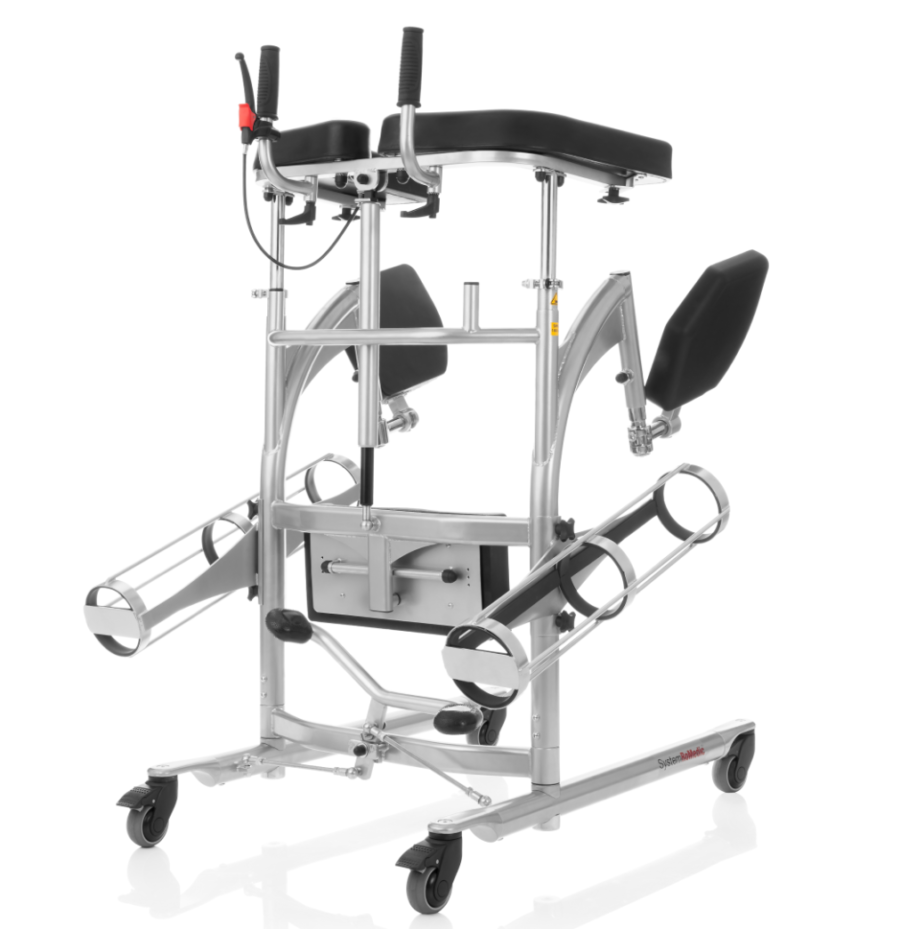
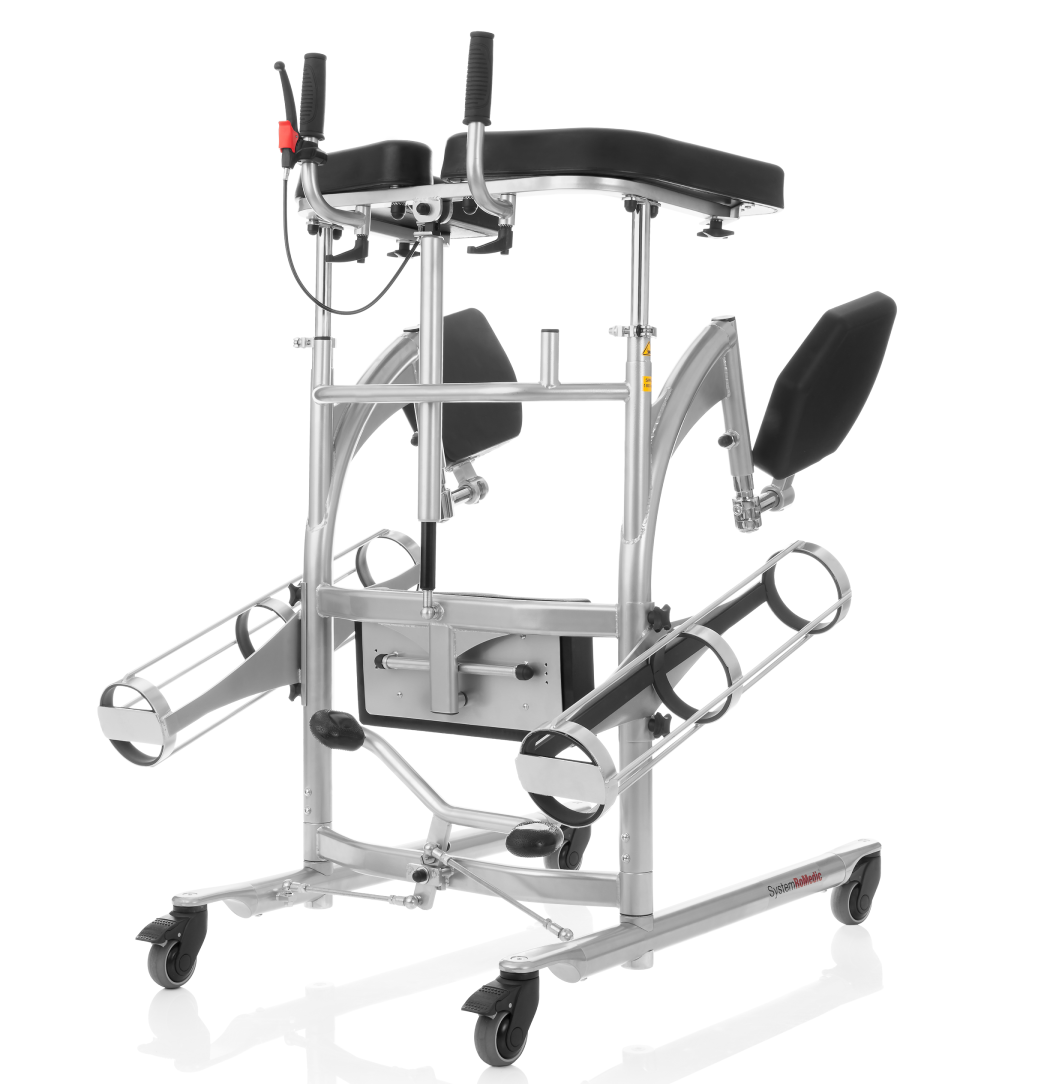
What is the RoWalker, and how does it make early ambulation possible? It is an ergonomically designed walking aid built specifically for early mobilization, allowing even complex post surgical patients to walk safely and with confidence.

The RoWalker was not designed in isolation. It grew out of years of feedback from cardiothoracic surgeons, nurses, physical therapists, and respiratory therapists, so it reflects real bedside needs rather than theoretical ones.

Originally created for post cardiac and abdominal surgery patients, it has since become a gold standard early mobility device used well beyond its initial scope.

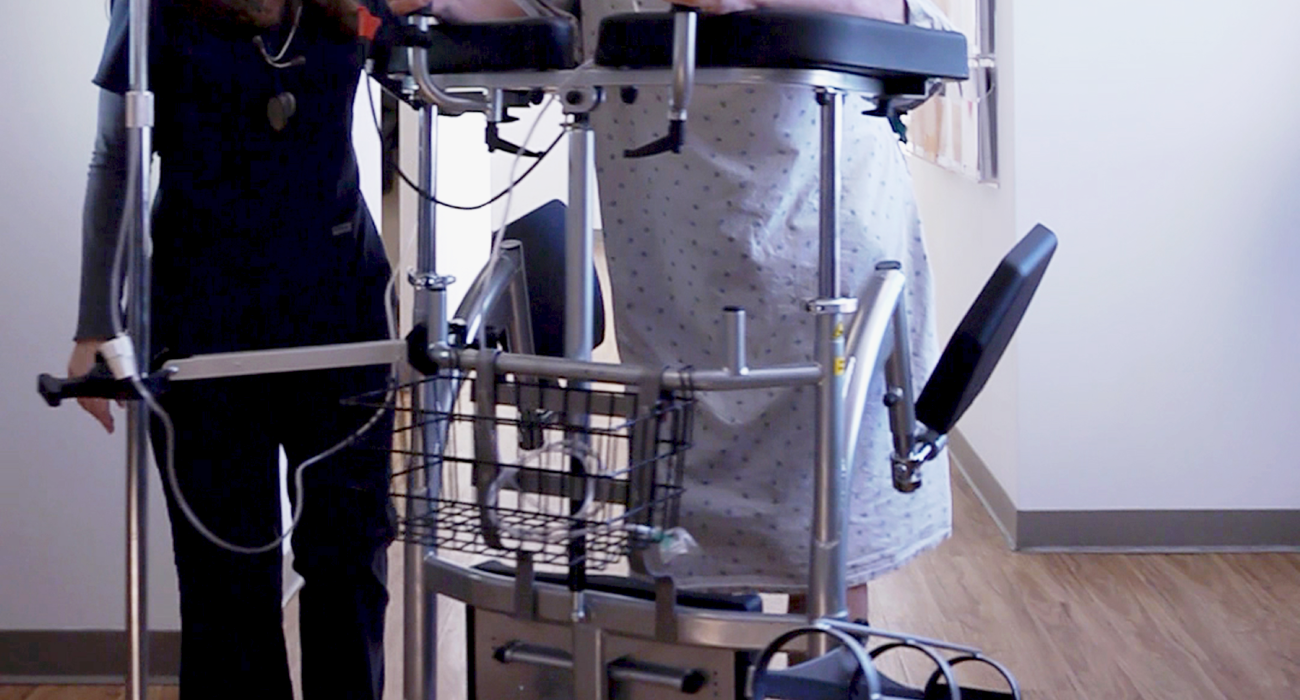
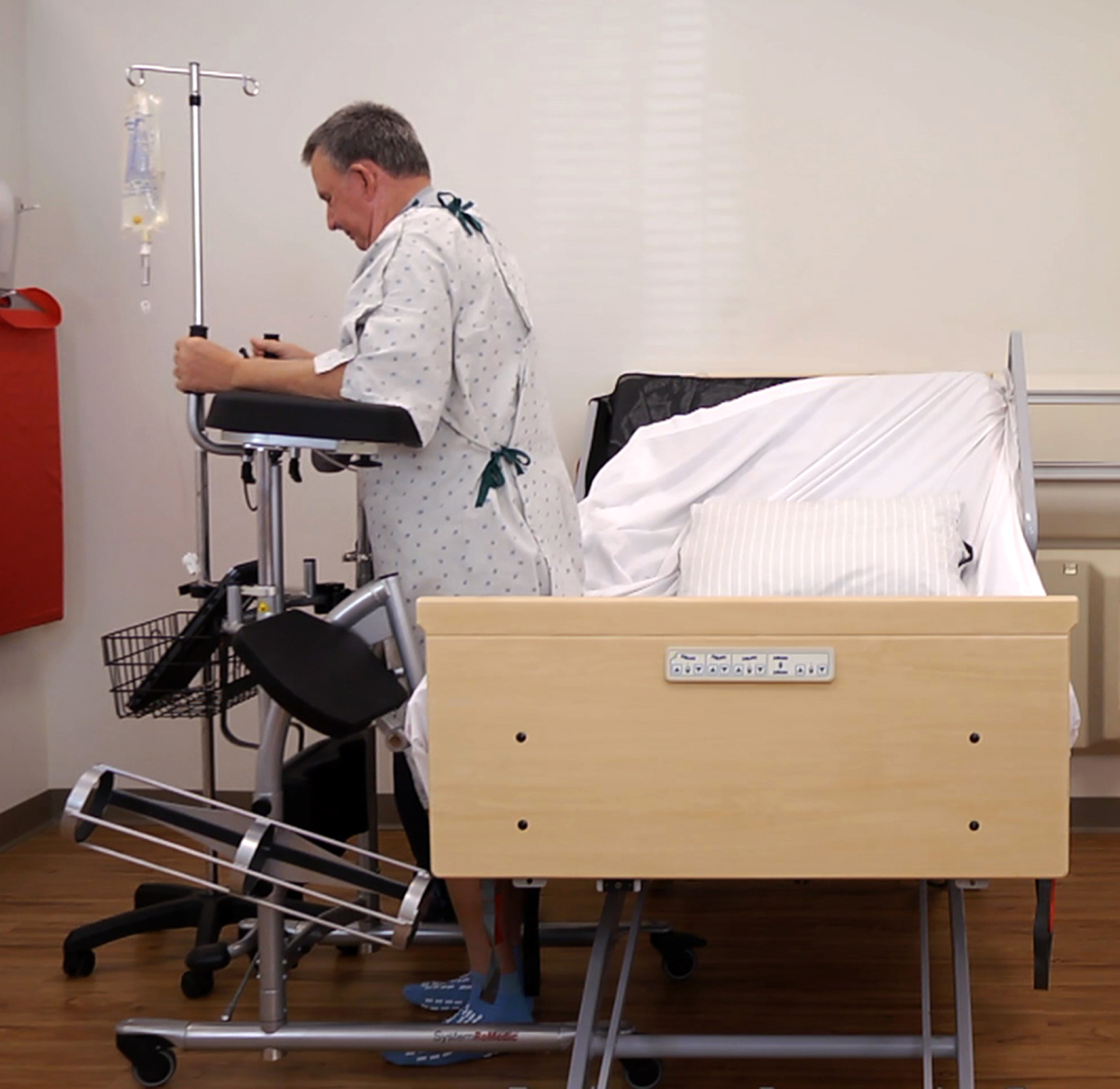
Its defining strength is consolidation. The RoWalker carries all the equipment a complex patient needs, including oxygen, intravenous lines, and drainage, so a single walk requires no improvised juggling of poles, tanks, and tubing.

Everything travels with the patient, secured and organized.

How a Walk Begins

Getting a patient moving with the RoWalker follows a clear, repeatable sequence:

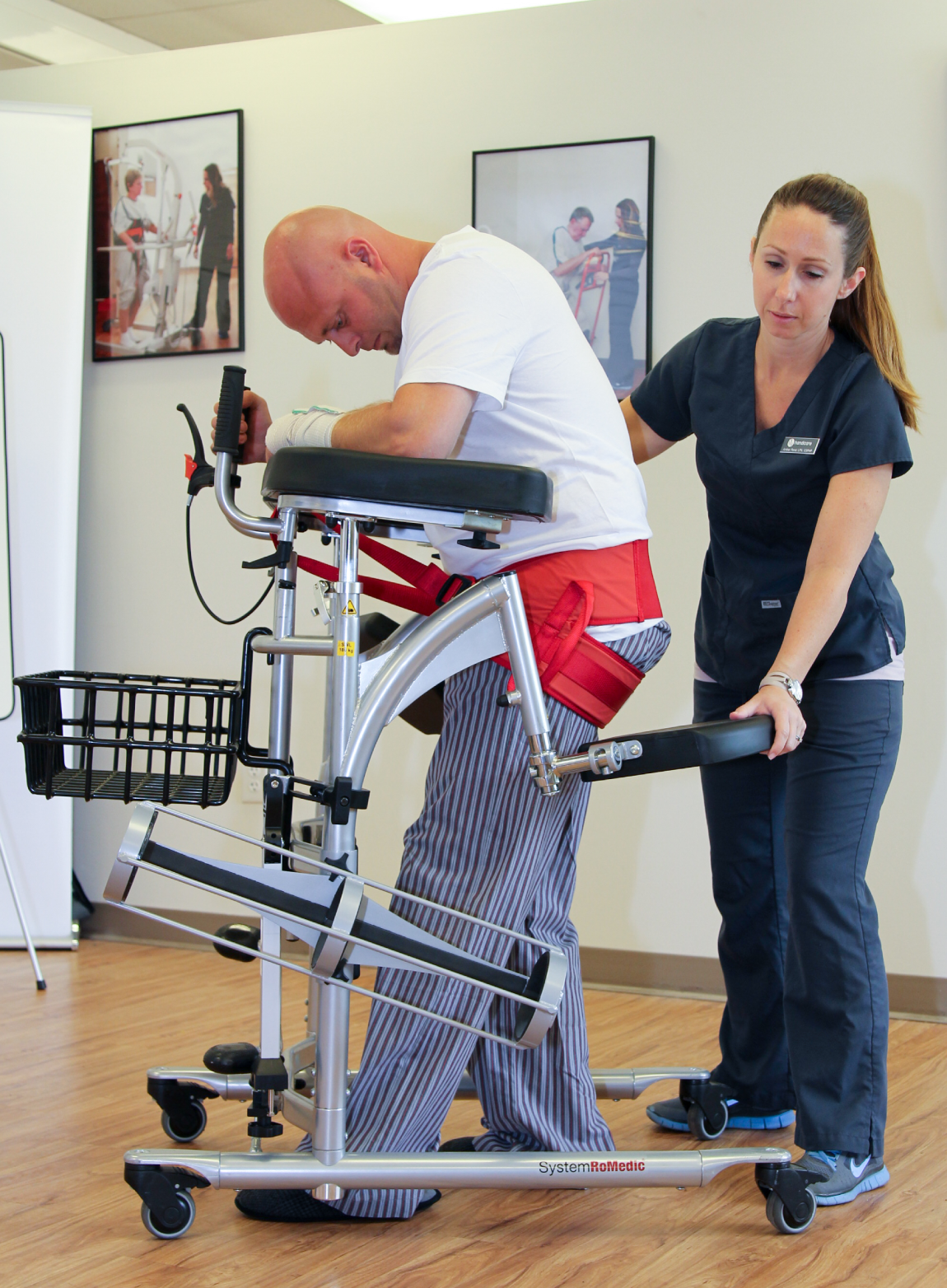
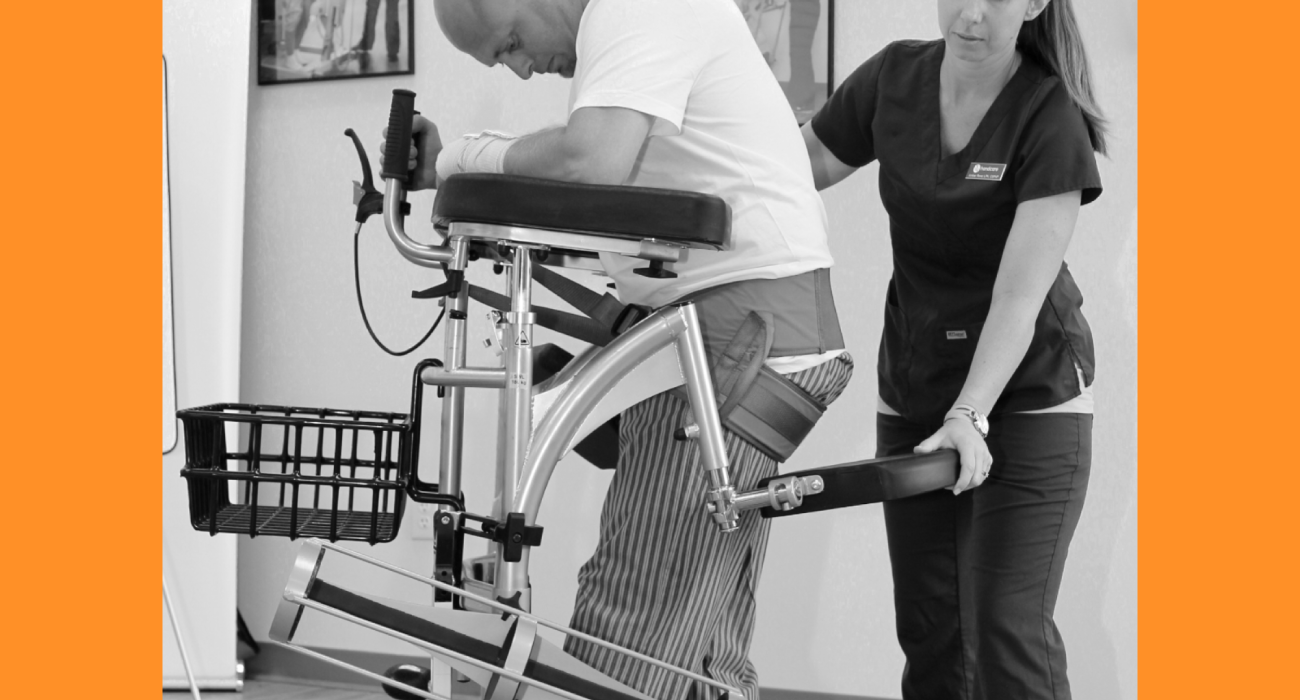
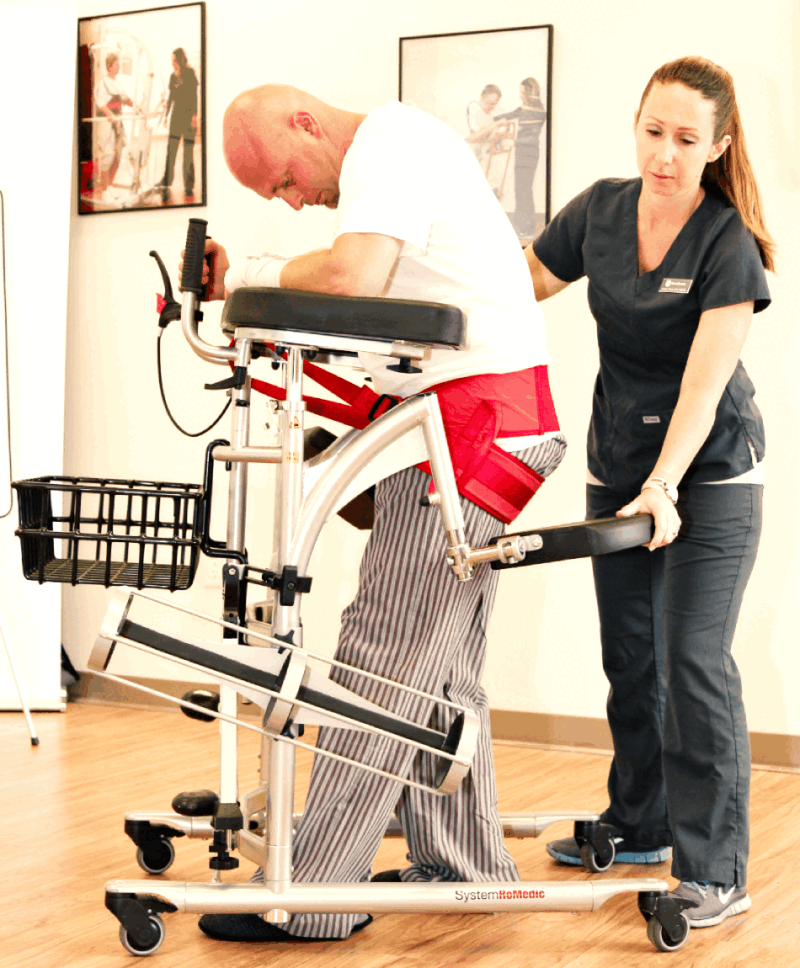
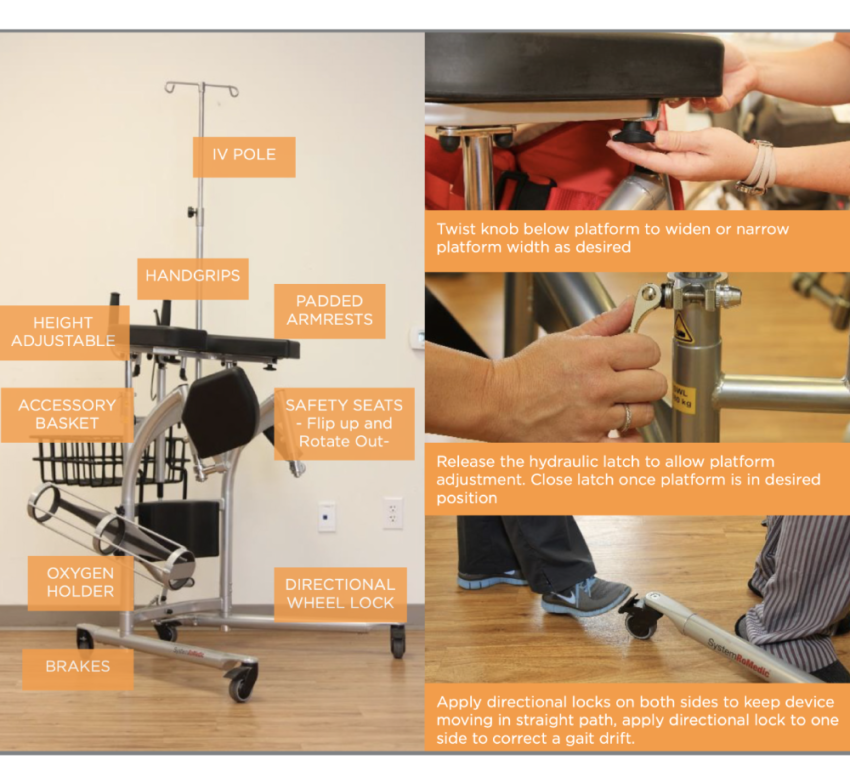
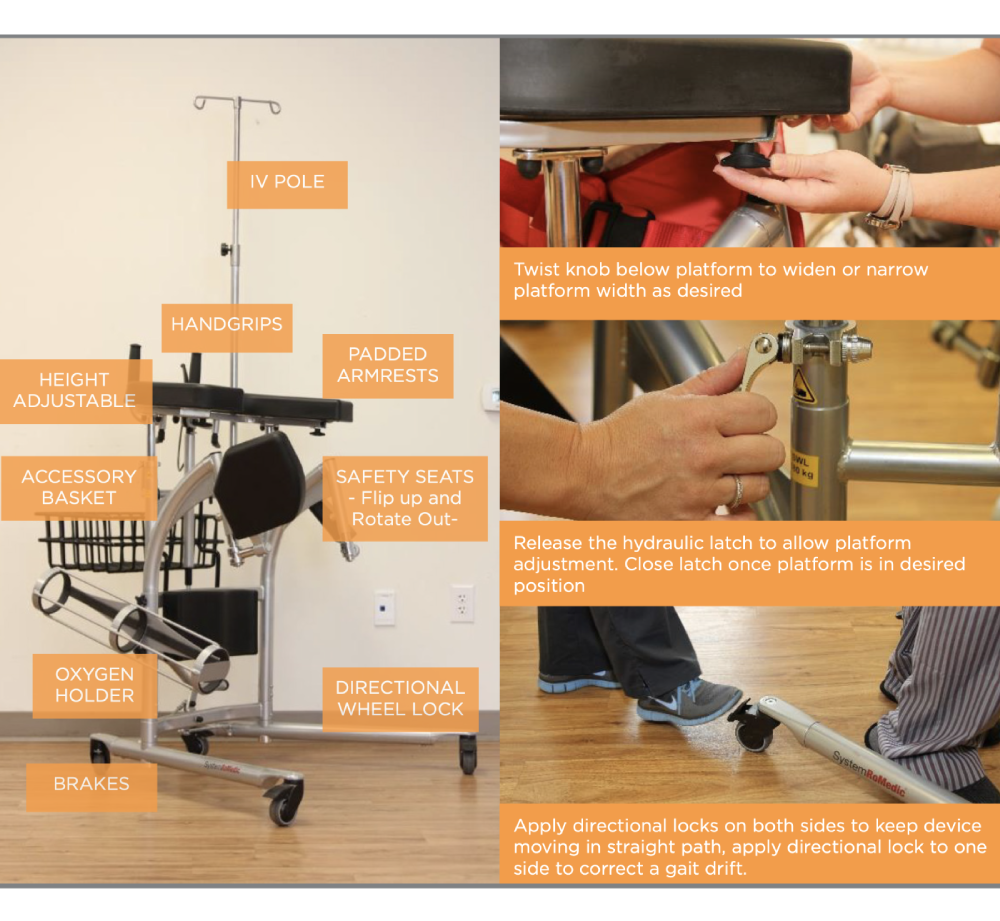
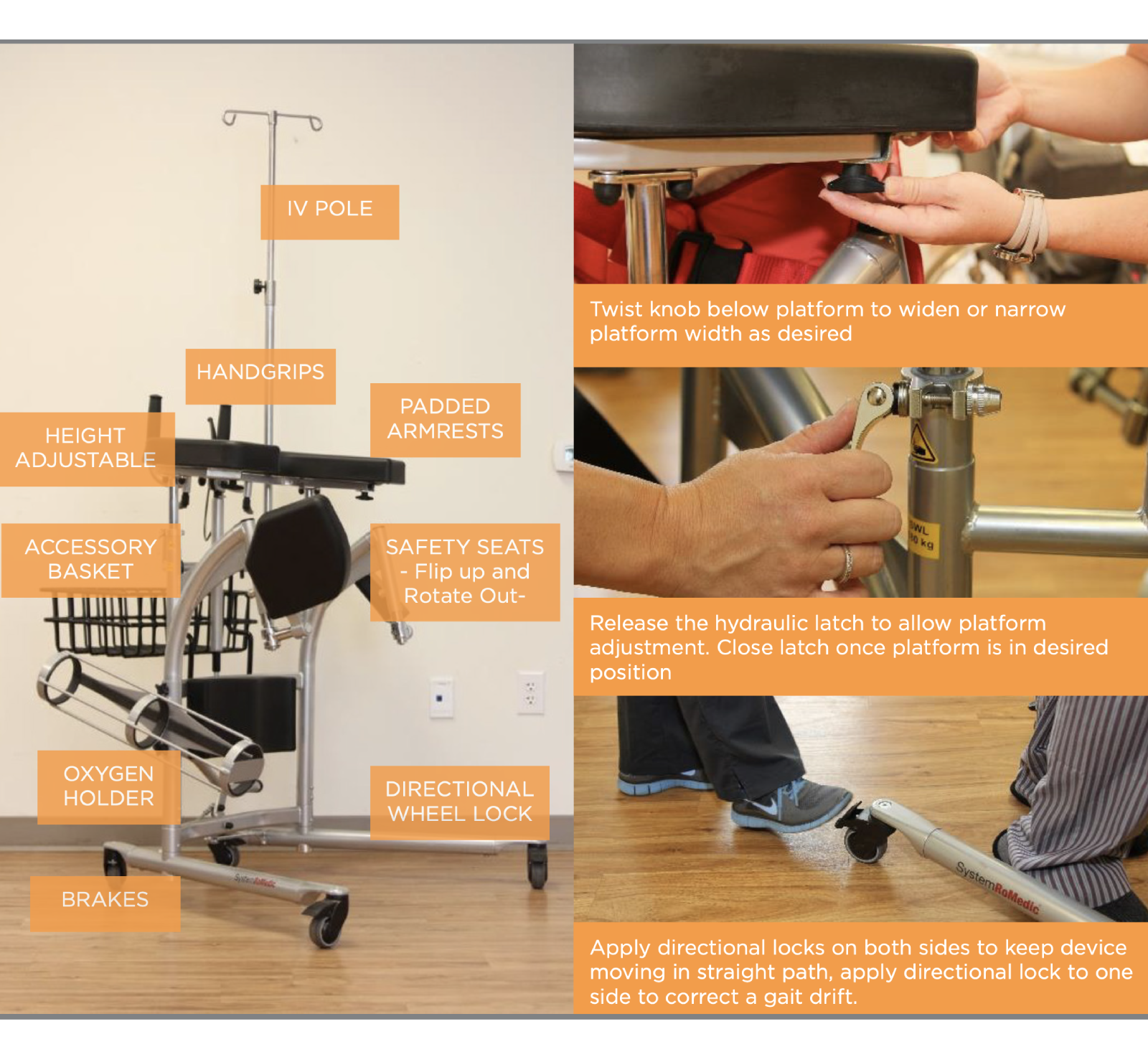
  • Staff position the RoWalker at the bedside with brakes on and adjust the table height of the RoWalker to the patient’s estimated height.
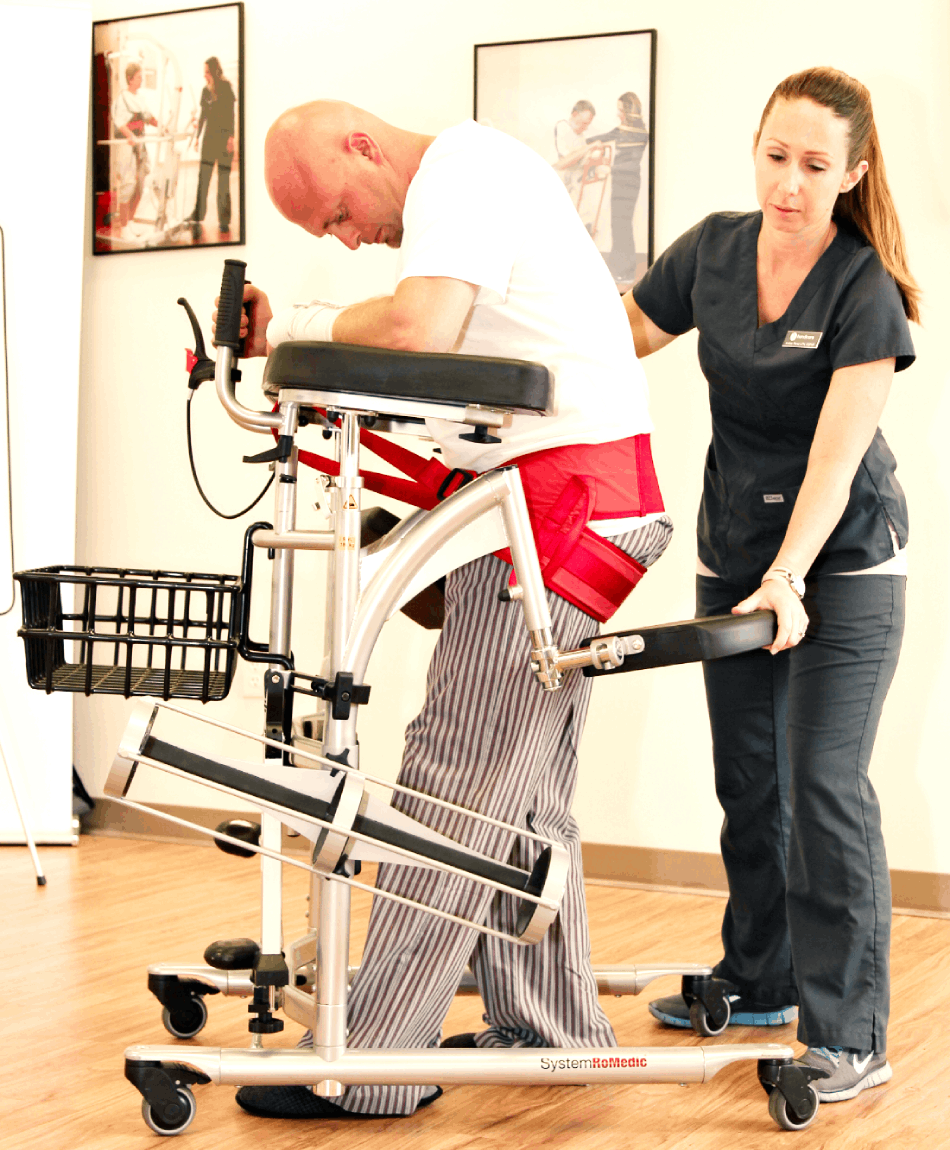
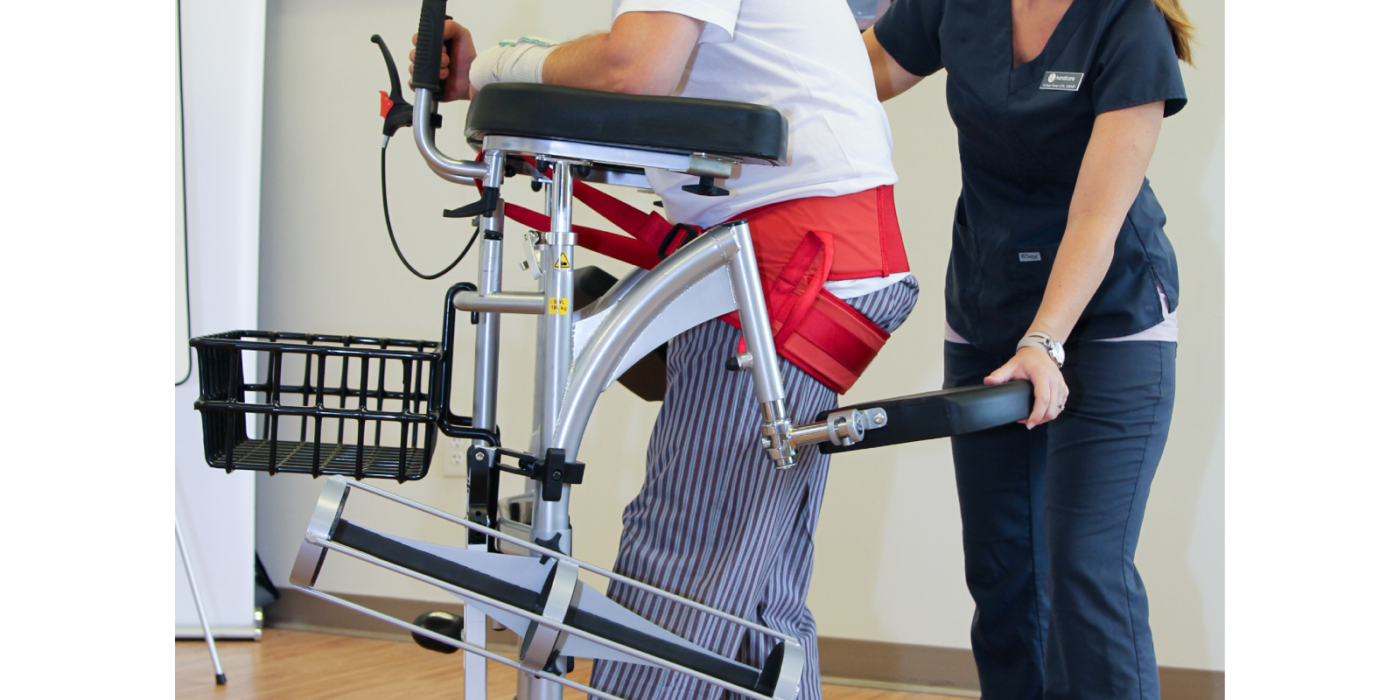
  • Staff can use an ambulation belt or a standard gait belt if needed to assist the patient from sitting to standing, or they can stand up right into the RoWalker.
  • The seat flaps can be lowered behind the patient or kept in a vertical position depending upon the patient’s step length.
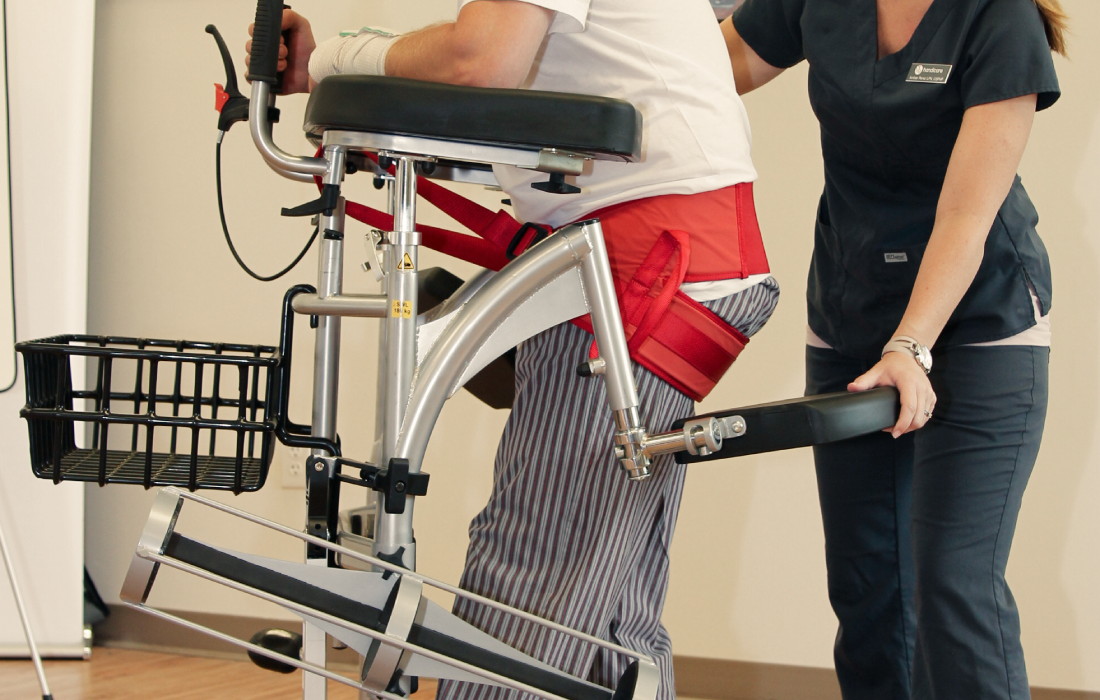
  • The patient rests their forearms on the table pads and holds the hand grips.
  • RoWalker brakes are unlocked and the patient takes first steps.
  • The device doubles as a mobile standing frame, useful at the bedside or anywhere in the facility.

The directional casters can be engaged for longer walks to help the RoWalker steer more easily.

The seat flaps can be lowered at any time to give the patient a rest, and then challenge them to take more steps.

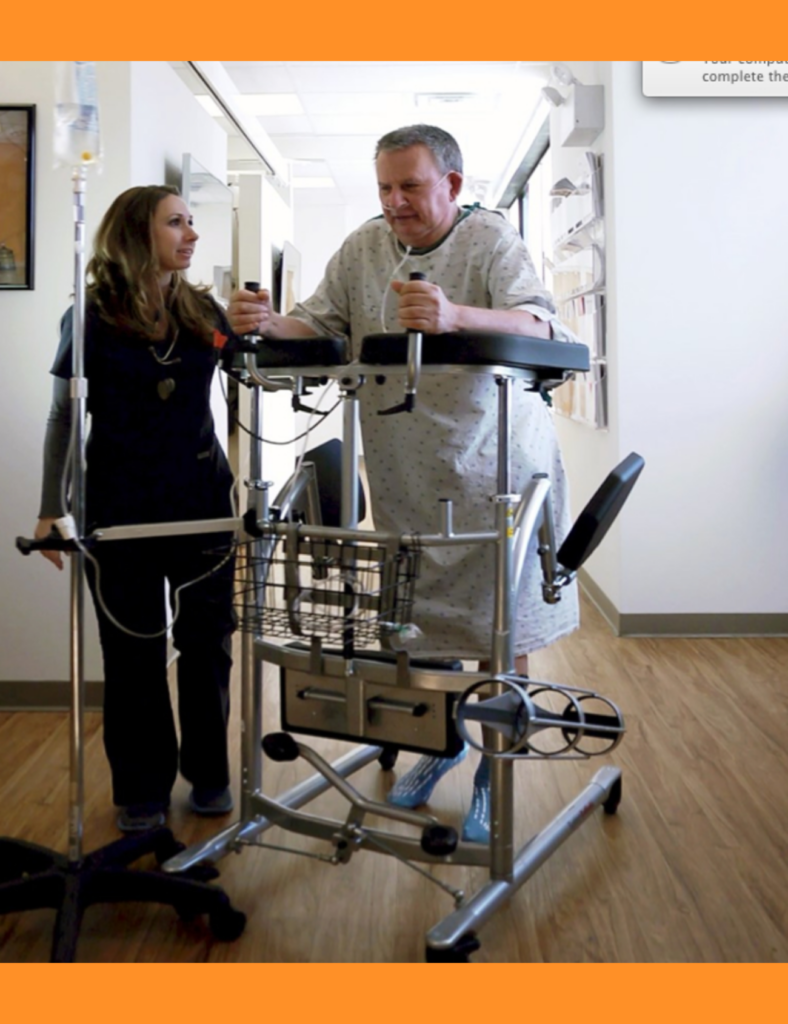
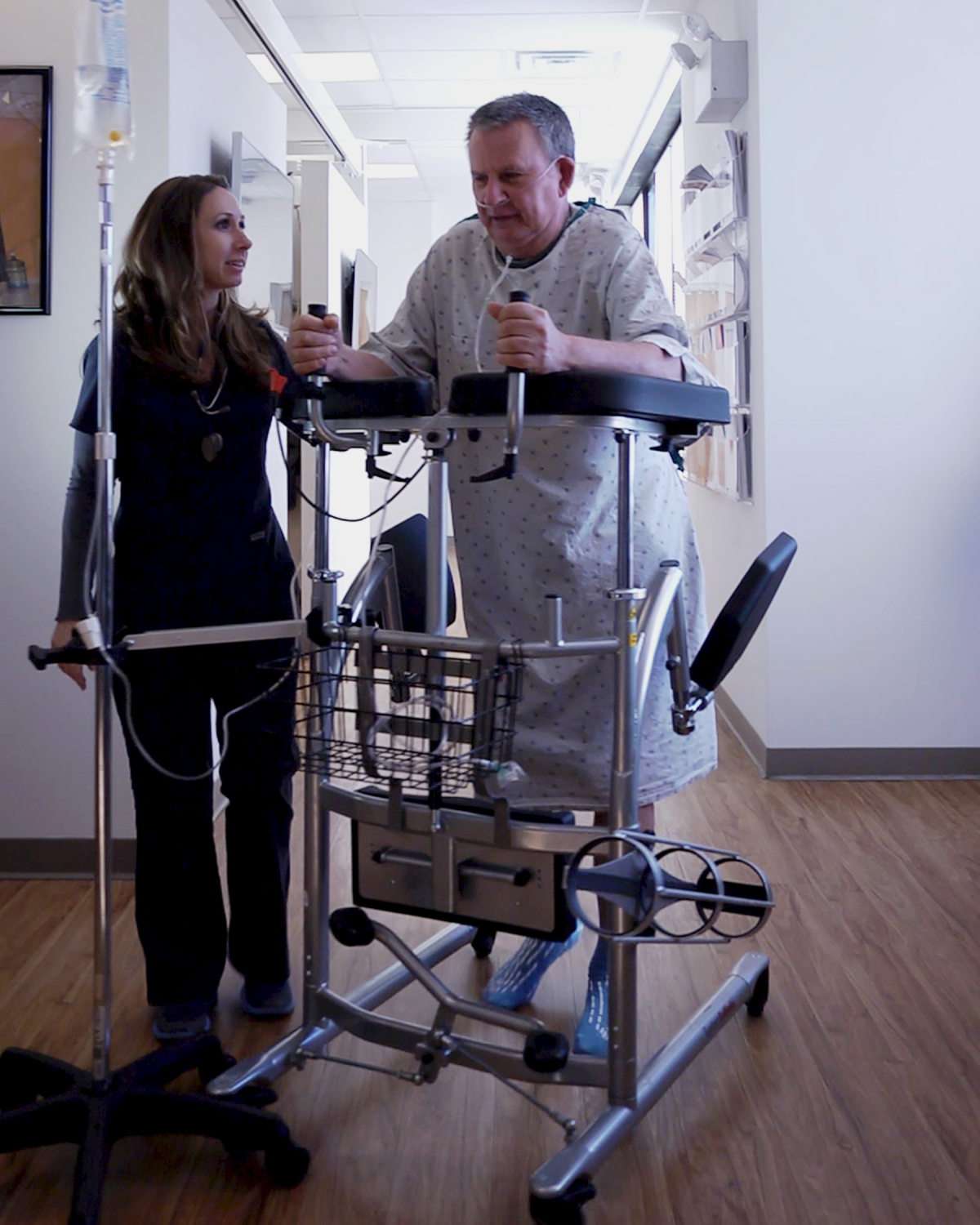
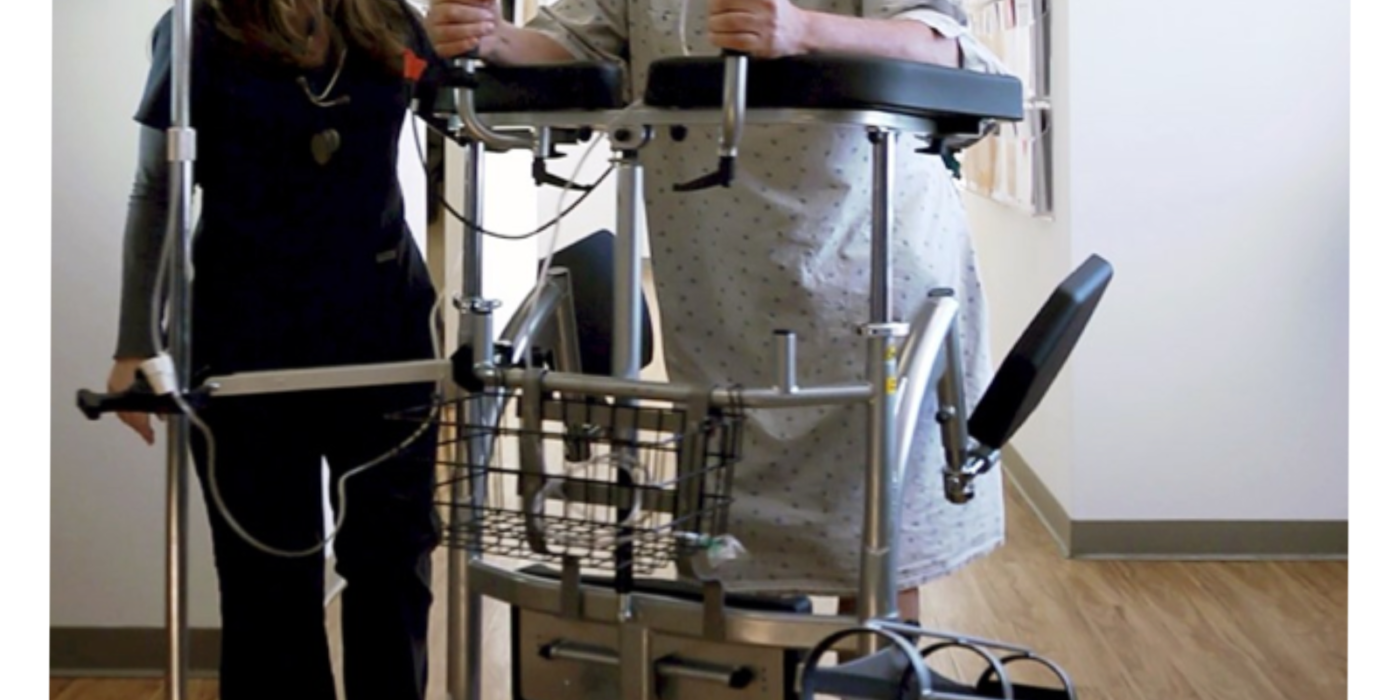
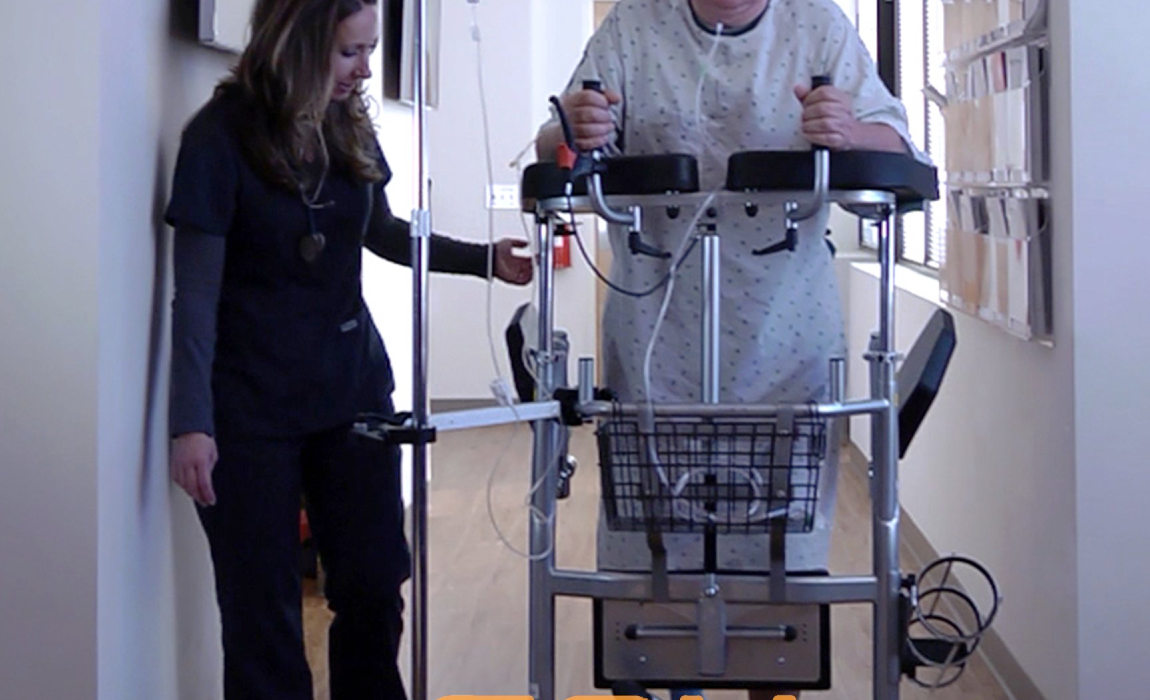
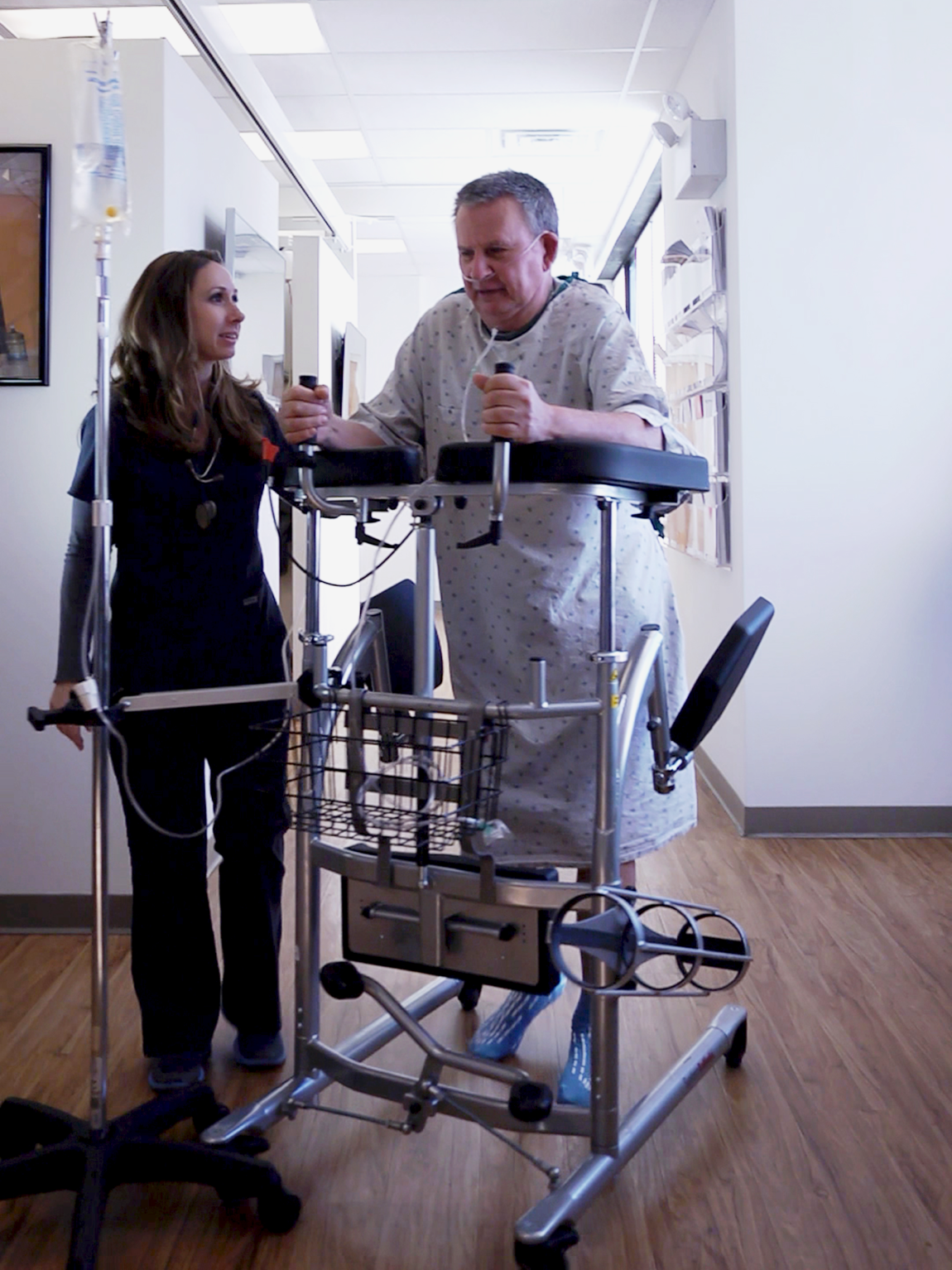
Consider an intensive care nurse walking an oxygen dependent patient down the hallway. The oxygen tank, intravenous pole, and surgical drains all travel secured to the RoWalker, while directional rear locks keep the walk tracking straight and steady. What once demanded a small team now proceeds smoothly and safely.

The RoWalker consolidates support, equipment, and stability into one device, transforming a daunting task into a manageable, repeatable step in recovery. Its thoughtful engineering shows most clearly in the specific features that protect patients during every walk.

Key Features That Build Patient Safety and Confidence

Which design elements make the RoWalker both safe and effective? Every feature serves one goal: helping patients move safely while feeling secure enough to take the next step.

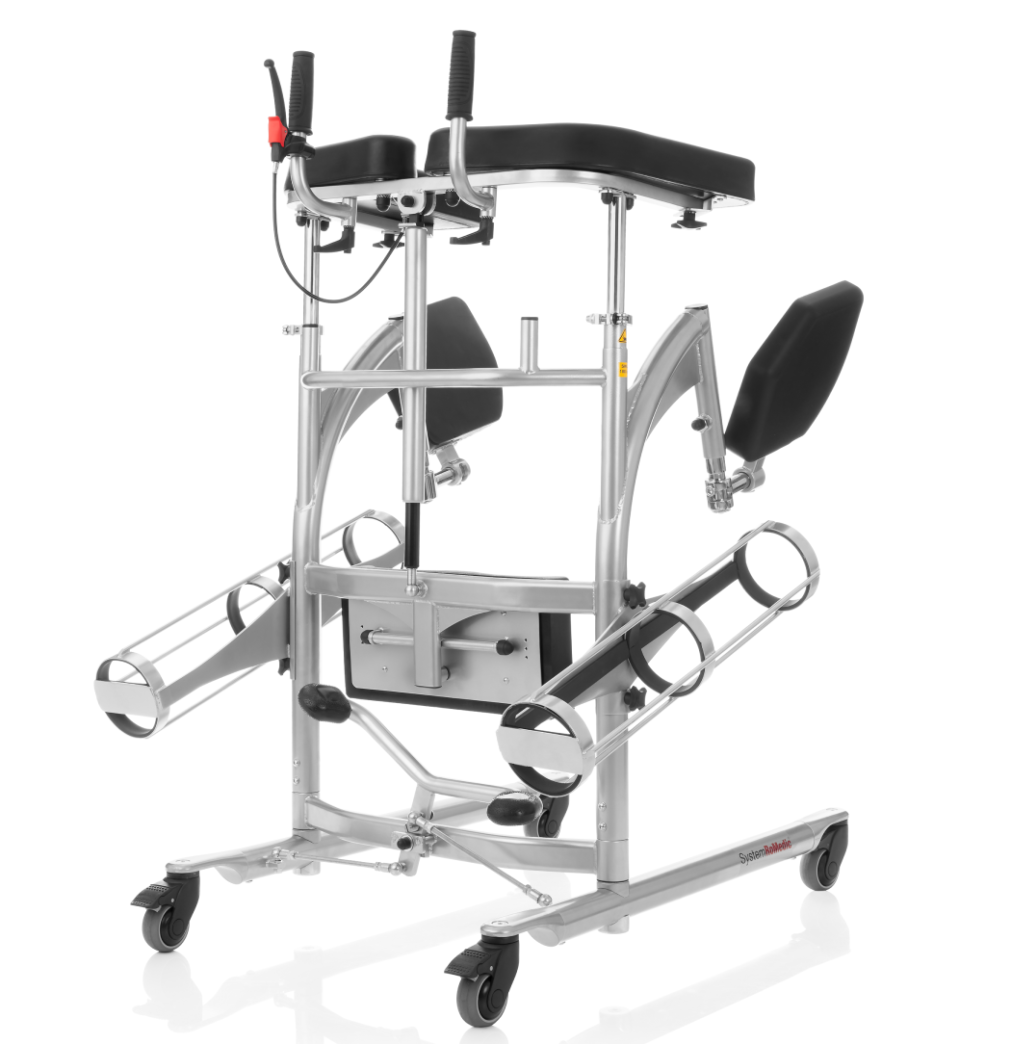
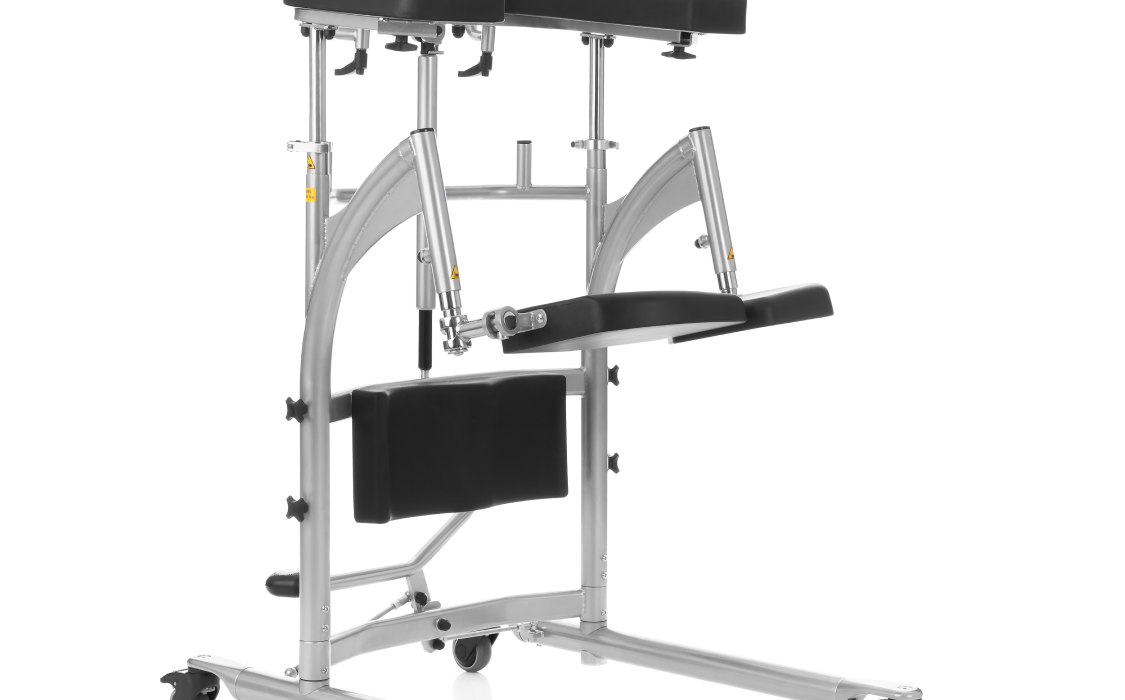
  • Built in split seat pads. These provide a comfortable resting spot mid walk and act as reliable fall prevention, giving patients the confidence to attempt more steps. The pads swing away and fold up to ease transfers in and out of the device.
  • Adjustable armrests and height. Stepless height adjustment, along with individually adjustable armrest and hand grip positioning, ensures a precise fit for patients from short to very tall.
  • Soft kneepad. These offer support during standing and protection during walking.
  • Width adjustable base. This allows the walker to be positioned close to chairs and wheelchairs for easy, safe access.
  • Directional wheel locks and front brakes. Rear directional castors keep the RoWalker tracking straight down the hall, while front brakes lock securely for sit to stand movements and rest periods.
  • Integrated equipment support. Oxygen tank holders, a telescoping intravenous pole, drainage bag hooks, and a customized basket for cardiac monitors keep everything secured and within reach.

The contrast with a conventional attempt is striking

A standard ambulation attempt versus the RoWalker:

  • Standard attempt: multiple staff bracing the patient, loose lines and poles, few rest options, pulling a wheelchair behind the patient, and a higher fall risk
  • RoWalker: secured equipment, integrated support, built in seating for rest, controlled directional walking, and a reduced fall risk

Picture a patient with weak legs who tires halfway down the corridor. Rather than risking an unsteady return trip, the patient simply rests on the seat pads before continuing. What could have been a fall becomes a successful walk.

The RoWalker’s features work together to help patients feel confident and secure, which is the emotional foundation that drives active participation in recovery. These same features carry an equally important benefit for the caregivers guiding each walk.

Reducing Staff Injury and Staffing Demands

How does the RoWalker protect caregivers and ease staffing pressure? By providing stable, engineered support, it eliminates the need for two caregivers and removes the manual strain that makes ambulation one of nursing’s riskiest tasks.

Supporting an unsteady patient by hand forces staff into awkward, high load postures. Biomechanical research, including OHSU Biodynamics laboratory testing, consistently confirms that manual patient handling generates spinal loads far exceeding those required when assistive devices carry the task. In other words, the traditional approach places caregivers directly in harm’s way.

The RoWalker changes that. Its ergonomic design allows a single staff member to safely mobilize a patient the device physically supports. Freeing a second caregiver eases pressure in short staffed units, which means mobility plans actually happen rather than being deferred to a quieter moment that never comes.

Consider a Med Surg unit that once required two nurses for every walk. With the RoWalker, one staff member completes early mobility rounds safely, reclaiming hours of caregiver time across each shift.

How the RoWalker supports SPHM goals

  • Eliminates manual patient support during ambulation
  • Reduces caregiver back and shoulder strain
  • Lowers the staff to patient ratio needed for safe walks
  • Aligns with ANA and APTA Safe Patient Handling and Mobility standards

The RoWalker protects the workforce while making mobility programs genuinely feasible, a rare win for both safety and staffing. These advantages explain why the device has spread far beyond its original surgical roots.

Where the RoWalker Delivers Value Across the Hospital

Which units benefit from the RoWalker? Though designed for cardiothoracic and abdominal surgery patients, it has become a versatile early mobility solution used throughout leading hospitals.

  • Intensive care. It safely mobilizes complex, equipment dependent patients to combat ICU acquired weakness.
  • Med Surg. It supports routine post surgical ambulation with fewer staff members.
  • Orthopedics. It provides stable, confidence building support for patients relearning to walk.
  • Rehabilitation. It serves as a walking and standing training aid and doubles as a mobile standing frame.

Settings where the RoWalker excels:

  • Post cardiothoracic and abdominal surgery recovery
  • Critical care early mobility protocols
  • Orthopedic and surgical step down units
  • Physical therapy and rehabilitation programs

Its small footprint fits any patient room, and its adaptability makes it a single, standardized solution across diverse care areas. That versatility points directly to the return a facility can expect from its investment.

The Clinical and Financial ROI of Early Mobility

Does investing in the RoWalker pay off? It delivers returns on two fronts at once: better patient outcomes and lower avoidable costs.

Faster mobilization is tied to reduced length of stay, and shorter stays bring significant cost savings. Preventing deconditioning, pressure injuries, and clots reduces expensive downstream care. Fewer staff injuries mean fewer workers compensation claims and fewer lost workdays. Patients who recover mobility sooner report better experiences, which supports your HCAHPS scores and process improvement goals.

Where the ROI shows up:

  • Reduced length of stay and lower hospital costs
  • Fewer immobility related complications
  • Lower workers compensation and injury claims
  • Improved patient satisfaction and outcomes

Picture an administrator weighing the one time cost of RoWalker units against a single year of extended stays and staff injury claims tied to unsafe or delayed ambulation. When the numbers sit side by side, the RoWalker stops looking like an equipment expense. It becomes a high return investment in outcomes, safety, and efficiency.

Immobility drives deconditioning, weakness, pressure injuries, and dangerous clots. Early mobilization reverses that trajectory, shortening stays and speeding recovery. The SPH Medical RoWalker 400 makes early ambulation safe and practical, protecting patients from falls, protecting staff from injury, and easing staffing demands across your facility.

The right device truly does turn a delayed, high effort walk into a safe, confident first step.

Start by assessing your current early mobility practices. Identify the units where delayed ambulation is quietly stalling recovery, and gather honest input from your nursing and therapy teams about the barriers they face. Then bring the RoWalker to your SPHM or value analysis committee for evaluation, where the evidence can guide an informed decision.

The RoWalker is the gold standard of early patient mobility devices and an evidence based step toward safer patients, healthier staff, and stronger outcomes. To see how it can transform your early mobility program, contact SPH Medical to request a quote to improve patient mobilization at your facility.
RoWalker improves patient mobility
Categoriesearly mobility,  Patient Handling

Recovery With The RoWalker A Decade Of Excellence

Prolonged immobility in the Intensive Care Unit is a devastating and costly clinical liability. When critically ill patients remain confined to their beds for extended periods, they rapidly lose essential muscle mass and face a severe, heightened risk of developing secondary complications. The most effective strategy to reduce hospital length of stay and drive superior patient outcomes is initiating early and safe patient mobility with mobility products like the RoWalker. However, mobilizing ventilator-dependent or bariatric patients presents extreme risks to both the patient and the healthcare provider, creating significant barriers to this crucial intervention.

Manual patient handling under these high-acuity conditions actively and directly contributes to severe musculoskeletal injuries among dedicated healthcare workers. Furthermore, it creates highly unstable and dangerous environments for already vulnerable patients. The definitive solution to this escalating crisis is providing your clinical staff with the absolute best and most reliable mechanical support equipment available.

For over 10 years, the RoWalker from SPH Medical has stood as the premier and most trusted early mobility solution in the industry. It provides complete mechanical stability, empowering facilities to mobilize patients safely, reduce the incidence of pressure ulcers, and drastically accelerate ICU recovery times. Our innovative solutions enable healthcare professionals to safely lift, transfer, position, and mobilize patients, all while completely avoiding the personal risk of injury.

Over 10 Years of Proven Success in the ICU

Implementing a comprehensive and structured early mobility program is no longer optional; it is a fundamental requirement for modern healthcare facilities aiming for clinical excellence. The profound benefits of getting patients upright and moving as soon as clinically possible are supported by over a decade of irrefutable evidence gathered from facilities utilizing the RoWalker.

Accelerating the Healing Process and Reducing Length of Stay
Early weight-bearing exercises are absolutely essential for preventing the severe muscle atrophy that is all too common in the ICU. When patients are mobilized early in their stay, they maintain their functional strength, which in turn accelerates the entire healing process. Furthermore, upright positioning and purposeful movement serve as highly effective interventions for pressure ulcer prevention. Since prolonged immobility is a primary driver of skin breakdown, using the RoWalker perfectly complements the stringent standards of wound care nurses and aligns directly with established WOCN protocols.

Accelerating the healing process has a direct and massive positive impact on overall hospital operations. A full decade of clinical utilization proves that the RoWalker consistently helps facilities shorten both ICU and overall hospital stays. Shorter hospital stays directly reduce overall hospital costs and, just as importantly, free up critical bed space for new admissions, improving throughput and access to care.RoWalker Early Mobility ICU Walker improves recovery

Aligning with National Safety Standards and Providing Recovery With The RoWalker

Protecting your highly skilled staff is just as important as protecting your patients. Utilizing engineered mobility solutions like the RoWalker strictly aligns with the Safe Patient Handling and Mobility safety standards set forth by the ANA, APTA, and AORN. Years of extensive evidence confirm that comprehensive Safe Patient Handling programs improve patient and staff safety immensely.

When facilities provide comprehensive support tools like the RoWalker, they witness an immediate and significant reduction in staff injury rates and severity. This directly leads to a massive reduction in workers’ compensation costs. Lost work days for staff are reduced drastically, which helps in preserving your highly skilled workforce, reducing turnover, and boosting overall department morale.

Unmatched Engineering: Core Features of the RoWalker

To truly and safely mobilize patients in a complex and crowded environment like the ICU, the equipment must be exceptionally engineered. The RoWalker delivers unparalleled performance through a powerful combination of supreme stability and seamless integration with other essential medical equipment.

Supreme Stability and Fall Prevention

The absolute foundation of effective and confident gait training is stability. The RoWalker features built-in safety seat flaps that provide an immediate, secure resting spot for the patient. If a patient becomes suddenly fatigued or dizzy during a therapy session, they can simply and safely sit down. This design feature completely eliminates the profound fear of falling, which is a major psychological barrier, and builds immense patient confidence during these critical therapy sessions.

Furthermore, the advanced directional casters provide superior, controlled maneuverability. These specialized casters allow a single caregiver to navigate the tight, often cluttered spaces of an ICU safely and smoothly. You can guide the patient with absolute precision, ensuring a completely secure and controlled environment for every rehabilitation session.

Seamless Equipment Integration for High-Acuity Care

Mobilizing ICU patients has traditionally required multiple staff members just to carry and manage the necessary life support equipment. Implementing recovery with the RoWalker eliminates this dangerous and inefficient practice entirely. It features a dedicated, secure oxygen tank holder and an integrated IV pole. These thoughtful features consolidate critical life support equipment into one single, mobile unit, thereby eliminating the dangerous need for extra staff members to manually carry tethers and poles during ambulation.

Additionally, recovery with the RoWalker is provided possible with the abilities of the walker. Included with the RoWalker is a sturdy, accessible front basket. This basket is perfectly designed to hold cardiac monitors, chest drains, or even personal items. It ensures that real-time patient monitoring remains completely uninterrupted during physical therapy sessions. As a result, the nurse or therapist can focus their full attention entirely on the patient’s gait and progress, rather than managing a tangled and hazardous web of cords and machines.

Elevating Patient Outcomes and Empowering Clinical Staff

Investing in the highest standard of ICU rehabilitation equipment delivers profound and measurable returns that resonate across your entire organization. It fundamentally transforms the patient experience from one of passive recovery to active healing and empowers your clinical staff to perform at their absolute best.

Protecting the Healthcare Workforce

Your clinical staff is your organization’s most valuable asset. Replacing dangerous and outdated manual lifting practices with advanced assistive devices is the absolute only way to protect them from career-ending injuries. Independent OHSU Biodynamics lab testing confirms the extreme danger and high physical strain of manual patient handling when compared to the safety and efficiency of using highly engineered assistive devices.

The RoWalker completely removes the immense physical burden from nurses and physical therapists. When the equipment provides the necessary support, the therapist can dedicate their focus entirely to gait mechanics, functional improvement, and providing recovery with the RoWalker. This shift not only boosts staff morale significantly but also ensures comprehensive and consistent adherence to safety protocols throughout your facility.RoWalker improves safety and mobility

Driving Performance and Recovery With The RoWalker

A secure, mechanically supported environment builds incredible patient compliance during foundational gait mechanics training. When patients feel safe and protected from falls, they are far more willing to push themselves during therapy. This increased confidence leads directly to higher patient compliance with rehabilitation protocols and faster progress toward mobility goals.

This accelerated and safe rehabilitation connects directly to surging patient satisfaction scores. Patients and their families readily recognize when a facility invests in their safety, comfort, and active recovery. Achieving these critical facility performance metrics demonstrates an unwavering and uncompromising commitment to clinical excellence and patient-centered care.

The RoWalker is not merely an optional upgrade for your intensive care unit; it is the fundamental, proven requirement for any comprehensive ICU early mobility and safe patient handling program. A legacy of over 10 years of successful ICU mobilization across numerous facilities proves its unmatched ability to improve patient safety and patient satisfaction simultaneously.

The non-negotiable standard of modern care demands that hospitals stop relying on outdated equipment and manual practices that compromise safety and unnecessarily extend patient recovery times. SPH Medical provides the innovative, comprehensive solutions required to meet the complex and evolving demands of modern critical care.

Do not allow dangerous manual handling practices to threaten your dedicated staff or delay your patients from returning home to their families. Enhance patient safety, protect your workforce, and elevate your rehabilitation capabilities today. Contact SPH Medical to request a quote for the RoWalker and integrate the ultimate early mobility solution into your ICU.

Revolutionizing Recovery with SPH Medical RoWalker for Early Mobility
Categoriesearly mobility,  Patient Handling

Revolutionizing Recovery with the SPH Medical RoWalker

Revolutionizing Recovery with RoWalker: How Leading Health Systems Are Implementing Early Patient Mobility with the RoWalker

The paradigm of patient recovery has shifted fundamentally. In top-tier health systems across the country, prolonged bed rest is no longer the default for high-acuity patients. Instead, these institutions are embracing a new standard of care: early patient mobility. This proactive approach is critical for reducing complications, shortening hospital stays, and improving long-term outcomes. At the center of these successful programs is the SPH Medical RoWalker, a revolutionary technology that bridges the gap between bed rest and independent ambulation.

The Paradigm Shift to Early Mobility

For decades, bed rest was prescribed as a primary component of recovery. However, modern clinical evidence confirms that immobility is often more dangerous than the condition being treated. The detrimental effects of bed rest—severe muscle atrophy, increased risk of pneumonia, development of pressure injuries, and psychological decline—begin within hours of admission.

Leading health systems have recognized that to combat these risks, patients must move early and often. The challenge has always been safety: how to mobilize weak, unstable patients without risking falls or causing injury to the nursing staff. The RoWalker solves this critical problem. “You have literally revolutionized early mobility with the RoWalker” said one customer. It is not merely a walker; it is a comprehensive mobilization platform designed to facilitate safe, early ambulation for patients who are too weak for standard equipment but need to move to recover.

Revolutionizing Recovery with SPH Medical RoWalker for Early Mobility 2026

Clinical Evidence: Why Early Mobility Programs Are Essential

The adoption of early mobility protocols is driven by irrefutable clinical data. Hospitals that prioritize movement see measurable improvements in patient health and operational efficiency.

Improving Patient Outcomes

The physiological benefits of early ambulation are profound.

  • Muscle Preservation: ICU-acquired weakness is a significant complication of critical illness. Early mobility prevents the rapid decline of muscle mass, preserving the patient’s functional independence.
  • Respiratory Health: Upright positioning and movement significantly improve lung expansion and secretion clearance, directly reducing the incidence of ventilator-associated pneumonia (VAP) and other respiratory complications.
  • Psychological Well-being: Immobility contributes to delirium and depression in hospitalized patients. Mobile patients are more alert, engaged, and experience better mental health outcomes, which speeds up the overall recovery process.

Operational and Financial Impact

Beyond clinical benefits, early mobility programs deliver a substantial return on investment for healthcare facilities.

  • Reduced Length of Stay (LOS): There is a direct correlation between early mobility initiatives and shorter stays in both the ICU and the general medical-surgical units. Getting patients moving gets them home faster.
  • Cost Reduction: By reducing LOS and preventing costly complications like hospital-acquired pressure injuries (HAPIs) and falls, facilities can save significantly on non-reimbursable treatment costs.

The RoWalker: The Centerpiece of Successful Mobility Programs

Implementing an early mobility program requires more than just policy changes; it requires the right equipment. The RoWalker serves as the essential bridge for patients transitioning from bed rest to standing. It is the only device that fully satisfies the rigorous demands of both Nursing and Physical Therapy departments.

Collaborative Success for Clinical Teams

For nurses, the RoWalker is a game-changer for staff safety. It eliminates the physical burden of manually supporting a patient’s weight during ambulation. Nurses can confidently mobilize patients without the fear of back strain or musculoskeletal injury, aligning with Safe Patient Handling (SPH) standards.

For physical therapists, the device acts as a force multiplier. It allows for longer, more productive therapy sessions. Because the device handles the safety and support aspects, therapists can focus entirely on gait training mechanics and functional improvement rather than expending energy just to keep the patient upright.

Engineered for the Clinical Environment

The RoWalker is engineered specifically for the complex hospital environment. Its design features address the practical challenges of mobilizing high-acuity patients.

Unmatched Safety and Support

  • Stepless Height Adjustment: The electric height adjustment capability is a critical safety feature. It allows patients to transition from sitting to standing with powered assistance. The height can be adjusted easily to provide customized, ergonomic support for patients of any stature.
  • Padded Armrests: Unlike standard walkers that require hand grip strength, the RoWalker features wide, padded armrests. This allows patients to bear weight through their forearms and upper body, reducing fatigue and enabling those with weak grip strength to mobilize safely.
  • Built-in Seat Pads: Safety is paramount during early mobilization. The integrated safety seat pads provide an immediate resting spot. If a patient becomes fatigued or dizzy mid-session, they can simply sit down safely within the device, preventing falls.

Integrated Patient Care Equipment

One of the biggest barriers to mobilizing ICU patients is managing the “tether” of equipment. The RoWalker consolidates these necessities into a single, mobile unit.

  • Oxygen Tank Holder: The dedicated holder eliminates the need for a second staff member to trail behind the patient carrying an O2 cylinder, streamlining the process.
  • Front Basket: A sturdy front basket provides a secure location for cardiac monitors, chest drains, or the patient’s personal items, keeping hands free for support.
  • IV Pole Integration: With a built-in IV pole, the RoWalker becomes a self-contained mobilization system. Lines and tubes are managed safely, reducing the risk of dislodgement during movement.
  • The evidence is clear: early mobility is the key to better outcomes, reduced lengths of stay, and safer hospitals. However, a protocol is only as good as the tools available to execute it. Leading health systems are choosing the RoWalker because it transforms the concept of early mobility from a difficult task into a safe, routine standard of care.

Implementing the RoWalker demonstrates a commitment to clinical excellence, staff safety, and superior patient recovery. Do not let outdated equipment hinder your facility’s performance.

Elevate your standard of care today.
Contact SPH Medical to request a quote for the RoWalker and empower your patients to get back on their feet sooner and safer.

SPH Medicals RoWalker is the gold standard for early mobility
CategoriesPatient Handling

Accelerating Recovery in ICU Patients with the RoWalker

Immobilization in the Intensive Care Unit (ICU) comes with a host of challenges for critically ill patients. From muscle atrophy to mental health decline, the effects of prolonged bedrest can hinder recovery and impact long-term prognosis. Early intervention, particularly through mobility programs, has proven to be a critical factor in improving patient outcomes—but safe and effective mobilization requires the right tools. Enter the RoWalker, an advanced mobility aid tailored for ICU settings. The SPH Medical RoWalker helps patients regain their strength and independence earlier, while accelerating recovery in ICU Patients.

Features of the RoWalker That Enhance Early Mobility

The RoWalker stands out for its patient-centered design. It’s not just mobility equipment; it’s a highly specialized tool that rebuilds patient confidence and supports safe, effective ambulation.

Key features include ergonomic handles, adjustable weight-bearing harnesses, and built-in holders for oxygen cylinders and IV lines. These features are indispensable in ICU settings, where many patients remain connected to life-sustaining equipment and require additional support. By prioritizing both safety and functionality, the RoWalker enables patients to take their first steps—even in the most critical phases of care.

The device is also designed to adapt to the specific needs of individual patients. Adjustable components ensure a customized fit, while padded supports provide additional comfort. Medical professionals praise the RoWalker for how it simplifies mobility routines; one physical therapist described it as “a game-changer for motivating patients who might otherwise fear or avoid standing up and walking again.”

Clinical Evidence Supporting Mobility Programs Are Accelerating Recovery in ICU Patients

The importance of early mobility in ICUs cannot be overstated. Research across the healthcare field has demonstrated that early ambulation can prevent serious complications, such as ventilator-associated pneumonia and ICU-acquired weakness (ICUAW). Tools like the RoWalker turn these findings into actionable results by enabling hospitals to implement such programs effectively.
A landmark study published in The Lancet Respiratory Medicine explored the outcomes of early mobility programs, finding that these interventions reduced delirium by nearly 40% while also shortening ICU stays. Another prominent trial, known as the TEAM (Targeted Early Ambulation in Critically Ill Patients) study, demonstrated measurable improvements in both physical function and hospital discharge timelines when patients were engaged in structured mobility plans.

With advanced features that support varying levels of patient dependency, the RoWalker is perfectly aligned with these mobility protocols. ICU patients who use this device are better able to ambulate earlier and more confidently, which correlates to faster recovery.

Positive Outcomes for Patients and Hospitals

The RoWalker’s impact extends far beyond individual patients. By improving early mobility outcomes, hospitals also see benefits in efficiency, cost management, and care quality.

For patients, the improvements are evident. Those mobilized early with tools like the RoWalker experience better muscle tone, improved cardiovascular health, and enhanced cognitive recovery. Furthermore, individuals who regain independence sooner often have lower readmission rates and reduced instances of post-ICU syndrome.

Hospitals gain operational advantages as well. While accelerating recovery in ICU patients, hospitals are also freeing up critical ICU resources, allowing for better patient throughput. Multiple studies indicate that patients who participate in early mobility programs spend fewer days on ventilators, in the ICU, and overall in the hospital. These improvements translate into significant cost savings, with one analysis demonstrating an average reduction of $5,000 per ICU patient when mobility protocols were implemented.

One hospital implementing the RoWalker reported remarkable success in reducing average ICU stays by 2.5 days per patient, freeing up valuable bed space while maintaining gold-standard care.

How the RoWalker Supports Staff Safety and Efficiency

ICU care can be physically demanding, particularly when assisting patients with limited mobility. Traditional methods of ambulation, such as manual lifting and walking support, place medical staff at risk for injuries, most commonly back and shoulder strains. Improper patient handling is a leading cause of worker injury in healthcare settings, according to the Occupational Safety and Health Administration (OSHA).

The RoWalker minimizes these risks with its ergonomic design and structural capabilities that enable staff to guide patients without bearing their weight. Adjustable components and secure harnesses ensure that patients are stabilized effectively, eliminating the need for makeshift solutions like hand-holding or manual straps.

Additionally, the RoWalker’s streamlined design contributes to overall workflow efficiency. Physical Therapists and nurses using the device report faster patient transfers and more consistent mobility sessions, leaving them with more time to focus on other critical care tasks. One ICU nurse shared, “The RoWalker allows us to spend less time struggling to assist patients and more time encouraging them to reach their recovery goals.”

RoWalker is the gold standard of acute care mobility devices

Case Studies in Success

A large healthcare system in the Midwest introduced the RoWalker into its ICU mobility programs and documented impressive results. Over a six-month period, the facility reported the following outcomes:

  • 20% reduction in average ICU length of stay.
  • Significant decreases in workplace injury claims tied to patient handling.
  • Higher patient-satisfaction scores relating to the care experience.

One patient who benefited from the RoWalker described their progress, sharing, “I found those first steps terrifying, but the RoWalker gave me the confidence I needed. By the time I left the ICU, I was walking twice as far as I thought I’d be able to—it felt like a miracle.”

Physicians working with early mobility protocols have similarly praised the device. They noted that its easy adaptability and patient-friendly design allowed mobility sessions to begin earlier, often within hours of weaning off sedation or mechanical ventilation.

The RoWalker; Accelerating Recovery in ICU Patients

The RoWalker is changing the game for ICU mobility programs, proving itself as a critical tool in advancing patient recovery and improving healthcare operations. With its specialized features, patients gain confidence and stability, staff experience safer workflows, and hospitals see measurable improvements in efficiency and cost-effectiveness.

Investing in tools like the RoWalker represents a commitment to both patient and staff well-being. For ICU teams aiming to set higher standards in care, early mobility programs empowered by advanced tools like the RoWalker are no longer optional—they are essential.

Early Patient Mobility programs across the world use the SPH Medical RoWalker
CategoriesPatient Handling

RoWalker as a Catalyst for Safer, Faster ICU Recoveries

Extended immobility in the Intensive Care Unit (ICU) can cast a long shadow over a patient’s recovery, leading to severe complications like ICU-acquired weakness (ICUAW), diminished cognitive function, and prolonged dependability on care. Reversing these effects requires a proactive approach to mobility—even during the critical care phase. The RoWalker, an advanced mobility device designed for ICU patients, facilitates faster, safer ambulation. Its integration into ICU recoveries programs are driving extraordinary results—streamlining recovery, improving patient and staff safety, and cutting hospital stays.

Read on to discover how the RoWalker sets a new standard for ICU recovery through innovative design, measurable outcomes, and best practices for clinical implementation.

Patient-Centered Design of the RoWalker

What sets the RoWalker apart is its patient-focused design, which combines comfort, safety, and adaptability. Developed specifically for critically ill patients, the device empowers individuals of all dependency levels to safely regain mobility.

Features like padded arm supports, and ergonomic adjustable handles allow customization to suit patients of varying sizes and conditions. Patients are further supported by intuitive components such as built-in holders for oxygen tanks and IV lines, which ease transitions from bed to mobility. Such innovative design helps alleviate the anxiety often associated with first attempts at walking after prolonged immobility.

The innovative RoWalker seat flaps are the game changer

The Importance of RoWalker in ICU Recoveries

Importantly, the RoWalker helps patients achieve meaningful milestones in stages. For example, one ICU patient recovering from severe pneumonia used the RoWalker to stand and take their first steps after six days of mechanical ventilation. The secure support provided by the device instilled the confidence they needed, transforming uncertainty into hope.

Improving ICU Outcomes Through Mobility

Clinical evidence continues to confirm the link between early mobility and better ICU Recoveries. Patients who regain mobility earlier are less likely to develop complications like blood clots, ventilator-associated pneumonia, and ICU delirium. They also experience quicker improvements in muscle tone and respiratory health, which are critical to long-term recovery.

The RoWalker facilitates these gains by supporting patients at every stage of their ICU stay—whether they are tethered to breathing apparatus or transitioning to unassisted ambulation. Studies show that introducing structured mobility programs reduces the duration of mechanical ventilation by 20–25%, while shortening the overall ICU length of stay by 2 to 4 days. These outcomes accelerate recovery and ease the transition to less-intensive care settings.

Testimonials from ICU teams highlight just how impactful early mobility can be. Physicians using the RoWalker praise the device’s role in facilitating functional recovery for patients sooner than previously possible. One staff member explained, “Patients who walk earlier recover their independence faster, and it opens up capacity for others needing ICU-level care.”

Economic and Operational Benefits of Reduced Length of Stay

Reduced ICU lengths of stay benefit everyone involved in patient care. From freeing up critical resources to lowering the financial burden on both hospitals and patients, investing in effective mobility programs is a win-win scenario.

For hospitals, decreasing patient turnover means greater efficiency. Beds and staff resources are made available to help newly admitted patients, reducing bottlenecks in intensive care units. Additionally, shorter stays lower the potential for costly complications, such as readmissions and extended rehabilitation periods.

From a financial perspective, early mobility programs have been shown to significantly reduce costs. The average savings for hospitals implementing these programs sits at $5,000–$8,000 per patient, based on decreased stays and reduced need for intensive therapies. Advanced tools like the RoWalker are not just expense items; they’re cost-saving investments in operational excellence.RoWalker is the gold standard of acute care mobility devices

Enhancing Both Patient and ICU Recoveries

Safety lies at the heart of early mobility strategies. Patient falls and injuries during ambulation attempts are significant risks, particularly for ICU patients with weakened muscle tone or residual sedation. The RoWalker’s built-in safety harnesses, weight-bearing supports, and adjustable height settings address these concerns directly, providing a secure experience for patients ready to take their first steps.

Just as important as ICU Recoveries, equally important is staff safety. Assisting patients without appropriate tools often results in physical strain or injury for nurses and physical therapists. Improper patient handling ranks among the leading causes of musculoskeletal injuries in healthcare professionals. The RoWalker mitigates these risks by redistributing patient weight and stabilizing movement, which minimizes the physical demands on caregivers.

ICU nursing staff who use the RoWalker report fewer back injuries and a greater sense of confidence during mobility routines. By making both patient and caregiver safety paramount, the device ensures seamless collaboration toward recovery milestones.

The Future of ICU Mobility Programs

The RoWalker represents the leading edge of a burgeoning movement toward incorporating advanced technology in critical care settings. As research continues to underscore the long-term benefits of early mobility, hospitals have begun integrating solutions like the RoWalker into broader rehabilitation care pathways.

Beyond its immediate use in ICUs, the device has applications in step-down units, cardiac recovery, and even post-surgical wards. Its versatility makes it a mainstay in value-based care systems, where improved outcomes and cost considerations take precedence.
Looking forward, the integration of smart technologies into devices like the RoWalker is a promising avenue for continuous improvement. Features such as motion tracking and real-time data sharing with healthcare teams could further enhance recovery metrics without compromising patient safety.

Clinical Guidelines for Implementation

Adopting the RoWalker into ICU mobility programs requires careful planning to align with clinical best practices. The Society of Critical Care Medicine (SCCM) outlines guidelines for early mobility in critical care, emphasizing safety, gradual progression, and multidisciplinary collaboration among physicians, nurses, and physical therapists.

Hospitals aiming to implement the RoWalker should consider the following steps:

  • Comprehensive Staff Training: Ensure all ICU caregivers are equipped to operate the RoWalker and understand the mobility protocol.
  • Patient Assessments: Individualize mobility milestones based on health status and contraindications, ensuring readiness before each session.
  • Data-Driven Improvements: Monitor recovery data to optimize the frequency and intensity of ambulation sessions.
    Several success stories from leading healthcare systems demonstrate that following these guidelines yields higher success rates, both in patient outcomes and operational efficiency.

The RoWalker is more than just a mobility aid—it’s a catalyst for safer, faster ICU recoveries. Its patient-centered design and innovative features actively enhance physical and emotional healing, while simultaneously protecting staff from injury. Backed by clinical evidence, the RoWalker delivers measurable results, including shorter hospital stays and significant cost savings.

RoWalker and it’s Importance in ICU Recoveries

By prioritizing early mobility and adopting advanced solutions like the RoWalker, ICU teams can revolutionize critical care standards, ensuring patients are set on the path to recovery sooner and more effectively. It’s time to rethink what’s possible in ICU rehabilitation—and the RoWalker is leading the way.

Improving staff and patient safety during early mobility with SPH Medical's RoWalker
CategoriesPatient Handling

Transforming Patient Outcomes and Staff Safety with the SPH Medical RoWalker

In the transforming landscape of intensive care units (ICUs), patient mobility has emerged as a key determinant of recovery success. The SPH Medical RoWalker plays a pivotal role in this change, offering innovative solutions that significantly improve patient outcomes and staff well-being. This comprehensive article delves into the evolution of patient mobility, the distinctive features of the RoWalker, and its profound impact on the healthcare environment.

The Evolution of Patient Mobility in Critical Care

ICUs have traditionally followed a cautious approach to patient mobility, prioritizing life-sustaining treatments while often relegating movement to a secondary concern. However, this approach resulted in complications such as muscle atrophy, pressure ulcers, and extended hospital stays. In recent years, a paradigm shift has occurred towards incorporating early mobility as a standard practice. Research indicates that early movement not only reduces these complications but also shortens recovery time, highlighting the necessity for reliable aids like the RoWalker to facilitate these protocols safely and effectively.

RoWalker is the gold standard of acute care walkers

Unique Features of the SPH Medical RoWalker

The SPH Medical RoWalker stands out with its array of features specifically designed to enhance ICU patient mobility:

  • Seat Flaps: These provide an additional layer of security, reducing the risk of falls and instilling patient confidence during mobilization.
  • Front Basket: Allows for the easy transport of cardiac monitors and other medical equipment, ensuring functionality alongside mobility.
  • Integrated IV Pole and Oxygen Tank Holder: Simplifies the movement of essential medical supplies, facilitating uninterrupted patient care.
  • Directional Casters: Offer smooth and controlled movement across different surfaces, crucial in a dynamic ICU setting.
  • Stepless Height Adjustment for Armrests: Customizes support for patients of varying heights, enhancing comfort and adaptability.
  • 400lb Weight Capacity: Ensures safe and inclusive patient care, accommodating a diverse range of body weights.
  • Brakes on the front wheels: Brakes can be engaged when the patient is entering or exiting the RoWalker.

Enhancing Patient Outcomes

The RoWalker contributes significantly to improving patient outcomes by promoting safe and early mobility. Evidence shows that hospitals utilizing the RoWalker see a reduction in fall-related injuries and faster patient recovery times. For instance, a recent study highlighted a 30% decrease in ICU length of stay for patients using the device, underscoring its effectiveness in accelerating the healing process. This not only benefits the patients but also enhances the overall efficiency of healthcare delivery systems.

Boosting Staff Well-Being with The SPH Medical RoWalker

Healthcare staff experience substantial benefits from the ergonomic design of the RoWalker. By minimizing manual handling, the device reduces physical strain and lowers the incidence of musculoskeletal injuries among staff. Health professionals report increased job satisfaction and decreased fatigue, allowing them to concentrate more on providing quality patient care. Occupational health specialists advocate for the RoWalker’s integration, emphasizing its role in creating a healthier work environment.

Real-World Examples and Expert Opinions

Real-world implementations of the RoWalker have consistently demonstrated its impact on patient and staff experiences. Hospitals that have adopted the RoWalker report improved patient mobility metrics and enhanced staff morale. Expert opinions from rehabilitation specialists highlight the device’s innovative design, praising its capacity to transform ICU care by making early mobility more accessible and effective.

The SPH Medical RoWalker is redefining patient mobility in ICUs, offering a comprehensive solution that improves both patient outcomes and staff well-being. By incorporating the RoWalker’s unique features into mobility protocols, healthcare facilities can provide safer, more effective care. As the healthcare industry continues to evolve, innovations like the RoWalker will be instrumental in advancing patient-centered care and optimizing healthcare environments. Embracing such technology not only elevates the standard of care but also fosters a supportive and efficient workplace for healthcare professionals.

Mobilize patients safely with RoWalker by SPH Medical
CategoriesPatient Handling

Enhancing Patient and Staff Safety with the SPH Medical RoWalker

In the fast-paced environment of intensive care units (ICUs), early patient mobility is a critical component of recovery. It plays a significant role in improving patient outcomes and reducing the length of hospital stays. The SPH Medical RoWalker stands out as an essential tool designed to facilitate early mobility while enhancing safety for both patients and healthcare staff.

RoWalker is an Acute Care Platform Walker

The History and Trends of Early Patient Mobility

Early patient mobility has evolved significantly over the years. Historically, patients in ICUs were often bedridden until they were deemed stable enough to move. However, research has shown that this approach can lead to muscle atrophy, increased risk of deep vein thrombosis, and longer recovery times. Modern trends now emphasize early mobility as a standard practice, supported by evidence demonstrating its benefits in reducing complications and improving recovery rates. As patient-centered care becomes the norm, the integration of mobility aids like the RoWalker is more crucial than ever.

Evidence-based Early Patient Mobility programs have demonstrated significant clinical benefits, transforming patient care in intensive care units. These programs focus on initiating mobility as soon as safely possible, which can lead to improved patient outcomes by reducing complications such as muscle atrophy, deep vein thrombosis, and pulmonary issues. Clinical research supports these findings, showing that patients engaged in early mobility are less likely to experience prolonged recovery periods, often resulting in shorter hospital stays. As a standard practice in modern ICUs, these programs emphasize the importance of mobility aids like the SPH Medical RoWalker, which enhance program effectiveness by providing stability and support. The RoWalker facilitates safe and confident movement, enabling patients to participate in mobility programs that improve their overall recovery trajectory and quality of life.

Unique Features of the SPH Medical RoWalker

The SPH Medical RoWalker is uniquely designed to meet the demands of ICU settings with several standout features:

  • Seat Flaps: These prevent falls by providing additional stability during use.
  • Front Basket: Ideal for supporting portable cardiac monitors and other essential equipment.
  • Integrated IV Pole and Oxygen Tank Holder: These features make it easier to transport necessary medical equipment alongside the patient.
  • Directional Casters: Allow for smooth maneuverability across different surfaces.
  • Stepless Height Adjustment for Armrests: Ensures comfort and adaptability for patients of various heights.
  • 400lb Weight Capacity: Accommodates a wide range of patient sizes, ensuring inclusivity and safety.RoWalker is the gold standard of acute care walkers

Improving Patient Safety

The RoWalker significantly reduces fall risks by providing a stable and secure platform for patients to engage in early mobility. For instance, hospitals using the RoWalker have reported a marked decrease in fall incidents, thanks to its innovative design. Testimonials from healthcare providers highlight its impact on patient confidence, as the added stability allows patients to focus on walking rather than worrying about falling. Statistics show that using devices like the RoWalker can reduce fall rates by up to 25%, thereby enhancing patient safety.

Enhancing Staff Safety with The SPH Medical RoWalker

For healthcare staff, the ergonomic design of the RoWalker minimizes physical strain, lowering the risk of work-related injuries. By eliminating the need for manual patient handling, staff can focus on guiding patient mobility more effectively. Expert opinions from occupational health specialists underscore the RoWalker’s contribution to a safer working environment, noting a reduction in musculoskeletal injuries among staff who use it regularly.

Case Studies and Real-World Examples

Several hospitals have successfully integrated the RoWalker into their ICU protocols, reporting improved patient outcomes and operational efficiency. For example, a leading hospital documented a 20% improvement in patient mobility rates and a corresponding decrease in average ICU stays. These real-world successes illustrate the RoWalker’s potential to transform patient care by making early mobility safer and more accessible.

The SPH Medical RoWalker is a game-changer in the realm of early patient mobility. By enhancing both patient and staff safety, it offers a comprehensive solution to the challenges faced in ICUs. Healthcare facilities are encouraged to consider the RoWalker for its ability to improve patient outcomes, reduce fall risks, and create a safer, more efficient working environment for staff. As healthcare continues to evolve, tools like the RoWalker are vital in meeting the demands of patient-centered care and workforce well-being.

The SPH Medical RoWalker is the gold standard of early mobility walkers
CategoriesPatient Handling

Unveiling the Future of Patient Mobility: The SPH Medical RoWalker

In the dynamic landscape of healthcare, the pursuit of excellence in patient care has led to groundbreaking advancements. Among these, the emphasis on early mobility and the specialized needs of the bariatric patient population stand out as areas requiring innovative solutions. Enter the SPH Medical RoWalker, a paradigm shift in patient mobility that is setting new standards in ICUs, hospitals, and rehabilitation settings across the globe.

The Imperative of Early Mobility

The journey towards recovery begins with the first step. Research unequivocally supports the notion that early mobility can significantly impact patient outcomes, reducing recovery times and minimizing complications. However, current mobility solutions often fall short, leaving a gap that the SPH Medical RoWalker is uniquely positioned to fill. Its design and functionality address the challenges head-on, ensuring that patients can safely and effectively embark on their recovery journey sooner.

The SPH Medical RoWalker: A Paradigm Shift in Patient Mobility

The RoWalker stands as a beacon of innovation, designed with the patient’s needs at the forefront. Its ergonomic design caters to a wide spectrum of patients, including those within the bariatric category, offering unparalleled support and safety.

Innovative Design

Engineered for excellence, the RoWalker boasts an ergonomic and patient-centric design. It is adaptable, catering not only to standard patients but also providing robust support for bariatric individuals, thereby bridging a significant gap in patient care.

Superior Safety Features

Safety is non-negotiable. The RoWalker is equipped with advanced safety mechanisms, instilling confidence in patients and caregivers alike. These features significantly reduce the risk of falls or injuries, ensuring a secure pathway to mobility.

Enhanced Patient Mobility Support

The essence of the RoWalker lies in its ability to facilitate early mobility with ease. It is not just a tool but a partner in recovery, supporting patients and healthcare providers in achieving the goal of early mobility with unmatched efficiency.

Addressing the Bariatric Patient Population

Bariatric patients face unique challenges in their mobility journey, often compounded by the lack of suitable aids. The RoWalker rises to this challenge, offering a dignified and effective mobility solution. Its robust design ensures that bariatric patients receive the support they need, promoting mobility and contributing to positive health outcomes.

Clinical Benefits and Effectiveness

The effectiveness of the RoWalker is not just theoretical. Data and case studies paint a compelling picture of its impact on patient outcomes. Healthcare professionals from various disciplines have noted reduced recovery times and lower complication rates among patients using the RoWalker. Their testimonials underscore the transformative potential of this innovative mobility solution.

The Future of Healthcare Mobility

The implications of the RoWalker extend far beyond the ICU and hospital settings. Its potential in elderly care, home health settings, and beyond is immense, promising to revolutionize how we approach patient mobility. SPH Medical’s commitment to innovation and continuous improvement ensures that the RoWalker will remain at the cutting edge of healthcare technology.

Call to Action in Patient Mobility

The introduction of the SPH Medical RoWalker represents a pivotal moment in patient care. Healthcare facilities are encouraged to embrace this innovation, not merely as an investment in technology but as a commitment to superior patient care. By adopting the RoWalker, they can lead the way in utilizing advanced solutions that prioritize patient safety, mobility, and dignity.

Conclusion

The SPH Medical RoWalker is more than just a mobility aid; it is a testament to the advancements in healthcare technology and a beacon of hope for patients worldwide. With its unparalleled features, safety, and effectiveness, the RoWalker is redefining patient mobility, promising a future where every step towards recovery is supported by the best tools available. In the landscape of healthcare innovations, the SPH Medical RoWalker stands out as a shining example of how technology can enhance patient care and outcomes, heralding a new era in patient mobility.

The SPH Medical RoWalker is the gold standard of early mobility walkers
CategoriesPatient Handling

SPH Medical RoWalker Redefining Early Mobility with a Walker for All Sizes

SPH Medical is a beacon of innovation in the realm of healthcare safety and mobility. Our unwavering commitment to improving patient outcomes is at the heart of our mission. We continually strive to redefine patient early mobility, particularly in critical care areas such as Intensive Care Units (ICUs) and hospital/rehab settings.

The Crucial Role of Early Mobility

The role of early patient mobility in ICUs and rehab settings is pivotal. Cutting-edge research consistently underscores the profound impact of initiating movement post-treatment on accelerating recovery times. However, this crucial aspect of patient care often presents an array of challenges, particularly when addressing the diverse needs of patients of all sizes.

The SPH Medical RoWalker: A Game-Changing Solution

In response to these challenges, we bring to you the SPH Medical RoWalker – an early mobility platform walker designed to transform patient mobility protocols while prioritizing the safety and comfort of patients of all sizes.

The Exceptional Features of the SPH Medical RoWalker

The RoWalker stands as a testament to exceptional design and functionality. Its adjustable height setting accommodates a wide range of patients, ensuring inclusivity in care. The ergonomic hand grip design guarantees a secure and comfortable grip, building patient confidence during mobility sessions.

The standout feature of the RoWalker is its integrated seat flaps. The safety seats are often the number one reason that nurses and therapists select the RoWalker over all other ambulation devices.  This innovative feature not only prevents falls but also allows for fewer nurses or therapy staff to work with a patient, eliminating the need to follow the patient with a wheelchair. Furthermore, these seat flaps enable the patient to rest when needed, fostering a sense of autonomy and dignity.  Having the opportunity to allow the patient to rest and regain energy results in more steps being taken during a therapy session and ultimately contributes to a reduced length of stay.

Moreover, the RoWalker’s impressive weight capacity of up to 400lbs makes it a versatile choice for patients of all sizes and body types. The padded arm rests can be adjusted in or out and the safety seats can rotate outward 180 degrees to allow for larger body types. For heavier patients up to 530lbs, we proudly offer the Bure XL Platform Walker.

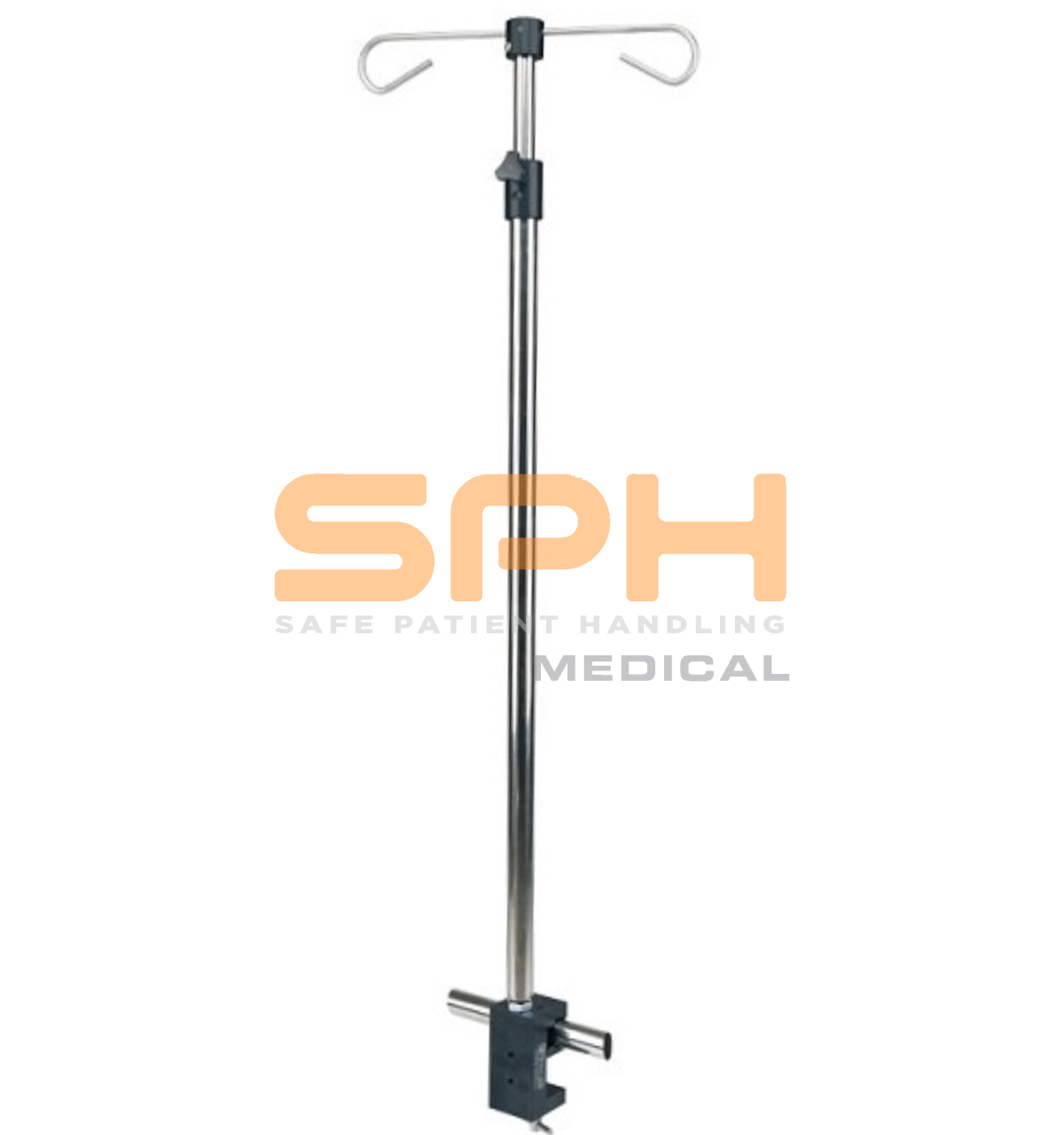
The RoWalker also offers optional accessories such as an IV Pole, Oxygen Tank Holder, and a front basket. These accessories ensure that even the most complex ICU patient can carry all necessary equipment during ambulation, making the RoWalker a comprehensive solution for early patient mobility.The SPH Medical Universal IV Pole attaches to RoWalker and stretchers, wheelchairs and more.

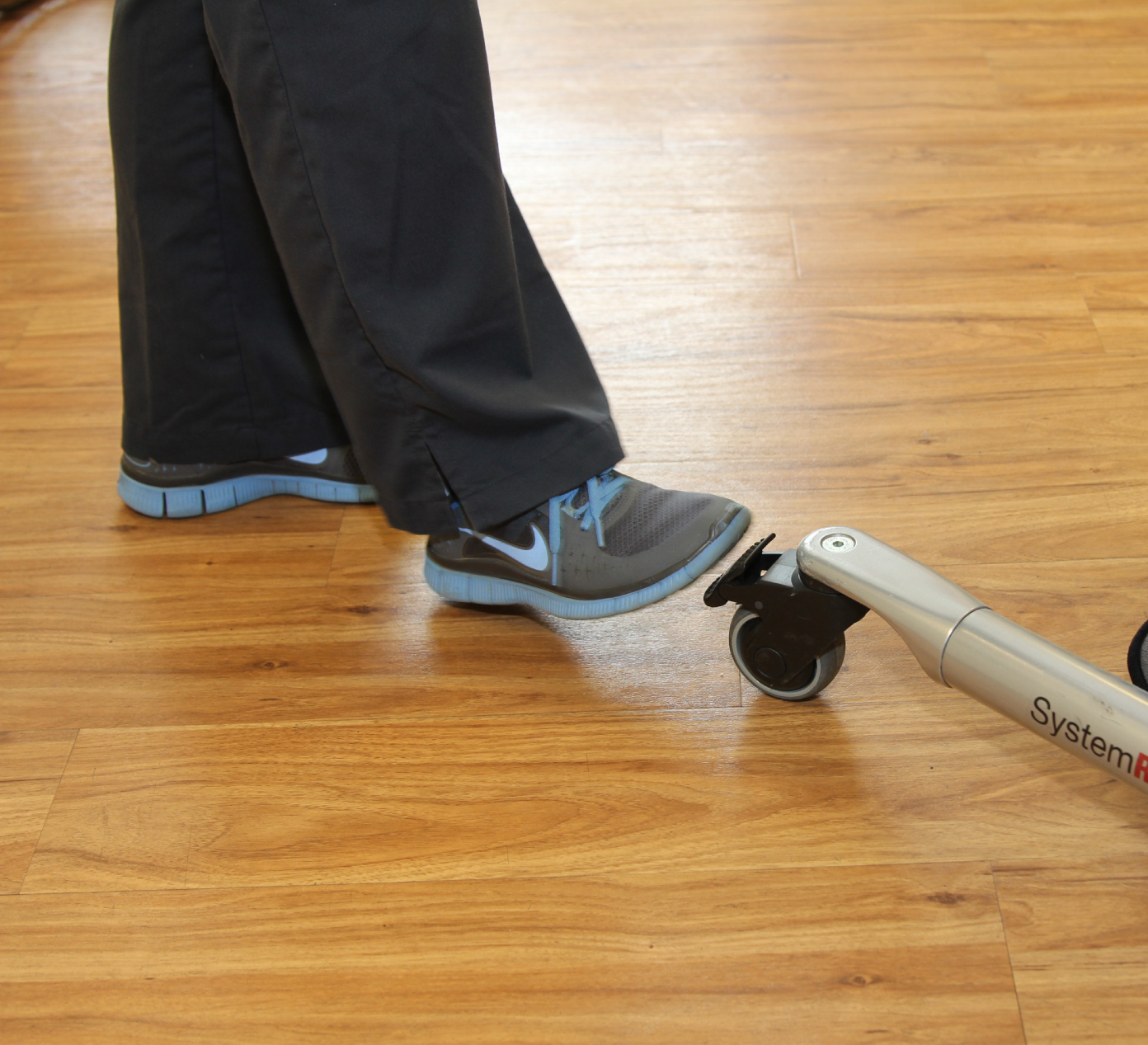
Directional casters are standard on the RoWalker.  These locking casters allow the RoWalker to track in a straight line during walking exercise.  For tight turns the directional casters can be left unlocked.  The base of the RoWalker opens and closes with the simple press of a foot lever which may be useful to access a chair or bed with low frame.

The Unparalleled Benefits of the SPH Medical RoWalker

The RoWalker is not merely a mobility aid – it is a revolution in patient care. By enhancing patient mobility, reducing injury risk, and improving comfort levels, the RoWalker is setting new standards of care. Real-world case studies confirm these benefits, showcasing notable improvement in patient recovery times following the integration of RoWalker into care routines.

The RoWalker in Practice: Empowering Patients of All Sizes

Patients of all sizes often face unique mobility challenges, necessitating specialized care and equipment. The RoWalker, with its robust construction and accommodating design, is tailor-made to meet these requirements. Our data reveals a significant increase in early patient mobility among patients of all sizes following the introduction of RoWalker, underscoring its effectiveness.

The Transformative Impact of the RoWalker on Patient Early Mobility

The SPH Medical RoWalker is more than a device; it’s a paradigm shift in early patient mobility. Its innovative design, coupled with remarkable safety features, establishes it as the gold standard of early mobility platform walkers.

We invite healthcare professionals dedicated to improving patient outcomes to experience the transformative power of the RoWalker.

In conclusion, the RoWalker by SPH Medical isn’t merely a product – it’s a commitment. A commitment to enhanced patient mobility, unrivaled care, and accelerated recovery times. Embrace the future of patient care with the RoWalker today.

ICU Cardiac Walker for Early Mobility the SPH Medical RoWalker
Categoriesearly mobility

SPH Medical RoWalker: The Superior Cardiac Platform Walker for ICU Early Mobility Programs

In the realm of healthcare safety and mobility, SPH Medical stands at the vanguard of innovation. Today, we spotlight a product that exemplifies our commitment to excellence the SPH Medical RoWalker, the unrivaled cardiac platform walker for ICU early mobility programs.

The Imperative of Early Patient Mobility in ICUs and Rehab Settings

The critical role of early patient mobility in Intensive Care Units (ICUs) and rehabilitation settings is a well-documented fact in contemporary medical research. A growing body of evidence strongly emphasizes the substantial impact of early mobilization post-treatment in expediting recovery times.

A study published in Springer’s Intensive Care Medicine journal underscores the importance of initiating physical rehabilitation within a few days after ICU admission source. Similarly, research featured in ScienceDirect reveals that a controlled trial using a dedicated mobility team significantly enhanced the effectiveness of early mobilization in the ICU setting.

Furthermore, an article in the American Journal of Nursing demonstrates the efficacy of early mobility in an ICU setting, revealing improved patient outcomes following the implementation of an early mobility program source. Another study in the Physical Therapy Journal found that a nurse-driven mobility protocol provided significant benefits to ICU and intermediate care unit patients.

Moreover, research published in Sage Journals associates the implementation of an early rehabilitation program with a reduced length of stay in multiple ICUs source. A systematic review in PLOS ONE also suggests that early mobilization during ICU stay may lead to more considerable benefits, particularly in settings where there is currently no early intervention.

However, despite the overwhelming evidence supporting early patient mobility, implementing these critical protocols can present significant challenges. This is particularly true when accommodating the diverse needs of patients of different sizes. It is in this context that the RoWalker emerges as a game-changer, providing an innovative solution to address and overcome these challenges.

Introducing the SPH Medical RoWalker

The RoWalker is nothing short of a revolution in the field of early mobility. Designed with meticulous precision to overcome the hurdles of ICU early mobility programs, it places patient safety and comfort at the forefront, catering to patients of all sizes with unerring ease. It’s the definitive solution for early patient mobility.

Standout Features of the SPH Medical RoWalker

The RoWalker’s design marries functionality with cutting-edge innovation. It boasts an adjustable height setting to accommodate a wide range of patients. Integrated seat flaps not only prevent falls but also allow patients to rest when necessary, fostering a sense of autonomy and dignity in care.

What truly sets the RoWalker apart is its impressive weight capacity of up to 400lbs, making it an all-encompassing choice for patients of all sizes. Furthermore, it offers optional accessories such as an IV Pole, Oxygen Tank Holder, and a front basket, ensuring that even the most complex ICU patients have all necessary equipment during ambulation.Features of the SPH Medical RoWalker

  • Boasting a remarkable weight capacity of 400 lbs
  • Facilitate early patient mobility and expedite hospital discharge times
  • Encourage patients to surpass their mobility milestones
  • The RoWalker accommodates all essential equipment for complex patients; IV Pole, O2 tank holder, basket for cardiac monitor
  • Minimize the risk of falls with superior safety features including seat flaps
  • Padded Table / Arm Rests are width adjustable
  • Directional Locking castors allow the RoWalker to track in a straight line down hallways

Directional casters are standard on the SPH Medical RoWalker

The Unrivaled Benefits of the SPH Medical RoWalker

The RoWalker transcends the definition of a mobility aid; it’s a watershed moment in patient care. By enhancing patient mobility, reducing injury risk, and improving comfort levels, the RoWalker is redefining standards of care. Real-world case studies bear testament to these benefits, demonstrating a marked improvement in patient recovery times with the integration of the RoWalker into care routines.

The RoWalker at Work: Empowering Patients of All Sizes

Patients of all sizes often grapple with unique mobility challenges, necessitating specialized care and equipment. The RoWalker, with its robust construction and accommodating design, is tailor-made to meet these needs. Our data unequivocally shows a significant surge in early patient mobility among patients of all sizes following the introduction of the RoWalker, underlining its unmatched effectiveness.

Conclusion: The Game-Changing Impact of the SPH Medical RoWalker

The RoWalker represents a seismic shift in early patient mobility. Its innovative design, coupled with its extraordinary safety features, cements its position as the gold standard of early mobility platform walkers. We extend an invitation to healthcare professionals committed to enhancing patient outcomes to experience the transformative power of the RoWalker firsthand.

In conclusion, the RoWalker by SPH Medical is more than a product it’s a pledge. A pledge to enhanced patient mobility, unparalleled care, and expedited recovery times. Embrace the future of patient care with the RoWalker today.

Add to cart