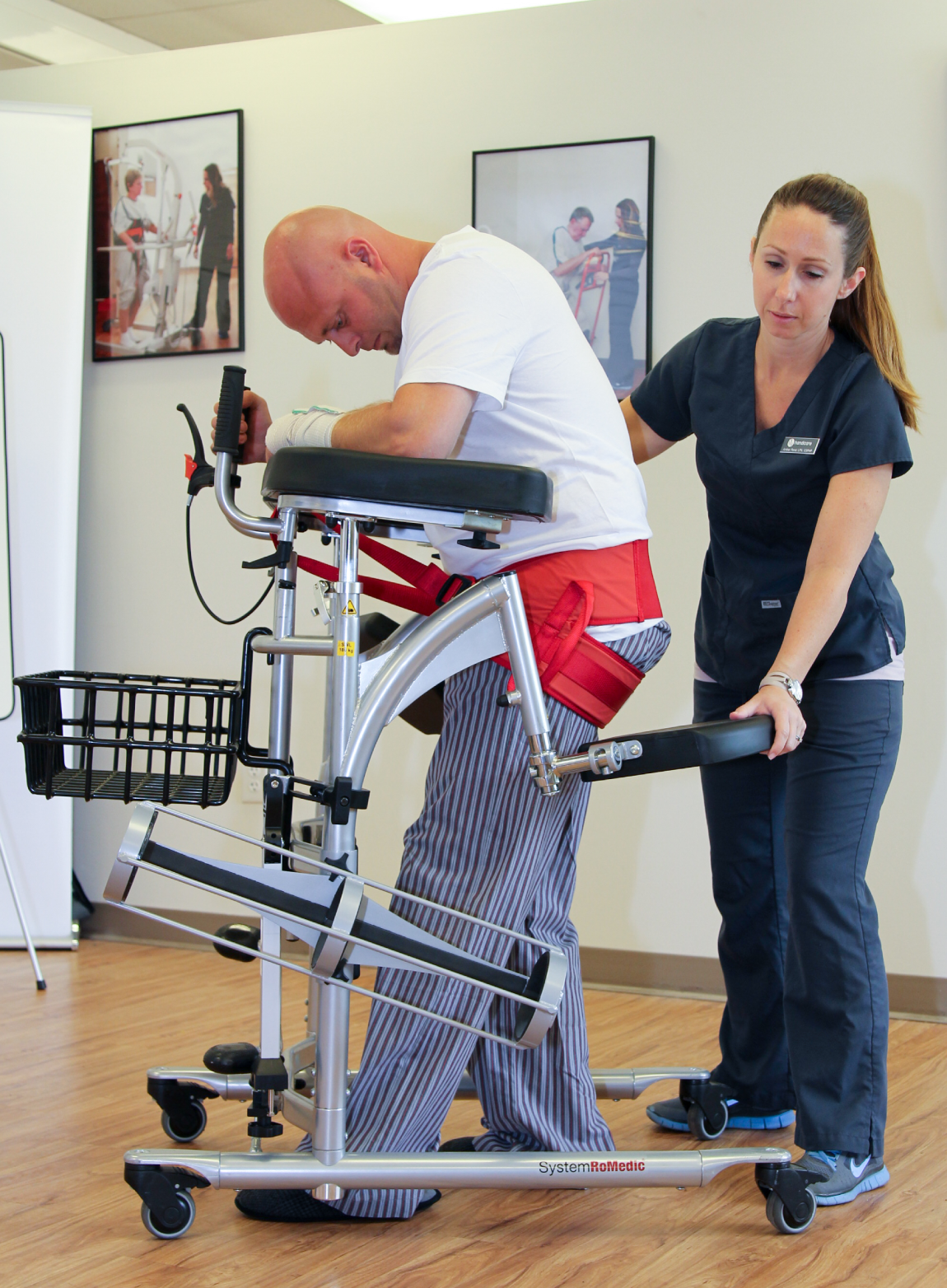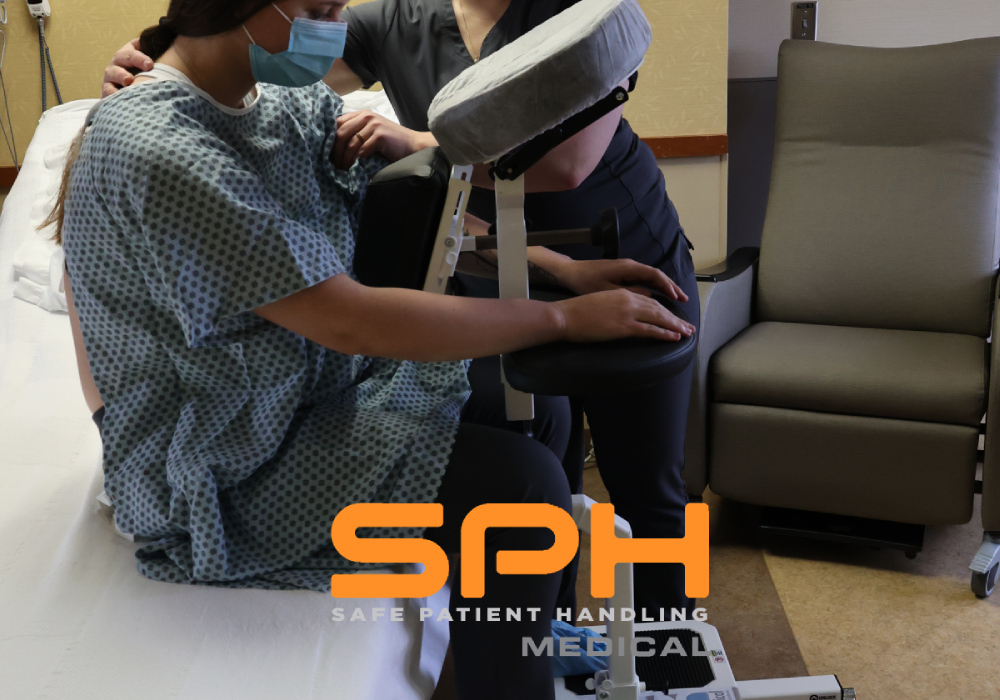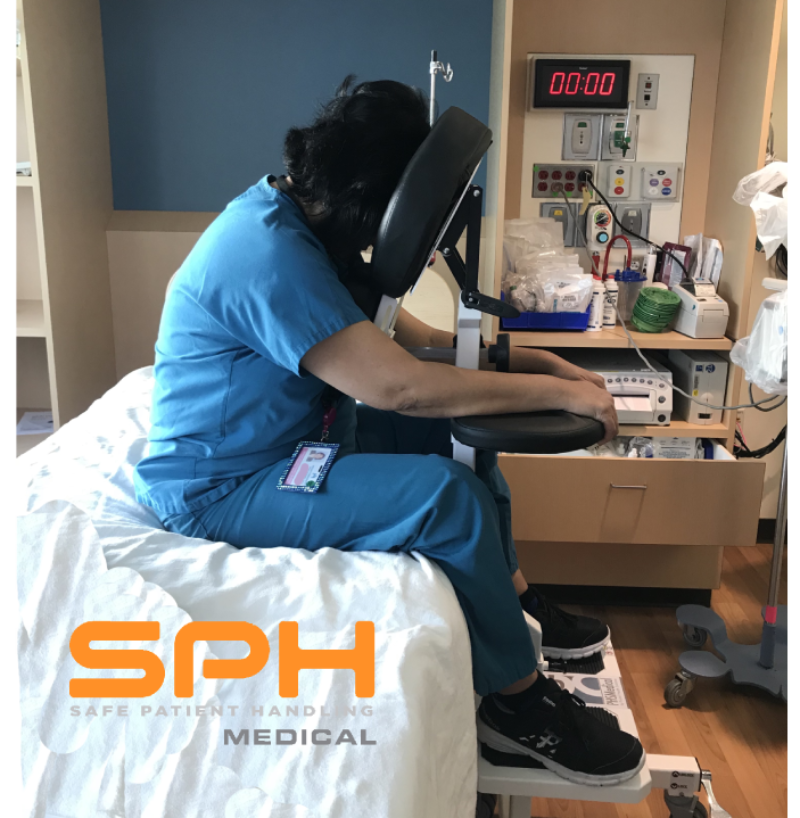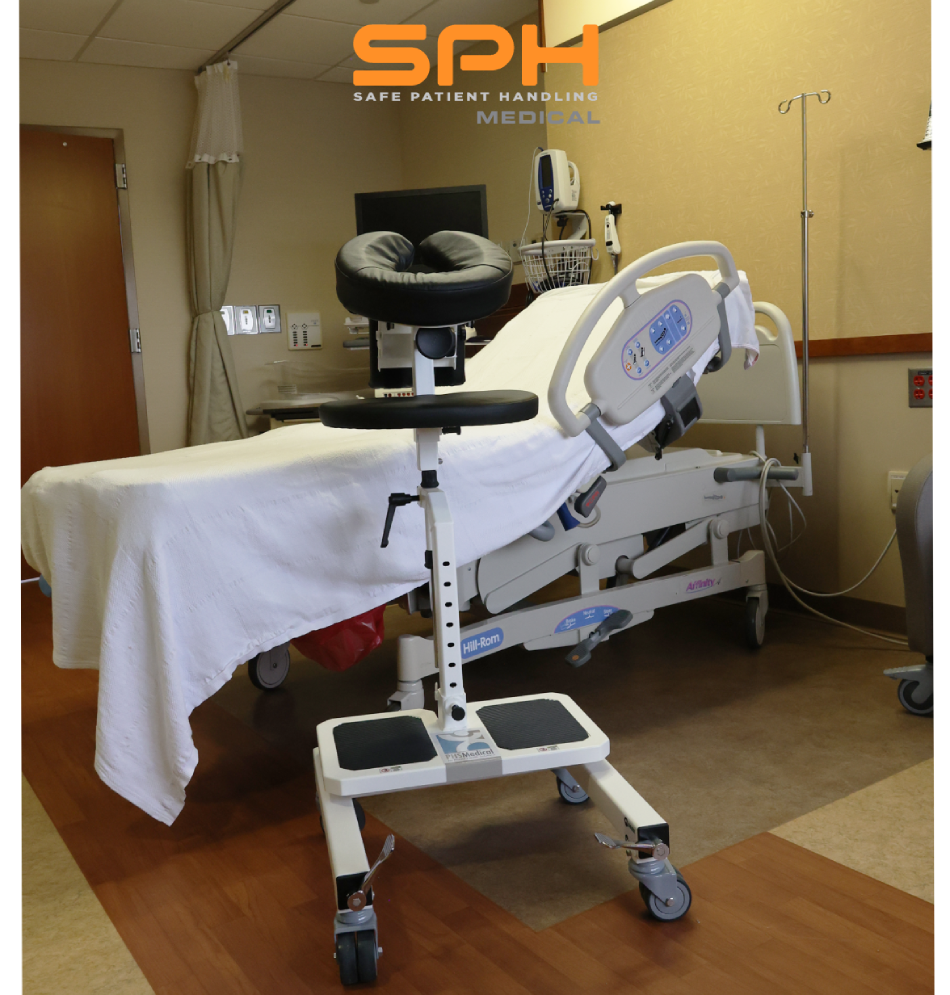
Easy transport of Portable Parallel Bars
Categoriesearly mobility,  Patient Handling

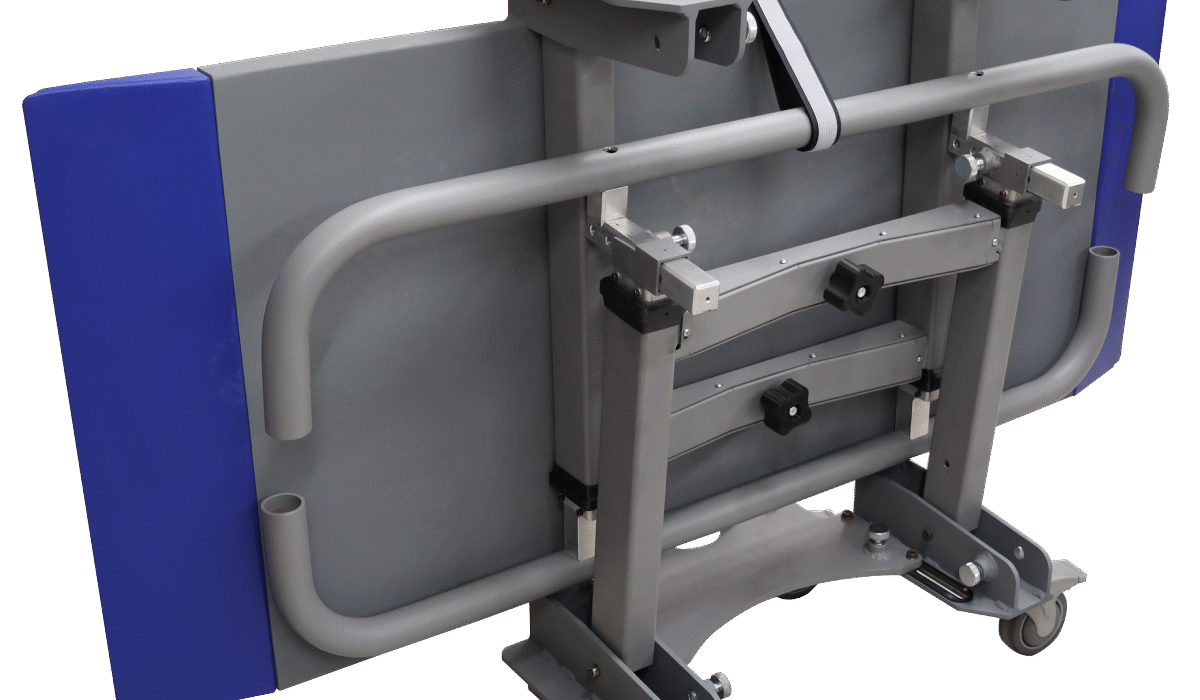
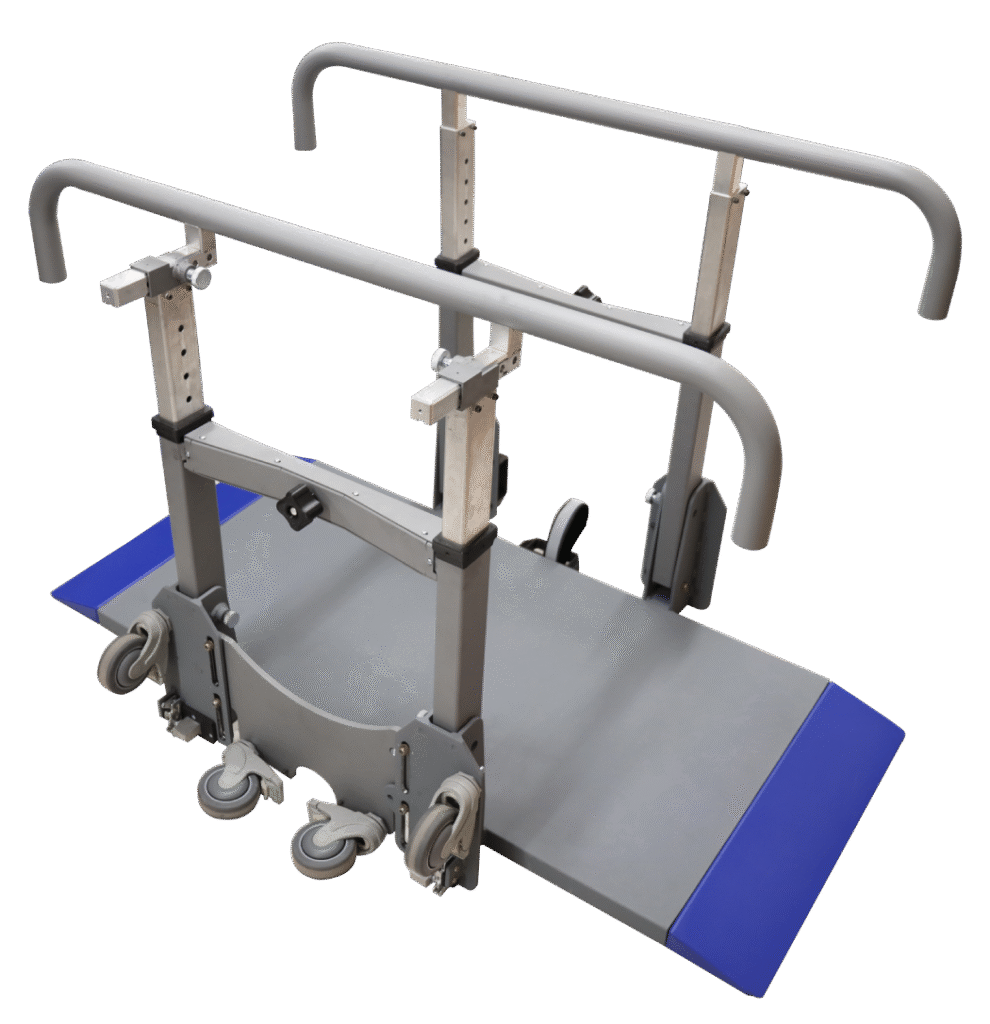
Portable Parallel Bars Mobilizing Patients Anywhere

Portable Parallel Bars in Rehabilitation Mobilizing Patients Anywhere

Prolonged immobility in the hospital setting is a devastating clinical liability. When patients remain confined to their beds they rapidly lose muscle mass and face a severe risk of developing secondary complications. Initiating early safe patient mobility is the absolute most effective strategy to reduce hospital length of stay and drive superior patient outcomes. However mobilizing patients is not without significant challenges. Physical therapists and nurses face extreme risks when manually handling high acuity and bariatric patients.

Extensive OHSU Biodynamics lab testing confirms the severe danger of manual patient handling versus the use of highly engineered assistive devices. Relying on outdated manual techniques actively contributes to catastrophic musculoskeletal injuries among healthcare workers. The definitive solution to this escalating crisis is providing your staff with the absolute best mechanical support available.

SPH Medical Portable Parallel Bars represent the highest standard in flexible rehabilitation equipment. This innovative technology enables healthcare professionals to safely lift transfer position and mobilize patients absolutely anywhere while entirely avoiding the risk of injury. By integrating this equipment into your facility you enhance patient safety protect your workforce and achieve your most critical process improvement goals.

The Critical Imperative for Early Mobility Programs

Implementing a comprehensive early mobility program is a fundamental requirement for modern healthcare facilities. The benefits of getting patients upright and moving as soon as clinically possible are supported by decades of irrefutable evidence.

Accelerating the Healing Process with SPH Medical Portable Parallel Bars

Early weight bearing exercises are essential for preventing severe muscle atrophy. When patients are mobilized early they maintain their functional strength which accelerates the entire healing process. Furthermore upright positioning and movement serve as highly effective interventions for pressure ulcer prevention. Immobility is a primary driver of skin breakdown and early mobility perfectly complements the stringent standards of wound care nurses.

Accelerating the healing process has a direct massive impact on hospital operations. Shorter hospital stays directly reduce overall hospital costs and free up critical bed space for new admissions. Aligning your rehabilitation practices with early mobility protocols ensures that your facility achieves its performance and process improvement goals rapidly and consistently.

Aligning with National Safety Standards

Protecting your staff is just as important as protecting your patients. Utilizing engineered mobility solutions strictly aligns with ANA APTA and AORN Safe Patient Handling and Mobility safety standards. Years of evidence confirms that Safe Patient Handling programs improve patient and staff safety immensely.

When facilities provide comprehensive support tools like Portable Parallel Bars they see an immediate reduction in staff injury rates and severity. This directly leads to massive workers compensation cost reduction. Lost work days for staff are reduced drastically preserving your highly skilled workforce and boosting overall department morale.

Unmatched Features of SPH Medical Portable Parallel Bars

To truly mobilize patients anywhere the equipment must be exceptionally engineered. SPH Medical Portable Parallel Bars deliver unparalleled performance through a combination of supreme stability exceptional portability and precision adjustability.

Portable Parallel Bars by SPH Medical

Supreme Stability and Safety

The foundation of effective gait training is absolute stability. Our Portable Parallel Bars feature a robust heavy duty construction that provides a rock solid foundation for patients taking their first critical steps. This rigid stability entirely eliminates the profound fear of falling that holds many patients back from participating fully in their therapy sessions.

Furthermore this absolute stability completely removes the dangerous need for physical therapists to act as manual human props. When the equipment provides the support the therapist can focus entirely on gait mechanics and functional improvement rather than expending all their energy trying to keep a heavy patient upright. This drastically reduces staff injury rates and ensures a completely secure environment for the rehabilitation session.

Exceptional Portability for Seamless Integration

The most innovative feature of these parallel bars is their exceptional portability. Traditional parallel bars are bolted to the floor in the physical therapy gym. This forces highly vulnerable high acuity patients to be transported long distances just to receive foundational gait training.

Our Portable Parallel Bars feature an incredibly innovative design that allows the equipment to be easily transported and set up in any patient room intensive care unit or dedicated physical therapy department. This seamless integration ensures that patients who cannot travel to the gym still receive essential early gait training. You can bring the absolute highest standard of rehabilitation directly to the bedside.

Precision Adjustability

Every patient has unique anatomical needs and our equipment adapts to them flawlessly. The Portable Parallel Bars feature an intuitive user friendly interface that allows for rapid height and width adjustments. Therapists can customize the exact ergonomic support required for each individual in a matter of seconds.

This precision adjustability includes the ability to safely accommodate the growing bariatric patient population. Providing equitable high quality care for patients of all sizes is a critical mandate for modern hospitals. Our heavy duty adjustable bars ensure that every patient receives the exact support they need to succeed in their recovery journey.

Elevating Patient Outcomes and Staff Confidence

Investing in the highest standard of rehabilitation equipment delivers profound measurable returns across your entire organization. It transforms the patient experience and empowers your clinical staff to perform at their absolute best.

Portable Parallel Bars; Empowering the Patient

A secure mechanically supported environment builds immense patient confidence during foundational gait mechanics training. When patients feel safe and protected they are far more willing to push themselves during therapy. This increased confidence leads directly to higher patient compliance with rehabilitation protocols.

Higher compliance translates to faster recovery timelines and earlier discharge dates. Moreover providing a comfortable secure rehabilitation experience drastically improves overall patient satisfaction scores. Patients recognize and appreciate when a facility invests in their safety and comfort.

Protecting the Healthcare Workforce

Your clinical staff is your most valuable asset. Replacing dangerous manual lifting with advanced assistive devices is the absolute only way to protect them from career ending injuries. Relying on outdated equipment and manual handling is a severe liability that modern facilities simply cannot afford.

Providing the absolute best equipment boosts staff morale significantly. Nurses and physical therapists feel valued and protected when they have access to state of the art tools. This leads to comprehensive adherence to safety protocols and a culture of continuous process improvement throughout your entire organization.

Portable Parallel Bars are not merely an optional upgrade for your physical therapy department. They are a fundamental absolute requirement for comprehensive early mobility and safe patient handling programs. Decades of clinical evidence confirms that utilizing highly engineered assistive devices is the only way to improve patient and staff safety simultaneously.

The non negotiable standard of care demands that hospitals stop relying on outdated equipment that compromises safety and extends patient recovery times. SPH Medical provides the innovative solutions required to meet the complex demands of modern healthcare.

Do not allow dangerous manual handling practices to threaten your dedicated staff or delay your patients from returning home. Enhance patient safety and elevate your rehabilitation capabilities today. Contact SPH Medical to request a quote for Portable Parallel Bars and integrate seamlessly into your facility early mobility program.

Early Patient Mobility improves outcomes
CategoriesPatient Handling

Accelerating Recovery: Premier Early Mobility Solutions

Accelerating Recovery: Premier Early Mobility Solutions

Prolonged bed rest is a critical clinical liability in modern healthcare. Initiating safe, early patient mobility is the most effective strategy to reduce hospital length of stay and drive superior patient outcomes. Facilities relying on outdated rehabilitation methods face significant challenges. With an increasing bariatric patient population and rising staff injury rates, manual patient handling during rehabilitation poses a severe risk to healthcare workers.

Years of evidence confirms that Safe Patient Handling programs improve patient and staff safety. Rigorous testing from the OHSU Biodynamics lab confirms the extreme dangers of manual patient handling compared to the use of highly engineered assistive devices. Manual lifting forces nurses and physical therapists into awkward postures that lead to severe musculoskeletal injuries.

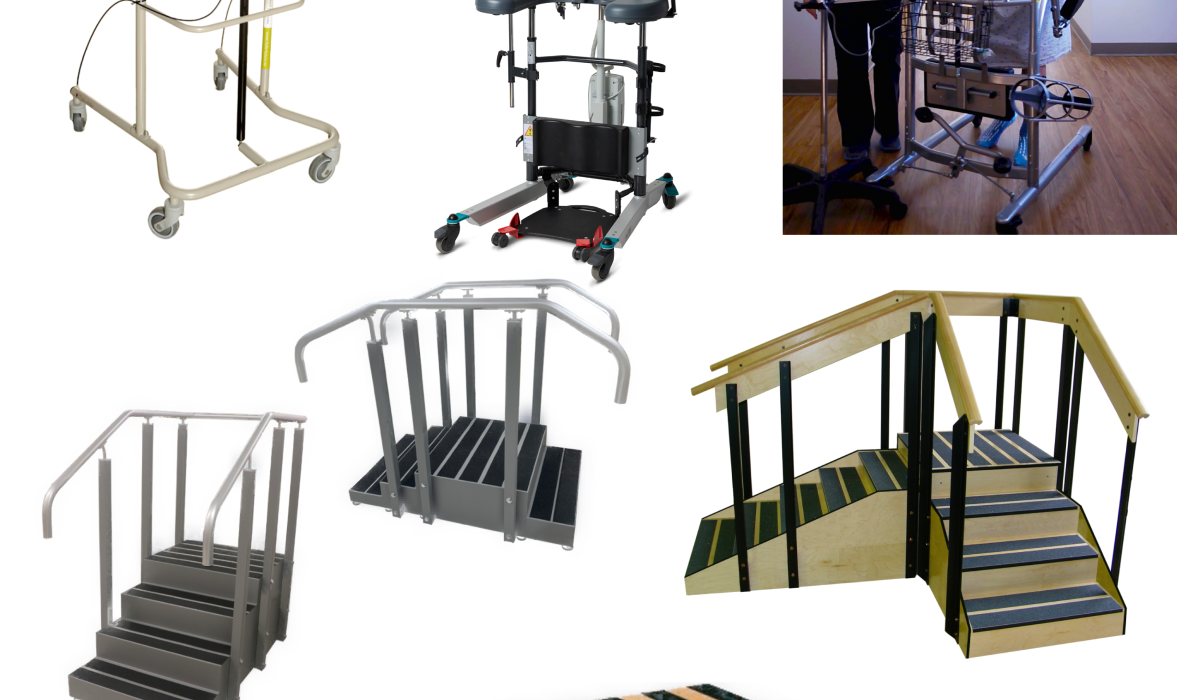
SPH Medical’s comprehensive category of Early Mobility solutions provides the definitive, safest path to patient recovery. By integrating advanced walkers, staircases, and training sets, hospitals completely protect healthcare staff from debilitating injuries while maximizing rehabilitation success. These solutions enable healthcare professionals to safely lift, transfer, position, and mobilize patients while avoiding the risk of injury.

The Clinical Imperative for Safe Patient Handling

Implementing engineered early mobility solutions directly aligns with national safety standards set by the American Nurses Association (ANA) and the American Physical Therapy Association (APTA). Meeting these rigorous standards drastically reduces workers’ compensation costs and minimizes lost work days associated with staff musculoskeletal injuries. Protecting your most valuable asset—your clinical staff—requires equipping them with the best mechanical support available.

Safe, early mobilization is a proven catalyst for elevating patient outcomes. Getting patients upright and moving is essential for reducing hospital lengths of stay and hospital costs. Furthermore, immobility is a primary driver of skin breakdown. Early mobility serves as a highly effective intervention for pressure ulcer prevention, perfectly complementing the goals of hospital wound care nurses and WOCN standards.

When patients experience safe, supported movement, their confidence grows rapidly. This mechanically supported ambulation reduces fear of falling, accelerates the healing process, and significantly improves overall patient satisfaction scores. Elevating your facility’s safety culture directly aligns with essential performance and process improvement goals.

The Ultimate Ambulation Solutions

SPH Medical delivers the absolute highest standard in mobility equipment. Our advanced walkers bridge the gap between bed rest and independent ambulation, offering unprecedented safety for both the patient and the caregiver.

The RoWalker: The Centerpiece of Early Mobility

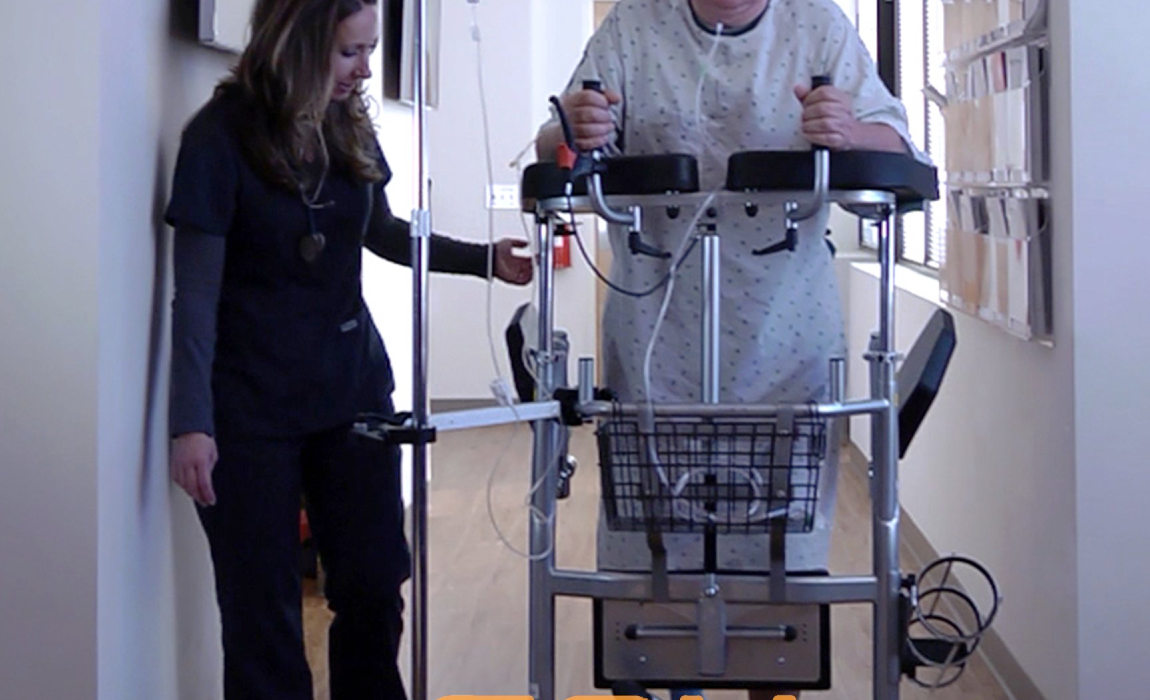
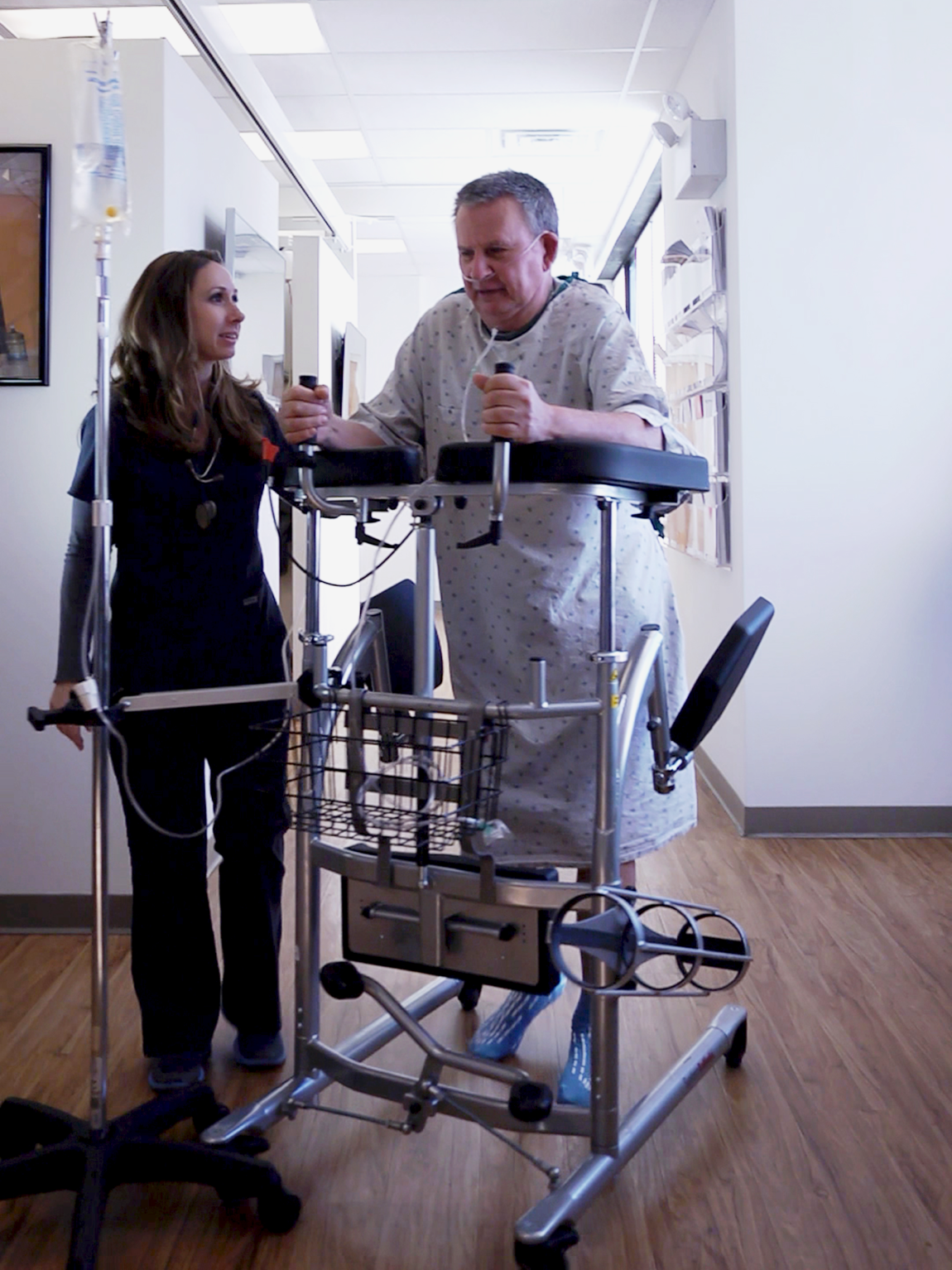
The RoWalker is the premier centerpiece of modern early mobility programs. It features unprecedented safety elements designed to safely mobilize the highest acuity patients. The device includes stepless height adjustable padded armrests, allowing physical therapists to customize the exact ergonomic support required for each individual patient.

Built in seat pads provide an immediate resting spot, eliminating the risk of falls if a patient becomes suddenly fatigued during a session. Furthermore, the RoWalker features integrated equipment management, including a dedicated Oxygen Tank Holder, an IV Pole, and a front basket for cardiac monitors. This seamless integration consolidates patient care equipment, allowing a single nurse or physical therapist to safely conduct a mobility session.

The XL Walker: Unmatched Bariatric Support

Hospitals are treating an increasing bariatric patient population, which demands specialized, heavy duty equipment. The XL Walker is the industry’s premier heavy duty mobility solution, engineered specifically to safely accommodate bariatric patients.

It provides unmatched structural stability to prevent dangerous falls and catastrophic injuries. By utilizing the XL Walker, hospitals completely eliminate the need for dangerous manual support from physical therapists and nurses. This robust device ensures that all patients, regardless of size, receive equitable, high quality rehabilitation in a completely secure environment.

The EVA Walker: Ergonomic Gait Training

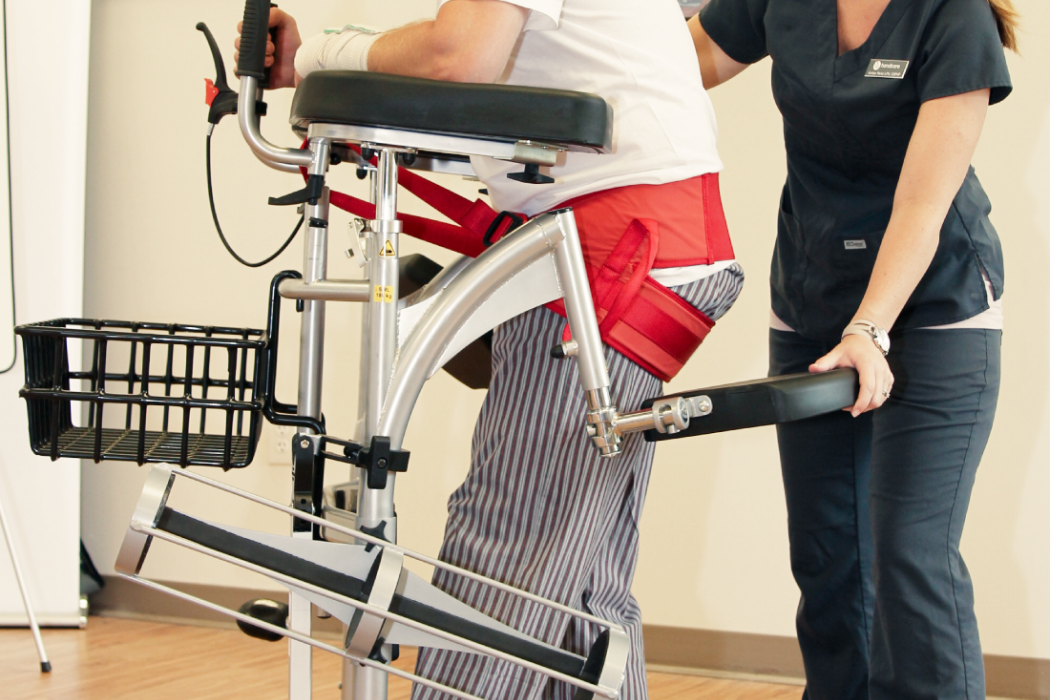
The EVA Walker stands as the gold standard for ergonomic gait training. Its signature wide, padded armrests comfortably support the patient’s weight through the forearms and shoulders. This specific design significantly reduces upper body fatigue and eliminates the need for strong hand grip strength.

By comfortably supporting the patient, the EVA Walker facilitates much longer, more effective physical therapy sessions. Patients can focus entirely on their gait mechanics and lower extremity strength rather than expending all their energy trying to stay upright. This specialized support accelerates the transition to independent walking.

Advanced Rehabilitation and Simulation Equipment

True recovery requires preparing patients for the physical barriers they will face outside the hospital. SPH Medical provides highly durable, precisely engineered equipment to safely simulate real world environments within the physical therapy department.

Ramp and Curb Training Set

The Ramp and Curb Training Set is an indispensable tool for functional rehabilitation. This set safely simulates real world environmental barriers like sloped sidewalks and street curbs.

Physical therapists use this comprehensive set to build critical patient confidence and test functional capacity. By mastering these controlled obstacles, patients ensure a safe, successful transition to the home environment, ultimately reducing the risk of costly readmissions due to falls.

Aluminum and Wooden Staircases for Rehab

Navigating stairs is often the final hurdle before a patient can be safely discharged. SPH Medical offers the most robust, stable platforms available for critical step training through our Aluminum and Wooden Staircases.

Featuring highly durable anti slip surfaces and ergonomic handrails, these staircases are essential for safely rebuilding lower extremity strength, balance, and coordination. The superior construction provides a completely secure platform, giving both the patient and the therapist absolute confidence during high risk step training exercises.

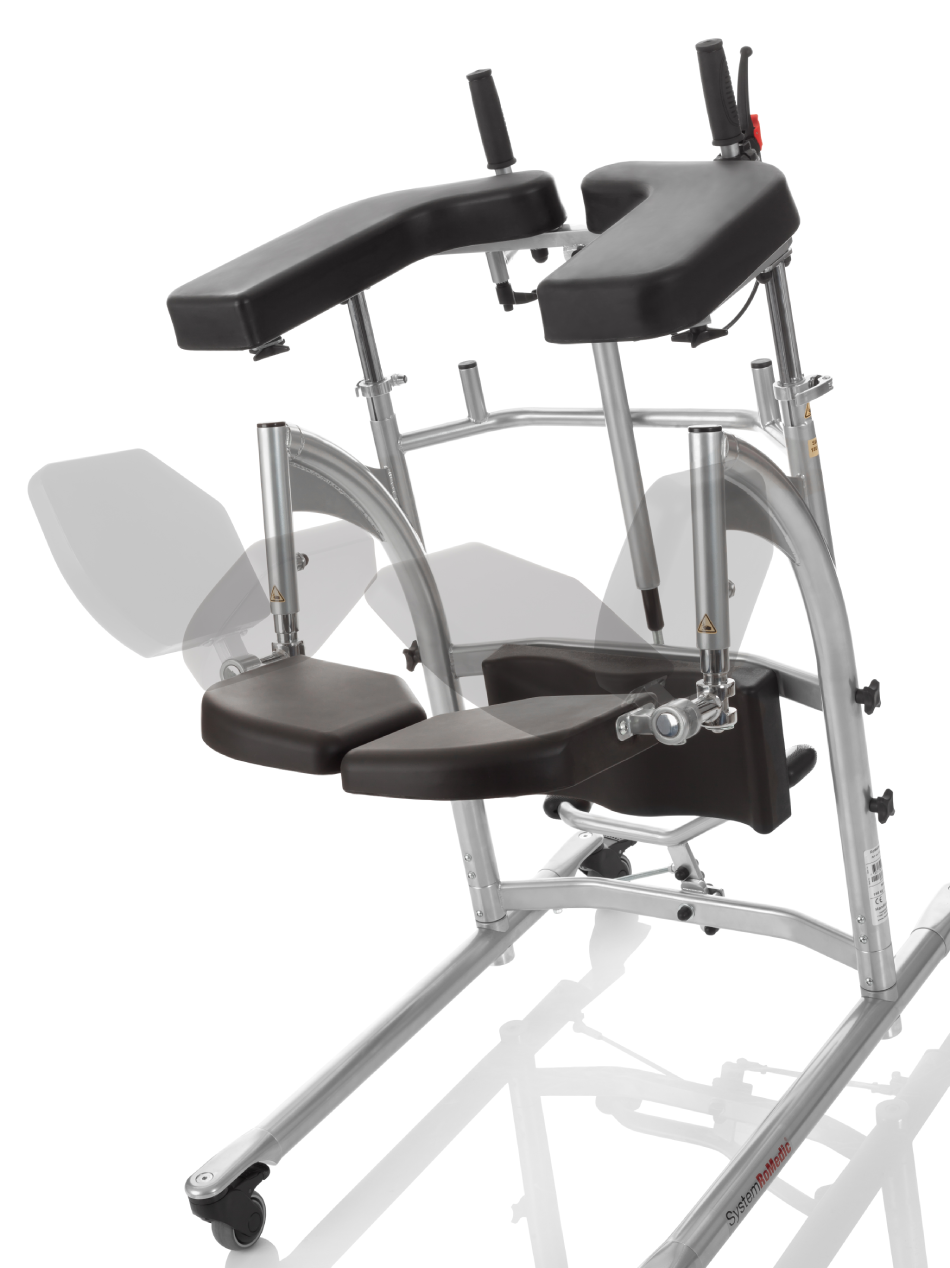
Portable Parallel Bars

For patients in the earliest stages of mobility, absolute stability is required. Our Portable Parallel Bars deliver unparalleled stability and support for initial weight bearing exercises.

These highly adjustable, user friendly bars provide a secure, controlled environment for foundational gait mechanics training. Their portable design allows them to integrate seamlessly into any busy physical therapy department, maximizing floor space while delivering the highest level of therapeutic support.

Conclusion

SPH Medical’s early mobility solutions represent the absolute highest standard in patient rehabilitation and Safe Patient Handling. By integrating these engineered, technology driven devices, hospitals comprehensively protect their staff from career ending injuries and ensure strict adherence to SPHM protocols.

Outdated equipment and dangerous manual handling practices have no place in a modern healthcare facility. Investing in advanced mobility solutions actively accelerates the patient recovery timeline, improves respiratory and cardiac function, and reduces costly lengths of stay.

Do not compromise on staff safety or patient rehabilitation outcomes. Contact SPH Medical today to request a quote and integrate these state of the art Early Mobility solutions into your facility’s Safe Patient Handling program.

Improve Safety with the EPD by SPH Medical
CategoriesPatient Handling

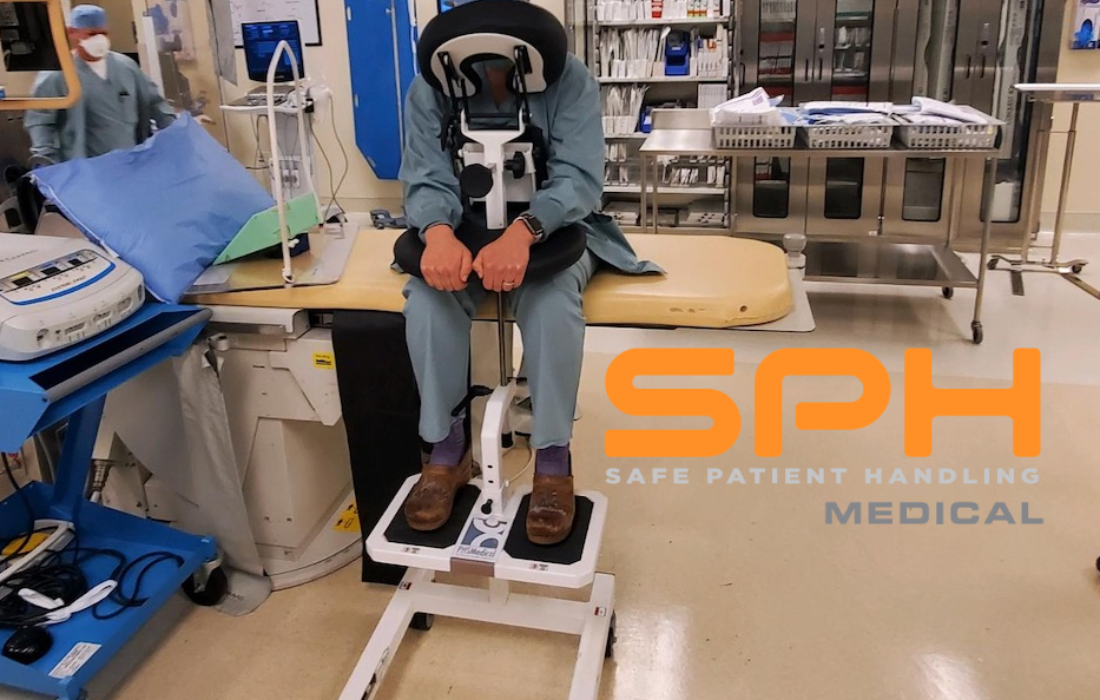
The Epidural Chair: Maximizing Safety and Precision

The Definitive Standard for Patient Positioning: Maximizing Safety and Precision with the Epidural Chair

Precise patient positioning is the absolute cornerstone of successful interventional procedures. Whether an anesthesiologist is placing an epidural in a bustling delivery ward or a radiologist is performing a delicate spinal block, the margin for error is nonexistent. For decades, healthcare professionals have relied on outdated, unsafe methods to achieve this positioning. Nurses and physical therapists are routinely forced to act as “human props,” manually holding patients upright and still.

This outdated approach puts everyone at risk. Manual patient handling leads to severe musculoskeletal injuries for staff, while unstable positioning compromises procedural accuracy for physicians. Biomechanical testing consistently confirms the extreme dangers of manual patient handling compared to the use of highly engineered assistive devices.

The ultimate solution to this critical challenge is the Epidural Chair. This highly advanced, uniquely engineered device represents the most innovative and comprehensive approach to patient positioning. It is designed to enhance patient safety, completely protect healthcare staff from injury, and guarantee unmatched procedural precision across multiple hospital departments.

Engineered for Excellence: Core Features of the Epidural Chair

The Epidural Chair replaces the dangerous instability of bedside tables and stacked pillows with a rock-solid, mechanically sound platform. It provides the highest level of support for patients while completely removing the physical burden from your nursing staff.

Unmatched Ergonomic Support

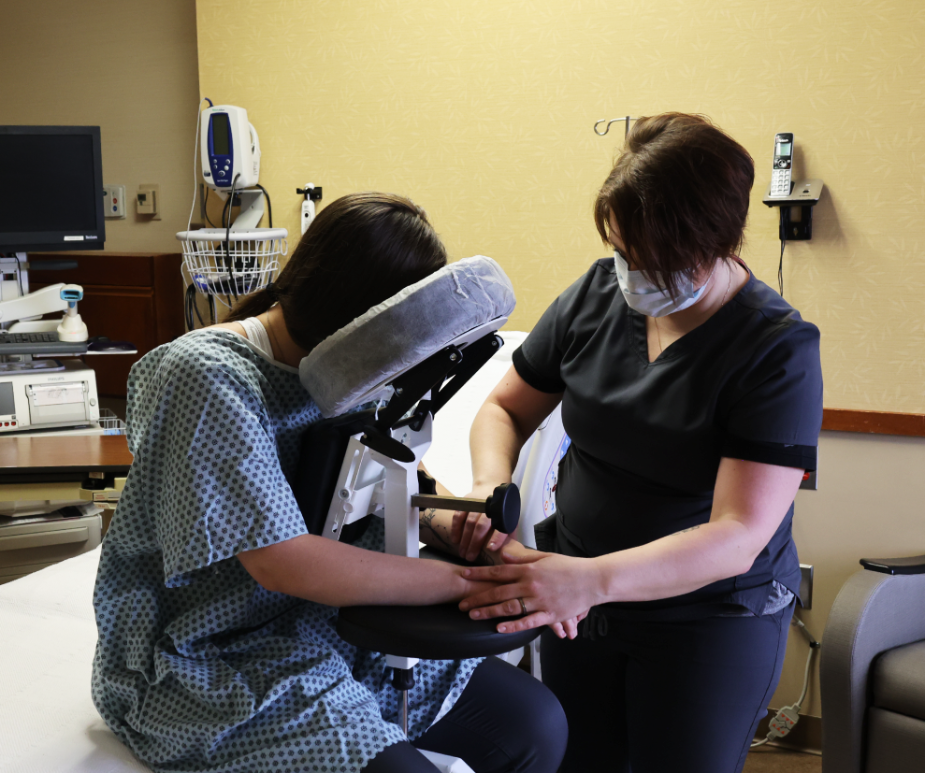
Every patient has a unique anatomy, and the Epidural Chair adapts to them flawlessly. The device features fully adjustable chest, arm, and head supports. These components easily conform to any patient size or shape, seamlessly and naturally opening the intervertebral spaces. By providing a comfortable, forward-leaning posture, the chair allows the spine to flex optimally for needle insertion.

Furthermore, hospitals are seeing a significant increase in bariatric patients. Standard positioning methods fail completely with this demographic, placing extreme physical strain on staff. The Epidural Chair features a heavy-duty, bariatric-capable construction. It safely and comfortably supports larger patients, ensuring that your facility is fully equipped to provide equitable, high-quality care to every individual who walks through your doors.

Maximum Stability and Security

Stability is the most critical factor during any spinal procedure. The Epidural Chair delivers maximum security through its medical-grade locking casters. Once positioned, these heavy-duty casters lock the chair firmly in place. It will not roll, shift, or slide, providing a completely immovable foundation during the exact moment of needle insertion.

Coupled with this stability is an incredibly intuitive design. The user-friendly interface allows staff to set up the chair and adjust the supports rapidly. This reduces physical strain, saves critical time during emergencies, and ensures that the equipment is actually used by staff, thereby driving up compliance with your facility’s safety protocols.SPH Medical EPD improves comfort and stability

Transforming Care in Labor & Delivery (L&D)

The Labor and Delivery department is one of the most demanding environments in any hospital. Expectant mothers require rapid, effective pain management, and the epidural placement process must be flawlessly executed.

Superior Epidural Placement

Placing an epidural in a patient experiencing severe contractions is incredibly challenging. The Epidural Chair safely guides expectant mothers into the exact posture needed for seamless epidural placement. The adjustable chest and arm supports give the patient a secure place to lean and rest her weight. This highly supportive resting place significantly reduces maternal anxiety. When a patient feels physically secure, she can relax her muscles more easily, which widens the spinal spaces and allows the anesthesiologist to work with unparalleled precision.

Eliminating the “Human Prop”

In L&D, nurses frequently suffer severe back and shoulder injuries from trying to hold patients perfectly still through painful contractions. The Epidural Chair entirely eliminates the need for L&D nurses to physically support the weight of the patient. By removing the nurse from the role of a “human prop,” hospitals directly align their practices with the rigorous Safe Patient Handling and Mobility (SPHM) standards set by the American Nurses Association (ANA) and the Association of perioperative Registered Nurses (AORN). Protecting your nurses is paramount, and this device is the ultimate tool for injury prevention in the L&D unit.

Enhancing Efficiency in the Operating Room (OR)

In the Operating Room, time is incredibly valuable. Delays in anesthesia directly impact the entire surgical schedule, leading to massive financial inefficiencies and prolonged patient fasting.

Streamlining Spinal Blocks

The Epidural Chair dramatically streamlines the administration of spinal blocks. It facilitates quick, standardized positioning for spinal anesthesia prior to surgery. Because the chair is intuitive and fast to adjust, the OR team can achieve the perfect patient posture in seconds. This keeps the OR schedule running smoothly and efficiently, directly aligning with your hospital’s performance and process improvement goals.

Empowering Anesthesiologists

Anesthesiologists require absolute target stability. When patients are mechanically stabilized by the Epidural Chair, anesthesiologists experience significantly higher first-attempt success rates. The sturdy platform prevents the patient from flinching or shifting away from the needle. This precision drastically reduces the risk of complications, prevents traumatic taps, and ensures the anesthesia takes effect quickly and safely.

Ensuring Precision in Imaging Departments

Diagnostic and interventional imaging require a different kind of endurance. Patients must often hold completely still for extended periods while heavily specialized equipment is utilized.

Crystal-Clear Diagnostics

Whether performing fluoroscopy-guided injections or specialized ultrasound procedures, the critical need for stationary positioning cannot be overstated. Any patient movement degrades the image quality, requiring procedures to be repeated and exposing patients to unnecessary radiation. The locking casters and rigid frame of the Epidural Chair ensure absolute immobility, leading to crystal-clear diagnostic imaging the very first time.

Patient Comfort During Delays

Imaging departments often face scheduling delays. Keeping a patient positioned perfectly while waiting for a room or a physician can lead to severe patient fatigue. The Epidural Chair features a highly padded, ergonomic design that prevents muscle fatigue and ischemic pain during these longer sessions. Comfortable patients are compliant patients. They remain still throughout the entire process, which improves the overall speed and success of the imaging department.

The Comprehensive Benefits: Safety, Comfort, and Outcomes

Implementing the Epidural Chair is a strategic investment that delivers massive returns across the entire healthcare continuum. It touches every key success indicator your facility monitors.

Staff Safety and Cost Reduction

Staff injuries are on the rise, and they require immediate intervention. The Epidural Chair delivers measurable risk reduction. By eliminating manual patient holding, you instantly decrease the incidence and severity of staff musculoskeletal injuries. This leads directly to a massive reduction in workers’ compensation claims and costly lost work days. Protecting your staff saves your facility money and preserves your highly skilled workforce.

Enhanced Patient Outcomes

Patient safety and comfort translate directly to clinical excellence. Patients who are securely supported experience far less procedural trauma and anxiety. The precision enabled by the chair reduces the length of procedures, which in turn helps reduce the overall length of hospital stays. Furthermore, eliminating the localized pressure points caused by improper positioning aids in pressure ulcer prevention. Ultimately, providing a comfortable, secure experience drives your patient satisfaction scores higher.

The evidence is clear and overwhelming. The era of manual patient positioning and dangerous makeshift solutions is over. The Epidural Chair is the definitive, non-negotiable standard of care for any modern healthcare facility performing epidurals, spinal blocks, or interventional imaging.

Transitioning to the engineered stability of the Epidural Chair is the most effective way to protect your nurses, empower your physicians, and secure the highest quality of care for your patients. Facility leaders and safety coordinators must commit to safety and prioritize this vital equipment immediately.

Do not wait for another staff injury or compromised procedure to prompt action. Elevate your standard of care today. Contact SPH Medical to request a quote, schedule an interactive demonstration, and discover exactly how the Epidural Chair will immediately maximize safety and precision in your facility.

Breathable Repositioning Sheets by SPH Medical
CategoriesInfection Prevention,  Patient Handling,  Pressure Ulcer Prevention

Breathable Repositioning Sheets: The Core of Safe Patient Handling

The Foundation of Safety: Why Breathable Repositioning Sheets Are the Core of Safe Patient Handling

In the landscape of modern healthcare, patient lifts are a familiar sight. Ceiling lifts and mobile floor lifts are widely recognized as essential tools for Safe Patient Handling (SPH). Yet, despite the prevalence of these mechanical aids, a critical gap often remains in injury prevention protocols. That gap lies in the interface between the patient and the machine: the repositioning sheet.

Effective safety programs do not rely on machinery alone; they rely on the seamless integration of technology and daily workflow. SPH Medical’s breathable repositioning sheets are not merely accessories to a lift system; they are the foundation upon which a high-functioning safety protocol is built. By transforming high-frequency, high-risk manual tasks into safe, mechanical procedures, these sheets protect nursing staff from career-ending injuries and safeguard vulnerable patients from skin breakdown.

The Hidden Danger of “Routine” Care

The most dangerous tasks in a hospital are often the most routine. While transferring a patient from bed to chair gets significant attention, the act of boosting, turning, and repositioning a patient in bed occurs far more frequently. Nurses and support staff perform these micro-movements dozens of times per shift, often assuming that “just one quick boost” won’t hurt.

The Cumulative Trauma of Repositioning

The reality is that these repetitive manual tasks are the leading cause of musculoskeletal disorders (MSDs) in healthcare. The cumulative strain on the spine and shoulders from awkward body postures leads to severe sprains, strains, and debilitating back injuries. The risk is compounded by the changing demographics of the patient population. With rising average BMIs, it is physically impossible for staff to manually maneuver bariatric patients safely. When a nurse attempts to boost a 300-pound patient without mechanical aid, the forces exerted on the lumbar spine far exceed safety limits defined by the National Institute for Occupational Safety and Health (NIOSH).

The Laundry Logistics Failure

Even when staff want to do the right thing, logistics often fail them. Hospitals relying on reusable repositioning sheets frequently face supply chain breakdowns. Laundry systems are notorious for delays; sheets get lost, damaged, or are simply unavailable when needed most. This creates a dangerous “compliance trap.” When a nurse reaches for a repositioning sheet and finds the shelf empty, they are forced to make a split-second decision: wait for laundry and delay care, or perform a manual lift. All too often, the manual lift wins, and injury follows.

The Engineering Solution: SPH Medical Breathable Repositioning Sheets

To eliminate these risks, the solution must be engineered for both heavy-duty performance and clinical efficacy. SPH Medical’s breathable repositioning sheets are designed to meet the rigorous demands of the acute care environment.

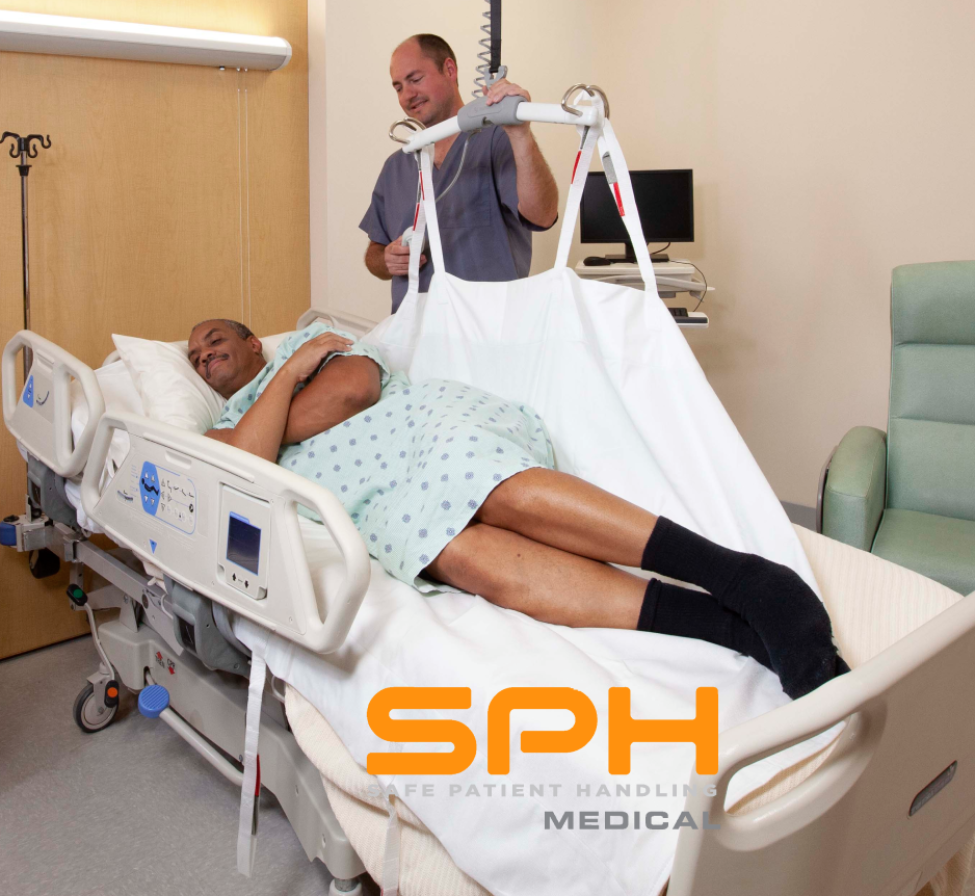
SPH Medical Breathable Repositioning Sheet Disposable with 1000 lb capacity

Designed for Heavy-Duty Performance

Strength is non-negotiable. These sheets are rated with a 1000lb weight capacity, ensuring they can accommodate patients of virtually all shapes and sizes, including the bariatric population. This high weight rating gives staff the confidence to use the product for even the most challenging repositioning tasks. Furthermore, the design features universal compatibility. The sheets attach easily via robust straps to any standard overhead or mobile patient lift using a hook-and-loop style connection. This universality ensures that no matter what lift system your facility uses, these sheets will integrate seamlessly.

Clinical Benefits for Skin Health

For Wound, Ostomy, and Continence Nurses (WOCN), the priority is skin integrity. Leaving a standard, non-breathable sling under a patient is a recipe for pressure injuries due to heat and moisture buildup. SPH Medical addresses this with advanced breathable fabric technology.

  • Breathability: The fabric allows air to circulate, effectively managing the microclimate between the patient’s skin and the surface. This reduces the risk of maceration and pressure injury development, aligning with WOCN prevention standards.
  • Single-Patient Use: In an era where Multi-Drug Resistant Organisms (MDROs) are a constant threat, single-patient use is the gold standard. By assigning a specific sheet to a patient upon admission, you eliminate cross-contamination risks entirely. Every patient is guaranteed a clean, safe, and effective surface from day one.

Operational Excellence: Tracking, Compliance, and Risk Reduction

Implementing single-patient-use breathable sheets is not just a clinical upgrade; it is an operational strategy that solves supply chain struggles.

Solving the Supply Chain Struggle

The disposable model guarantees availability. Unlike reusable sheets that disappear into the laundry abyss, single-patient-use sheets are stocked directly on the unit. This ensures that the essential tool for safe lifting is always within arm’s reach at the bedside. When the barrier to access is removed, compliance with Safe Patient Handling policies skyrockets.

Data-Driven Safety

You cannot manage what you cannot measure. One of the greatest challenges with reusable inventory is tracking usage. It is nearly impossible to know if a reusable sheet was used 50 times or 500 times, or if it was used at all.

SPH Medical’s system enables precise, data-driven safety management. Administrators can easily track how many units are used per month on each floor. This data provides a direct window into compliance. High usage rates correlate directly with reduced staff injury claims and improved patient outcomes. This allows SPH coordinators to validate the Return on Investment (ROI) of their program with hard numbers, proving that the investment in safety is paying off in reduced workers’ compensation costs and lower nurse turnover.

A Safe Patient Handling program is only as strong as its weakest link. If your lift equipment is state-of-the-art but your repositioning sheets are missing, damaged, or dangerous to skin health, the system fails. Protecting your staff from career-ending injuries and your patients from avoidable harm requires the right tools, available at the right time.

Breathable repositioning sheets are the non-negotiable standard for modern, safe, and efficient healthcare facilities. They bridge the gap between policy and practice, ensuring that safety is always accessible.

Stop relying on unstable supply chains and unsafe manual practices. Contact SPH Medical today to secure your supply of single-patient-use slings and breathable repositioning sheets, and build a foundation of safety that lasts.

Revolutionizing Recovery with SPH Medical RoWalker for Early Mobility
Categoriesearly mobility,  Patient Handling

Revolutionizing Recovery with the SPH Medical RoWalker

Revolutionizing Recovery with RoWalker: How Leading Health Systems Are Implementing Early Patient Mobility with the RoWalker

The paradigm of patient recovery has shifted fundamentally. In top-tier health systems across the country, prolonged bed rest is no longer the default for high-acuity patients. Instead, these institutions are embracing a new standard of care: early patient mobility. This proactive approach is critical for reducing complications, shortening hospital stays, and improving long-term outcomes. At the center of these successful programs is the SPH Medical RoWalker, a revolutionary technology that bridges the gap between bed rest and independent ambulation.

The Paradigm Shift to Early Mobility

For decades, bed rest was prescribed as a primary component of recovery. However, modern clinical evidence confirms that immobility is often more dangerous than the condition being treated. The detrimental effects of bed rest—severe muscle atrophy, increased risk of pneumonia, development of pressure injuries, and psychological decline—begin within hours of admission.

Leading health systems have recognized that to combat these risks, patients must move early and often. The challenge has always been safety: how to mobilize weak, unstable patients without risking falls or causing injury to the nursing staff. The RoWalker solves this critical problem. “You have literally revolutionized early mobility with the RoWalker” said one customer. It is not merely a walker; it is a comprehensive mobilization platform designed to facilitate safe, early ambulation for patients who are too weak for standard equipment but need to move to recover.

Revolutionizing Recovery with SPH Medical RoWalker for Early Mobility 2026

Clinical Evidence: Why Early Mobility Programs Are Essential

The adoption of early mobility protocols is driven by irrefutable clinical data. Hospitals that prioritize movement see measurable improvements in patient health and operational efficiency.

Improving Patient Outcomes

The physiological benefits of early ambulation are profound.

  • Muscle Preservation: ICU-acquired weakness is a significant complication of critical illness. Early mobility prevents the rapid decline of muscle mass, preserving the patient’s functional independence.
  • Respiratory Health: Upright positioning and movement significantly improve lung expansion and secretion clearance, directly reducing the incidence of ventilator-associated pneumonia (VAP) and other respiratory complications.
  • Psychological Well-being: Immobility contributes to delirium and depression in hospitalized patients. Mobile patients are more alert, engaged, and experience better mental health outcomes, which speeds up the overall recovery process.

Operational and Financial Impact

Beyond clinical benefits, early mobility programs deliver a substantial return on investment for healthcare facilities.

  • Reduced Length of Stay (LOS): There is a direct correlation between early mobility initiatives and shorter stays in both the ICU and the general medical-surgical units. Getting patients moving gets them home faster.
  • Cost Reduction: By reducing LOS and preventing costly complications like hospital-acquired pressure injuries (HAPIs) and falls, facilities can save significantly on non-reimbursable treatment costs.

The RoWalker: The Centerpiece of Successful Mobility Programs

Implementing an early mobility program requires more than just policy changes; it requires the right equipment. The RoWalker serves as the essential bridge for patients transitioning from bed rest to standing. It is the only device that fully satisfies the rigorous demands of both Nursing and Physical Therapy departments.

Collaborative Success for Clinical Teams

For nurses, the RoWalker is a game-changer for staff safety. It eliminates the physical burden of manually supporting a patient’s weight during ambulation. Nurses can confidently mobilize patients without the fear of back strain or musculoskeletal injury, aligning with Safe Patient Handling (SPH) standards.

For physical therapists, the device acts as a force multiplier. It allows for longer, more productive therapy sessions. Because the device handles the safety and support aspects, therapists can focus entirely on gait training mechanics and functional improvement rather than expending energy just to keep the patient upright.

Engineered for the Clinical Environment

The RoWalker is engineered specifically for the complex hospital environment. Its design features address the practical challenges of mobilizing high-acuity patients.

Unmatched Safety and Support

  • Stepless Height Adjustment: The electric height adjustment capability is a critical safety feature. It allows patients to transition from sitting to standing with powered assistance. The height can be adjusted easily to provide customized, ergonomic support for patients of any stature.
  • Padded Armrests: Unlike standard walkers that require hand grip strength, the RoWalker features wide, padded armrests. This allows patients to bear weight through their forearms and upper body, reducing fatigue and enabling those with weak grip strength to mobilize safely.
  • Built-in Seat Pads: Safety is paramount during early mobilization. The integrated safety seat pads provide an immediate resting spot. If a patient becomes fatigued or dizzy mid-session, they can simply sit down safely within the device, preventing falls.

Integrated Patient Care Equipment

One of the biggest barriers to mobilizing ICU patients is managing the “tether” of equipment. The RoWalker consolidates these necessities into a single, mobile unit.

  • Oxygen Tank Holder: The dedicated holder eliminates the need for a second staff member to trail behind the patient carrying an O2 cylinder, streamlining the process.
  • Front Basket: A sturdy front basket provides a secure location for cardiac monitors, chest drains, or the patient’s personal items, keeping hands free for support.
  • IV Pole Integration: With a built-in IV pole, the RoWalker becomes a self-contained mobilization system. Lines and tubes are managed safely, reducing the risk of dislodgement during movement.
  • The evidence is clear: early mobility is the key to better outcomes, reduced lengths of stay, and safer hospitals. However, a protocol is only as good as the tools available to execute it. Leading health systems are choosing the RoWalker because it transforms the concept of early mobility from a difficult task into a safe, routine standard of care.

Implementing the RoWalker demonstrates a commitment to clinical excellence, staff safety, and superior patient recovery. Do not let outdated equipment hinder your facility’s performance.

Elevate your standard of care today.
Contact SPH Medical to request a quote for the RoWalker and empower your patients to get back on their feet sooner and safer.

Improve safety during Thoracentesis with the SPH Medical EPD
CategoriesPatient Handling

Enhancing Thoracentesis Safety with the EPD

The EPD enhances safety during thoracentesis and is a game changer for this and many other procedures. Precise patient positioning is the absolute cornerstone of successful interventional procedures. Whether it is a thoracentesis, a lumbar puncture, or a spinal block, the margin for error is nonexistent.

For years, healthcare professionals have relied on makeshift solutions—stacks of pillows on rickety bedside tables or manual support from a nurse—to position patients. These outdated methods are unstable, unprofessional, and dangerous for both the patient and the medical staff.

The evolution of safe patient handling demands a superior solution. The Epidural Positioning Device (EPD), widely known as the “Epidural Chair,” has emerged as the definitive standard for safely supporting patients during these critical procedures. By providing a rock-solid, mechanically stable platform, the EPD allows physicians to operate with unmatched precision while eliminating the ergonomic risks associated with manual patient support.

The Critical Role of Stability in Thoracentesis

Thoracentesis the removal of fluid or air from the pleural space—requires the patient to remain perfectly still in an upright, forward-leaning position. This posture is essential to widen the intercostal spaces, allowing the pulmonologist or interventional radiologist safe access for needle insertion.

Achieving and maintaining this position is a significant challenge, particularly for patients who are sedated, weak, or obese. In the past, this was managed by having a staff member physically hold the patient up or by leaning the patient onto a rolling bedside table piled high with pillows. Neither option offers true stability. A bedside table can roll away, and pillows compress over time, shifting the patient’s anatomy mid-procedure.

EPD provides stability during Thoracentesis

High-Volume Departments Require High-Performance Tools

While often associated with bedside care, thoracentesis is frequently performed in high-volume specialty departments where precision is paramount:

  • Interventional Radiology (IR): In IR, image guidance is used to direct the needle. Any patient movement blurs imaging and risks complications. The EPD locks in place, ensuring the absolute immobility required for accurate needle placement.
  • Diagnostic Imaging and Ultrasound: precise fluid localization relies on the patient maintaining a consistent posture. The EPD standardizes this positioning, reducing procedure time and improving diagnostic accuracy.

Precision for Pulmonologists and Anesthesiologists

For the physician performing the procedure, the stability of the target area is everything. Pulmonologists performing thoracentesis and anesthesiologists placing epidurals or spinal blocks rely on tactile feedback and anatomical landmarks. If the patient shifts, landmarks are lost, and the risk of a traumatic tap or pneumothorax increases.

The Epidural Positioning Device transforms the procedural environment. It provides a rigid, adjustable platform that supports the patient’s weight entirely. This mechanical support allows the patient to relax their spinal and paraspinal muscles, which naturally widens the vertebral spaces and opens the rib cage.

When the patient is mechanically stabilized, the physician can focus entirely on the procedure without worrying that the patient might slump or move unexpectedly. This stability directly translates to higher first-attempt success rates, reduced procedural time, and minimized patient discomfort.

The EPD: A Multi-Disciplinary Solution

The versatility of the EPD extends far beyond its name. While it revolutionized epidural placement in Labor and Delivery, it is now an essential tool across the surgical and medical continuum.

Engineered for Every Patient Anatomy

One of the most significant challenges in modern healthcare is the increasing prevalence of bariatric patients. Manual positioning of a bariatric patient for a spinal procedure is physically demanding and often ineffective. The EPD is engineered to accommodate patients of all sizes, with a weight capacity that supports bariatric populations safely.

The device features adjustable chest, arm, and head supports that can be tailored to the individual patient’s anatomy.

  • For Thoracentesis: The chest support allows for a comfortable forward lean that opens the posterior chest wall.
  • For Lumbar Punctures: The footrest and arm support encourage the necessary spinal flexion to open the lumbar vertebrae.
  • For Spinal Blocks: In surgical departments, the EPD ensures rapid, safe positioning before surgery, keeping the operating room schedule on track.

Improving Safety with the Epidural Chair for Thoracentesis

Mitigating Risk: A Crucial Component of Safe Patient Handling

The most overlooked danger in these procedures is the risk to the nursing or radiology staff. In the absence of an EPD, a nurse or medical assistant is often tasked with acting as a “human prop,” manually supporting the patient’s weight to keep them upright.

The Dangers of Static Load

Holding a sedated or heavy patient in a static position creates a massive “static load” on the staff member’s musculoskeletal system. This type of exertion is a leading cause of back and shoulder injuries among healthcare workers. It is physically impossible for a staff member to maintain a static hold with the same rigidity as a steel frame. Eventually, muscles fatigue, the hold slips, and both the staff member and patient are at risk.

Eliminating the “Rickety Table”

The practice of using an unlocked bedside table is a liability. If a patient leans too far, the table can roll, leading to a fall or a needle-stick injury. The EPD features locking casters and a solid, weighted base that does not move.

Implementing the EPD is not just a clinical upgrade; it is a necessary engineering control within a facility’s Safe Patient Handling (SPH) program. It aligns with safety standards set by the ANA and AORN, protecting staff from preventable injuries and reducing workers’ compensation claims.

Operational Efficiency and Patient Experience

Beyond safety, the EPD drives operational efficiency. Scavenging for pillows and trying to lock a broken bedside table wastes valuable time. The EPD is always ready. It can be set up in seconds, streamlining workflow in busy IR and Imaging departments.

From the patient’s perspective, the difference is palpable. Resting on a secure, purpose-built chair feels professional and safe. Clinging to a stack of pillows feels precarious. Patients who feel secure are less anxious, more cooperative, and report higher satisfaction scores.

The era of manual patient support and makeshift positioning is over. The Epidural Positioning Device is the undisputed standard of care for thoracentesis, epidurals, and spinal punctures. It provides the stability physicians need for precision, the comfort patients deserve, and the protection staff members require.

Facilities that fail to adopt this technology are accepting unnecessary liability and compromising clinical outcomes. It is time to elevate the standard of care in your Interventional Radiology, Imaging, and Surgical departments.

Do not compromise on safety. Equip your facility with the industry-leading solution for patient positioning. Request a quote from SPH Medical today to implement the Epidural Positioning Device and secure the safety of your patients and staff.

Hospitals and Nursing Homes depend upon the EVA Support Walker
Categoriesearly mobility,  Patient Handling

EVA Support Walker: The National Standard for Patient Mobility

In the critical phases of patient recovery, mobility is not just a milestone; it is a therapeutic necessity. Early mobilization with patient handling products like the EVA Support Walker, has proven to reduce length of stay. Support Walkers help minimize complications like hospital-acquired pneumonia, and improve overall patient outcomes. However, the challenge for nurses and physical therapists has always been how to mobilize high-acuity, post-operative patients safely.

EVA Support Walker; The “Cardiac Walker

The EVA Support Walker, often referred to as the “Cardiac Walker,” is the definitive answer to this challenge. It is an innovative, high-performance mobility aid designed to provide maximum support and stability for patients taking their first steps after surgery or injury. Whether in an acute care hospital, a rehabilitation center, a nursing home, or a home care setting, the EVA Support Walker is the trusted tool for safe, effective early ambulation.

Engineered for Stability Across All Care Settings

Patient safety is paramount, especially when mobilizing individuals who are weak, unsteady, or recovering from major procedures. The EVA Support Walker is engineered to meet these demands across the entire continuum of care.

Acute Care Hospitals and ICUs

In the high-stakes environment of the ICU and acute care wards, early mobility protocols are essential for preventing physical deconditioning. The EVA Support Walker’s robust, welded steel frame provides the unwavering stability required for patients connected to multiple lines and drains. Its wide base options allow for wheelchair access, enabling patients to transition from sitting to standing with confidence and support.

The EVA Support Walker is the most popular rehab walker today

Rehabilitation Centers

For physical therapists in rehab settings, the EVA Walker is an indispensable tool for gait training. Its ergonomic design supports the patient’s weight through the forearms, reducing the load on the lower extremities. This allows patients to focus on mechanics and endurance without the fear of falling, accelerating their rehabilitation journey.

Nursing Homes and Long-Term Care

In nursing homes, maintaining resident independence is a key goal. The EVA Support Walker provides the extra security residents need to move freely, reducing the risk of falls and the devastating injuries that often accompany them. Its intuitive design makes it easy for staff to adjust, ensuring that every resident receives a custom fit.

Home Care Recovery with the EVA Support Walker

The journey to recovery often continues at home. The EVA Support Walker is available in models specifically designed for home use, featuring a narrower base to navigate hallways and doorways with ease. This ensures that patients can continue their rehabilitation safely in the comfort of their own environment, maintaining the gains made during their hospital stay.

Advanced Features for Clinical Excellence

The EVA Support Walker is distinct from standard walkers due to its specialized features designed for clinical efficacy and patient comfort.

Pneumatic Height Adjustment

One of the standout features of the EVA Walker is its pneumatic height adjustment system. With a simple, conveniently located lever mechanism under the front armrest, caregivers can effortlessly raise or lower the padded armrests. This allows for seamless adjustments to accommodate patients ranging from 5′ to 6’5″ (Standard Adult Model), ensuring optimal posture and ergonomic alignment during ambulation.

EVA Support Walker; Ergonomic Design for Maximum Support

Traditional walkers require patients to grip handles and bear weight through their wrists and hands. The EVA Walker revolutionizes this by using padded, molded arm pads with sculpted forearm cutouts. This design distributes weight through the forearms, preventing arms from sliding off and significantly reducing strain on the wrists and shoulders. The forward-facing handgrips offer an improved ergonomic grip, promoting a natural, upright walking posture.

Essential Accessories for Complex Patients

High-acuity patients often come with complex equipment needs. The EVA Support Walker can be customized with a range of optional accessories to manage these requirements safely:

  • IV Pole with Mounting Bracket: Seamlessly integrates IV lines, keeping them secure and organized during mobilization.
  • Oxygen Tank Holder: Accommodates D & E tanks, ensuring patients on supplemental oxygen can mobilize without the hazard of dragging cylinders.
  • Front Basket: Provides convenient storage for personal items or medical necessities.

With Directional Casters on The EVA Support Walker You Get Precision Control

For patients who struggle with directional control or veer to one side, the EVA Support Walker offers optional Directional Casters. This feature allows caregivers to lock the rear casters to track in a straight line, preventing lateral drift and helping patients maintain a straight path down hallways. When tight turns or maneuvering is required, the casters can be unlocked for full 360-degree swivel capability. This level of control is vital for safe patient handling and effective gait training.

The EVA Walker is more than a piece of equipment; it is a catalyst for recovery. It empowers healthcare professionals to implement early mobility programs with confidence, knowing their patients are supported by the most stable and reliable platform available. By reducing the physical burden on staff and minimizing the risk of falls for patients, it aligns perfectly with modern Safe Patient Handling standards.

Don’t let inadequate equipment hinder your patient’s recovery. Choose the solution trusted by top facilities nationwide. Contact SPH Medical today to order your EVA Support Walker and discover why we are the leading supplier of early patient mobility solutions across the country. Equip your team with the best tools to enhance safety, improve outcomes, and get your patients moving again.

Also available is the EVA Mobility Walker Electric with Handbrake Casters or Directional Casters.

Electrical raising and lowering makes the EVA Support Walker even more effective

SPH Medical's Epidural Positioning Chair
CategoriesPatient Handling

Epidural Positioning Chair: Enhance Patient Comfort & Satisfaction

The SPH Medical Epidural Positioning Chair is improving patient satisfaction across the country. Procedural anxiety is a universal challenge in healthcare. For patients undergoing spinal blocks, epidurals, or thoracentesis, the fear of pain is often compounded by physical discomfort. It’s not easy to maintain a rigid, awkward position for minutes at a time. Traditional positioning methods often involving pillows, bedside tables, or physical support from a nurse, are frequently unstable and uncomfortable. Given this, there is increased patient stress and potential movement during critical moments. This instability creates a cycle of anxiety and physical strain that can negatively impact the entire procedure.

The Epidural Positioning Device (EPD), also known as the Epidural Positioning Chair, revolutionizes the patient experience by providing ergonomic, stable, and customizable support. It transforms a high-stress procedure into a controlled, comfortable environment, directly improving patient satisfaction scores and enhancing clinical outcomes.

This article will explore how the EPD addresses the specific comfort needs of patients across various procedures, minimizes anxiety through unparalleled stability, and serves as a vital tool for improving the overall quality of care and the patient experience.

The Anxiety of Instability: Why Traditional Positioning Fails Patients

Patient comfort is not a luxury; it is a clinical necessity for procedural success. When patients are uncomfortable or feel unstable, their anxiety levels rise, which can heighten pain perception and increase the likelihood of sudden movements. Traditional methods of positioning often fail to provide the consistent support needed to ensure a calm and stable environment.

The physical and psychological strain on patients asked to “curl forward” or “stay still” on the edge of a bed without adequate support is immense. For pregnant, elderly, or bariatric patients, maintaining the “tripod” position independently is physically exhausting and often impossible. This struggle to remain still creates deep-seated psychological anxiety. The fear of moving and causing injury or prolonging the procedure is a significant stressor that can impede a successful outcome. Even when a nurse provides manual support, this well-intentioned assistance cannot replicate the rigid, unwavering stability of a mechanical device, often leaving patients feeling insecure and vulnerable.

SPH Medical's Epidural Positioning Chair improves patient comfort and safety

Ergonomic Engineering: Designed for Diverse Patient Needs

The Epidural Positioning Chair is meticulously engineered to accommodate the unique anthropometrics of a diverse patient population.  As such, the EPD ensures dignity and comfort for every individual. It was designed from the ground up to solve the core challenges of procedural positioning by providing a fully customizable support system.

The EPD’s adjustable features are specifically designed to maximize patient comfort and promote the ideal posture:

  • Adjustable Face Support: This prevents severe neck strain and allows for relaxed breathing. The Face Rest Cushion or holding the head in an unnatural position.
  • Ergonomic Arm Rests: These supports remove tension from the shoulders and upper back, allowing the patient to relax fully instead of tensing their muscles to maintain balance.
  • Integrated Foot Rest: The adjustable footrest provides grounded stability, which is essential for patients of all statures. It prevents the feeling of dangling and adds another point of secure contact, reducing dizziness and lightheadedness.

Furthermore, the EPD’s high weight capacity and wide, stable footprint provide dignified and secure support for bariatric patients, a population often underserved by standard medical equipment. The device ensures that every patient, regardless of their size or physical condition, can be positioned safely and comfortably.

Stability Equals Serenity: Reducing Anxiety Through Unwavering Security

When a patient feels physically secure, their psychological anxiety diminishes, leading to a smoother, safer, and more efficient procedure. The EPD provides a level of stability that manual holding can never achieve, creating a profound sense of serenity for the patient.

The secure chest support and solid overall structure of the Epidural Positioning Chair provide a sense of being held or “hugged,” which has a powerful calming effect on patients. This feeling of being safely enveloped by the device helps to reduce heart rate and blood pressure associated with anxiety.

Most importantly, the device virtually eliminates involuntary movements. A patient who is mechanically stabilized is far less likely to flinch, startle, or shift their weight during a critical moment. This dramatic motion reduction minimizes the risk of needle readjustment and multiple puncture attempts.  Of course multiple attempts are significant sources of patient pain and dissatisfaction. The unparalleled stability provided by the EPD is directly linked to faster procedure times, fewer complications, and a dramatic improvement in patient satisfaction and HCAHPS scores.

Versatility in Comfort: One Epidural Chair, Multiple Procedures

The profound comfort benefits of the Epidural Positioning Chair extend far beyond obstetrics to a wide range of critical bedside procedures, making it one of the most versatile tools in any facility.

  • Epidurals and Spinal Blocks: For neuraxial anesthesia, achieving optimal spinal flexion is critical for success. The EPD encourages the ideal curvature of the spine effortlessly and comfortably. By supporting the patient’s weight, it allows them to relax into the ideal position.  The chest cushion also helps promote the flexed spine position for the anesthesiologist. This makes the procedure faster, less painful, and significantly more successful on the first attempt.
  • Thoracentesis: This procedure often requires patients to sit still in a forward-leaning position for an extended period. The EPD is the perfect solution, allowing patients to rest their entire upper body weight comfortably on the device. This support reduces fatigue and minimizes the risk of a vasovagal response (fainting), which is a common complication when patients become tired or anxious.

The Epidural Positioning Chair is more than a positioning tool; it is a patient experience solution. By replacing instability and discomfort with ergonomic security and stability, it directly addresses the root causes of procedural anxiety. It provides a consistent, reproducible, and comfortable environment that empowers patients to remain calm and still, contributing to better clinical outcomes.

Investing in the EPD demonstrates an unequivocal commitment to a higher standard of patient care. It ensures that every patient, regardless of their size, age, or mobility level, feels safe, supported, and respected during their most vulnerable moments. It is an essential technology for any facility dedicated to maximizing patient satisfaction and clinical excellence.

Elevate your standard of care and improve your patient satisfaction scores. Contact SPH Medical today to discover how the Epidural Positioning Device can transform the patient experience in your facility.

SPH Medical Epidural Positioning Chair Enhances Staff Safety
CategoriesPatient Handling

Enhancing Staff Safety and Efficiency With The Epidural Positioning Chair

The SPH Medical Epidural Positioning Chair is a game changer in terms of improving staff safety and efficiency.  In the high-stakes environment of procedural care, nursing staff often find themselves acting as human scaffolding. To ensure the success of critical procedures like epidurals, spinal blocks, and thoracentesis, nurses are frequently required to physically support patients to maintain static, forward-leaning positions. While well-intentioned, this manual holding is a leading cause of preventable musculoskeletal injuries among healthcare staff. It places an unsustainable physical burden on caregivers, diverting their focus from clinical monitoring to physical labor.

The solution lies in replacing manual force with mechanical precision. The Epidural Positioning Device (EPD), also known as the Epidural Positioning Chair, eliminates the physical burden on caregivers. As such, it transforms high-risk manual tasks into safe, controlled processes.

This article will demonstrate how the EPD serves as a critical component of modern Safe Patient Handling (SPH) programs. We will explore how it dramatically reduces workplace injuries, ensures compliance with national safety standards, and optimizes clinical workflow efficiency.

The Hidden Cost of Manual Patient Positioning

For decades, the “tripod” position—where a patient leans forward to open up the vertebral spaces—has been achieved through manual assistance. Nurses and physical therapists often bear the weight of a patient who may be sedated, in pain, or physically unable to support themselves.  Using a rickety and unstable bedside table and a stack of pillows to support the patient is also hazardous.  Having to catch a falling patient can cause serious injury to the caregiver.  These outdated practices carry significant hidden costs for both the individual caregiver and the healthcare facility.

The Biomechanics of Injury

The physical strain placed on a nurse when manually supporting a patient is immense. This task requires the caregiver to maintain a static, often awkward posture while resisting the dynamic weight of the patient. This is known as “static loading,” a mechanism of injury that depletes muscle oxygenation and increases the risk of tissue damage.

Research from the OHSU Biodynamics Laboratory confirms that the forces exerted on the spine during manual handling tasks far exceed safe limits. Even with good body mechanics, the cumulative strain on the lower back and shoulders is dangerous. When you factor in the increasing prevalence of bariatric patients, the risk of sudden, career-altering injury skyrockets. Manual patient positioning is not just physically demanding; biomechanically, it is inherently unsafe.

Epidural Chair Impacts Staff Retention and Operational Costs

The consequences of these injuries extend far beyond physical pain. There is a direct correlation between high rates of musculoskeletal disorders (MSDs) and staff turnover. When experienced nurses are sidelined by injury, facilities face a cascade of operational challenges.

Workers’ compensation claims for patient handling injuries are among the most expensive in the healthcare sector. Beyond the direct financial cost of the claim, facilities must grapple with the indirect costs of lost workdays, the expense of hiring temporary staff, and the loss of institutional knowledge when veteran nurses leave the bedside prematurely. In an era of staffing shortages, protecting the physical well-being of your current workforce is not just a safety goal; it is an operational necessity.

The EPD as a Safe Patient Handling Solution

The most effective way to prevent injury is to eliminate the hazard. The Epidural Positioning Chair is engineered to remove the variable of manual lifting and holding from the procedural equation entirely. It represents a shift from reliance on human effort to reliance on purpose-built technology.

Engineering Safety into the Workflow

The EPD mechanically secures the patient in the correct position, completely removing the need for a nurse to physically hold them. The device features a range of adjustable components—including chest, arm, and head supports—that can be tailored to the specific anthropometrics of each patient.

This mechanical support is particularly critical for the bariatric patient population. The EPD provides a stable, high-weight-capacity platform that supports the patient’s weight safely and securely. By transferring the load to the device, the nurse is protected from the extreme physical exertion required to stabilize a heavy patient manually. The EPD transforms a chaotic, physically demanding struggle into a calm, static event where safety is engineered into the workflow.

The SPH Medical Epidural Positioning Chair in action

Epidural Chair Aligns with National Safety Standards

Adopting the EPD is a decisive step toward compliance with national safety guidelines. Both the American Nurses Association (ANA) and the Association of perioperative Registered Nurses (AORN) have published rigorous Safe Patient Handling and Mobility (SPHM) standards.

Specifically these guidelines explicitly advocate for the use of technology to eliminate high-risk manual tasks.

Modern safety culture demands the “elimination” of risk, not just the management of it. Providing staff with an Epidural Positioning Chair aligns your facility with these best practices. The EPD demonstrates a commitment to a culture of safety where the “zero-lift” philosophy is applied not just to transfers, but to patient positioning as well.

Maximizing Clinical Efficiency and Resource Allocation

Beyond safety, the Epidural Positioning Chair serves as a powerful tool for operational efficiency. In a resource-constrained healthcare environment, the ability to do more with less is invaluable.

Doing More with Less

Traditionally, positioning a patient for an epidural or thoracentesis is a two-person job: one clinician to perform the procedure and one nurse dedicated solely to holding the patient. This manual support consumes a valuable staff resource for the duration of the procedure.

The EPD transforms this dynamic. Once the patient is positioned and secured in the device, the mechanical support takes over. The nurse is no longer required to act as a physical prop. This frees them to focus on their primary clinical responsibilities: monitoring vital signs, charting, managing patient anxiety, and assisting the proceduralist with sterile technique. In many cases, this allows procedures to be managed with fewer staff members, optimizing resource allocation across the unit.

Standardization of Care

Variability is the enemy of efficiency. Manual positioning introduces significant variability; the quality of the patient’s position depends entirely on the physical strength and technique of the nurse holding them. The EPD creates a reproducible, standardized position for every procedure.

This consistency leads to faster procedure times. When a patient is mechanically stabilized in the optimal position, the anesthesiologist can often access the site more quickly and accurately. A correct position means spine correctly flexed and the shoulders relaxed.  Reducing the time it takes to “get the patient right” streamlines the entire process, leading to predictable outcomes and a more efficient throughput in procedural areas.

The Epidural Positioning Chair is not merely a convenience; it is a critical piece of safety infrastructure. It protects your most valuable asset—your staff—from debilitating injuries while simultaneously streamlining clinical operations. Accordingly, by eliminating the physical demands of manual holding, facilities can reduce overall costs. This includes workers’ compensation costs, improve staff retention, and ensure compliance with rigorous Safe Patient Handling standards.

Stop relying on manual labor for static positioning. It is time to engineer safety into your procedures. Contact SPH Medical today to integrate the Epidural Positioning Device into your facility and build a safer, more efficient procedural environment for your team.

Epidural Positioner is used for Thoracentesis and many other procedures
CategoriesPatient Handling

Epidural Positioning Device for Thoracentesis Safety

The EPD’s Role in Thoracentesis Safety

Thoracentesis procedures require patients to maintain a difficult, forward-leaning position. Maintaining this position often leads to instability and placing significant physical strain on nursing staff who must manually support them. This scenario presents a dual risk. First, patient safety can be compromised by sudden movements. Second, caregivers are exposed to a high risk of musculoskeletal injury. The innovative application of the Epidural Positioning Device (EPD), traditionally used for spinal anesthesia, offers a superior solution for supporting patients during thoracentesis.

This article explores how this versatile device enhances patient stability. This article also dives into how the EPD improves procedural accuracy, and crucially, reduces the risk of injury for hospital staff. The EPD represents a pivotal advancement in Safe Patient Handling (SPH) by providing a secure, ergonomic, and hands-free solution for complex procedural positioning. It is a comprehensive tool that directly addresses staff safety and patient outcome goals.

The Dual Challenge of Thoracentesis Positioning

Performing a thoracentesis involves navigating significant risks for both the patient and the clinical team. The need for a specific patient posture creates a situation where safety can be easily compromised.

The Risk to Patient Safety and Procedural Success

The required forward leaning “tripod” position is inherently difficult for many patients to maintain. For elderly, frail, or bariatric individuals, holding this posture without support is uncomfortable and often impossible for the duration of the procedure. This instability is a major concern. Any sudden patient movement can compromise the sterile field, damage surrounding tissue, and increase the risk of serious procedural complications, such as a pneumothorax. Patient comfort and stability are not just matters of satisfaction; they are directly linked to clinical success.

The Unseen Burden on Healthcare Staff

When a patient cannot hold the position independently, the responsibility falls to the nursing staff. Manually supporting a patient, sometimes for extended periods, places an immense physical burden on caregivers. According to OSHA, healthcare workers are at an extremely high risk for musculoskeletal injuries (MSIs) from manual patient handling. The sustained, awkward posture required to hold a patient during thoracentesis can lead to career-altering back and shoulder injuries, contributing to lost workdays and burnout. This manual approach is a clear violation of modern SPH principles.

The Innovative Solution: Applying the Epidural Positioning Device

The EPD offers a simple, effective, and innovative solution to this long-standing problem. By repurposing this proven technology, facilities can transform thoracentesis from a high-risk procedure into a safe and controlled one.

What is the Epidural Positioning Device?

The EPD is a fully adjustable positioning aid designed to securely support a patient’s torso, head, and arms in a flexed, forward-leaning posture. Originally developed to provide stable positioning for epidurals and spinal blocks, its design is perfectly suited for other procedures requiring similar posture. Key features include locking wheels for stability, an adjustable chest and face cradle for customized support, and secure armrests. It mechanically holds the patient in the ideal position, freeing the caregiver from the task.

Why It’s the Gold Standard for Thoracentesis

The EPD is the gold standard for thoracentesis because it perfectly mimics and secures the ideal patient position without any need for manual holding by staff. It provides unwavering stability, allowing the practitioner to focus entirely on the procedure with an immobile patient. This hands-free positioning ensures the patient remains stable and comfortable, which directly enhances procedural accuracy and reduces the likelihood of complications. The device essentially creates the perfect clinical environment for success.

Epidural Positioner is used for Thoracentesis in the hospital and in outpatient clinics

The Compounding Benefits of a Safer Procedure

Integrating the EPD into procedural workflows provides compounding benefits that align with key performance indicators for safety and efficiency.

Revolutionizing Staff Safety and Workflow

The most significant benefit for staff is the complete elimination of manual holding. This directly aligns with national Safe Patient Handling standards from the ANA and AORN, which advocate for the use of technology to eliminate high-risk manual tasks. By using the EPD, facilities candramatically reduce the risk of debilitating back and shoulder injuries among their nursing staff.

This also leads to improved workflow efficiency. A task that once occupied one or two staff members for the entire duration of the procedure can now be managed by a single person who sets up the device. This frees up valuable clinical staff to perform other critical duties, improving departmental productivity.

Epidural Positioner is used for Spinal Blocks and Thoracentesis

Maximizing Patient Safety, Comfort, and Dignity


For the patient, the advantages are equally compelling. The stable, ergonomic support provided by the EPD improves comfort and significantly reduces the anxiety associated with the procedure. A stable patient is a safe patient. By minimizing the risk of sudden movements, the EPD contributes to better clinical outcomes and fewer complications. Furthermore, being supported by a piece of medical equipment rather than being physically held by staff members enhances the patient’s sense of dignity and autonomy.

The application of the Epidural Positioning Device for thoracentesis procedures is a powerful example of innovative thinking in patient care. The EPD transforms a high-risk task into a safe, stable, and efficient process.  Importantly it  providies standardized solution that protects both patients and invaluable hospital staff. By embracing this technology, facilities make a clear commitment to a culture of safety, directly addressing the well-being of their caregivers while simultaneously improving patient outcomes.

Elevate your facility’s commitment to a culture of safety. Contact SPH Medical to discover how the versatile Epidural Positioning Device can be integrated into your procedural areas to reduce injuries and improve patient outcomes.

Add to cart