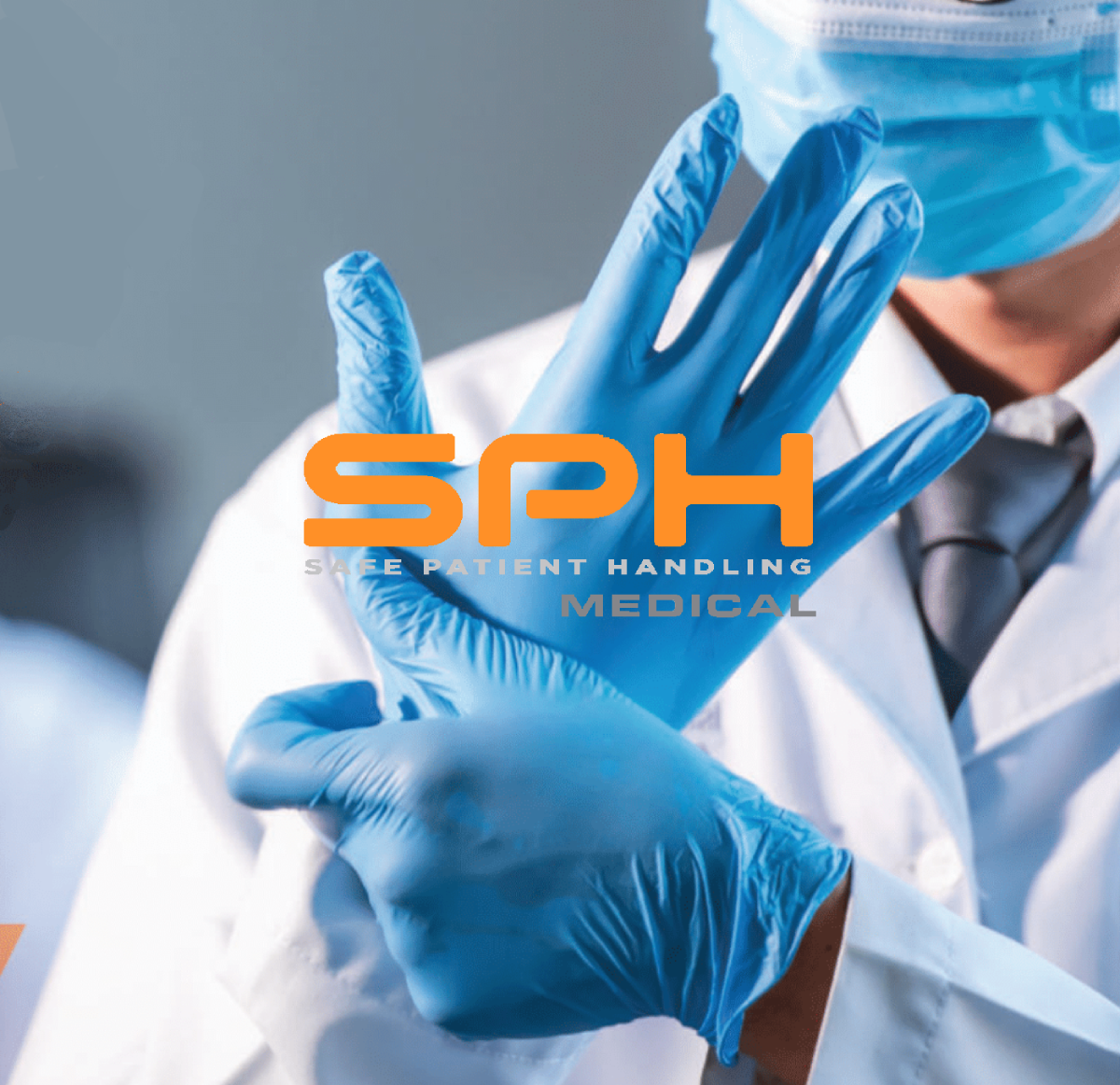
Nitrile Exam Gloves Protect Doctors and Nurses
CategoriesInfection Prevention

Nitrile Examination Gloves from Malaysia

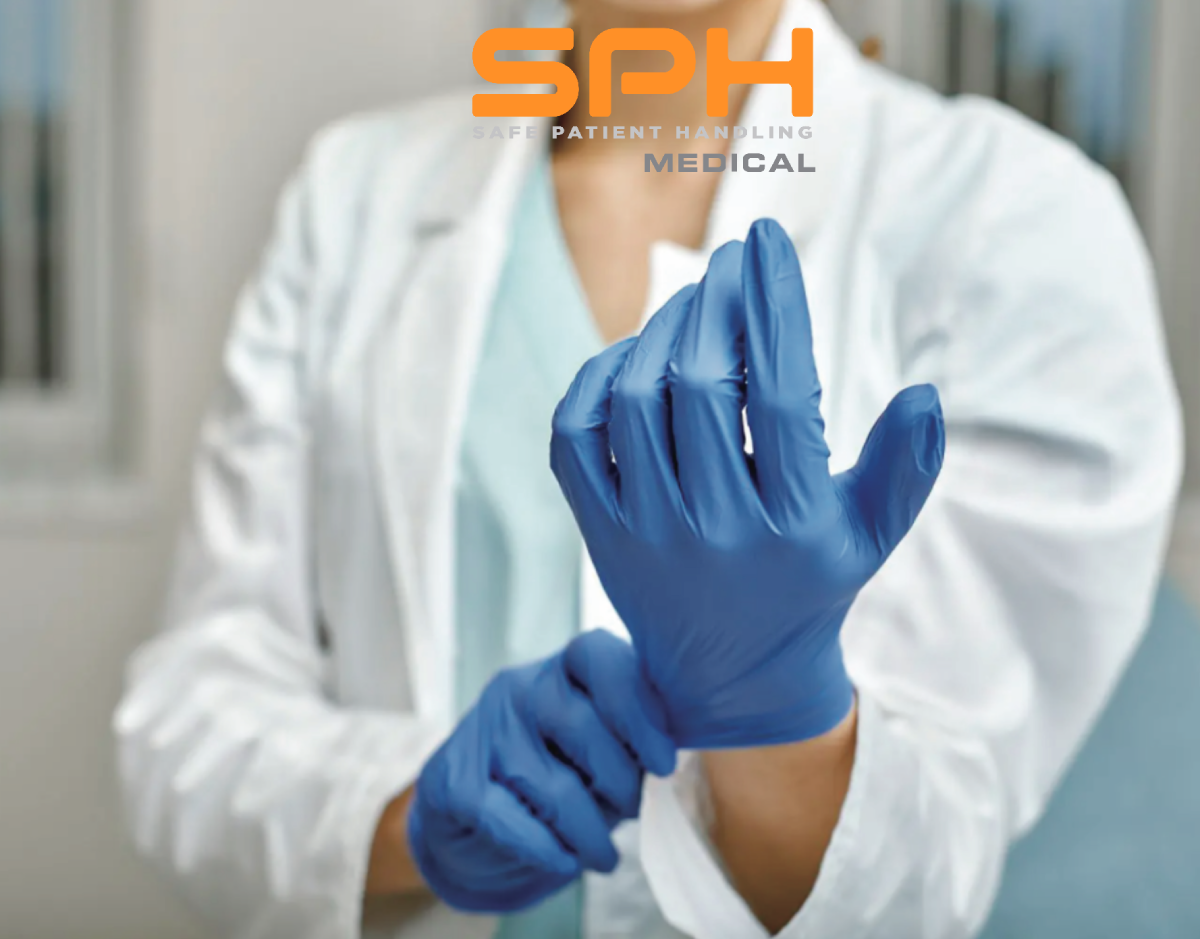
Nitrile Examination Gloves from Malaysia are in high demand at the moment.  If you work in the food service, beauty, chemical, automotive or health care industry, you likely protect your hands with nitrile gloves. Recent threats to public health, including but not limited to Covid-19, and changes in the medical field have given the exam glove industry a healthy boost.

History of Nitrile Gloves

When doctors began wearing surgical gloves, they reused the same pair. Donning gloves protected the wearer from external pathogens. But reusable gloves are essentially as effective as hand-washing for preventing transmission of germs to others.

Before the 1800s, germ transmission and infection were responsible for a 50-percent mortality rate in surgery patients. Surgeons didn’t always have good hygiene practices. Throughout the 1800s, medical professionals started to use harsh substances to disinfect medical instruments. When these chemicals caused a skin reaction in a Johns Hopkins nurse, Dr. William Halstead collaborated with Goodyear to develop rubber gloves for her.

At the same time, Malaysia was capitalizing on one of its natural resources. The first rubber plantations in the country began to pop up in 1896.

Wearing protective examination gloves became commonplace by the early 1900s. The first disposable examination gloves were made from latex, a type of rubber that comes from a tree that grows well in the Malaysian climate.

Then, the AIDS epidemic hit. The demand for medical examination gloves soared based on recommendations from the Centers for Disease Control and Prevention. Malaysian manufacturers churned out examination gloves.

With so many people using latex gloves, however, the world began to realize that the material could cause sensitivities and allergic reactions in people who came in contact with it. Attempts to replicate natural rubber had been rampant since World War II. Nitrile was first created in 1930, but it wasn’t used for gloves until the 1990s.

Entrepreneurs in Malaysia and other parts of Asia renewed their interest in manufacturing gloves. This time, they made the products from nitrile.

Today, about 75% of the medical gloves on the market come from Malaysian manufacturers.

Raw Materials

Although most people refer to nitrile as rubber, it doesn’t come from a natural source. It is a synthetic material that is formed from amides, aldehydes, ketones and halogenoalkanes. To be effective, nitrile gloves must be flexible, form-fitting, comfortable and puncture-resistant.

The following two compounds are bonded together to make nitrile gloves:

  • Acrylonitrile – A monomer that is created by the ammoxidation of propylene
  • Butadiene – A non-corrosive gas and byproduct of the production of propylene and ethylene

Quality and Benefits of Nitrile Gloves

Nitrile gloves must follow specific quality standards to provide adequate healthcare worker protection. The material is inherently resistant to damage from many noxious chemicals, which makes it ideal for various industries. But it won’t keep users safe if certain quality standards aren’t followed.

In the U.S., the Food and Drug Administration regulates this class I medical device. The gloves must adhere to strict standards regarding the following:

  • Holes
  • Freedom from powder
  • Degree of sterility
  • Tensile strength
  • Ultimate elongation
  • Physical qualities after aging
  • Biocompatibility

Medical gloves have different regulations than all-purpose gloves. They must undergo rigorous testing and require:

  • FDA 510K approval
  • Registration and listing with the FDA

The FDA controls the marketing for this product too. Vague labeling claims are restricted. Only gloves that have the word “examination” on the packaging may be used in the medical field.

Other categories that have labeling or regulatory requirements include:

  • Dental examination or dental surgeon’s gloves – May include the word “dental,” but must include the word “examination”
  • Chemotherapy gloves – Are tested for penetration and permeation from chemotherapy drugs
  • Microsurgery gloves – May have decreased thickness in particular areas but cannot be thinner than the FDA standard
  • Orthopedic surgery gloves – Label must declare the measured thickness
  • Radiation attenuating gloves – Must meet requirements for surgeon’s glove as well as data backing x-ray reducing claims
    Other requirements safeguard the security of nitrile exam gloves. Expiration dates and lot numbers on the label allow consumers to ensure that they’re using safe products.

Today’s Malaysian Nitrile Examination Gloves Production and Market

The COVID-19 pandemic has shaken up the nitrile glove industry in Malaysia and beyond. An initial shortage caused concern among healthcare workers and the public. When the U.S. banned imports of disposable nitrile gloves from certain companies due to forced labor and other labor compliance concerns, some manufacturers claim to have changed their policies.

Amid these allegations, new players are entering the glove game in Malaysia. Property developers are partnering with manufacturers to enter the growing industry. These projects will create new job opportunities for Malaysian residents even though most of the gloves are exported outside of the country’s borders.

Some other factors impacting demand include:

  • Population growth
  • A larger aging population
  • Rapid industrialization of developing countries
  • Growth of the healthcare industry
  • Increasing rates of disease
  • Enhanced healthcare and hygiene education

Market fragmentation is driving competition. But merger, acquisition and partnership strategies are helping key players, such as Top Glove Corporation Bhd, Ansell Ltd. and Hartalega Holdings Berhad, stay in the game and others to enter.

Malaysian exports of nitrile examination grade gloves grew by 51.9 percent in 2020. Moreover, the Asia Pacific consumer market is growing in this category as the development of medical facilities increases. Researchers predict that the nitrile glove market will reach $9.41 billion by 2027.

As a US supplier to hospitals and healthcare facilities SPH Medical is a trusted source for Nitrile Examination gloves from Malaysia.  SPH Medical delivers gloves directly to hospitals including the Chemotherapy Drug and Fentanyl Citrate Tested Nitrile Exam Glove from Hartalega which has been adopted by many leading health systems.  Contact SPH Medical to learn more or to request a quote for your facility.

N95 Masks for Maximum Protection
CategoriesInfection Prevention

Cal OSHA New ETS for N95 Respirators

On June 17th, Cal OSHA issued an updated COVID-19 Prevention ETS (Emergency Temporary Standards) requiring employers in California to provide N95 Masks for employees that are unvaccinated. The following topics are discussed in the updated ETS. As a result of the updated ETS we are seeing an immediate increase in demand for NIOSH Approved N95 Respirators.

Summary of June 17th ETS.

  • Physical Distancing – This is being phased out along with barriers.
  • N95 Respirators for employees – Employer must provide access to N95 mask for unvaccinated employees
  • Face Coverings – Face Coverings are still required for unvaccinated employees
  • Vaccines – Employers must document vaccination status of employees
  • Testing – Must be offered at no charge to Employees
  • Outbreaks – More protective measures will be required if an Outbreak occurs
  • Enforcement – Employers should implement the June 17th ETS as soon as possible to avoid being cited

Here are the highlights of the ETS as it relates to N95 Respirators:

Q:  Is an employer’s obligated to provide respirators and to whom?

A:   The bottom line is that there are two scenarios that an employer needs to be prepared for:  (1) An Employer must provide an N95 respirator to any unvaccinated employee who works with others indoors or in a vehicle and who requests one and (2)  If there is a major outbreak the employer must provide an N95 to any employees in the exposed group for voluntary use.  The employer must provide a respirator that is the right size and fit for the employee and they must provide basic instruction on how to get a good fit or seal around their face.

Q:  Does an Employer have to provide N95 respirators “upon request”?

A:  An employer must be able to provide the respirator upon request.  The employer can wither keep the N95 masks in stock or they can take a poll of all their employees to determine which employees will need an N95 respirator before they purchase them.  Once the employer has determined that it has employees that wish to wear respirators it should make sure that it has enough quantity of masks that fit properly for this group of employees and also consider that respirators will have to be replaced if soiled, broken or contaminated.  Employers can also allow employees to purchase their own mask and reimburse the employee.

If an unvaccinated employee asks for an N95 mask at any time, the employer is obligated to provide one.

If there is a major outbreak the employer must offer N95 respirators to all employees whether they have been vaccinated or not.

Q. How soon does a respirator need to be provided after an employee requests it?

A. According to the new ETS employers should estimate their needs immediately and order the required NIOSH Approved N95 respirators to provide to unvaccinated employees as soon as possible.

Healthcare Workers Also Continue to Depend on N95 Masks

While the COVID-19 pandemic is becoming less severe as case counts drop steadily and larger percentages of people become vaccinated from the coronavirus, healthcare workers are still in need of protective equipment to prevent a COVID-19 infection, especially since variants of this virus are spreading worldwide. As such, the NIOSH N95 mask is essential for hospital workers over the coming months.

While there was a severe shortage of health grade N95 masks in the past, now that fewer people in the outside world need to mask up, hospital workers are seeing a more steady stream of the N95 mask in their supplies. This means nurses, doctors, and other healthcare workers will not need to worry about infection risk as much since they won’t need to re-use these supplies.

Who are the hospital workers that are in greatest need of the NIOSH approved N95 respirator? Keep reading to find out.

Hospital Workers are also in Need of This Mask

According to the Centers for Disease Control and Prevention (CDC), surgical N95 respirators are meant only for healthcare personnel who need to be protected from airborne and fluid risks such as splashes and sprays. If N95 respirator masks are not available for use, a face shield can be used instead.

Therefore, any healthcare workers, such as surgeons, physicians, or nurses, who perform procedures on patients that involve transfer of body fluids, particulate matter, and microorganisms need to use N95 respirators, according to the US Food and Drug Administration.

What Different Styles of Masks are in Use Today?

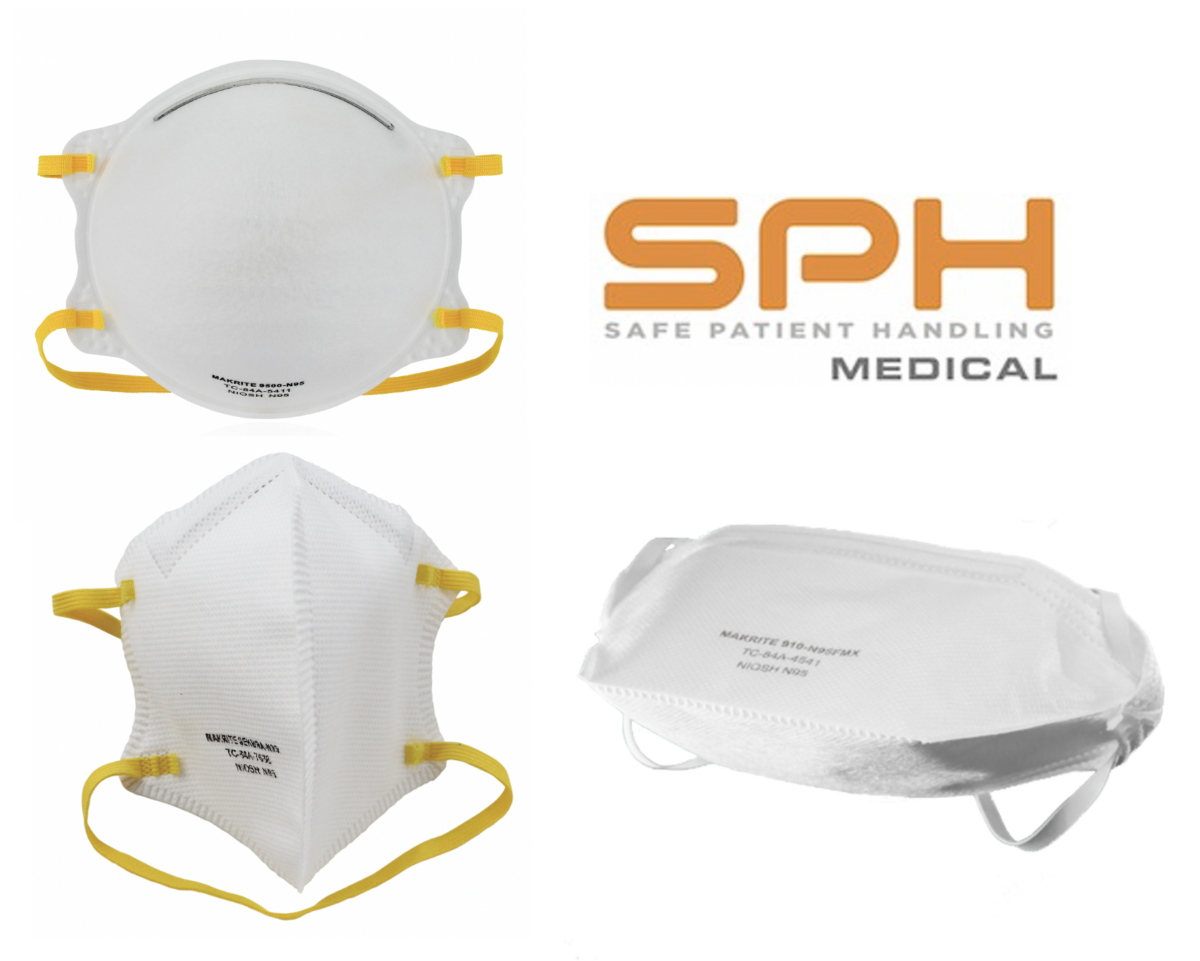
There are several different styles of masks that medical workers use today, such as the cup style mask, a mask with a vertical fold, and a duckbill mask. There are N95 masks in the shape of a cup style, which involves a cone shape.

A vertical fold mask has vertical pleats and can be sewn together by an average stitcher using standard fabric that can be bought at a Michaels store. An N95 duckbill mask poofs out at the front and looks similar to a duckbill.

What is a Surgical Rating for an N95?

NIOSH approves surgical N95 respirators for use as a standard N95 respirator while in the past the FDA approved the respirator as a surgical mask.  Recently NIOSH has updated their surgical respirator approval to a more streamlined process. Research has shown that N95 respirator masks have much lower penetration levels of particles in the air when compared to the blue style 3 ply surgical mask.

Having a proper fit across the face, as determined by a fit test, makes a major difference in keeping air particles from infecting the mask wearer.

Who are the Key Manufacturers in this Space?

Some of the top manufacturers of protective equipment and face masks include:

    • Makrite
    • 3M
    • Honeywell
    • Kimberley-Clark Corporation

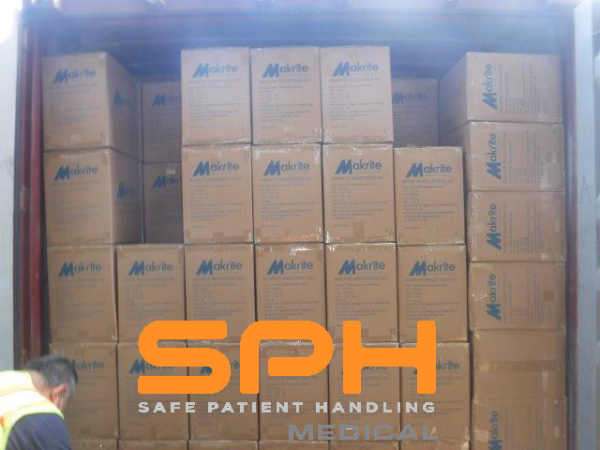
SPH Medical is a trusted source for N95 respirators and is a global distributor for Makrite Industries.

The Healthcare Facilities Using N95 Masks

In addition to Hospitals, some other types of healthcare facilities that use N95 respirators that you may not be aware of include long-term care facilities, nursing homes, and assisted living centers, according to the Occupational Safety and Health Administration (OSHA). In particular, healthcare workers who are in contact with a long-term care resident who is suspected or found to have COVID-19 should wear N95 respirators or a higher-level face mask.

New Market Trends

The market trends for N95 respirators positioned the compound annual growth rate (CAGR) of 45.1% from 2020 to 2027, according to a report from Grand View Research. The COVID-19 pandemic along with other infectious diseases led to a significant growth in demand for N95 respirators. North America took up a 32.3 percent share of global revenue in 2019.

Despite the decline in COVID-19 cases, the growth in demand for N95 respirators means there is still a global shortage of protective equipment and these masks, according to the FDA. To mitigate these continual shortages, the US government is taking action such as providing more information about alternative options for protective gear.

US manufacturers have been investing millions of dollars into rebuilding the stockpiles of such protective equipment including masks, isolation gowns, and more. International manufacturing has also played a major role in overcoming these shortages.

The future of the healthcare industry will depend upon N95 respirators and other protective equipment while the COVID-19 pandemic continues to impact the globe.

References:

https://www.cdc.gov/coronavirus/2019-ncov/hcp/checklist-n95-strategy.html

https://www.osha.gov/sites/default/files/respiratory-protection-covid19-long-term-care.pdf

https://www.grandviewresearch.com/industry-analysis/n95-mask-market#:~:text=The%20global%20N95%20mask%20market%20size%20was%20estimated%20at%20USD,USD%206.39%20billion%20in%202020.&text=The%20N95%20mask%20market%20is,USD%2021.57%20billion%20by%202027.

https://www.fda.gov/medical-devices/coronavirus-covid-19-and-medical-devices/medical-device-shortages-during-covid-19-public-health-emergency


Nitrile Exam Glove Testing 2021
CategoriesInfection Prevention

Evaluating the Quality of Nitrile Exam Gloves for Hospitals

Nitrile Exam Gloves for Hospitals

Most of the world was unprepared for a pandemic like COVID-19. The contagion caused many supply chain issues including a shortage of medical supplies like gloves, N95 masks and, isolation gowns. With the need for these supplies continuing, some scammers are attempting to profit by manufacturing fake or low quality gloves with fake packaging. It’s important for value analysis and purchasing departments to avoid buying them. Not only are they a financial loss, but they could also put hospital staff and patients at risk. Here’s how to evaluate the quality of nitrile exam gloves for hospitals.

What You Need to Know About FDA 510K Approval

The FDA requires some medical device manufacturers to register with them when they plan to advertise a medical device. Under section 510K, these companies must notify the FDA of their marketing agenda at least 90 days before they intend to implement it.

This alert is called Premarket Notification. The FDA requires this step to determine if the product is equal to a device that’s already in one of the government agency’s three classification sections. That way, the FDA can identify medical devices properly.

For medical examination gloves the FDA approves the glove with a product code to confirm the approval for the intended use.  LZA is the product code issued to Nitrile Examination gloves to confirm that the gloves are intended for medical purposes and are worn on the examiner’s hands or fingers to prevent contamination between patient and examiner.  Other important product approval codes are OPJ which is for Medical Gloves with Chemotherapy Labeling Claims, and QDO which is an approval for Fentanyl and other Opioid Protection Gloves.  The FDA includes in their 510K approval letter all of the associated testing that was submitted for review by the manufacturer to achieve the respective product code.

Look for ASTM D6319 TestingGlove manufacturers are required to provide testing that meets ASTM standards.  ASTM International is a nonprofit global standards organization that develops and distributes technical standards for a variety of products including medical equipment. Companies that produce their products according to ASTM D6319 standards are able to offer their customers the assurance that they are selling Examination grade gloves that are manufactured for medical use.

When gloves meet the ASTM D6319 standard, they are powder free, thicker than disposable gloves designed for other purposes and include a higher tensile strength level.

The ASTM testing standards for chemo tested nitrile exam gloves consists of checking the material’s strength and flexibility. The organization’s tests are designed to make sure that an examination glove is unlikely to tear or fail and provides the proper amount of stretch.

When a powder free examination glove box confirms that its contents have been ASTM tested, then the gloves have undergone an accelerated aging process that involves heat. This test is designed to assess how well the gloves will work toward the end of their shelf life, giving you peace of mind that they will continue to provide protection until they are expired.

Check for ASTM Chemotherapy Drug Testing Standards

Since chemotherapy agents are extremely toxic, it’s important for healthcare employees to handle them wearing examination gloves that have been tested for saturation using the ASTM’s more vigorous D6978 standard instead of the guidelines used for other chemicals.

The chemotherapy drug testing standards require companies to test the gloves for up to four hours. The permeation test measures the time that it takes certain chemicals to make their way through the material of the latex free glove. For a glove to be considered safe for chemotherapy drugs, the tests must take place at particular temperatures too.

Understand the Ins and Outs of Factory Standards

ASTM standards include AQL testing, or Acceptable Quality Level.  For example ASTM D6319-10 includes an AQL of 2.5%. Before buying gloves from any company, make sure that you know how they test their products. Check the label for Acceptance Quality Limit, or AQL, testing. The definition of AQL testing is a “quality level that is the worst tolerable.” It refers to the highest number of faulty products allowed in a batch before that batch is discarded. For instance, if a label states that the AQL is 1.5%, then this means that the glove batch cannot contain more than 1.5% faulty items in the order.  Of course ASTM standards are set at an AQL of 2.5%, but some factories have an AQL of 1.5% which means they have stricter quality control levels.

Factory Testing of Nitrile Exam Gloves

Since the development of COVID-19 has caused a shortage of the raw materials needed to make nitrile examination gloves, defrauders have appeared on the scene to take advantage of hospitals and steal their money. When you buy quality tested nitrile exam gloves, your facility will be stocked with powder free gloves that are also latex free. To avoid becoming victim to a scam, watch for suspicious activity like uncommon payment requirements, sudden price increases and unexpected bulk supplies.

Read the Information that is Printed on the Medical Glove Box

The label printed on the glove box is important. It should include a list of tests that the manufacturer performed to confirm the quality of the gloves and their safety. When you purchase examination gloves, make sure that the boxes are labeled with information like:

  • Patient examination glove or surgeon’s glove
  • Tested for permeation resistance to chemotherapy drugs according to ASTM D6978-05
  • What chemotherapy drugs the gloves have been tested against
  • Chemical resistance data

The label should also show you the number of chemotherapy drugs that the gloves were tested against and the amount of drugs used during testing.

Label information is important because it allows you to confirm that you have exam gloves that are manufactured to provide the proper protection for your healthcare staff.

Keep in mind that packaging is simple for manufacturers to produce, making it the easiest thing to fake. If you run into a scammer, the box may falsely state that tests and standards have taken place when they haven’t. To keep your hospital staff protected, request third-party testing documents from your supplier. That way, you can confirm that you’re purchasing quality nitrile exam gloves.

Keeping Hospitals Stocked with Chemo Tested Nitrile Exam Gloves

Currently, the cost for raw materials to manufacture medical gloves has shot up quickly due to a lack of supplies and more demand because of COVID-19. Despite these challenges, SPH Medical is working tirelessly to provide consistent glove supplies to its hospital clients.

Sources:

1. https://webstore.ansi.org/sdo/astm
2. https://hourglass-intl.com/glove-testing-demystified-tensile-strength-and-ultimate-elongation/
3. https://www.pppmag.com/article/1623/January_2015/Are_Gloves_and_Gowns_Safe_for_Handling_Chemotherapy/#:~:text=ASTM%20standard%20D6978%20is%20specific,care%20workers%20handle%20chemotherapy%20drugs.
4. https://www.fbi.gov/news/pressrel/press-releases/fbi-warns-health-care-professionals-of-increased-potential-for-fraudulent-sales-of-covid-19-related-medical-equipment
5. FDA Product classification codes for Medical Gloves  https://www.accessdata.fda.gov/scripts/cdrh/cfdocs/cfpcd/classification.cfm?start_search=1&Submission_Type_ID=&DeviceName=&ProductCode=&DeviceClass=1&ThirdParty=&Panel=&RegulationNumber=880.6250&Implant_Flag=&Life_Sustain_Support_Flag=&PAGENUM=500&sortcolumn=DeviceNameDESC

CategoriesInfection Prevention

The Importance of Chemotherapy Testing for Nitrile Gloves

Chemotherapy Testing for Nitrile Gloves

In today’s current environment of infections and pathogens we are more increasingly concerned about Chemotherapy Testing for Nitrile Gloves. The International Agency for Research on Cancer of the World Health Organization confirms that cancer rates are increasing around the world due to people living longer. Most cases of cancer happen to people who are older. Also, researchers believe that smoking tobacco and unhealthy eating habits are likely to result in more lung and gastrointestinal cancers throughout the world. This means that more people will need cancer treatment.

Why Is It Important to Test the Effectiveness of Nitrile Gloves Against Chemotherapy Drugs?

Universal precautions requiring the use of disposable gloves have been in place for years. These precautions were established to prevent death from HIV contamination during the ‘80s and ‘90s as well as from other dangerous chemicals. Until the 1990s, disposable gloves were manufactured mainly from rubber. Unfortunately, in 1996, Karen Wetterhahn, who was a scientist, died from mercury poisoning after the chemical seeped through her gloves during an experiment.

After news of Wetterhahn’s death traveled through the science community, researchers recommended the use of plastic-laminated gloves instead. Advancements in technology brought about latex, vinyl and nitrile gloves. Many health providers choose gloves made from nitrile because the material is highly resistant against chemicals. This makes them best for medical facilities that use chemotherapy drugs. To keep healthcare staff safe, it’s important to test the effectiveness of gloves made from nitrile against chemotherapy drugs.

It’s important for healthcare workers to know whether the gloves that they’re using will protect them against all types of chemotherapy drugs. To check, review the chemical infiltration label listed on the package. Make sure that your gloves feature the most recent standard provided by the American Society for Testing and Materials or ASTM. The current code is D6978-05.

What You Need to Know About Fentanyl Citrate

Fentanyl is an artificial opioid used by cancer patients to manage their pain. It comes in tablet or patch form. The drug, Fentanyl Citrate is 50 times stronger than heroin and an estimated 100 times more powerful than morphine. In fact, just 2mg of the opioid is strong enough to cause death, which is why it’s important to use disposable gloves that will protect you from this powerful drug when working with cancer patients.

Recommendations for Proper Glove Use

Experts recommend wearing two pairs of gloves that have been tested against chemotherapy drugs anytime you’re participating in activities involving hazardous drugs. You should also change your gloves every 30 minutes or right away if the gloves become damaged or if you know that they’ve been contaminated. This is why medical facilities need so many boxes of gloves.

Wear disposable gloves that are free of powder and made from nitrile, latex or neoprene. Also, make sure that the cuff of the glove is long enough to cover your gown sleeves. Glove thickness depends on the material of the gloves. If you’re doing chemotherapy preparation, then make sure that your exterior glove is a sterile one.

You should wear two sets of gloves when disposing of hazardous drugs, cleaning up spills and for routine cleaning.

How Does Glove Testing Offer Protection?

Chemotherapy drug testing offers protection because you’ll know what chemicals your gloves will protect you from. When testing is complete, the third-party testing company will print chemotherapy drug information on the glove packaging including which drugs the gloves were tested against. The label will also show you what level of protection the gloves provide. To make it easy to determine what your gloves provide protection against, companies may add pictograms to the glove boxes.

If you didn’t have access to this detailed information, then you might accidentally choose a set of gloves that are not designed to protect you from the drugs that you’re giving to patients.

Glove Testing Requirements

The European Council Directive provides legal coverage for medical gloves. Along with this, the European Standard outlines exact requirements when it comes to labeling, glove shelf life and disclosure information. Quality testing methods are developed to check the physical properties of these kinds of gloves. This includes their strength levels and dimensions.

Testing involves checking for macroscopic material flaws. There is also a standard to test gloves against chemicals and microorganisms. Gloves that receive certification based on each standard offer a higher level of protection for the wearer.

Standard test methods to determine the protective properties of gloves include checking glove permeation as well as penetration levels. Penetration indicates whether a chemical can make its way through pores or macroscopic holes while permeation determines if chemicals can move through the glove. Testing must be done over a certain amount of time.

Maintaining Safety Standards

Third-party testing labs check nitrile exam gloves against drugs to confirm that they are safe for both patients and medical professionals. Gloves made from nitrile are in short supply but SPH Medical is delivering continuous supply to hospitals and provides the highest quality nitrile exam gloves with chemotherapy drug and fentanyl citrate testing.

Sources:

  1. https://onlinelibrary.wiley.com/doi/full/10.1002/ijc.29058
  2. https://www.ons.org/sites/default/files/PPE%20Use%20With%20Hazardous%20Drugs.pdf
  3. https://www.soscleanroom.com/blog/the-history-of-disposable-gloves/
  4. https://lowderma.com/pdf/Fentanyl-2019.pdf
  5. https://es.halyardhealth.com/media/1409/kchc-evaluating-chemotherapy-protection-new-version.pdf
SPH Medical delivers Nitrile Exam Gloves
CategoriesInfection Prevention

The History of Nitrile Exam Gloves for Nursing Safety

Nitrile Exam Gloves for Nursing Safety

Disposable gloves are the unsung heroes of healthcare products. They were developed because of a longtime need for the medical industry to implement cleaner standards and offer protection for those who provide healthcare services. Here’s the history and evolution of disposable gloves and how nitrile exam gloves became a necessity for the healthcare industry.

A Start with Johns Hopkins Hospital

Johns Hopkins Hospital opened in May 1889, and one of its founding members was Dr. William Stewart Halstead, a medical professional who is known for many important achievements in the medical community. For instance, he developed new surgical techniques for repairing hernias and removing gallstones. Dr. Halstead was also known for being a precise surgeon, one who believed in cleanliness. According to historical research, Halstead created the first surgical glove.

Dr. Halstead married a nurse named Caroline Hampton. She told him that she developed a rash after handling surgical chemicals. Dr. Halstead contacted the Goodyear Rubber Company, and they manufactured a set of rubber gloves for Caroline. She loved them so much that the couple requested more. Soon, Dr. Halstead’s surgical staff began wearing them when performing operations. At the time, his team used them because they increased their dexterity. They were not aware of how the gloves prevented the transfer of germs.

Before disposable gloves, patients who underwent surgery had a 50% mortality rate. Many of these deaths occurred because of germs being transferred from the doctor to the patient. Once the medical community made the connection, doctors began wearing disposable gloves more often. It didn’t take long for hospitals to make wearing them a requirement.

Material Advancements

Until the ‘90s, disposable gloves were typically manufactured from rubber. However, researchers found that rubber latex was unable to block some chemicals from connecting with the wearer’s skin. In 1996, Karen Wetterhahn, a researcher, died after mercury came into contact with her skin.

Later, it was determined that her gloves weren’t thick enough to protect her from the mercury. This incident encouraged researchers to recommend the use of plastic-laminated rubber gloves instead of latex during scientific experiments. Since then, the science and medical community has made material advancements.

Today, disposable gloves are made from materials like:

  • Latex
  • Nitrile
  • Vinyl
  • Neoprene
  • Polyethylene

Nitrile gloves are a popular choice because the material is highly resistant to chemicals. Manufacturers can develop it into a soft film, making them comfortable to wear. The material is exceptionally clean and free of accelerators. These features make nitrile gloves perfect for cleanrooms. Chemo tested nitrile exam gloves protect both the wearer and the patient.

History of Nitrile

Best Manufacturing, which is now Showa Best, developed the technology for nitrile gloves about 15 years ago. Once people discovered how useful the material was, Ansell brought out different glove products such as blue nitrile and purple nitrile gloves. Gloves made from nitrile are not a competing product against latex gloves. Instead, they are produced for people who are working with dangerous chemicals or have an allergy to latex.

Nitrile Exam Gloves Shortage

The coronavirus pandemic has led to a shortage of personal protection equipment, or PPE, like surgical gowns and gloves. Since nitrile gloves are hypoallergenic and capable of resisting chemicals, hospitals prefer them for their medical staff. At the moment, these gloves are tough to get and increasingly expensive.

According to reports, the national stockpile of them in the United States is just 72 million gloves compared to the target amount of 4.5 billion. The shortage is causing states to make their way through an intense medical equipment market filled with shady middlemen and black-market dealers. Fraud is occurring at a rapid pace and the cost of gloves is skyrocketing.

Estimates show that one box of gloves costs around $32. This is a massive increase from what medical facilities were paying before the pandemic arrived. The demand has minted a few more billionaires and centimillionaires.

Market analysts are confirming that the global demand for nitrile gloves has almost doubled in just a few months. In 2019, the demand was an estimated 300 billion while in August of 2020, the demand grew to almost 585 billion.

Glove manufacturers can only develop about 370 billion gloves each year. After determining the enhanced need for gloves, companies have been working to increase production. The production increase will allow companies to make around 50 billion more of them, but this still leaves the medical community short. Also, while the United States appears to be getting the virus under control, it is raging in countries like India.

Even after the pandemic subsides around the world, manufacturers believe that the demand for nitrile gloves will increase. The reason for this is that now people know about their protective properties.

Protective Equipment that the Healthcare Industry Needs

SPH Medical works with manufacturers to provide Nitrile Examination Gloves to hospitals and healthcare facilities around the world. We want to keep healthcare workers everywhere comfortable and safe.

Sources:

  1. https://www.sciencehistory.org/distillations/the-nurse-who-introduced-gloves-to-the-operating-room
  2. https://www.hsimagazine.com/article/the-development-of-nitrile-gloves-144/
  3. https://www.forbes.com/sites/giacomotognini/2021/02/11/billionaires-making-boatloads-of-money-from-once-cheap-medical-gloves/?sh=110d3cec661c
CategoriesInfection Prevention

Boosting N95 Mask Supply

Manage the Pandemic’s Future by Boosting N95 Mask Supply

In 2021, the future of the pandemic seems to hinge on the efficacy and availability of the vaccine. While vaccine efforts do look promising, it is important to remember that some of the most powerful tools to combat COVID-19 are the same as they have been since the start. Using quality masks remains a critical component of conquering the pandemic once and for all. Shockingly, even after a year, the N95 mask supply is still in dire need globally. Hospitals around the country are still imposing strict limits on N95 mask usage. This leaves workers and first responders to reuse the same mask for multiple shifts to their own personal detriment. Yet, despite these restrictions, mask production is up around the world. In the United States, many established manufacturers have been boosting N95 mask supply. Moreover, as supply chain problems arise, smaller manufacturers have shifted their business models to compensate.

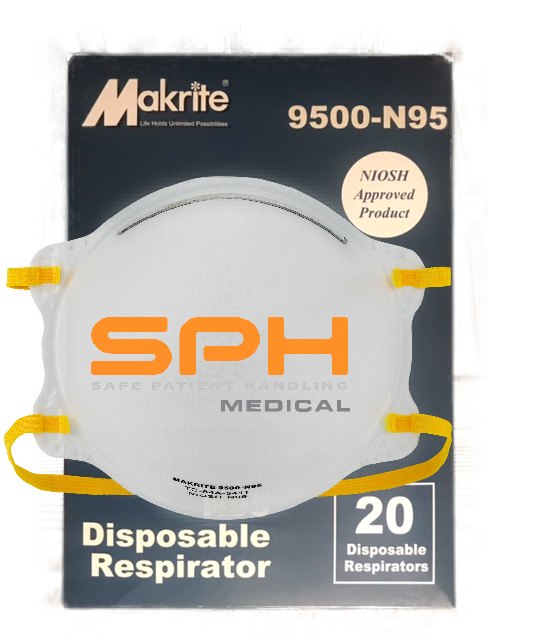
For comparison, prior to the pandemic, the demand for N95 respirators in the United States, including the model 9500-N95 mask, was 1.7 billion per year. Today, that demand has skyrocketed to 5.7 billion. Making a supply of N95 mask products to meet that need is a daunting task. The problem is evident when considering the cost of the N95 mask in today’s market. A year ago, these masks sold for less than a dollar. Recently, they reached prices in the range of $3.50 – $5.00.

Worse, the supply chain has not sufficiently adapted to make room for new suppliers. Some reports show that new suppliers are making a NIOSH N95 mask supply, but their products are going unused. The supply chain has not adequately explored all avenues for new stock, and too many medical facilities are relying on outdated suppliers or questionable alternatives.

This is deeply problematic given the reality of how COVID-19 is spread. Masks are an effective tool in controlling the pandemic because COVID-19 is transmitted through aerosols and respiratory droplets. Aerosols can be stopped by a fitted mask, but medical workers need a NIOSH N95 mask for the added fluid protection. While all N95 masks are designed to filter out extremely small and large particles, not all of them are made with fluid protection. Fluid protection ensures that the wearer is protected from blood or other bodily fluids that could be contagious. For frontline workers, this sort of protection is essential. Fluid resistance is a critical component in the mask’s surgical rating. Masks that are surgically rated must be tested for fluid resistance.

Supply Shortages or Supply Chain Failure

Whether the problem is supply shortages or supply chain failure, the end result is the same. Frontline workers are being left vulnerable when they need to be protected most. In fact, there is a growing consensus that the general population might benefit from increased masking. As new variants of COVID-19 spread across the globe, people need increased protection. However, until supply issues are resolved with the model 9500-N95 masks, other measures will need to be taken.

Fortunately, there is still good news. Despite the current obstacles, there are still viable options for medical facilities in securing the masks frontline workers need. The key is to leverage established manufacturers and work with reputable suppliers. This is where SPH Medical comes into play.

SPH Medical is a legitimate supplier in uncertain times. In order to cut on costs, SPH Medical has not cut out quality. Instead, the company has streamlined the supply chain and cut out the middle man. This ensures the best prices and efficient shipping times. SPH Medical is a reliable source that is trusted by hospitals across the country.

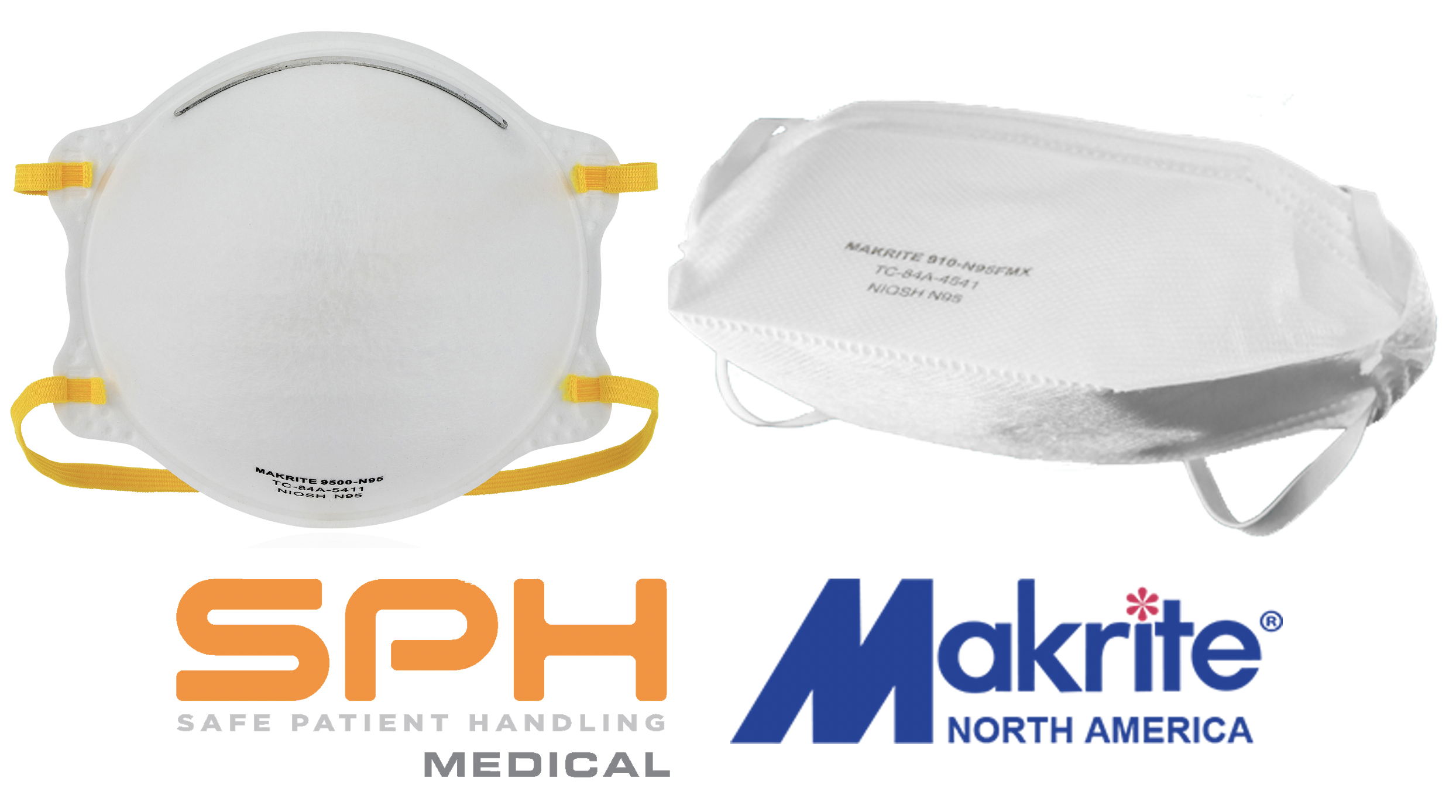
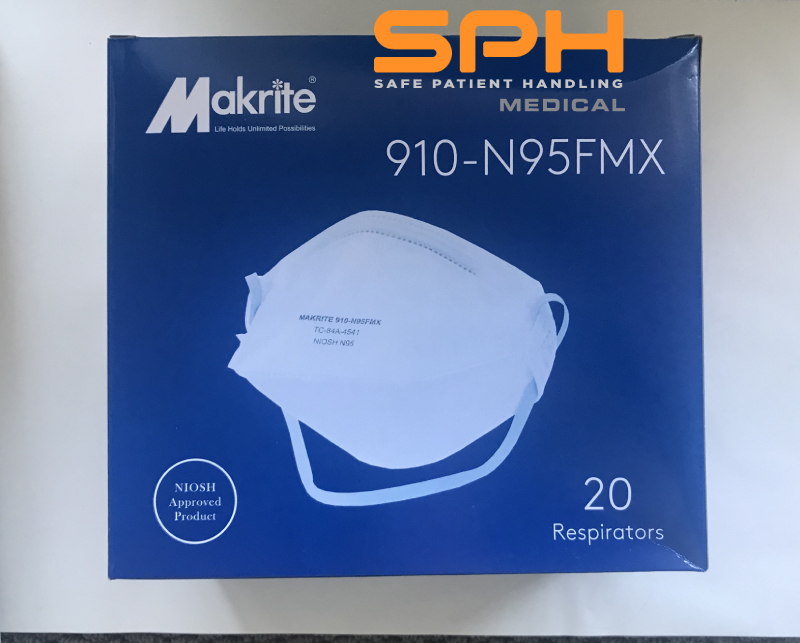
In particular, SPH Medical works closely with Makrite. Makrite has 30 years of experience in making masks, and the Makrite 910-N95FMX model is its latest and best. This Makrite N95 mask is NIOSH certified, and it has a surgical rating for fluid resistance. Its extreme efficacy has made the Makrite 910-N95FMX one of the company’s most popular surgical respirators. In other words, there is no need for frontline workers to suffer from a subpar supply. SPH Medical can help any medical facility build up a Makrite N95 mask supply to protect workers throughout the whole pandemic and beyond.

It is hard to predict what will come next in the pandemic. SPH Medical can prepare you for it all.

CategoriesInfection Prevention

The N95 Mask: Then Vs. Now

The Demand for Surgical Masks is Growing

COVID-19 has left a trail of wreckage, upset, and gloom in its wake. As this fatal virus continues to ravage the world, the demand for surgical masks is growing, resulting in shortages around the country. The N95 mask in particular, are a popular choice among both frontline workers and the general public. Touted as the optimal personal protective equipment, these FDA-approved surgical respirators are coveted for their fluid resistance, efficient filtration of airborne particles, high surgical rating, and biocompatibility. Unfortunately, increased demands for N95 masks have prompted alternative suppliers to capitalize on market gaps.

While many are keen to get their hands on N95 masks, purchasing surgical masks through third-party vendors is ill-advised. At SPH Medical, we’re an authorized distributor, so we know the risks that come with going through the middleman. For the sake of promoting mass production, alternative suppliers often use imitation materials. As a result, their products are low-quality, generic, and less durable. Unlike unauthorized sellers, we put a premium on reliability and transparency, which is why we work directly with the factory.

Where N95 Mask Production Is Headed

With consumers growing increasingly desperate for N95 masks, production is expected to ramp up. Throughout 2021, experts forecast that production spending will reach $1 billion. We can also anticipate more domestic consumption of these products. Many companies have already vowed to broaden their domestic reach to foster enhanced capacity and capabilities.

However, with new variants being introduced, third-party suppliers are gaining more traction. Though these illegitimate suppliers have lent a helping hand during these unprecedented times, consumers are compromising on quality for convenience. To ensure that this new reality doesn’t wreak irreparable havoc on public health, we at SPH Medical are using our industry resources for good. As a certified distributor for Makrite Industries, we’re making the future of N95 production a lot brighter.

How Cutting-Edge Developments Are Unfolding

Fortunately, we’ve not grown stagnant in our attempts to revolutionize N95 respirators and fluid protection masks. Makrite, for instance, has recently created the Makrite 910-N95FMX. As a new variation of the NIOSH N95 mask, the Makrite 910-N95FMX boasts updated features. Certified by the CDC and FDA, this all-new Makrite N95 mask promises unmatched comfort, protection, and durability. With its snug fit and adjustable straps, this Makrite N95 mask is a highly sought-after surgical respirator.

The Makrite model 9500-N95 is an equally desirable option. In addition to being NIOSH-approved, the model 9500-N95 is also exceedingly effective, making it an ideal choice for first responders and frontline caregivers. In fact, it’s our most popular N95 surgical respirator. With COVID-19 taking new forms and, in turn, posing unparalleled threats, these cutting-edge surgical respirators are proving a godsend. Fortunately, with Makrite’s 30 years of industry experience, this trusted manufacturer is making it possible for healthcare personnel to adhere to safety guidelines.

Market Trends On The Horizon

As the coronavirus demonstrates its stubborn presence, the disposable face mask market is predicted to grow. More specifically, trend forecasters anticipate an annual increase of 53 percent over the next seven years. This startling figure bespeaks the unrelenting need for N95 masks. With these demands on the rise, qualified distributors are being urged to spring into action.

As a certified supplier, we’re doing our part to fill these market gaps. In other words, we’re partnering with dependable manufacturers like Makrite so that healthcare workers and industries receive the supplies they desperately need to fight this virus. As we continue to provide for these everyday heroes, our dedication to quality is unwavering. For all your NIOSH N95 mask and surgical respirator needs, make SPH Medical your go-to source.

CategoriesInfection Prevention

NIOSH N95 Mask The Gold Standard for Protection

It has been a year since COVID-19 first changed the world. Today, masks are a common sight around the world. However, while most people have accepted a mask as a part of daily life, supply is still a pressing issue for the worldwide market. The future for masks is still up for discussion. The future starts by building up the supply. The global supply of N95 masks is still not sufficient. Regular consumers may not realize just how valuable the N95 mask is. These masks are much different from the cloth or disposable masks that most people wear on a daily basis. The N95 mask is designed to filter out 95 percent of airborne particles. This level of efficacy makes a NIOSH N95 mask the gold standard for protection during the pandemic.

To better understand the effectiveness of such masks, it is first important to distinguish between two different types. Some N95 masks are rated for surgical use. This is a key distinction. A Makrite N95 mask with a surgical rating has been tested for fluid resistance. This fluid resistance is critical in a surgical setting because of the inherent risks. The average person does not always need fluid resistance, but it is a useful tool for medical workers. One excellent example of a mask for such settings is the Makrite 910-N95FMX. It is the latest option that is NIOSH N95 Mask certified, and it offers dual protection from fluid and particles. In many ways, the Makrite 910-N95FMX represents the future of masking. Better quality and better protection will help contain the pandemic.

Given the effectiveness of the model 9500-N95 mask, it would make sense for everyone to use one. However, supply is still limited. According to official sources, the general public is still being discouraged from wearing the NIOSH N95 mask model. Instead, the supply is being prioritized for the medical community.

There does seem to be mobilization on this front. The United States recently invoked the Defense Protection Act. This act is designed to boost the production of critical supplies during times of crisis. Moreover, according to major suppliers, the act will help companies control the price and supply chain of such products.

That is good news, but it is not likely to fix the problem entirely. In many hospitals around the country, medical workers have to wear their coveted masks for up to five shifts. Mask use has increased 500 percent since last July. If medical employees are struggling to find new masks, the general public has an even tougher time. Most retailers have not had any stock of N95 mask products in a year.

This all comes as the pressure to mask up mounts. The United States is taking a more proactive approach, and the government has recommended that everyone wears masks for 100 days. Masks are now required on most public transit across the country. As new strains of COVID-19 become prevalent, some experts are recommending that the general public use a process of double masking to increase protection.

While vaccine distribution is expected to help turn the tide in the pandemic, the need for quality masks is not going away any time soon. Medical professionals still need the top tier of protection with model 9500-N95 masks. In order to secure a good supply, medical centers should work only with trusted suppliers. There have been many alternative supply solutions during the pandemic, but these options are less reputable and offer subpar results. When it comes to masks, this is not a time to cut corners. The safety of the medical workforce depends on quality.

This is why a trusted supplier like SPH Medical is such a good option. SPH Medical streamlines the supply chain by reducing the number of touchpoints. Without the middle man, SPH Medical works directly with factories to connect hospitals with the medical supplies they need like the Makrite N95 mask. Makrite has been serving the medical community since 1984, and it continues to be an important player thanks to its reliable masks.

The future is still uncertain. Therefore, it is important to have suppliers you trust. You can keep your staff safe with Makrite masks. Ensure your supply by working with SPH Medical.

CategoriesInfection Prevention

NIOSH N95 Masks for Public Use

The Growing Prevalence Of NIOSH N95 Masks

Before the coronavirus reared its fatal, viral, and contagious head, masks were predominantly worn by medical professionals. However, the world has been gripped by the COVID-19 pandemic for nearly a year, resulting in an increased demand for personal protective equipment. NIOSH N95 masks, in particular, are sought-after for their filtration efficiency, high surgical rating, and FDA approval. As these public demands remain on an upward trajectory, alternative suppliers are leaping at the opportunity to fill market gaps.

As an authorized distributor, we at SPH Medical understand the risks that come with opting for third-party vendors. In some cases, manufacturers use imitation materials and, in turn, produce cheap, inauthentic, and low-quality products. Not only does this take away from the efficacy of the N95 mask, but it also makes them less durable. To promote credibility and ensure peace of mind, we work directly with the factory. It’s for this reason why we’re a trusted source for surgical masks.

The Future Of NIOSH N95 Mask Production

Not surprisingly, we can anticipate a massive increase in the production and distribution of N95 masks. In fact, industry experts predict that domestic production will amount to roughly $1 billion in 2021. Much like third-party suppliers, we’ve also become heavily reliant on foreign vendors. In the hopes of scaling back our consumption of and reliance on overseas providers, companies are enhancing their domestic industrial capacity and capabilities.

Even still, we can expect unauthorized organizations to remain at the forefront of mask production and distribution. While third-party sellers have proven a godsend in times of need, consumers are now blurring the line between authenticity and convenience. For the sake of preserving our nation’s public health, we at SPH Medical strongly encourage consumers to purchase surgical masks from certified distributors like us.

How Masks Are Evolving


Fortunately, we’re seeing how rapidly fluid protection masks and N95 respirators are evolving. As a distributor forMakrite Industries, we’re witnessing these cutting-edge developments firsthand. For instance, the latest NIOSH N95 mask to grace the market is the Makrite 910-N95FMX. Ideal for frontline workers, the Makrite 910-N95FMX offers unmatched protection and comfort. In addition to meeting FDA requirements, it’s also adjustable, snug, and reliable.

Equally innovative is the Makrite model 9500-N95. Applauded for its durability and quality, the model 9500-N95 is NIOSH-approved and highly effective. In essence, it’s emblematic of Makrite’s 30 years of industry experience. If not for these modern versions of surgical masks, frontline caregivers and first responders would be at an increased risk of severe illness. As COVID-19 continues to prove a global threat, trusted manufacturers like Makrite are working hard to revolutionize and reinforce appropriate safety measures.

Market Trends

The need for surgical masks will only amplify as COVID-19 takes more lives. With that said, the N95 mask market is expected to grow at an annual rate of 53 percent for the next seven years. This unprecedented figure is evidence of the unwavering demand for N95 masks. To meet these expanding needs, it’s essential for qualified distributors to respond promptly and efficiently. At SPH Medical, we’re doing just that.

The Makrite N95 mask is one of our more popular surgical respirators. Much like the projected market trends, our figures are on an upward spiral. As we continue to fight this widespread virus, we’re proud to work with such a reputable manufacturer like Makrite that’s consistently providing for healthcare workers and industries. Whether you need a Makrite N95 mask or another top-notch surgical respirator, place your trust in SPH Medical.

CategoriesInfection Prevention

Finding a Trusted Supplier for N95 Facemasks

CDC Recommended N95 Facemasks

The pandemic has brought a lot of changes to the healthcare industry. From increased patient loads to shortages of medical supplies, there are many uncertainties are going into the future. One very specific medical supply that has got a lot of press lately is the N95 Facemasks.

The CDC has recommended this particular facemask as the most effective protective measure against the novel coronavirus. For this reason, the demand for the N95 Mask has skyrocketed in the healthcare, industrial, manufacturing, and general business industries. As with any sort of change in the level of demand, there are always people looking to capitalize. Unfortunately, this is wreaking havoc on the healthcare industry.

Having A Trusted Supplier Is More Important Than Ever Before

As the demand for these masks increases, more companies are trying to create distribution contracts with medical, industrial, manufacturing, and other business customers. Regrettably, not all of these distributors have the best interests of the end-users in mind. Many facilities don’t check to verify the legitimacy of these masks from unreputable distributors.

SPH Medical has been working with Makrite Industries, a company producing NIOSH N95 Masks and other similar products, for over 30 years. SPH Medical is an authorized global distributor that works directly with our supplier to bring healthcare, industrial, and manufacturing companies NIOSH certified masks. Currently, the Makrite N95 Mask is our most popular selling N95 respirator.

The Makrite Model 9500-N95 Respirator

The Makrite model 9500-N95 respirator is a vital piece of safety equipment for healthcare workers and other essential workers across the world. This mask has been in shortage since the coronavirus reached our shores earlier this year. Now there are many new entrants to the industry as new start up manufacturers race to produce N95 facemasks to meet the increasing market demand. Existing manufacturers like 3M and Makrite have implemented plans to produce masks at higher volumes than ever before.

Unfortunately, this ramping up of manufacturing takes time to implement and is often hampered by COVID-19 virus outbreaks causing manufacturing to be shut down. What was once thought of as a disposable mask that was to be thrown away after each patient interaction has become an all-day form of protection. Many healthcare facilities are still facing major shortages that require their staff members to use the same disposable mask for multiple patients. Some have been even instructed to keep using the mask until it’s visibly dirty or broken. SPH Medical is here to solve this crisis and is working to get N95 Masks into the hands of all frontline caregivers.

No Defense Production Act Order

As the COVID-19 pandemic was hitting record numbers, the former President utilized the Defense Production Act to remedy the nation’s shortage of ventilators. This Defense Production Act allows the President to order companies to manufacture products that are in short supply. The pre-pandemic ventilator manufacturers shared their trade secrets with these new manufacturers in an effort to enhance the supply of ventilators.

Since the Defense Production Act worked to eliminate the shortage of ventilators, many believe it should be used to remedy the NIOSH N95 Mask shortage. However, so far, President Trump has not enacted the Act. Rather, his party has overseen the scaling up of major mask manufacturers. As of right now, it doesn’t look like President Trump will be enacting the Defense Production Act for the production of N95 masks.

The Makrite 910-N95FMX Respirator and N95 Facemasks

The Makrite 910-N95FMX respirator is the newest innovation in the Makrite N95 Mask technology. This mask provides an excellent level of both protection and comfort for its wearer. Sealed with a Surgical Rating, the 910-N95FMX is a must-have for healthcare professional and frontline workers.

NIOSH certification requires that a mask undergo specific tests to ensure it conforms to the NIOSH standards outlined. Nelson Labs performs a variety of precertification tests, including valve leak, inhalation/exhalation, Dioctyl Phthalate (DOP), and Sodium Chloride Aerosol Challenge (NaCl) testing. NIOSH reviews these test results and provides the NIOSH N95 mask certification upon the mask meeting proper testing measures.

The Food And Drug Administration (FDA) is the agency that certifies a particular mask for surgical use. Masks cleared by the FDA show that they demonstrate flame resistance and an adequate level of fluid resistance. Both of these are considered highly important in the healthcare industry and in surgical settings.

In Summary

The future of the adequate supply of quality N95 masks is still uncertain for the general public and the healthcare industry. It’s now more important than ever before to be careful when selecting your mask supplier as many new companies have jumped into this market with lower quality products or even counterfeit products and are trying to capitalize on this health crisis. SPH Medical is a proven healthcare supplier that works directly with Makrite to ensure that healthcare professionals receive validated NIOSH Certified N95 masks.

Add to cart