CategoriesPatient Handling

Revolutionizing Surgical Efficiency with the EPD for Spinal Blocks

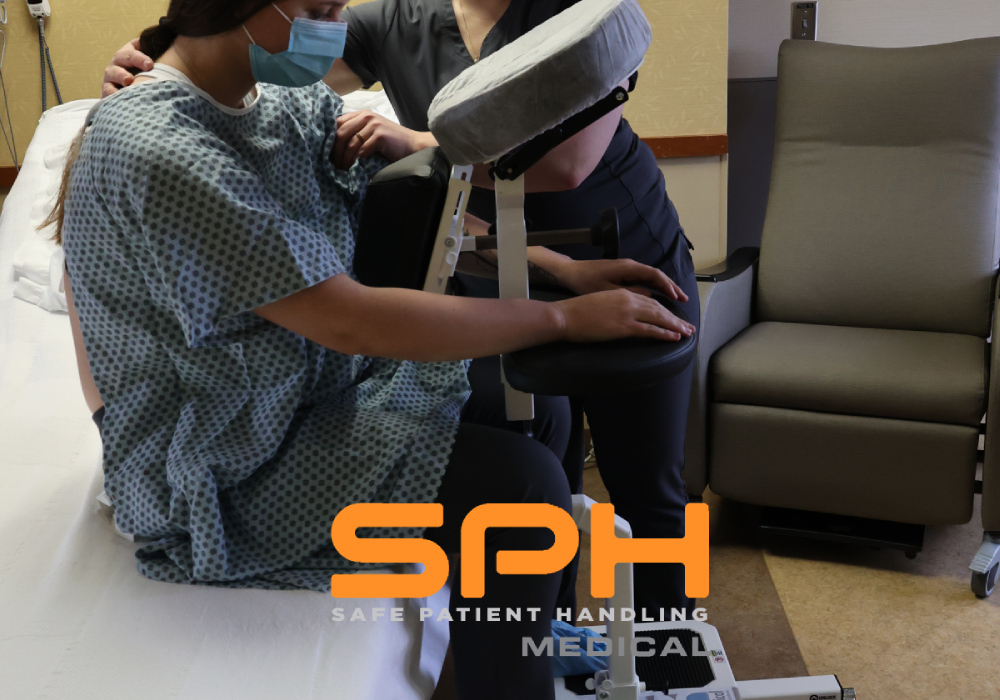
The EPD improves surgical efficiency for spinal blocks.  The rapid surge in high volume joint replacement surgeries demands unparalleled efficiency and absolute precision in the operating room. Modern surgical departments face immense pressure to optimize every single minute of their schedules while maintaining the highest standard of clinical excellence. Amidst these intense demands seamless spinal block administration has become more critical than ever before.

Traditionally positioning patients for spinal anesthesia required nurses to act as manual human props. This outdated practice places extraordinary physical strain on the dedicated nursing staff. Extensive OHSU Biodynamics lab testing confirms the extreme dangers of this manual patient handling. The research clearly shows that manual lifting forces nurses into awkward postures that actively contribute to severe musculoskeletal injuries.

Beyond the severe danger to the healthcare workforce manual positioning creates highly unstable environments for anesthesiologists. A moving target severely compromises the success of the procedure. The Epidural Positioning Device from SPH Medical is the ultimate engineered solution to this critical problem. The EPD provides complete mechanical stability drastically improving procedural efficiency and ensuring the highest level of safety for both patients and surgical staff.

Meeting the Demands of High Volume Joint Replacements

The increasing number of orthopedic procedures such as total knee and hip replacements rely heavily on spinal blocks for optimal patient outcomes. Spinal anesthesia allows for faster recovery times and reduces the systemic impacts associated with general anesthesia. However the success of a busy orthopedic schedule hinges on the rapid and safe administration of these blocks.

The Epidural Positioning Device accelerates operating room workflow by providing an incredibly intuitive user friendly design. It allows for rapid standardized patient setup before the surgery begins. This technology completely eliminates the massive amount of time wasted scavenging for pillows blankets or makeshift supports. Nurses can position the patient perfectly in a matter of seconds

Streamlining the anesthesia process prevents costly delays and keeps busy operating room schedules running perfectly on time. Every minute saved during the preoperative phase translates to massive financial savings for the hospital. Faster more efficient positioning directly aligns with hospital performance and process improvement goals. By equipping your staff with the best tools available you maximize surgical department efficiency across the board.

Unmatched Stability and Ergonomic Design

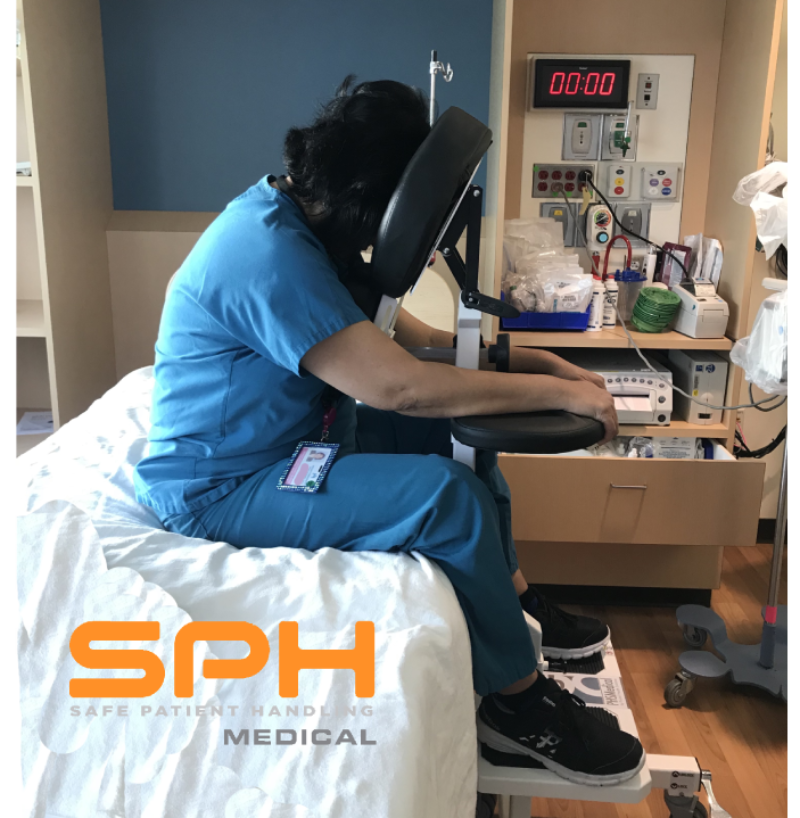
Anesthesiologists require a perfectly still target to safely administer a spinal block. The Epidural Positioning Device provides a rock solid mechanically sound platform that prevents unintended patient movement during needle insertion. When patients feel securely supported they can relax their muscles which naturally opens the intervertebral spaces.

This absolute precision leads to significantly higher first attempt success rates for the anesthesiologist. Achieving the block on the very first try prevents traumatic taps and drastically reduces procedural complications. The rigid stability of the EPD empowers physicians to perform their duties with absolute confidence and unparalleled accuracy.

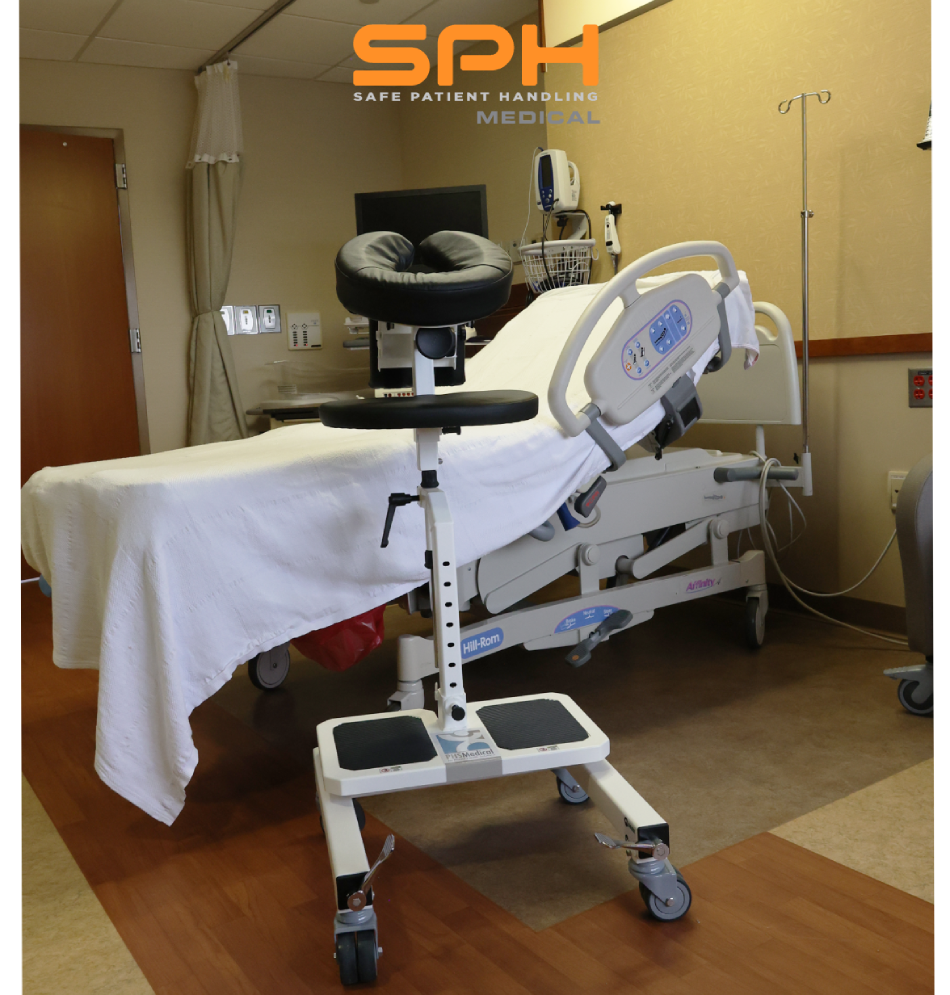
The device also offers comprehensive ergonomic support through fully adjustable chest arm and head supports. These highly engineered components easily conform to any patient anatomy. The heavy duty construction safely accommodates the rapidly growing bariatric patient population. This ensures equitable high quality care for every individual while removing the physical burden from the nursing staff entirely.

Elevating Patient and Staff Safety

Protecting the nursing workforce must be the top priority for any healthcare facility. Staff injuries are on the rise and require immediate intervention. The Epidural Positioning Device completely eliminates the need for nurses to manually hold patients in awkward static postures. Our solutions enable healthcare professionals to safely lift transfer position and mobilize patients safely while avoiding risk of injury.

Utilizing engineered mobility solutions strictly aligns with ANA APTA and AORN Safe Patient Handling and Mobility safety standards. Years of evidence confirms that Safe Patient Handling programs improve patient and staff safety immensely. This comprehensive support reduces workers compensation costs and minimizes lost work days by preventing severe back and shoulder injuries among clinical staff.

Furthermore the Epidural Positioning Device greatly enhances patient comfort and clinical outcomes. A secure mechanically supported resting position reduces patient anxiety and eliminates the profound fear of falling. Comfortable stable positioning minimizes ischemic pain and drastically improves overall patient satisfaction scores. Elevating the patient experience is a key success indicator for every modern hospital.
Comprehensive Training and Seamless Integration

SPH Medical understands that introducing new technology requires comprehensive support. We offer extensive training modules to keep your skills and knowledge completely up to date. Our dedicated team ensures that all staff members are fully equipped to utilize the Epidural Positioning Device effectively from day one.

The user friendly tools and intuitive interface ensure that the device integrates seamlessly into your existing operating room workflows. There is no steep learning curve or complicated setup process. The EPD is designed specifically for the fast paced demands of a high volume surgical department.

By standardizing the positioning process hospitals can ensure consistent predictable outcomes for every single procedure. This level of reliability is absolutely essential for maintaining clinical excellence and achieving your critical performance metrics.

The Ultimate Standard of Care with the EPD for Spinal Blocks

The Epidural Positioning Device represents a massive leap forward in operating room technology. It serves as a powerful catalyst for reducing procedural delays and accelerating the surgical schedule. Investing in this advanced equipment demonstrates an uncompromising commitment to clinical safety and operational superiority.

Hospitals that implement the EPD see immediate measurable improvements in both staff morale and procedural efficiency. Nurses no longer face the physical dread of manually supporting heavy sedated patients. Anesthesiologists praise the rigid stability that allows them to perform their blocks flawlessly.

This device is the definitive standard of care for modern surgery departments. It transforms the administration of spinal blocks by delivering unmatched stability superior ergonomic design and comprehensive safety for clinical staff. Do not allow outdated dangerous manual handling practices to compromise your surgical outcomes or threaten your valuable nursing workforce.
Transform Your Surgery Department Today

Your surgical staff deserves the highest level of mechanical support available. The Epidural Positioning Device is the exact tool required to meet the escalating demands of high volume joint replacement surgeries. It protects your nurses empowers your physicians and ensures maximum comfort for your patients.

Do not compromise on operating room efficiency or staff safety for another single day. Elevate your standard of care and experience the unmatched benefits of true mechanical stability.

Contact SPH Medical today to request a quote for the Epidural Positioning Device. Our team is ready to help you implement this revolutionary technology and immediately elevate the standard of care in your surgical department.
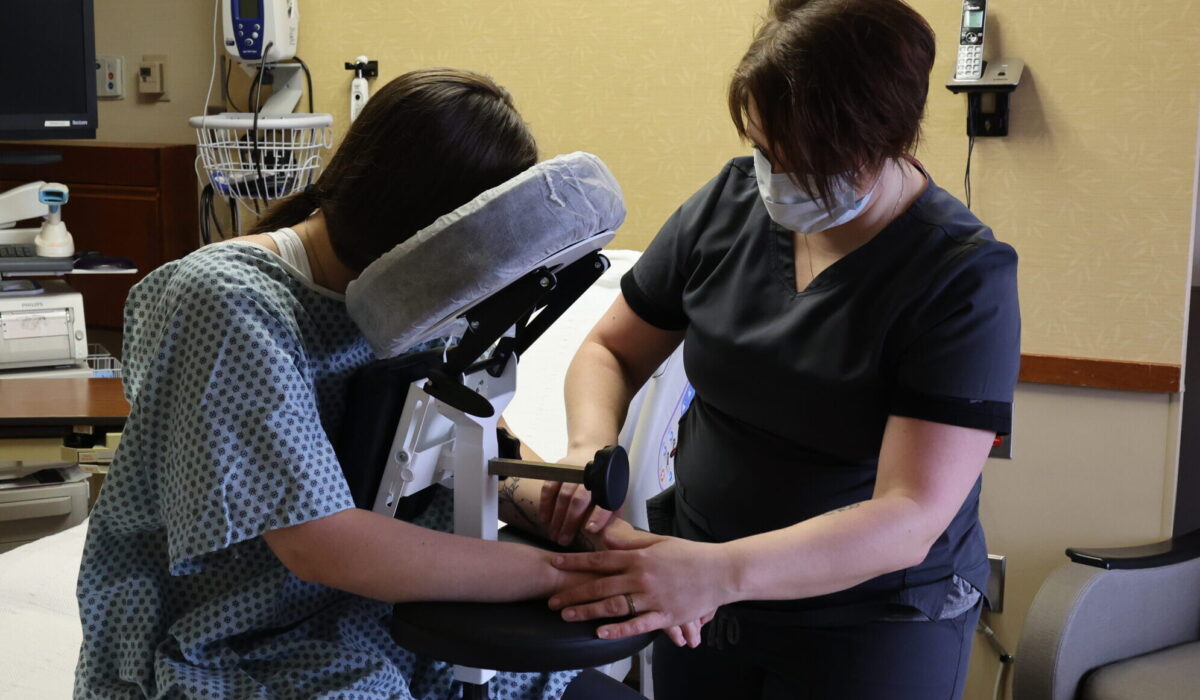
Improve Spinal Block Safety as well as Epidural and Lumbar Puncture safety with the Epidural Positioning Device
CategoriesPatient Handling

Advancements in Spinal Block Safety


The Epidural Positioning Device Improving Spinal Block Safety

There have been many advancements in Safe Patient Handling over the recent years. One very simple advancement has been the SPH Medical Epidural Positioning Device. This simple tool offers improved patient comfort and safety while positioning patients in the ideal flexed spine position. Most importantly it protects the caregivers, nurses, and anesthesia techs that use it and prevents staff injuries. When patients have surgery like a hip or knee replacement or go into labor before delivering a baby, they are commonly given pain relief via an epidural injection or spinal block. Any hospital unit can utilize an epidural positioning device (EPD) to improve a patient’s stability and comfort while they are receiving a spinal block. This device, also known as an Epidural Chair, decreases the risk of musculoskeletal injury to clinical staff as they position a patient to provide an epidural procedure as well as improves spinal block safety. Using this specialized equipment makes it easier for nurses, anesthesiologists, and other health care professionals to engage in safe patient handling practices at all times.

Many surgeons who perform complete knee or hip replacements prefer to recommend spinal blocks rather than general anesthesia for their patients. This treatment allows patients to start moving right away as they recover from surgery. The epidural positioning device can safely position patients in a seated position during many different types of procedures. Nursing staff and other qualified medical professionals in a Surgery Department or Labor and Delivery Unit can make adjustments to the device so that it can accommodate a variety of body types.

Safety and comfort improved with the EPD for Spinal Blocks, Epidurals, Lumbar Puncture and Thoracentesis

Safely Perform an Epidural or Spinal Blocks with the EPD

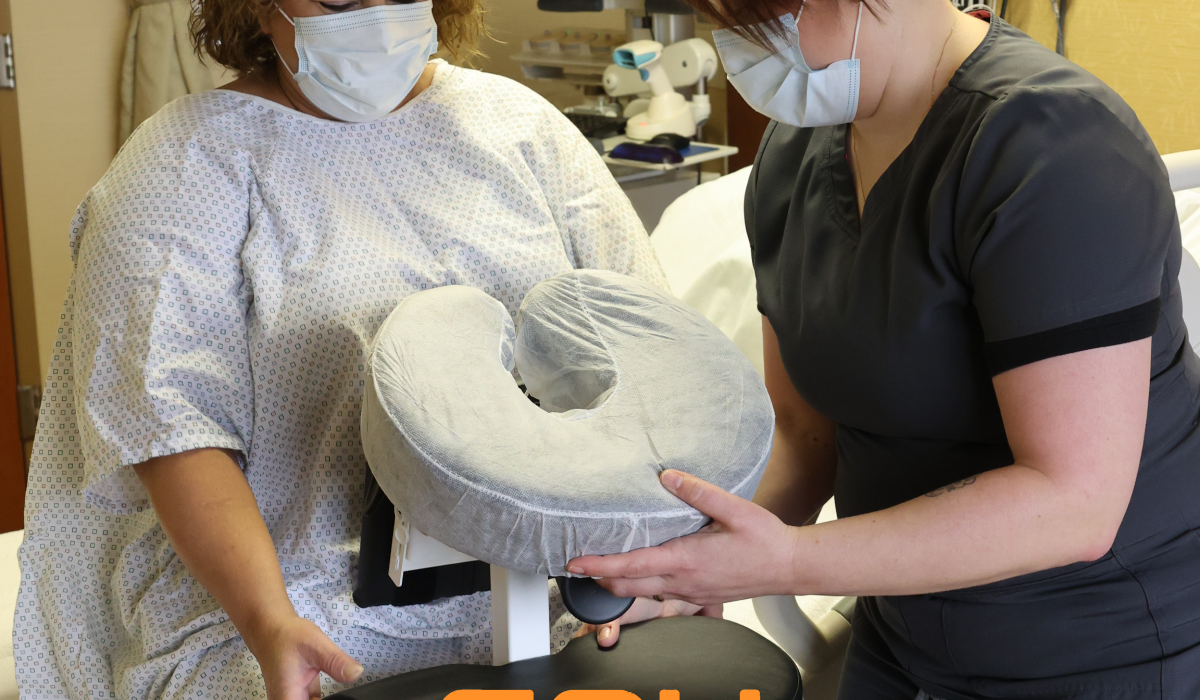
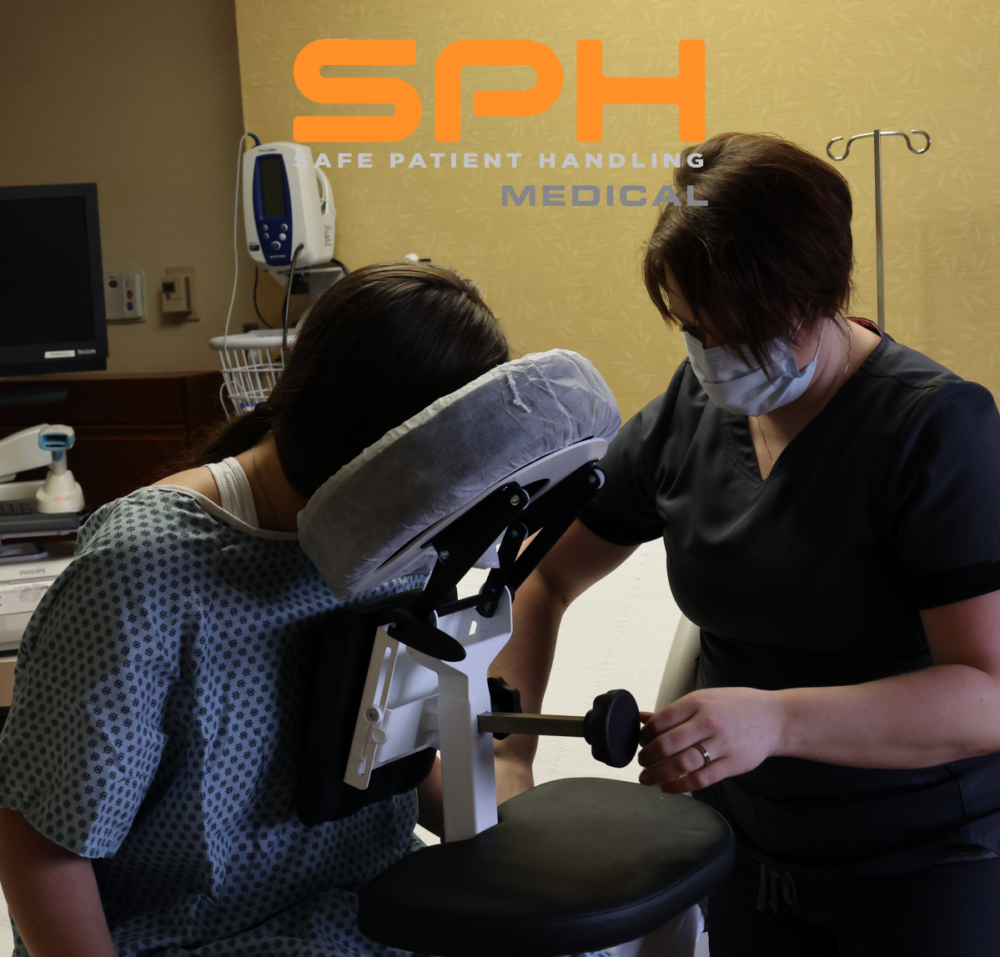
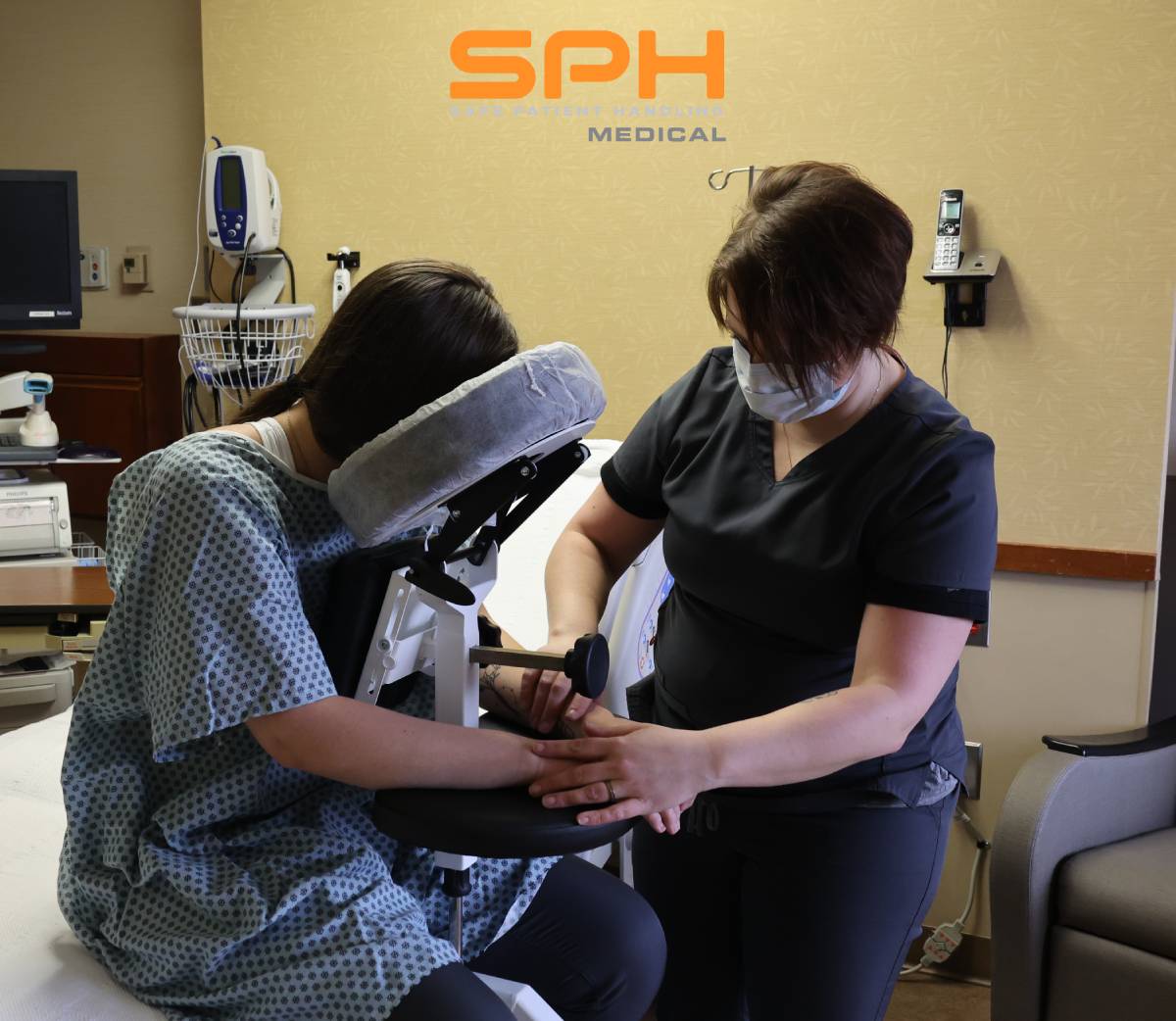
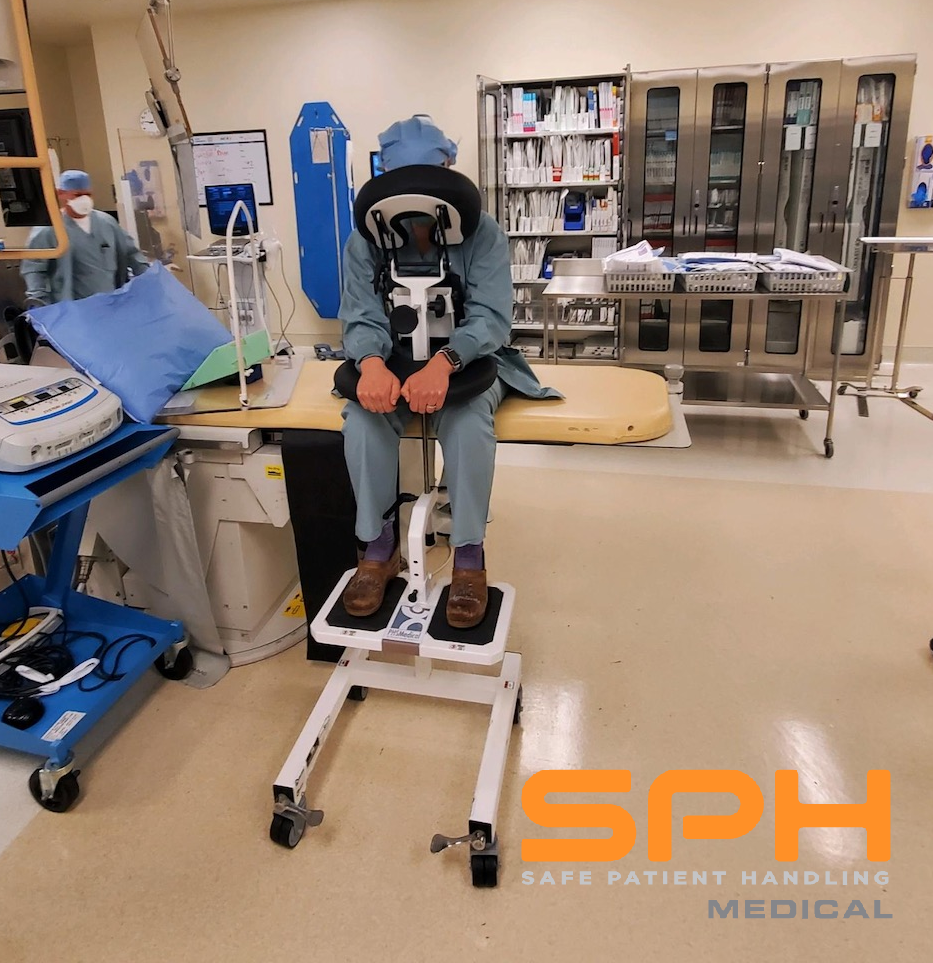
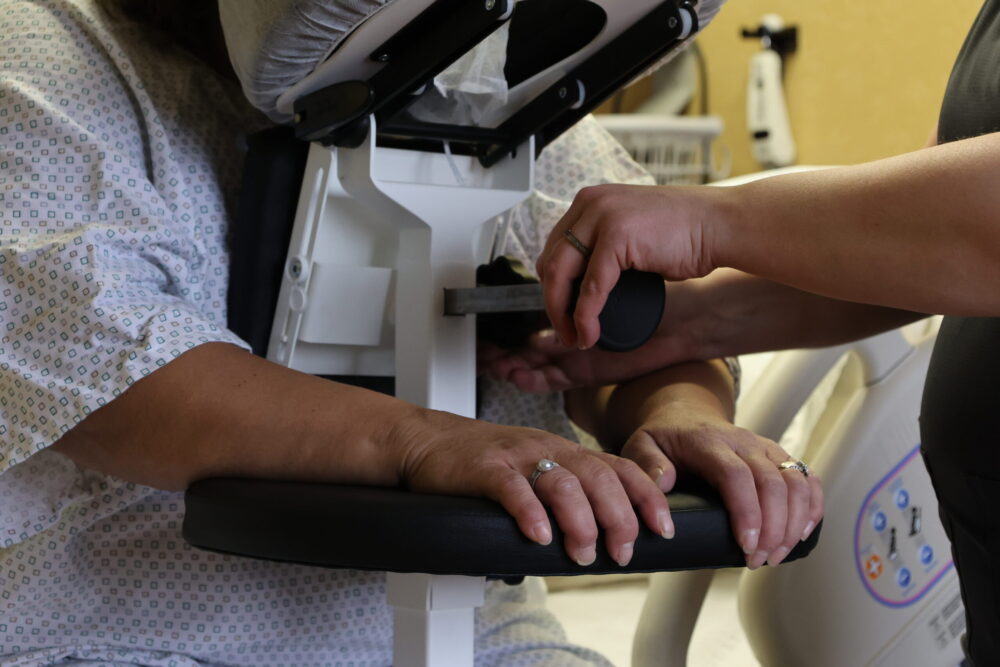
When a patient is seated at bedside or on a stretcher supported by an Epidural Chair, medical professionals can safely perform a spinal block or epidural procedure without difficulty. Funny enough, it’s not actually a chair as it has no seat! The patient actually sits on the bed or gurney and The EPD is brought over to them to provide support. As a patient leans forward against the EPD, the device promotes an ideal degree of thoracic, lumbar, and cervical spinal flexion that makes it easy for an anesthesiologist to insert a needle between their vertebrae. The specialty chair supports the patient so that staff members will never need to use their own weight to stabilize, hold, fix, or balance their body. Nurses and other clinical professionals who bear the weight of their patients can suffer sustained physical stress that can damage their own joints after a period of time. An unstable, large, or medicated patient can easily harm a staff member via improper physical contact. Using this specialized chair also decreases the chance that a patient or staff member will be injured from a slip or fall. Injuries can also be caused when sliding or rolling furniture or equipment strikes or collides with a patient or staff member.

An Epidural Chair can greatly benefit a hospital’s orthopedic surgery department or labor and delivery unit. This device is easy to add to any inventory of essential equipment. Keeping and using an epidural positioning device may increase spinal block safety and decrease a hospital’s risk of liability. According to researchers at Stanford University, the number of annual epidural procedures undertaken in the United States is increasing. The journal Anesthesiology published a report in 2018 stating that from 2009 to 2015, a large percentage of the 17 million women who delivered babies received a spinal analgesic. 68% of women who were at a normal weight and 76% of women who were overweight received this epidural treatment during labor. In 2008, 10% fewer pregnant women received the same epidural procedure. As spinal blocks become more frequent, patients and staff face greater chances of experiencing accidental injury, doing harm to equipment, wasting time, and enduring unfortunate or unsatisfying situations. Adding an EPD to a hospital’s depository of specialty equipment promotes safety and well-being for staff and patients and enhances the overall healthcare experience.

Sources:

Anesthesiology September 2018, Vol. 129, 448–458.

Tracie White. “Epidurals increase in popularity, Stanford study finds.” Scope 10K, Stanford Medicine, 26 Jun. 2018. Accessed 3 May 2022.

Alexander J. Butwick, Cynthia A. Wong, and Nan Guo. “Maternal Body Mass Index and Use of Labor Neuraxial Analgesia: A Population-based Retrospective Cohort Study.”Anesthesiology, Vol. 129, Sept. 2018, ASA Publications. Accessed 3 May 2022.

Spinal Block Safety is improved with the SPH Medical EPD.
CategoriesPatient Handling

Staff Safety During Spinal Blocks

In the past, patients who required analgesia given through an epidural or spinal blocks often required a handful of nurses and other clinical staff to conduct the procedure safely. Patients were held manually in a seated position with a flexed spine, often necessitating multiple medical professionals to support, provide counterpressure, or in some cases, catch a falling patient. Each of these manual patient handling tasks put the staff at risk.  But now both patients and staff can successfully experience an epidural or spinal block procedure safely with the use of an epidural positioning device or EPD.

Using an EPD in the Surgery Department

When spinal blocks are necessary to provide patient pain relief prior to a surgical procedure, multiple anesthesia techs, nurses or other medical professionals may be employed to make sure that a patient is positioned correctly. But using an epidural positioning device can ensure that the surgery department is following safe patient-handling procedures without putting staff at risk while helping patients remain in the correct posture for the spinal bock injection. Since the use of the device will require no additional staff members once the patient is engaged, surgical techs and staff can be utilized for their expertise rather than taking part in holding or securing patients before or after the spinal is administered.

Using an Epidural Chair in the Labor and Delivery Unit

Patients preparing to give birth are frequently shifted into a seated, flexedSpinal Block and Epidural Safety is Improved along with patient safety with the SPH Medical EPD position to receive epidural analgesia prior to giving birth. While tens of millions of epidurals are administered each year with their use only expected to escalate in the future, L&D staff are tasked with following safe patient handling guidelines that can be even trickier at the end stages of pregnancy. Many Labor and Delivery Unit facilities rely on the security of using an EPD as an injury prevention device for patients, nurses, OR techs and anesthesia techs. When a pregnant person must be secured in an uncomfortable or unstable position, like the seated and flexed position required for epidurals, they may require extra support from one or more staff members. Holding on, providing counterpressure or catching an unstable patient can hurt not only the patient but could easily injure a nurse or other medical professional needlessly when support from an epidural chair is available to provide stability.

Protecting Staff and Patients

Placing patients into the optimal cervical, thoracic or lumbar flexion is key to the successful administration of spinal or epidural medications. Patients undergoing hip or knee replacements, back procedures or delivering a baby all benefit from the correct placement of their medication or analgesic that will ensure their comfort before and during the procedure as well as promote a quick recovery afterward. But medical staff benefit just as much from the use of epidural chair equipment since they are now freed up from the physical requirements of holding and supporting patients who are undergoing this type of placement-sensitive procedure. Since ensuring patient safety is paramount for all medical professionals, those who assist in surgical and L&D situations where patients may fall or need physical support can avoid putting themselves at risk for their own injuries when a medical safety device like an epidural positioning device is utilized.

Contact SPH Medical to learn more about the EPD or request a quote.

Sources:

https://www.cdc.gov/nchs/data/nvsr/nvsr59/nvsr59_05.pdf

https://www.cdc.gov/nchs/data/nhsr/nhsr085.pdf

CategoriesPatient Handling

Improve Safety During Spinal Blocks

According to MedlinePlus, a trusted online resource for up-to-date information related to diseases and a host of wellness issues, a spinal block is commonly prescribed to patients undergoing genital, urinary tract, or other lower body medical procedures. They are also prescribed to pregnant women, in addition to epidural anesthesia, before they are due to give birth in a hospital’s labor and delivery unit. Also known as spinal anesthesia, a spinal block is a type of neuraxial regional anesthesia that involves injecting a local anesthetic or opioid directly into the subarachnoid space to block pain signals that would otherwise travel to the brain. Spinal blocks do a terrific job of keeping pain at bay so that patients can get through a needed medical procedure. But they can sometimes pose a danger to patients and medical teams alike. Improving safety during spinal blocks can be done with an epidural chair or epidural positioning device.

Safety During Spinal Blocks: The Dangers They Pose to Patients and Medical Teams Alike

Studies show that spinal blocks can increase a patient’s chances of experiencing low blood pressure, meningitis or abscess, hematomas, difficulty urinating, seizures, and headaches. As far as medical teams are concerned, many suffer musculoskeletal injuries due to lifting, repositioning, or catching falling patients that have received spinal blocks. Most of these injuries involve back pain and back strain that is so severe that many say they can’t work for a few days following their injury. To further put this into perspective, in 2016, the 8,730 days-away-from-work cases filed by hospitals involved medical teams that suffered musculoskeletal injuries while tending to patients in a hospital’s surgery department or labor and delivery unit. An epidural positioning device (EPD), such as an epidural chair, could have helped medical teams in these hospitals avoid many of these injuries, as well as improve safety during spinal blocks and epidurals.

How an Epidural Chair Can Help Improve Hospital Safety

Manually positioning or moving patients from one location to another is the leading cause of injuries among nurses, operating room technicians, and anesthesiologists involved in treating the roughly 324,000 patients who receive spinal blocks each year. These injuries have motivated many hospitals to invest heavily in medical assistive devices to improve patient handling and lower the rate of injuries among hospital workers. One such device is the epidural chair. Also known as an epidural positioning device or an EPD, epidural chairs support the arms, head, chest, and feet of patients receiving spinal blocks. The support they provide minimizes the risk of falls and makes it much easier to transport patients from one location to another as needed for their medical treatments. Studies show that hospitals that use epidural chairs file fewer day-away-from-work cases than those that do not.

Conclusion

Whether we are discussing safety in a hospital’s surgery department or its labor and delivery unit, EPDs should be part of that discussion. And this is because they make epidural pain relief via spinal blocks easier and markedly safer for everyone involved.

Add to cart