CategoriesPatient Handling

The SPH Medical EPD for Thoracentesis: A Steadier, Safer Way to Position Patients

A breathless patient sits on the edge of the bed, leaning forward over a wheeled overbed table topped with a wobbly stack of pillows. The table drifts on its casters. The pillows compress and slide. The patient, already anxious and struggling for air, keeps shifting to find a stable spot, all while a clinician prepares to guide a needle toward the pleural space. Everyone in the room is hoping no one moves. This scene plays out in hospitals across the country every day, and it exposes a real problem. Thoracentesis demands precise, stable patient positioning, yet the improvised setup most facilities rely on cannot deliver it. In this article, you will learn what thoracentesis involves, why patient posture is so critical to a safe outcome, and how the SPH Medical Epidural Positioning Device (EPD) replaces that shaky bedside arrangement with a stable, comfortable, purpose built solution that clinicians and patients both appreciate.

What Is Thoracentesis and Why Does Positioning Matter?

Thoracentesis is a procedure that drains excess fluid from the pleural space, the thin area between the lungs and the chest wall. This fluid buildup, known as a pleural effusion, can develop from conditions such as infection, heart failure, or other illnesses. As fluid accumulates, it presses on the lungs, leaving patients short of breath and uncomfortable.

To relieve that pressure, a clinician, often a pulmonologist, inserts a needle or catheter between the ribs to withdraw the fluid. Ultrasound guidance is frequently used to pinpoint a safe entry point and avoid nearby structures. The entire procedure depends on one thing above all: a stable patient in the correct posture.

The patient must sit upright and lean forward. This position serves two essential purposes. First, it widens the intercostal spaces, the gaps between the ribs, giving the clinician clearer and safer access to the pleural space. Second, it keeps the target site still so the needle or catheter reaches exactly where the ultrasound indicated. When the posture holds steady, the procedure is safer, faster, and far less stressful for everyone involved.

Takeaway: Stable, consistent positioning is not a comfort feature for thoracentesis. It is a core safety requirement.

Why the Overbed Table and Pillow Stack Falls Short

Here is the trouble. The tool most facilities reach for was never designed for this job. Asking a breathless, anxious patient to lean over a rolling table piled with pillows introduces instability into a procedure that requires the exact opposite.

Consider the weaknesses of this improvised approach:

  • The table drifts. An overbed table rolls on casters and shifts under a patient’s weight, so the surface the patient leans on is never truly fixed.
  • The pillows slide. A stack of pillows compresses unevenly and slips, forcing the patient to constantly readjust and preventing any consistent posture.
  • The target moves. Every time the patient shifts, the entry site moves with them, complicating ultrasound imaging and raising the risk during needle placement.

Picture an ultrasound technician who carefully marks the ideal entry point, only to have the pillows slump and the patient slide sideways before the pulmonologist is ready. Now the team has to reposition and remark from the start, wasting time and adding stress. The improvised setup is not just uncomfortable. It is an unstable foundation for a precision procedure, and it deserves a purpose built replacement.

How the SPH Medical EPD Solves the Positioning Problem

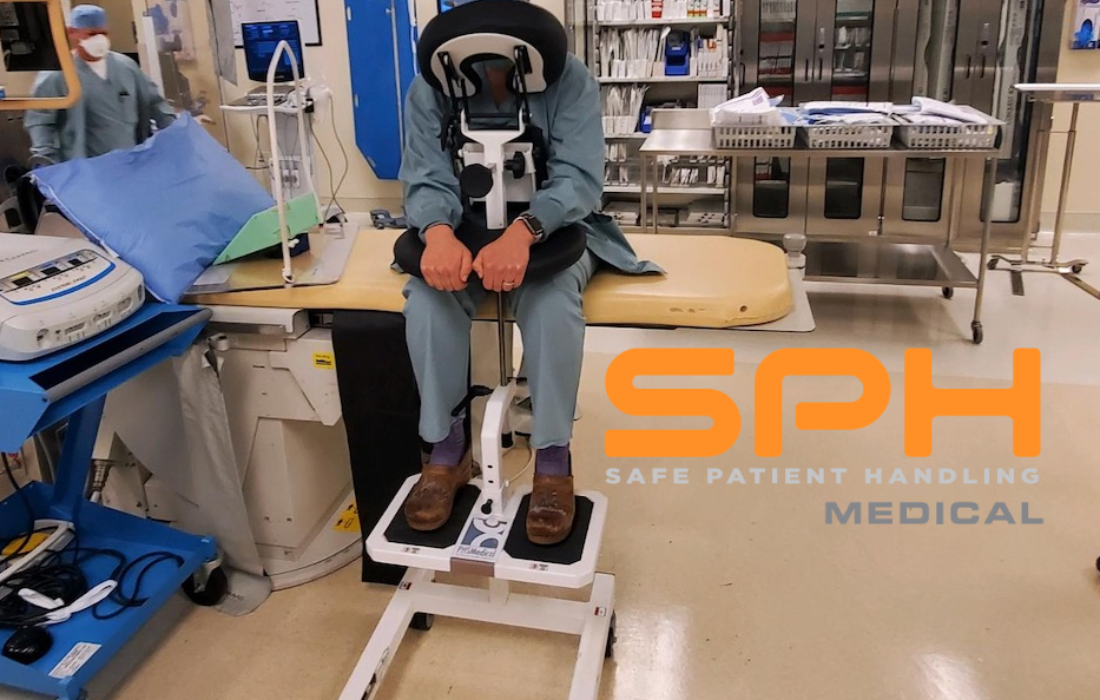
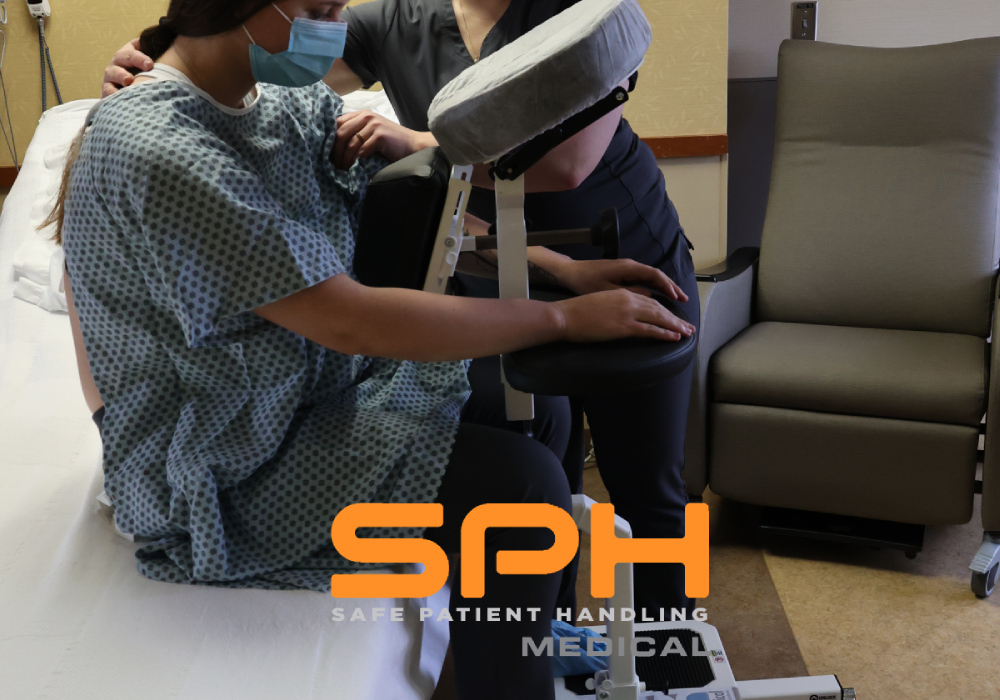
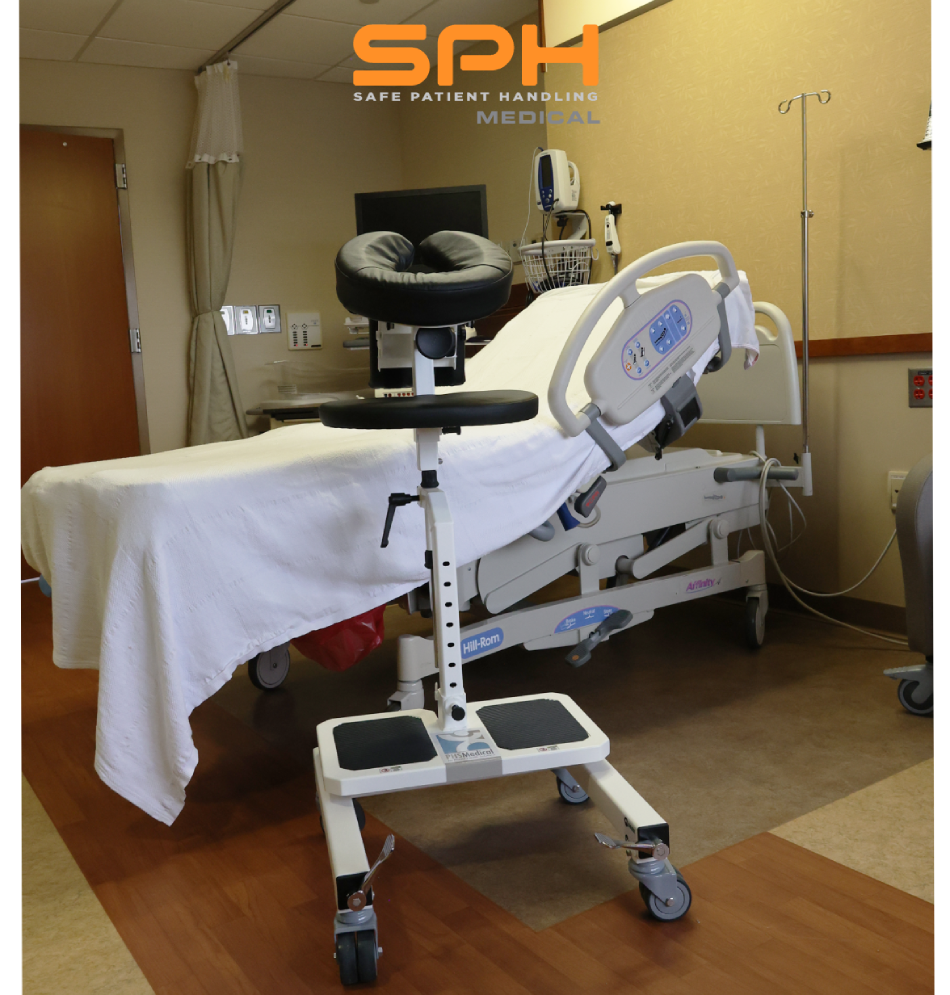
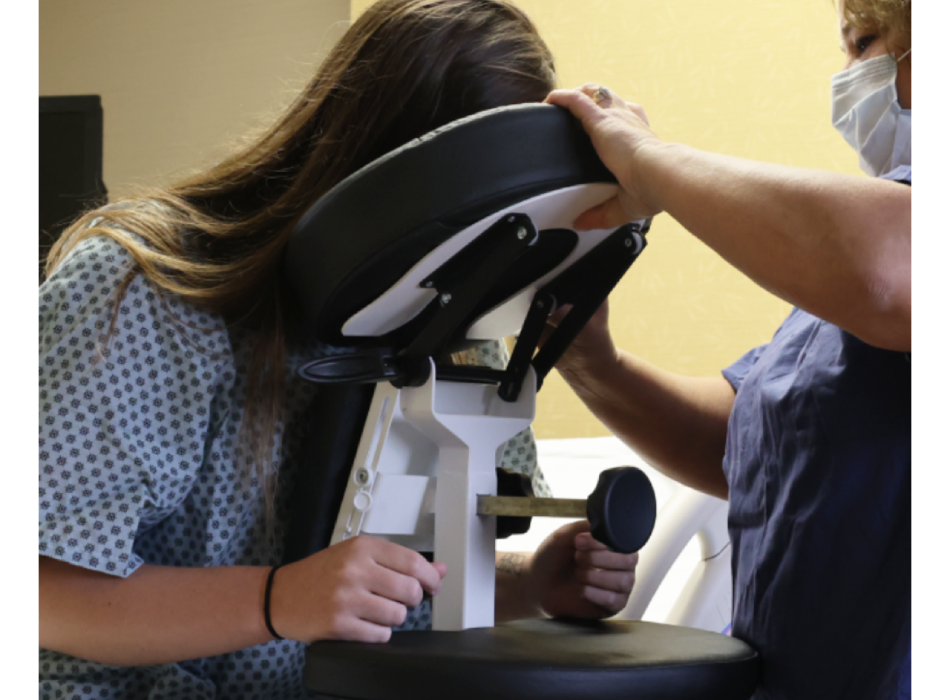
The SPH Medical Epidural Positioning Device, also known as the Epidural Chair, is that replacement. It is a stable, padded, purpose built support that holds patients in the ideal forward leaning posture for thoracentesis, retiring the drifting table and sliding pillows for good.

Rather than depending on a patient to balance on a moving surface, the EPD provides a secure surface that supports the upper body in a consistent, forward flexed position. Because the device stays put, the patient stays put, and so does the target site. The result is a stable field from the moment the technician marks the site through the completion of drainage.

The EPD is also built with the patient in mind. Its adjustable design accommodates diverse body types, including patients living with obesity, and adapts to each person’s height and comfort needs. Comfort focused padding reduces strain and eases the anxiety that so often causes patients to fidget and shift.

Why Pulmonologists and Ultrasound Technicians Love the EPD

The two clinicians closest to the procedure feel the difference immediately, and both value what the EPD delivers.

For the ultrasound technician, a patient who stays motionless makes imaging faster and more accurate. The marked entry point remains valid from preparation straight through to needle placement, eliminating the frustrating cycle of remarking a site that keeps moving.

For the pulmonologist, a consistent forward leaning posture opens the intercostal spaces and keeps the target still. That stability optimizes access, supports first attempt success, and reduces the risk of complications tied to sudden patient movement. The pulmonologist works with a clear, unobstructed field and never has to pause to reposition a slipping patient.
Takeaway: When the patient is stable, both clinicians can focus entirely on the procedure instead of managing a shifting setup.

Dramatically Improved Patient Satisfaction

Now think about the experience from the patient’s side. Balancing on a rickety table while short of breath is genuinely distressing. The patient must actively work to stay upright, all while worrying about a needle near the chest. That anxiety is real, and it shows up in patient satisfaction scores.

The EPD transforms that experience. Instead of straining to hold a precarious position, the patient rests securely in a stable, comfortable posture. The device does the work of holding them steady, so they can breathe and stay calm. A patient who feels supported and secure has a far better experience, and patient satisfaction improves dramatically as a result.

This is a meaningful shift for any facility focused on the patient experience. Comfort and confidence during a procedure translate directly into stronger satisfaction scores and a more positive impression of the care received.

Safety, Efficiency, and Return on Investment

The benefits of the EPD reach well beyond comfort. Replacing the improvised setup with a purpose built device produces measurable gains across safety, efficiency, and cost.

  • Fewer complications. A stable target reduces the patient movement that drives complication risk during needle and catheter placement, directly enhancing patient safety.
  • Faster setup. Consistent, reproducible positioning shortens the time it takes to prepare each patient, so the procedure begins sooner.
  • Fewer repeat scans. When the patient holds still, the ultrasound marking stays accurate, cutting down on repeat imaging and the delays it causes.
  • Improved throughput. Smoother, faster procedures help busy imaging and procedural departments serve more patients without sacrificing quality.
  • Workers compensation savings. By supporting the patient securely, the EPD reduces the physical strain on staff who would otherwise brace and steady patients by hand,
    lowering the risk of caregiver injury and the claims that follow.

These outcomes align closely with the performance and process improvement goals every facility pursues. The EPD is not simply a positioning aid. It is an investment that pays back in safer procedures, satisfied patients, and a more efficient, better protected care team.

To measure the impact after adoption, facilities can track patient satisfaction scores, procedure related complication rates, average setup and procedure times, and the frequency of repeat ultrasound imaging. The improvements tend to show up quickly and consistently.

Next Steps

Thoracentesis depends on precise, stable positioning, and the traditional overbed table and pillow stack simply cannot provide it. The SPH Medical EPD offers a stable, comfortable, purpose built solution that pulmonologists and ultrasound technicians rely on, while dramatically improving patient satisfaction, procedural safety, and department efficiency. Precision procedures deserve a stable foundation, not an improvised one.

If your imaging or procedural teams are still balancing patients on drifting tables and sliding pillows, now is the time to consider a better way. Contact SPH Medical today for more information or to schedule a demonstration, and see firsthand how the EPD can elevate your standard of care.
Spare Parts from SPH Medical to keep your lifts running and nurses safe
CategoriesPatient Handling

When Your Patient Lift Goes Down, Your SPHM Program Shouldn’t

A patient lift tagged out of service forces staff back to manual handling, one of the most injury prone tasks in any facility. SPH Medical supplies genuine spare parts, including replacement slings and batteries, for all the mobile floor lifts and overhead ceiling lifts SPH Medical sells. Getting the right part fast keeps your program running, your staff safe, and your patients moving.

Picture a familiar scene. The morning shift begins, a mobile floor lift gets tagged out of service, and within the hour two nurses are manually boosting a patient up in bed. No equipment. No second thought. Just backs bending and loads accumulating — exactly the situation a safe patient handling and mobility (SPHM) program exists to prevent.

Equipment downtime is a direct threat to staff safety. The solution is not always a new lift. More often, it is the right spare part, sourced quickly, from a supplier who actually understands the equipment. That is where SPH Medical comes in.
Why Do Proper Spare Parts Matter for Your SPHM Program?

Patient lift equipment is life safety equipment. Every component, from slings to batteries to structural hardware — plays a role in keeping both patients and caregivers out of harm’s way.

According to evidence published in the Online Journal of Issues in Nursing (Nelson and Baptiste, 2004), nursing personnel rank among the top ten occupations for work-related musculoskeletal injuries, with patient handling directly responsible for a significant share of those injuries. The same body of research confirms that the use of patient handling equipment and devices is one of the few interventions with strong evidence of effectiveness in reducing caregiver injury.

When a lift sits idle because a part is unavailable or incorrect, staff revert to manual handling. That reversion carries real cost: lost workdays, workers’ compensation claims, and cumulative injury that ends careers. Keeping your lift program operational with properly maintained equipment and genuine spare parts is not a maintenance issue — it is a patient and staff safety issue.

What Are the Hidden Risks of Using Unvetted Third-Party Suppliers?

Not every supplier who lists lift parts online understands patient lift equipment. Some third-party vendors supply parts that are not tested or validated for the specific lift models in use. The risks are significant:

  • Incorrect specifications that compromise load ratings or structural integrity
  • Incompatible components that void manufacturer warranties
  • Delayed sourcing when parts turn out to be wrong and need to be reordered
  • Inflated pricing from distributors who treat healthcare facilities as captive buyers

Unvetted suppliers may also lack the clinical context to guide purchasing decisions. Selecting a replacement sling, for example, requires understanding patient weight capacity, lift compatibility, and positioning requirements — not just a part number match. Paying more for a part from a supplier who cannot answer those questions is a poor return on any budget.

SPH Medical: Expert Knowledge Across the Patient Lift Equipment

SPH Medical has been in the safe patient handling industry for more than 14 years. That experience covers the full range of patient lift equipment SPH Medical sells, mobile floor lifts and overhead ceiling lifts, along with the accessories and consumables that keep those systems functioning safely.

An important distinction: SPH Medical supplies spare parts for the patient lift equipment that SPH Medical sells. SPH Medical does not supply parts for every brand or model on the market. This focus is intentional. It means every part sourced through SPH Medical is matched to equipment the team knows in depth, reducing the risk of incompatibility and ensuring the clinical team gets accurate guidance with every order.

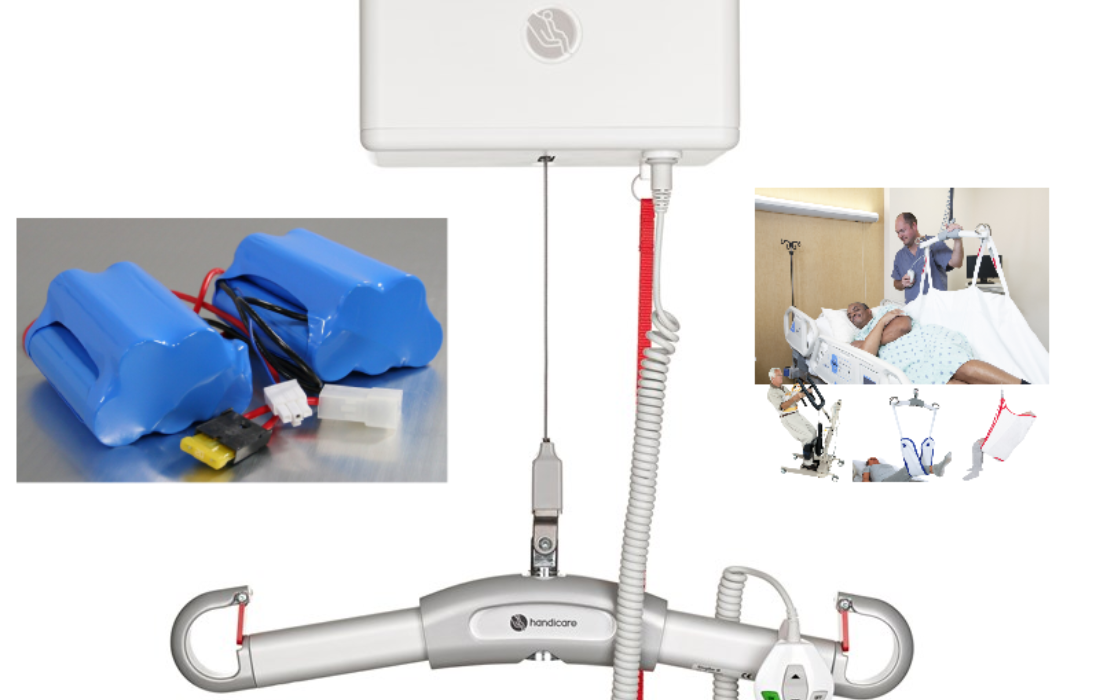
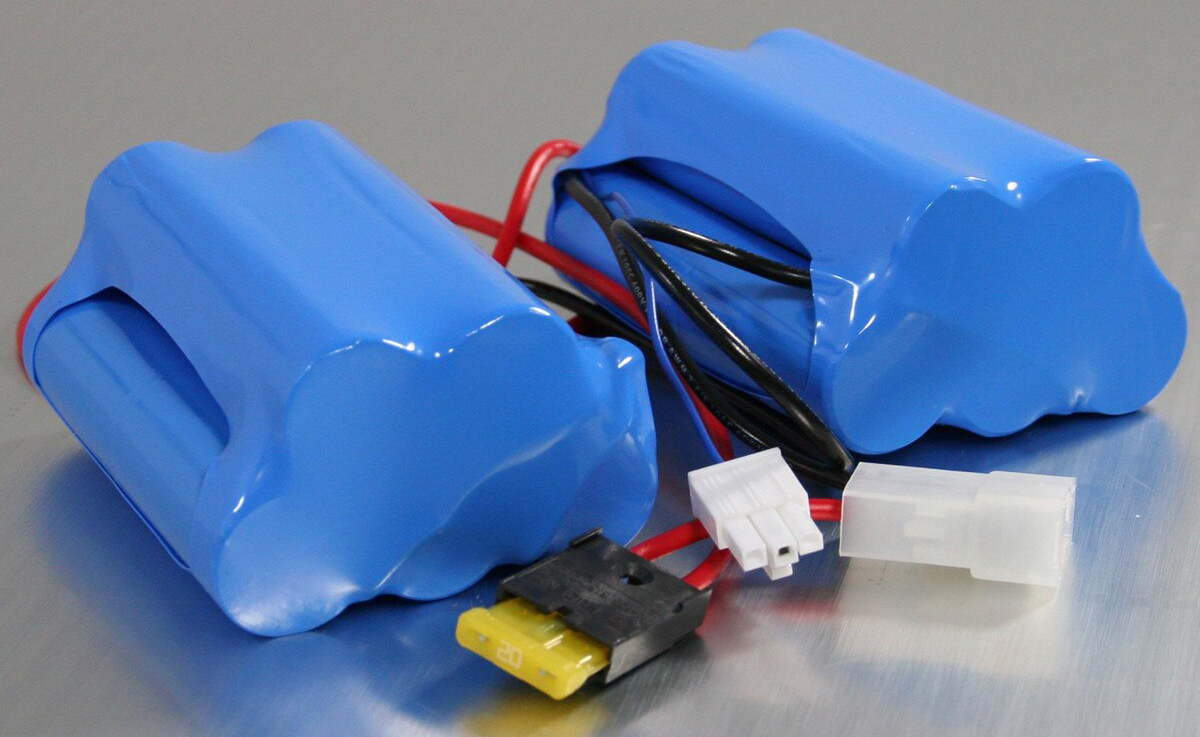
Whether a facility needs a caster, actuator, a replacement sling, or a battery pack, SPH Medical brings product knowledge and SPHM context to the conversation, not just a catalog.Replacement RiseAtlas Battery Pack from SPH Medical

Why Are Replacement Slings a Critical Safety Component for Patient Lifts?

Slings are the most direct point of contact between a patient and a lift system. They are also consumable. Over time and with regular use, sling fabric degrades, stitching weakens, and attachment points wear. Using a damaged or incorrect sling is a patient safety risk and a staff safety risk.

Replacement slings must meet the weight capacity of the lift, be compatible with the hook and loop or bar attachment system in use, and match the patient’s clinical needs; supine, seated, repositioning, or ambulation. Selecting the wrong style can compromise positioning, increase injury risk, and disrupt care delivery.

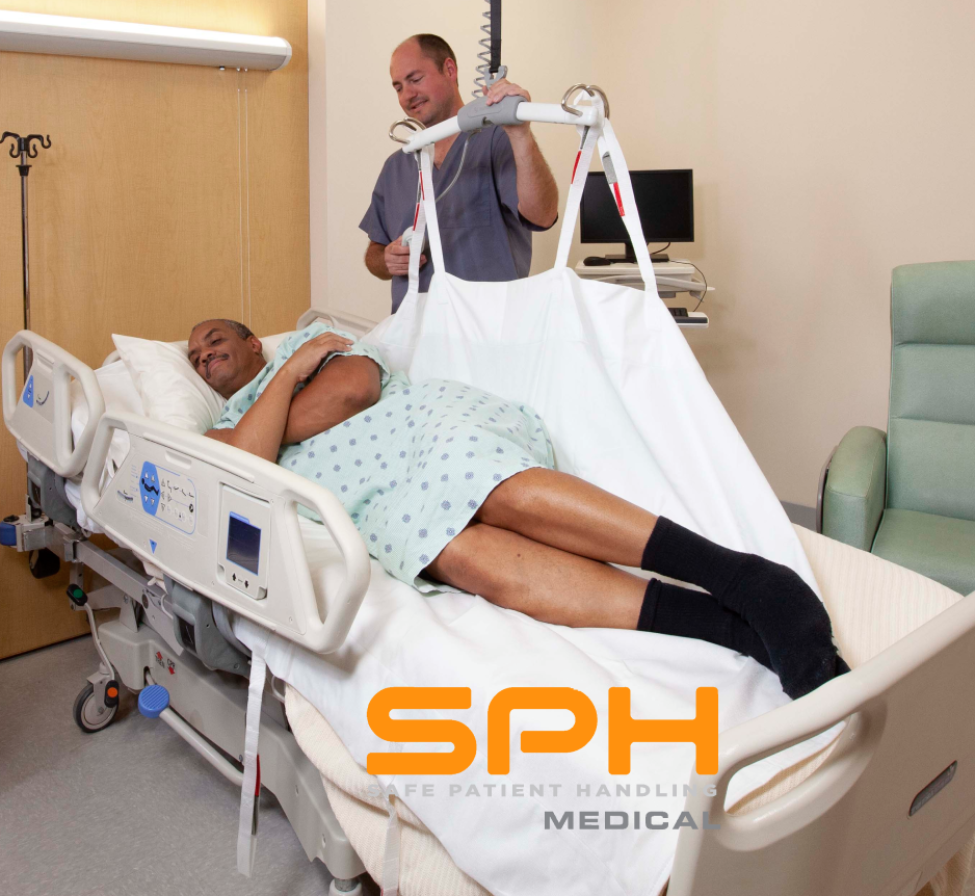
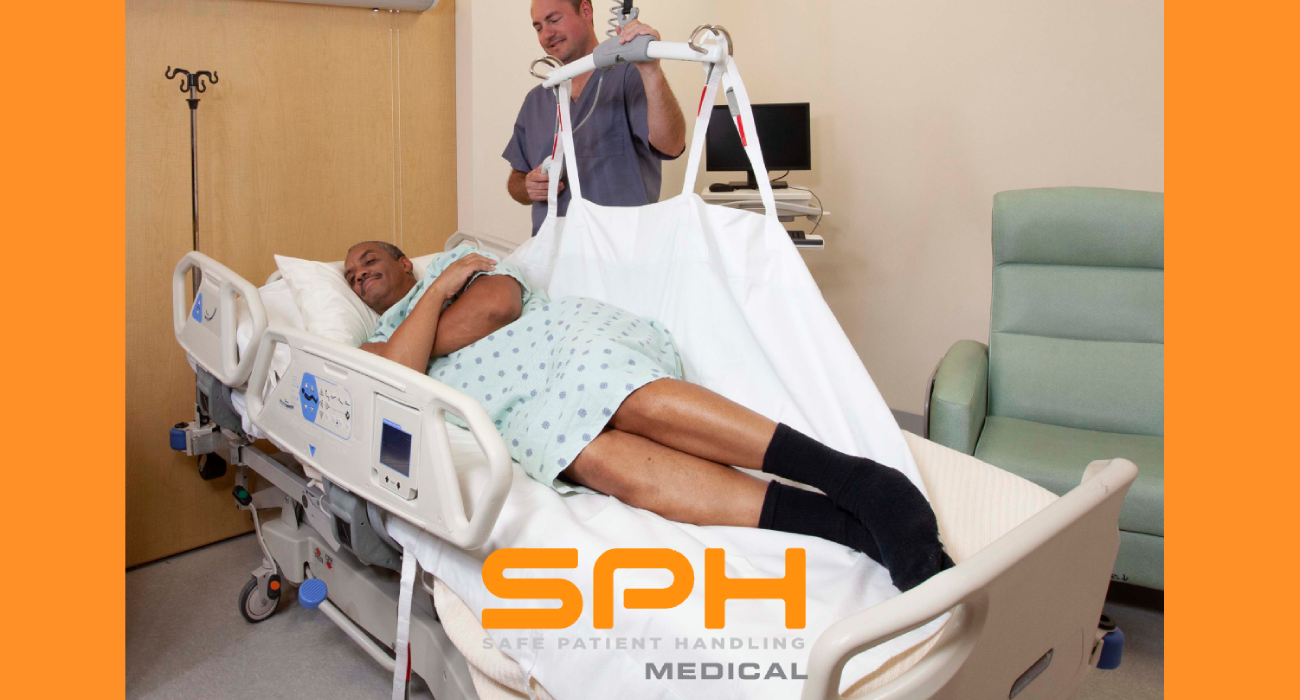
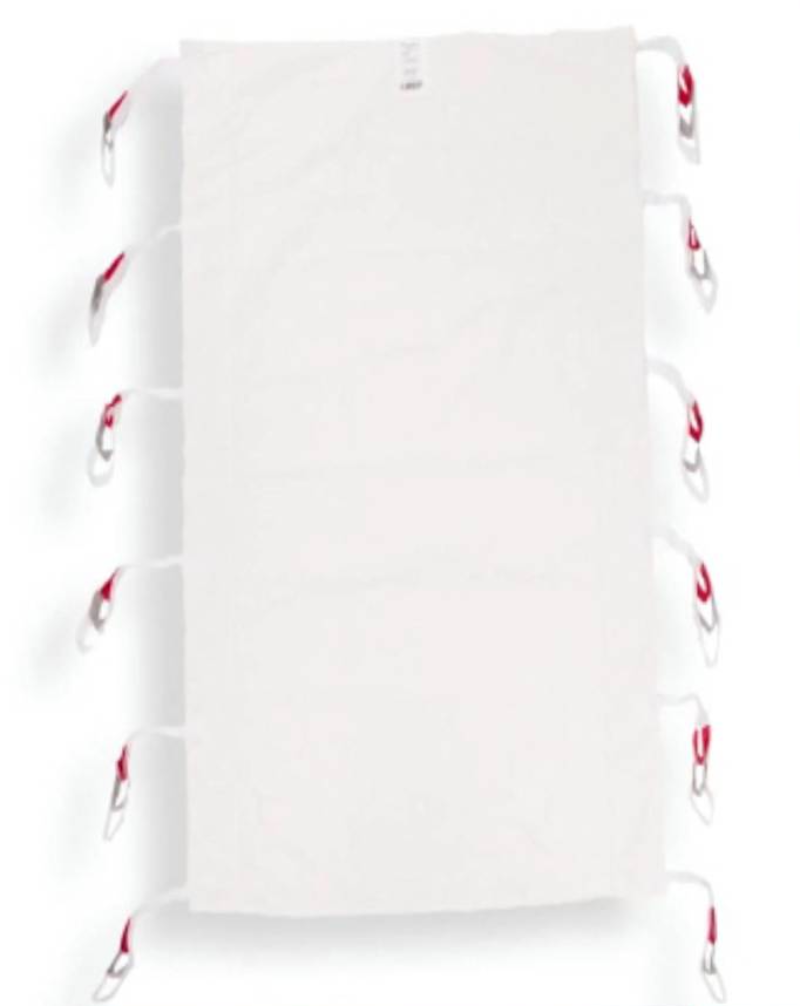
SPH Medical offers replacement slings that are universally compatible for hook hook and clip style patient lifts. This includes the SPH Medical single patient use Breathable Repositioning Sheet. With a 1,000 pound capacity and universal compatibility with hook and loop patient lifts — both mobile and overhead ceiling lifts — the Breathable Repositioning Sheet is engineered for repositioning and turning patients in bed without manual effort. Its breathable fabric is approved by wound care nurses for use throughout the entire length of a patient’s stay, supporting skin integrity and pressure injury prevention goals simultaneously. For facilities running an SPHM program, keeping this consumable stocked is as important as keeping the lifts themselves operational.Single Patient Use breathable repositioning sheet by SPH Medical

What Should Facilities Know About Replacement Batteries for Patient Lifts?

Mobile floor lifts and some overhead ceiling lift systems rely on battery power. A failing battery reduces lift performance, limits operational hours, and can result in a lift being removed from service at the worst possible time.

Battery replacement is one of the most common maintenance needs across mobile lift fleets. Signs that a battery requires attention include reduced charge retention, slower lift response, and error indicators on the control panel. Waiting until a battery fails entirely means unplanned downtime — and unplanned downtime means manual handling.

SPH Medical supplies replacement batteries for the mobile and overhead lift systems SPH Medical sells. Proactive battery replacement, scheduled as part of a regular maintenance cycle, is far less costly than emergency downtime and the associated staff safety exposure.

How Do You Get the Right Spare Parts Fast?

Speed matters when a lift is tagged out. Follow this checklist before requesting a quote to reduce delays and improve the accuracy of every order:

  • Locate your user manual. The manual contains part numbers, diagrams, and component specifications specific to your lift model.
  • Record the model and serial number. These are typically found on a label affixed to the lift frame or base.
  • Identify the part visually if possible. A clear description or photograph of the worn or damaged component helps confirm the correct replacement.
  • Note the lift type. Specify whether the unit is a mobile floor lift or an overhead ceiling lift system.
  • Check sling labels. Replacement slings often include a style code, size designation, and weight capacity printed on the label or sewn into the fabric.

If a part number is not available, a detailed description is a strong starting point. The SPH Medical team can work from that description to identify the correct component for the equipment in question.

Get the Parts You Need — Contact SPH Medical for a Quote

A lift out of service is a staff safety event waiting to happen. The right spare part, sourced from a supplier who knows the equipment, gets your program back on track with minimum disruption.

SPH Medical offers spare parts for all the patient lift equipment SPH Medical sells. Not every part is listed online, so do not hesitate to call or send a message with your request. The team is ready to help identify the correct component, confirm compatibility, and provide a quote.

The EPD improves safety and efficiency in the OR for spinal blocks
CategoriesPatient Handling

The Epidural Positioning Device Reduces Staff Injury During Spinal Blocks

Picture a clinician in a busy preoperative area, leaning across a patient before a spinal block. One arm braces the patient’s shoulders. The other cradles the neck and head. The clinician holds that flexed spine perfectly still, minute after minute, while the anesthesiologist searches for the exact interspace and advances a needle with millimeter precision. The patient shifts. The clinician tightens their grip and leans in further. The strain travels straight into the shoulders and lower back. This scene plays out thousands of times a day, and almost no one flags it as a safety problem. Yet the way we position patients for spinal blocks and epidurals is one of the most overlooked sources of caregiver strain in the perioperative setting. Better still, it is entirely preventable with the Epidural Positioning Device. The Epidural Positioning Device reduces staff injury during spinal blocks and Thoracentesis procedures.

In this article, you will learn how the EPD reduces staff injury during spinal blocks and many more benifits:

  • Why manual spinal positioning places staff at real musculoskeletal risk
  • How the SPH Medical Epidural Positioning Device works and what sets it apart
  • The safety, comfort, and standardization benefits for patients and clinicians
  • The clinical outcomes and workers compensation savings behind the device
  • How the EPD sharpens efficiency in high volume preoperative areas

Grounded in evidence based Safe Patient Handling and Mobility (SPHM) practice and aligned with ANA and AORN standards, this discussion begins with a simple principle. We cannot solve a risk we have not named, so let us start by naming the hidden toll of manual positioning.

The Hidden Challenge of Positioning for Spinal Blocks and Epidurals

Why is neuraxial positioning so difficult to get right? The answer lies in the posture the procedure demands.

Achieving and holding the deep spinal flexion required for a successful block is demanding for the patient and physically punishing for the clinician who supports them. Precise needle placement depends on consistent flexion of the lumbar or thoracic spine, a posture that opens the spaces between the vertebrae and gives the anesthesiologist a clear path to the target. Many patients simply cannot hold that position on their own.

Consider who fills a typical preoperative area. Anxious patients tense up. Sedated patients drift and slump. Patients living with obesity struggle to sustain a curl against their own body mass. Elderly patients tire within seconds. Each of these patients shifts, slumps, or tenses, which forces repeated repositioning and stretches the procedure well beyond its planned duration.

Every failed attempt carries a cost. It raises the risk of complications, and it extends the time staff spend locked in strained holding postures. What should take moments becomes a prolonged effort of endurance for everyone involved.

Picture a patient living with obesity in preoperative holding who cannot sustain a flexed posture. Two staff members must brace and hold that patient in place while the anesthesiologist makes multiple placement attempts. The physical effort is considerable, and it grows heavier with every passing minute.

Manual positioning is unreliable for several clear reasons:

  • Patient movement and involuntary muscle tension disrupt the target posture
  • Flexion varies from one clinician to the next, so no two setups match
  • Fatigue sets in during longer or repeated attempts, degrading the hold

Manual positioning depends on human endurance and improvisation. That is a fragile foundation for a procedure that demands precision. The problem is not only the patient’s stability, however. It is also the physical price paid by the staff holding them in place.

The Ergonomic Risks Staff And How The EPD Reduces Staff Injury During Spinal Blocks

How does manually supporting patients threaten clinician safety? The mechanics tell the story plainly.

Holding a patient in sustained spinal flexion places clinicians in exactly the postures that biomechanical research identifies as the leading contributors to musculoskeletal injury. Static holding, forward flexion, and reaching across the patient load the lumbar spine and shoulders far beyond safe thresholds. These are not neutral positions. They are the very movements that safe handling programs exist to eliminate.

Sustained isometric effort makes the strain worse. Holding a position without movement fatigues muscles quickly and provides no chance for recovery. Unlike a brief lift, where the load releases and the body resets, static holding keeps tension locked in the muscles for the full duration of the procedure. That constant, unrelieved load compounds cumulative strain shift after shift.

The frequency multiplies the danger. Neuraxial support is repeated many times per day in busy units, which turns a task that looks minor into a chronic exposure. A single hold may seem manageable. Dozens of them across a career quietly erode the spine and shoulders.

Think of a preoperative nurse who supports a dozen or more patients in flexed positions across a single shift. Each hold adds to the tally. Over months and years, that repetitive load accumulates into the kind of back and shoulder injuries that shorten careers and drain experienced staff from the bedside.

The high risk elements of manual positioning are well documented:

  • Prolonged static holding under load
  • Forward and lateral trunk flexion
  • Reaching and bracing across the patient

Biomechanical laboratory findings, including OHSU style testing, confirm that manual patient support generates spinal loads far exceeding those required when assistive devices carry the task. Manual spinal positioning is not a trivial bedside chore. It is a recognized high risk patient handling activity that SPHM programs are built to remove. Naming the risk points us directly toward the solution: a device engineered to carry the load the clinician’s body should never bear.

How the SPH Medical Epidural Positioning Device Works

What is the EPD, and how does it solve the positioning problem? In short, it removes the human body from the equation.

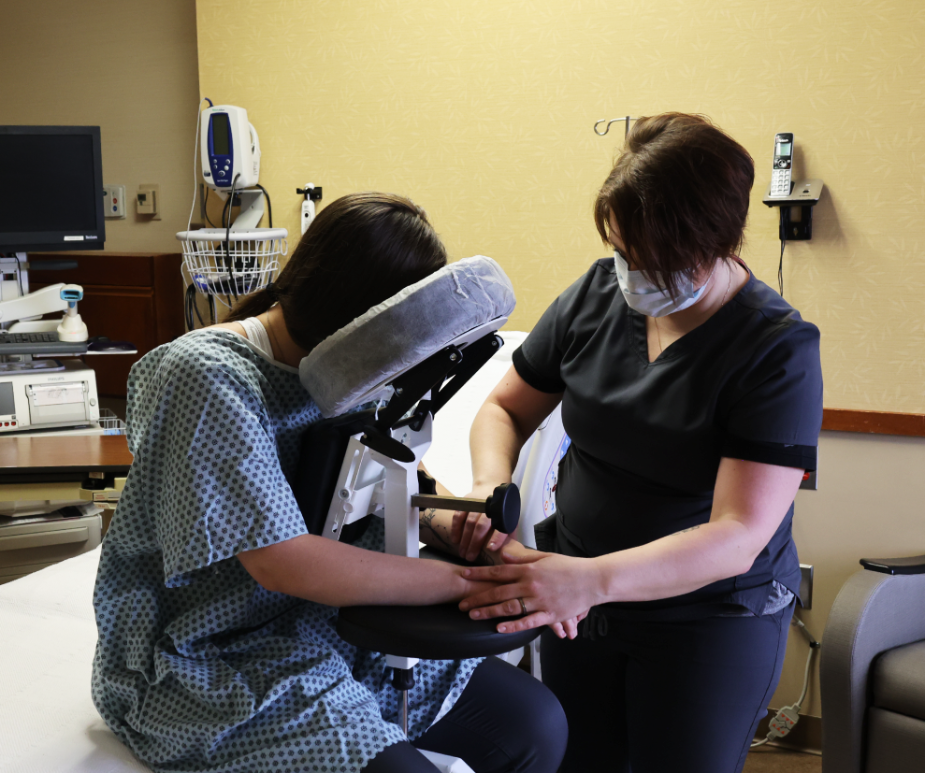
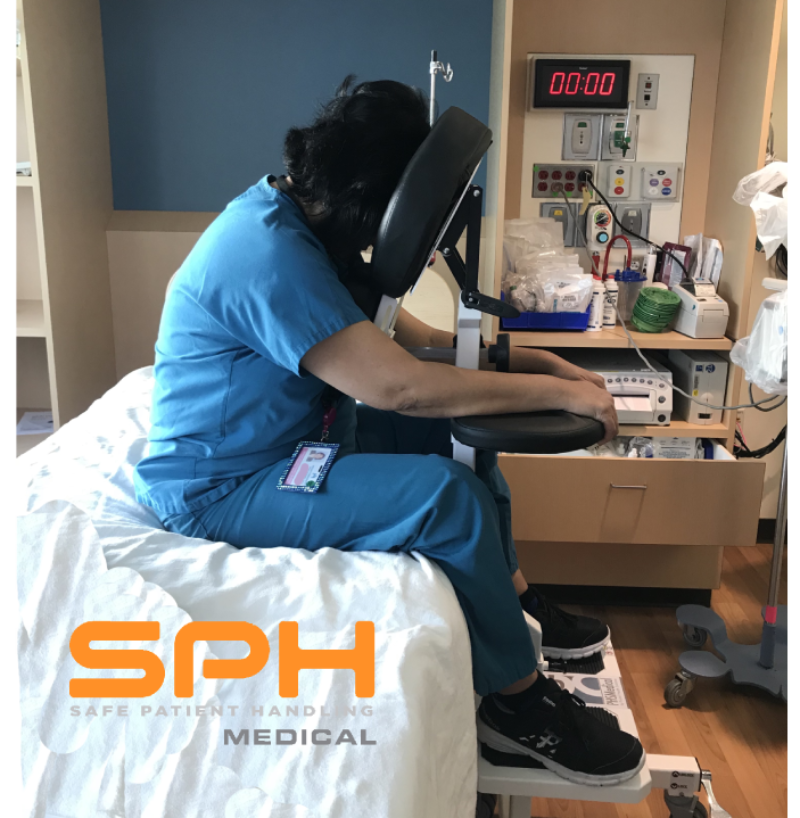
The SPH Medical Epidural Positioning Device, also known as the Epidural Chair, is purpose built to hold patients in ideal spinal flexion. It delivers that posture safely, comfortably, and consistently, without manual support from staff. Rather than relying on a clinician’s arms to steady the patient, the device provides a stable, engineered surface that maintains flexion on its own.

The EPD supports the patient in a stable, upright, forward flexed posture that opens the intervertebral spaces for precise needle access. It replaces the clinician’s arms and body with a dependable support structure, freeing staff to assist the procedure without bearing the patient’s weight. Its intuitive design promotes correct positioning regardless of any individual clinician’s technique or physical strength, so every setup starts from the same reliable baseline.EPD improves comfort and stability during Spinal Blocks

Key Design Features: The EPD earns its place through thoughtful engineering:

  • Adjustable support surfaces accommodate diverse body types, including patients living with obesity
  • A stable, ergonomic frame maintains flexion so patients do not slump or drift out of position
  • Optimized practitioner access to the spine improves the odds of first attempt success
  • Comfort focused padding reduces patient anxiety and the involuntary movement that anxiety produces

Picture an anesthesia technician settling a patient into the EPD once, then stepping into a supportive role while the anesthesiologist works with a stable, unobstructed field. No one strains to hold the position. No one leans across the patient for minutes on end. The device does the holding.

The EPD shifts the physical burden from the caregiver to a device engineered for the task. That aligns perfectly with the core SPHM principle of removing manual load at its source. With the mechanics clear, the payoff becomes visible across staff safety, patient experience, and procedural quality.

Key Benefits: Safer Staff, Steadier Patients, Standardized Care

What measurable advantages does the EPD deliver? By removing manual support from the equation, it produces gains that reach every stakeholder, from the caregiver’s spine to the patient’s comfort to the department’s throughput.

The benefits sort into four clear categories:

  • Reduced staff musculoskeletal injuries. Eliminating sustained holding removes a primary source of back and shoulder strain, protecting the workforce from a well documented hazard.
  • Improved patient stability and comfort. A secure, well padded posture reduces movement, which eases patient anxiety and supports first attempt success.
  • Standardization of positioning. Every patient reaches the same reliable flexion, independent of which clinician is at the bedside.
  • Procedural efficiency. Faster, more consistent positioning speeds patient flow through high volume preoperative areas.

The contrast with manual support is stark.

Manual support versus the EPD:

  • Manual support: high staff strain, variable flexion, patient drift, longer procedures
  • EPD: minimal staff load, consistent flexion, stable patient, streamlined workflow

Consider a busy preoperative holding area where standardized EPD positioning shortens setup time for each case. The team moves patients toward the operating room without the delays that repeated repositioning creates. That reclaimed time compounds across a full schedule. The EPD reduces staff injury during spinal blocks as well as shortening patient wait times.

The EPD reduces staff injury during spinal blocks by turning a high variability, high risk task into a predictable, low strain step that protects staff while elevating the patient experience. These operational benefits are matched by documented clinical outcomes.

Clinical Evidence and Patient Outcomes

What do outcomes show when facilities adopt the EPD? The case rests not on promise alone but on the consistent clinical and safety results clinicians report after adoption.

Three outcomes stand out. First, stable, reproducible positioning improves first attempt success rates, because the anesthesiologist works with a target that does not move. Second, reduced patient movement during needle placement is linked to fewer procedure related complications. Third, a calmer, more comfortable, and less intimidating experience drives higher patient satisfaction.

Clinician feedback reinforces the pattern. Teams that standardize on the EPD in surgery and preoperative departments describe smoother spinal block placement and shorter procedure times. The device does not merely make the task easier. It makes the result more consistent.

The EPD also proves its value well beyond spinal blocks. Its stability and support translate directly to thoracentesis procedures performed in imaging departments, where precise, sustained patient positioning is equally critical. That versatility is further validation of the device’s core strength, which is holding patients securely and comfortably through delicate procedures.

After adoption, these are the outcomes worth tracking:

  • Staff injury and near miss reports
  • First attempt neuraxial success rate
  • Patient satisfaction and HCAHPS scores
  • Average procedure and setup time

Real world results reinforce a compelling truth. The EPD improves safety and quality at the same time, which is a rare and valuable combination. These outcomes translate directly into regulatory alignment and financial return.

Regulatory Alignment and Return on Investment

How does the EPD support compliance and pay for itself? Adopting it is both a compliance move and a sound financial decision. It aligns with national safety standards while reducing avoidable costs.

On the regulatory front, the EPD supports ANA and AORN SPHM standards by eliminating a recognized high risk manual handling task. Facilities that formalize safe handling expect their equipment to reduce manual load, and the EPD does exactly that for neuraxial positioning. Adopting it demonstrates due diligence in protecting staff.

The financial return arrives on two fronts. Fewer musculoskeletal injuries mean fewer workers compensation claims, reduced lost workdays, and lower premiums over time. Improved efficiency and higher first attempt success reduce wasted time and resources across your busiest units.

Where the ROI shows up:

  • Reduced workers compensation claims and lower injury severity
  • Fewer lost workdays and less staff turnover
  • Faster procedure throughput in preoperative and surgical areas
  • Improved patient satisfaction and facility reputation

Picture a value analysis committee weighing the one time cost of the EPD against a single year of documented staff injury claims tied to manual positioning. When those numbers sit side by side, the decision becomes clear. The EPD delivers a strong return while demonstrating a genuine commitment to staff safety, a combination that satisfies both the safety officer and the finance office. Now it is time to bring these threads together.

Manual positioning for spinal blocks and epidurals strains staff, introduces variability, and slows procedures. The SPH Medical Epidural Positioning Device resolves all three by supporting the patient safely and consistently, so the clinician never has to become the brace.

The physical toll of holding patients in flexion is preventable, and the EPD proves it.

The practical next step is straightforward. Review your current neuraxial positioning practices. Gather honest input from your anesthesia and preoperative teams about the strain they carry and the delays they encounter. Then bring the EPD to your SPHM or value analysis committee for evaluation, where the evidence can drive an informed decision.

The EPD is a clear, evidence based step toward safer clinicians, steadier patients, and a more efficient perioperative department. To see how it can transform your practice, contact SPH Medical to request a quote so you can implement the EPD now.

Frequently Asked Questions On How To Reduces Staff Injury During Spinal Blocks

What is an epidural positioning device, and how does it work?
An epidural positioning device, also called the Epidural Chair, is equipment designed to hold a patient in the ideal forward flexed posture for neuraxial procedures. It supports the patient on a stable, padded surface that opens the spaces between the vertebrae, giving the clinician clear needle access. Because the device maintains the position, staff no longer need to hold the patient manually.

How does the EPD reduce staff injury during spinal blocks?
Manually holding a patient in spinal flexion forces clinicians into sustained static postures, forward flexion, and reaching, all recognized contributors to back and shoulder injuries. The EPD carries that load instead, removing the need for prolonged manual support. This eliminates one of the highest risk elements of neuraxial positioning and aligns directly with SPHM safe handling principles.

Can the Epidural Positioning Device accommodate patients living with obesity?
Yes. The EPD features adjustable support surfaces and a stable frame designed to accommodate diverse body types, including bariatric patients. This is especially valuable because larger patients are often the most difficult to position and hold manually. The device provides secure, comfortable support without placing the strain on staff.

Does the EPD improve first attempt success for neuraxial procedures?
Clinicians report that the stable, reproducible positioning the EPD provides supports higher first attempt success rates. When the patient does not shift or slump, the anesthesiologist works with a consistent, unobstructed target. Fewer attempts also mean less patient movement and a lower risk of procedure related complications.

What other procedures can the EPD support besides spinal blocks?
Beyond spinal blocks and epidurals, the EPD supports thoracentesis procedures often performed in imaging departments. Any procedure that depends on precise, sustained patient positioning benefits from the device’s stability and comfort. This versatility makes it a valuable asset across multiple departments rather than a single use tool.

RoWalker improves patient mobility
Categoriesearly mobility,  Patient Handling

Recovery With The RoWalker A Decade Of Excellence

Prolonged immobility in the Intensive Care Unit is a devastating and costly clinical liability. When critically ill patients remain confined to their beds for extended periods, they rapidly lose essential muscle mass and face a severe, heightened risk of developing secondary complications. The most effective strategy to reduce hospital length of stay and drive superior patient outcomes is initiating early and safe patient mobility with mobility products like the RoWalker. However, mobilizing ventilator-dependent or bariatric patients presents extreme risks to both the patient and the healthcare provider, creating significant barriers to this crucial intervention.

Manual patient handling under these high-acuity conditions actively and directly contributes to severe musculoskeletal injuries among dedicated healthcare workers. Furthermore, it creates highly unstable and dangerous environments for already vulnerable patients. The definitive solution to this escalating crisis is providing your clinical staff with the absolute best and most reliable mechanical support equipment available.

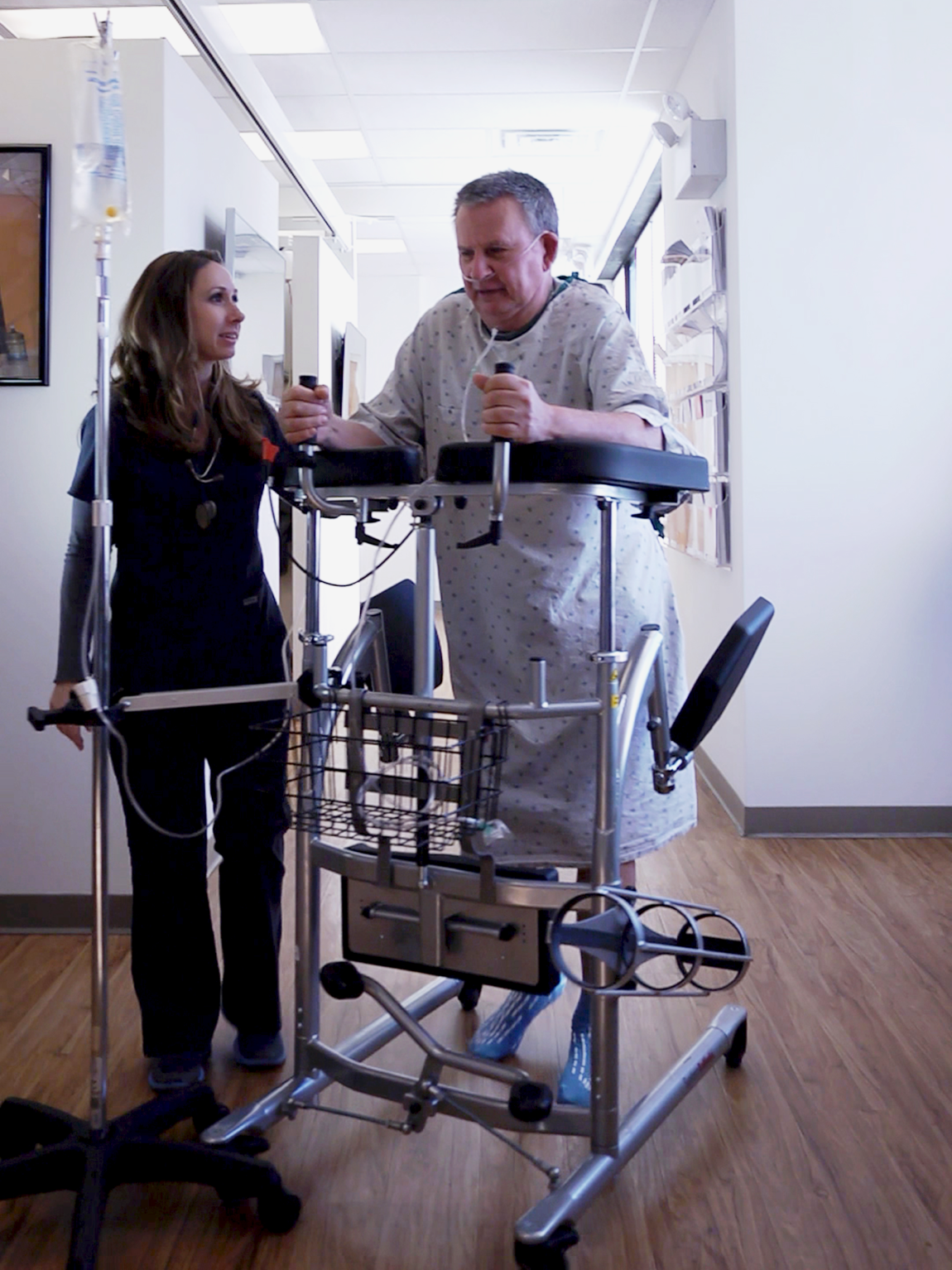
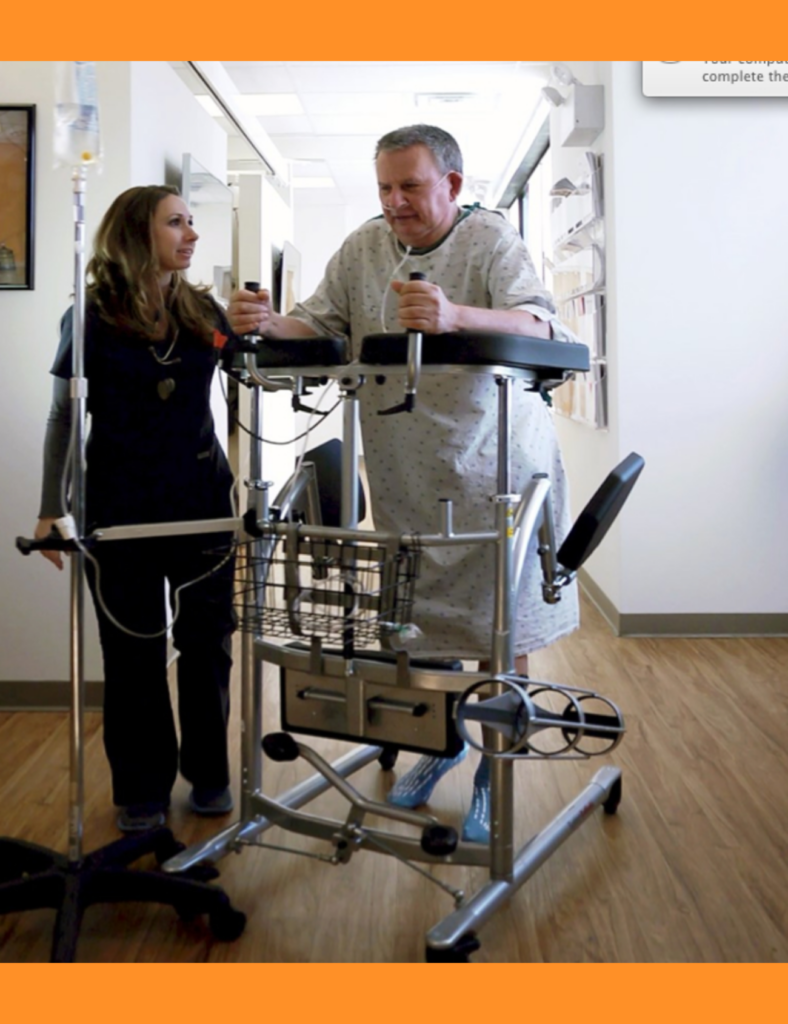
For over 10 years, the RoWalker from SPH Medical has stood as the premier and most trusted early mobility solution in the industry. It provides complete mechanical stability, empowering facilities to mobilize patients safely, reduce the incidence of pressure ulcers, and drastically accelerate ICU recovery times. Our innovative solutions enable healthcare professionals to safely lift, transfer, position, and mobilize patients, all while completely avoiding the personal risk of injury.

Over 10 Years of Proven Success in the ICU

Implementing a comprehensive and structured early mobility program is no longer optional; it is a fundamental requirement for modern healthcare facilities aiming for clinical excellence. The profound benefits of getting patients upright and moving as soon as clinically possible are supported by over a decade of irrefutable evidence gathered from facilities utilizing the RoWalker.

Accelerating the Healing Process and Reducing Length of Stay
Early weight-bearing exercises are absolutely essential for preventing the severe muscle atrophy that is all too common in the ICU. When patients are mobilized early in their stay, they maintain their functional strength, which in turn accelerates the entire healing process. Furthermore, upright positioning and purposeful movement serve as highly effective interventions for pressure ulcer prevention. Since prolonged immobility is a primary driver of skin breakdown, using the RoWalker perfectly complements the stringent standards of wound care nurses and aligns directly with established WOCN protocols.

Accelerating the healing process has a direct and massive positive impact on overall hospital operations. A full decade of clinical utilization proves that the RoWalker consistently helps facilities shorten both ICU and overall hospital stays. Shorter hospital stays directly reduce overall hospital costs and, just as importantly, free up critical bed space for new admissions, improving throughput and access to care.RoWalker Early Mobility ICU Walker improves recovery

Aligning with National Safety Standards and Providing Recovery With The RoWalker

Protecting your highly skilled staff is just as important as protecting your patients. Utilizing engineered mobility solutions like the RoWalker strictly aligns with the Safe Patient Handling and Mobility safety standards set forth by the ANA, APTA, and AORN. Years of extensive evidence confirm that comprehensive Safe Patient Handling programs improve patient and staff safety immensely.

When facilities provide comprehensive support tools like the RoWalker, they witness an immediate and significant reduction in staff injury rates and severity. This directly leads to a massive reduction in workers’ compensation costs. Lost work days for staff are reduced drastically, which helps in preserving your highly skilled workforce, reducing turnover, and boosting overall department morale.

Unmatched Engineering: Core Features of the RoWalker

To truly and safely mobilize patients in a complex and crowded environment like the ICU, the equipment must be exceptionally engineered. The RoWalker delivers unparalleled performance through a powerful combination of supreme stability and seamless integration with other essential medical equipment.

Supreme Stability and Fall Prevention

The absolute foundation of effective and confident gait training is stability. The RoWalker features built-in safety seat flaps that provide an immediate, secure resting spot for the patient. If a patient becomes suddenly fatigued or dizzy during a therapy session, they can simply and safely sit down. This design feature completely eliminates the profound fear of falling, which is a major psychological barrier, and builds immense patient confidence during these critical therapy sessions.

Furthermore, the advanced directional casters provide superior, controlled maneuverability. These specialized casters allow a single caregiver to navigate the tight, often cluttered spaces of an ICU safely and smoothly. You can guide the patient with absolute precision, ensuring a completely secure and controlled environment for every rehabilitation session.

Seamless Equipment Integration for High-Acuity Care

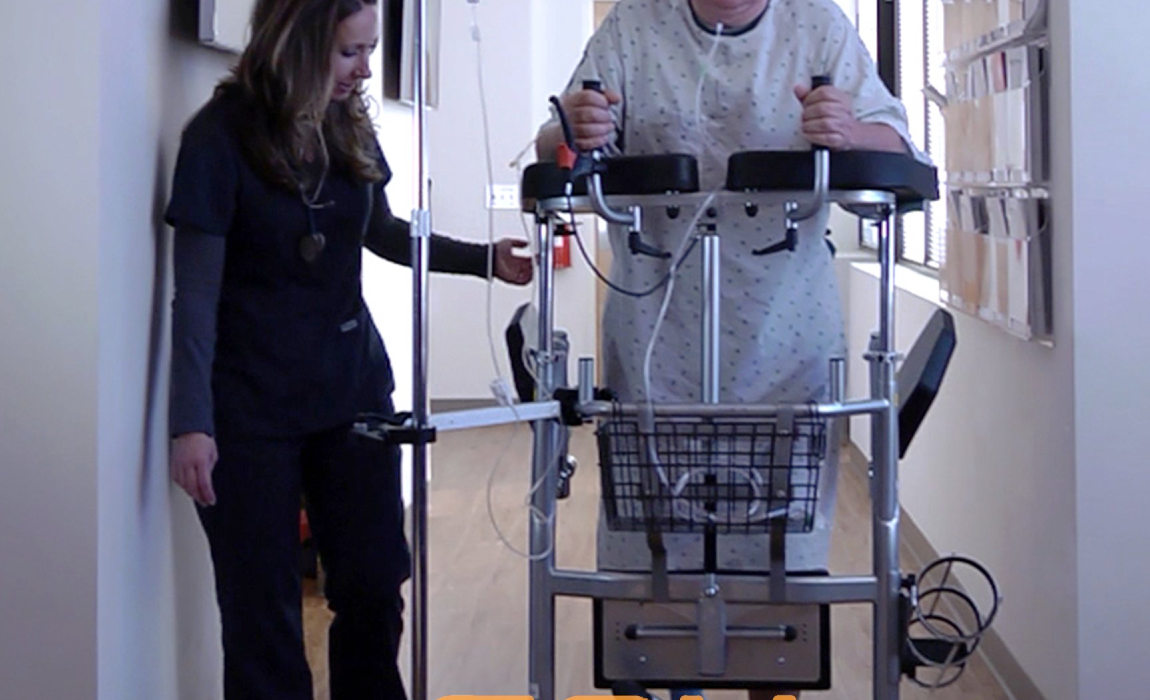
Mobilizing ICU patients has traditionally required multiple staff members just to carry and manage the necessary life support equipment. Implementing recovery with the RoWalker eliminates this dangerous and inefficient practice entirely. It features a dedicated, secure oxygen tank holder and an integrated IV pole. These thoughtful features consolidate critical life support equipment into one single, mobile unit, thereby eliminating the dangerous need for extra staff members to manually carry tethers and poles during ambulation.

Additionally, recovery with the RoWalker is provided possible with the abilities of the walker. Included with the RoWalker is a sturdy, accessible front basket. This basket is perfectly designed to hold cardiac monitors, chest drains, or even personal items. It ensures that real-time patient monitoring remains completely uninterrupted during physical therapy sessions. As a result, the nurse or therapist can focus their full attention entirely on the patient’s gait and progress, rather than managing a tangled and hazardous web of cords and machines.

Elevating Patient Outcomes and Empowering Clinical Staff

Investing in the highest standard of ICU rehabilitation equipment delivers profound and measurable returns that resonate across your entire organization. It fundamentally transforms the patient experience from one of passive recovery to active healing and empowers your clinical staff to perform at their absolute best.

Protecting the Healthcare Workforce

Your clinical staff is your organization’s most valuable asset. Replacing dangerous and outdated manual lifting practices with advanced assistive devices is the absolute only way to protect them from career-ending injuries. Independent OHSU Biodynamics lab testing confirms the extreme danger and high physical strain of manual patient handling when compared to the safety and efficiency of using highly engineered assistive devices.

The RoWalker completely removes the immense physical burden from nurses and physical therapists. When the equipment provides the necessary support, the therapist can dedicate their focus entirely to gait mechanics, functional improvement, and providing recovery with the RoWalker. This shift not only boosts staff morale significantly but also ensures comprehensive and consistent adherence to safety protocols throughout your facility.RoWalker improves safety and mobility

Driving Performance and Recovery With The RoWalker

A secure, mechanically supported environment builds incredible patient compliance during foundational gait mechanics training. When patients feel safe and protected from falls, they are far more willing to push themselves during therapy. This increased confidence leads directly to higher patient compliance with rehabilitation protocols and faster progress toward mobility goals.

This accelerated and safe rehabilitation connects directly to surging patient satisfaction scores. Patients and their families readily recognize when a facility invests in their safety, comfort, and active recovery. Achieving these critical facility performance metrics demonstrates an unwavering and uncompromising commitment to clinical excellence and patient-centered care.

The RoWalker is not merely an optional upgrade for your intensive care unit; it is the fundamental, proven requirement for any comprehensive ICU early mobility and safe patient handling program. A legacy of over 10 years of successful ICU mobilization across numerous facilities proves its unmatched ability to improve patient safety and patient satisfaction simultaneously.

The non-negotiable standard of modern care demands that hospitals stop relying on outdated equipment and manual practices that compromise safety and unnecessarily extend patient recovery times. SPH Medical provides the innovative, comprehensive solutions required to meet the complex and evolving demands of modern critical care.

Do not allow dangerous manual handling practices to threaten your dedicated staff or delay your patients from returning home to their families. Enhance patient safety, protect your workforce, and elevate your rehabilitation capabilities today. Contact SPH Medical to request a quote for the RoWalker and integrate the ultimate early mobility solution into your ICU.

The EPD improves Epidural and Spinal Block safety for staff and patients
CategoriesPatient Handling

Revolutionizing Surgical Efficiency with the EPD for Spinal Blocks

The EPD improves surgical efficiency for spinal blocks.  The rapid surge in high volume joint replacement surgeries demands unparalleled efficiency and absolute precision in the operating room. Modern surgical departments face immense pressure to optimize every single minute of their schedules while maintaining the highest standard of clinical excellence. Amidst these intense demands seamless spinal block administration has become more critical than ever before.

Traditionally positioning patients for spinal anesthesia required nurses to act as manual human props. This outdated practice places extraordinary physical strain on the dedicated nursing staff. Extensive OHSU Biodynamics lab testing confirms the extreme dangers of this manual patient handling. The research clearly shows that manual lifting forces nurses into awkward postures that actively contribute to severe musculoskeletal injuries.

Beyond the severe danger to the healthcare workforce manual positioning creates highly unstable environments for anesthesiologists. A moving target severely compromises the success of the procedure. The Epidural Positioning Device from SPH Medical is the ultimate engineered solution to this critical problem. The EPD provides complete mechanical stability drastically improving procedural efficiency and ensuring the highest level of safety for both patients and surgical staff.

Meeting the Demands of High Volume Joint Replacements

The increasing number of orthopedic procedures such as total knee and hip replacements rely heavily on spinal blocks for optimal patient outcomes. Spinal anesthesia allows for faster recovery times and reduces the systemic impacts associated with general anesthesia. However the success of a busy orthopedic schedule hinges on the rapid and safe administration of these blocks.

The Epidural Positioning Device accelerates operating room workflow by providing an incredibly intuitive user friendly design. It allows for rapid standardized patient setup before the surgery begins. This technology completely eliminates the massive amount of time wasted scavenging for pillows blankets or makeshift supports. Nurses can position the patient perfectly in a matter of seconds

Streamlining the anesthesia process prevents costly delays and keeps busy operating room schedules running perfectly on time. Every minute saved during the preoperative phase translates to massive financial savings for the hospital. Faster more efficient positioning directly aligns with hospital performance and process improvement goals. By equipping your staff with the best tools available you maximize surgical department efficiency across the board.

Unmatched Stability and Ergonomic Design

Anesthesiologists require a perfectly still target to safely administer a spinal block. The Epidural Positioning Device provides a rock solid mechanically sound platform that prevents unintended patient movement during needle insertion. When patients feel securely supported they can relax their muscles which naturally opens the intervertebral spaces.

This absolute precision leads to significantly higher first attempt success rates for the anesthesiologist. Achieving the block on the very first try prevents traumatic taps and drastically reduces procedural complications. The rigid stability of the EPD empowers physicians to perform their duties with absolute confidence and unparalleled accuracy.

The device also offers comprehensive ergonomic support through fully adjustable chest arm and head supports. These highly engineered components easily conform to any patient anatomy. The heavy duty construction safely accommodates the rapidly growing bariatric patient population. This ensures equitable high quality care for every individual while removing the physical burden from the nursing staff entirely.

Elevating Patient and Staff Safety

Protecting the nursing workforce must be the top priority for any healthcare facility. Staff injuries are on the rise and require immediate intervention. The Epidural Positioning Device completely eliminates the need for nurses to manually hold patients in awkward static postures. Our solutions enable healthcare professionals to safely lift transfer position and mobilize patients safely while avoiding risk of injury.

Utilizing engineered mobility solutions strictly aligns with ANA APTA and AORN Safe Patient Handling and Mobility safety standards. Years of evidence confirms that Safe Patient Handling programs improve patient and staff safety immensely. This comprehensive support reduces workers compensation costs and minimizes lost work days by preventing severe back and shoulder injuries among clinical staff.

Furthermore the Epidural Positioning Device greatly enhances patient comfort and clinical outcomes. A secure mechanically supported resting position reduces patient anxiety and eliminates the profound fear of falling. Comfortable stable positioning minimizes ischemic pain and drastically improves overall patient satisfaction scores. Elevating the patient experience is a key success indicator for every modern hospital.Spinal Block Safety is improved with the EPD

Comprehensive Training and Seamless Integration

SPH Medical understands that introducing new technology requires comprehensive support. We offer extensive inservice videos and skill check lists to help keep your skills and knowledge completely up to date. Our dedicated team ensures that all staff members are fully equipped to utilize the Epidural Positioning Device effectively from day one.

The user friendly adjustability and intuitive features ensure that the device integrates seamlessly into your existing operating room workflows. There is no steep learning curve or complicated setup process. The EPD is designed specifically for the fast paced demands of a high volume surgical department.

By standardizing the positioning process hospitals can ensure consistent predictable outcomes for every single procedure. This level of reliability is absolutely essential for maintaining clinical excellence and achieving your critical performance metrics.

The Ultimate Standard of Care with the EPD for Spinal Blocks

The Epidural Positioning Device represents a massive leap forward in operating room technology. It serves as a powerful catalyst for reducing procedural delays and accelerating the surgical schedule. Investing in this advanced equipment demonstrates an uncompromising commitment to clinical safety and operational superiority.

Hospitals that implement the EPD see immediate measurable improvements in both staff morale and procedural efficiency. Nurses no longer face the physical dread of manually supporting heavy sedated patients. Anesthesiologists praise the rigid stability that allows them to perform their blocks flawlessly.

This device is the definitive standard of care for modern surgery departments. It transforms the administration of spinal blocks by delivering unmatched stability superior ergonomic design and comprehensive safety for clinical staff. Do not allow outdated dangerous manual handling practices to compromise your surgical outcomes or threaten your valuable nursing workforce.Spinal Block Safety and Epidural Safety is improved with the EPD

Transform Your Surgery Department Today

Your surgical staff deserves the highest level of mechanical support available. The Epidural Positioning Device is the exact tool required to meet the escalating demands of high volume joint replacement surgeries. It protects your nurses empowers your physicians and ensures maximum comfort for your patients.

Do not compromise on operating room efficiency or staff safety for another single day. Elevate your standard of care and experience the unmatched benefits of true mechanical stability.

Contact SPH Medical today to request a quote for the Epidural Positioning Device. Our team is ready to help you implement this revolutionary technology and immediately elevate the standard of care in your surgical department.

Easy transport of Portable Parallel Bars
Categoriesearly mobility,  Patient Handling

Portable Parallel Bars Mobilizing Patients Anywhere

Portable Parallel Bars in Rehabilitation Mobilizing Patients Anywhere

Prolonged immobility in the hospital setting is a devastating clinical liability. When patients remain confined to their beds they rapidly lose muscle mass and face a severe risk of developing secondary complications. Initiating early safe patient mobility is the absolute most effective strategy to reduce hospital length of stay and drive superior patient outcomes. However mobilizing patients is not without significant challenges. Physical therapists and nurses face extreme risks when manually handling high acuity and bariatric patients.

Extensive OHSU Biodynamics lab testing confirms the severe danger of manual patient handling versus the use of highly engineered assistive devices. Relying on outdated manual techniques actively contributes to catastrophic musculoskeletal injuries among healthcare workers. The definitive solution to this escalating crisis is providing your staff with the absolute best mechanical support available.

SPH Medical Portable Parallel Bars represent the highest standard in flexible rehabilitation equipment. This innovative technology enables healthcare professionals to safely lift transfer position and mobilize patients absolutely anywhere while entirely avoiding the risk of injury. By integrating this equipment into your facility you enhance patient safety protect your workforce and achieve your most critical process improvement goals.

The Critical Imperative for Early Mobility Programs

Implementing a comprehensive early mobility program is a fundamental requirement for modern healthcare facilities. The benefits of getting patients upright and moving as soon as clinically possible are supported by decades of irrefutable evidence.

Accelerating the Healing Process with SPH Medical Portable Parallel Bars

Early weight bearing exercises are essential for preventing severe muscle atrophy. When patients are mobilized early they maintain their functional strength which accelerates the entire healing process. Furthermore upright positioning and movement serve as highly effective interventions for pressure ulcer prevention. Immobility is a primary driver of skin breakdown and early mobility perfectly complements the stringent standards of wound care nurses.

Accelerating the healing process has a direct massive impact on hospital operations. Shorter hospital stays directly reduce overall hospital costs and free up critical bed space for new admissions. Aligning your rehabilitation practices with early mobility protocols ensures that your facility achieves its performance and process improvement goals rapidly and consistently.

Aligning with National Safety Standards

Protecting your staff is just as important as protecting your patients. Utilizing engineered mobility solutions strictly aligns with ANA APTA and AORN Safe Patient Handling and Mobility safety standards. Years of evidence confirms that Safe Patient Handling programs improve patient and staff safety immensely.

When facilities provide comprehensive support tools like Portable Parallel Bars they see an immediate reduction in staff injury rates and severity. This directly leads to massive workers compensation cost reduction. Lost work days for staff are reduced drastically preserving your highly skilled workforce and boosting overall department morale.

Unmatched Features of SPH Medical Portable Parallel Bars

To truly mobilize patients anywhere the equipment must be exceptionally engineered. SPH Medical Portable Parallel Bars deliver unparalleled performance through a combination of supreme stability exceptional portability and precision adjustability.

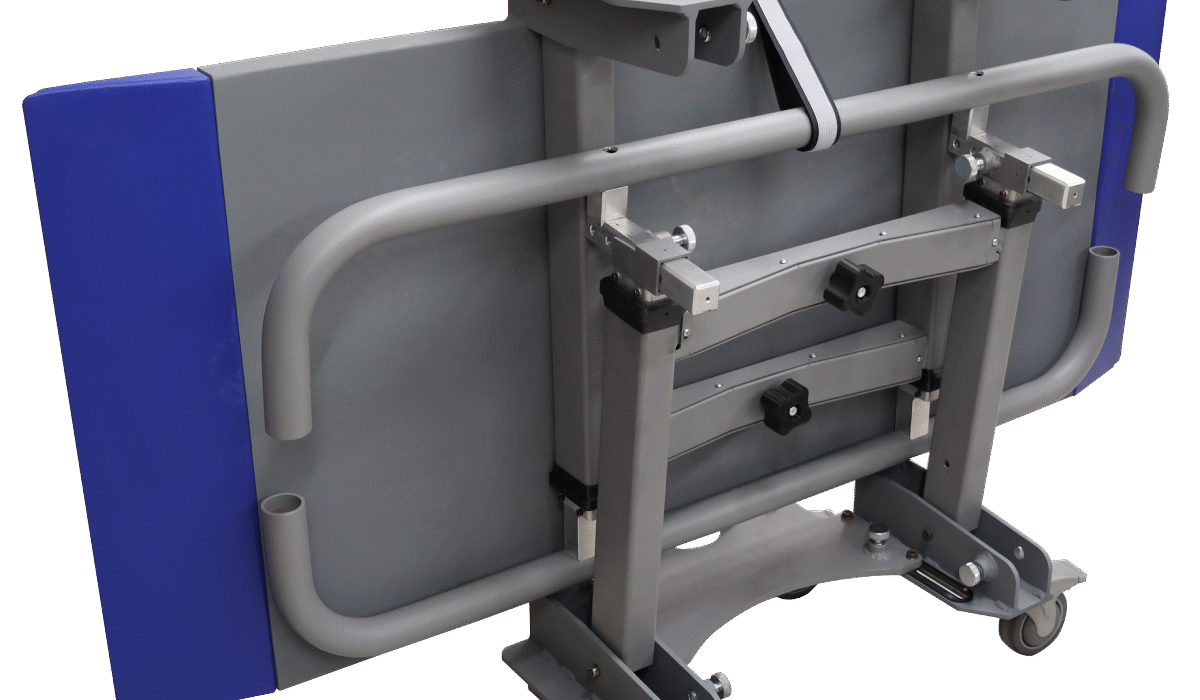
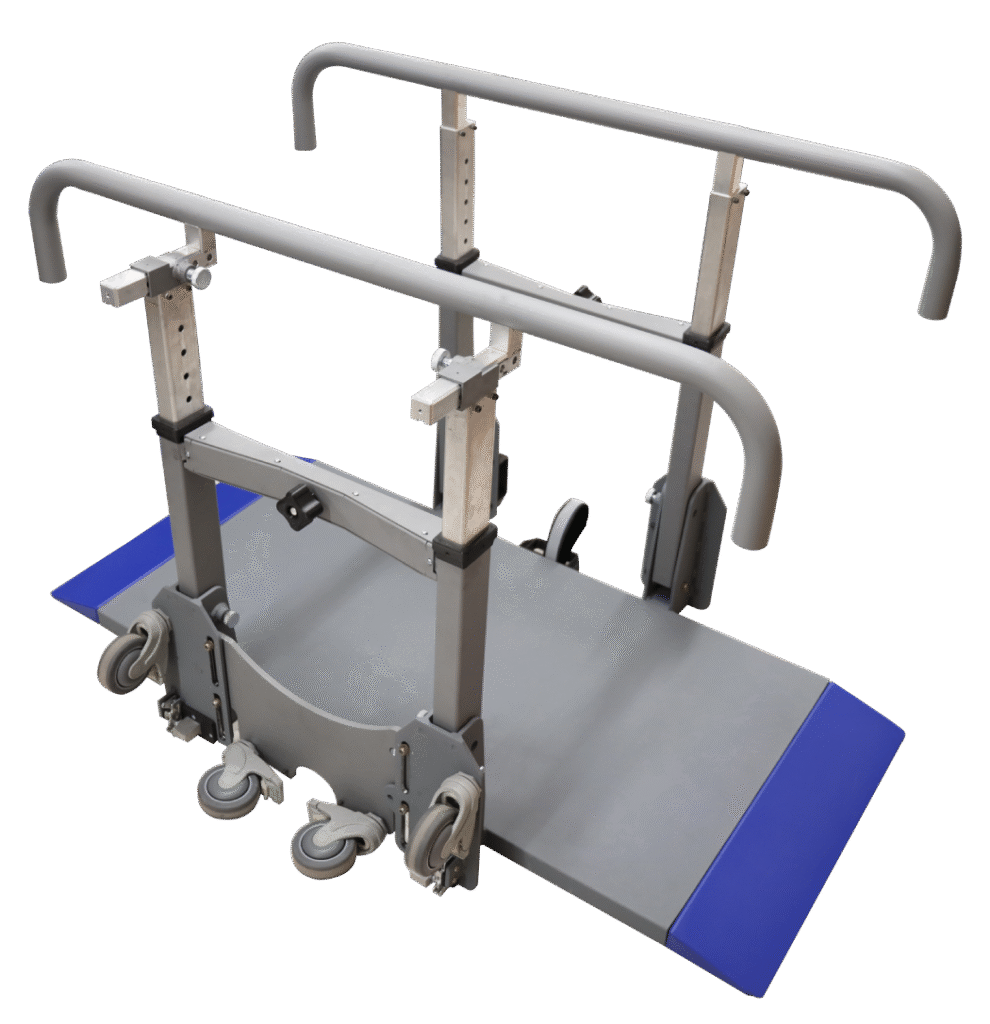
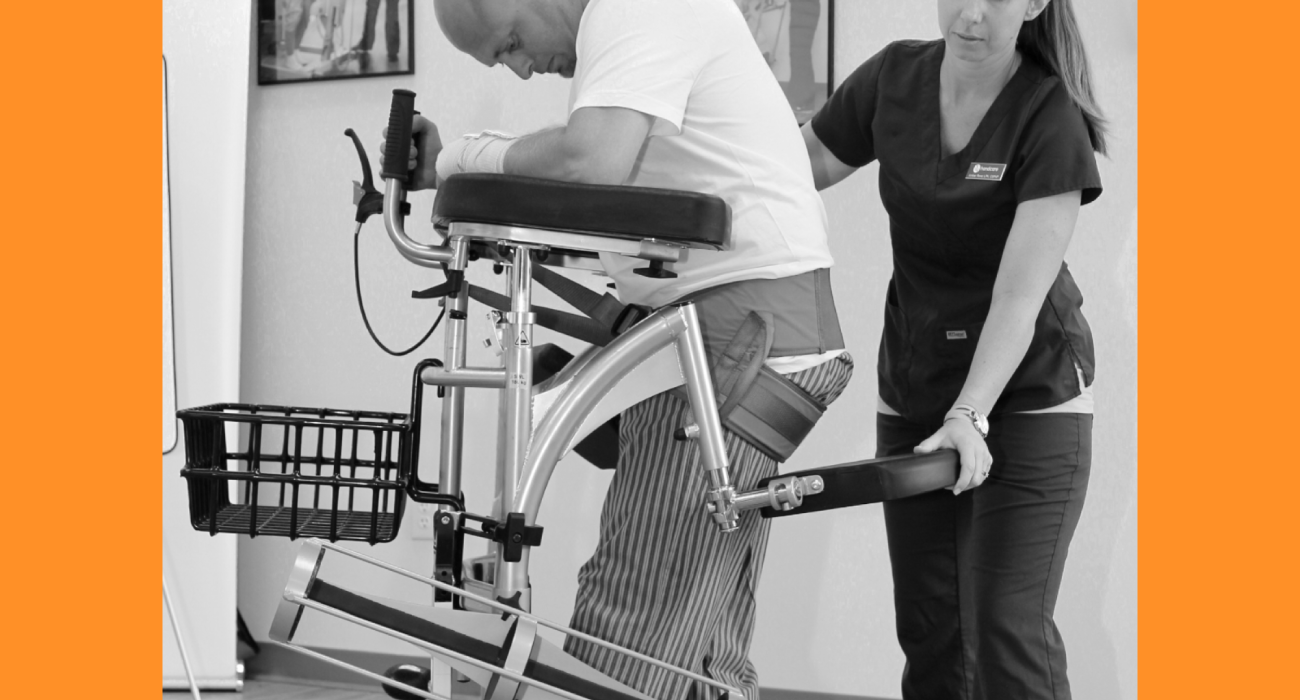
Portable Parallel Bars by SPH Medical

Supreme Stability and Safety

The foundation of effective gait training is absolute stability. Our Portable Parallel Bars feature a robust heavy duty construction that provides a rock solid foundation for patients taking their first critical steps. This rigid stability entirely eliminates the profound fear of falling that holds many patients back from participating fully in their therapy sessions.

Furthermore this absolute stability completely removes the dangerous need for physical therapists to act as manual human props. When the equipment provides the support the therapist can focus entirely on gait mechanics and functional improvement rather than expending all their energy trying to keep a heavy patient upright. This drastically reduces staff injury rates and ensures a completely secure environment for the rehabilitation session.

Exceptional Portability for Seamless Integration

The most innovative feature of these parallel bars is their exceptional portability. Traditional parallel bars are bolted to the floor in the physical therapy gym. This forces highly vulnerable high acuity patients to be transported long distances just to receive foundational gait training.

Our Portable Parallel Bars feature an incredibly innovative design that allows the equipment to be easily transported and set up in any patient room intensive care unit or dedicated physical therapy department. This seamless integration ensures that patients who cannot travel to the gym still receive essential early gait training. You can bring the absolute highest standard of rehabilitation directly to the bedside.

Precision Adjustability

Every patient has unique anatomical needs and our equipment adapts to them flawlessly. The Portable Parallel Bars feature an intuitive user friendly interface that allows for rapid height and width adjustments. Therapists can customize the exact ergonomic support required for each individual in a matter of seconds.

This precision adjustability includes the ability to safely accommodate the growing bariatric patient population. Providing equitable high quality care for patients of all sizes is a critical mandate for modern hospitals. Our heavy duty adjustable bars ensure that every patient receives the exact support they need to succeed in their recovery journey.

Elevating Patient Outcomes and Staff Confidence

Investing in the highest standard of rehabilitation equipment delivers profound measurable returns across your entire organization. It transforms the patient experience and empowers your clinical staff to perform at their absolute best.

Portable Parallel Bars; Empowering the Patient

A secure mechanically supported environment builds immense patient confidence during foundational gait mechanics training. When patients feel safe and protected they are far more willing to push themselves during therapy. This increased confidence leads directly to higher patient compliance with rehabilitation protocols.

Higher compliance translates to faster recovery timelines and earlier discharge dates. Moreover providing a comfortable secure rehabilitation experience drastically improves overall patient satisfaction scores. Patients recognize and appreciate when a facility invests in their safety and comfort.

Protecting the Healthcare Workforce

Your clinical staff is your most valuable asset. Replacing dangerous manual lifting with advanced assistive devices is the absolute only way to protect them from career ending injuries. Relying on outdated equipment and manual handling is a severe liability that modern facilities simply cannot afford.

Providing the absolute best equipment boosts staff morale significantly. Nurses and physical therapists feel valued and protected when they have access to state of the art tools. This leads to comprehensive adherence to safety protocols and a culture of continuous process improvement throughout your entire organization.

Portable Parallel Bars are not merely an optional upgrade for your physical therapy department. They are a fundamental absolute requirement for comprehensive early mobility and safe patient handling programs. Decades of clinical evidence confirms that utilizing highly engineered assistive devices is the only way to improve patient and staff safety simultaneously.

The non negotiable standard of care demands that hospitals stop relying on outdated equipment that compromises safety and extends patient recovery times. SPH Medical provides the innovative solutions required to meet the complex demands of modern healthcare.

Do not allow dangerous manual handling practices to threaten your dedicated staff or delay your patients from returning home. Enhance patient safety and elevate your rehabilitation capabilities today. Contact SPH Medical to request a quote for Portable Parallel Bars and integrate seamlessly into your facility early mobility program.

Early Patient Mobility improves outcomes
CategoriesPatient Handling

Accelerating Recovery: Premier Early Mobility Solutions

Accelerating Recovery: Premier Early Mobility Solutions

Prolonged bed rest is a critical clinical liability in modern healthcare. Initiating safe, early patient mobility is the most effective strategy to reduce hospital length of stay and drive superior patient outcomes. Facilities relying on outdated rehabilitation methods face significant challenges. With an increasing bariatric patient population and rising staff injury rates, manual patient handling during rehabilitation poses a severe risk to healthcare workers.

Years of evidence confirms that Safe Patient Handling programs improve patient and staff safety. Rigorous testing from the OHSU Biodynamics lab confirms the extreme dangers of manual patient handling compared to the use of highly engineered assistive devices. Manual lifting forces nurses and physical therapists into awkward postures that lead to severe musculoskeletal injuries.

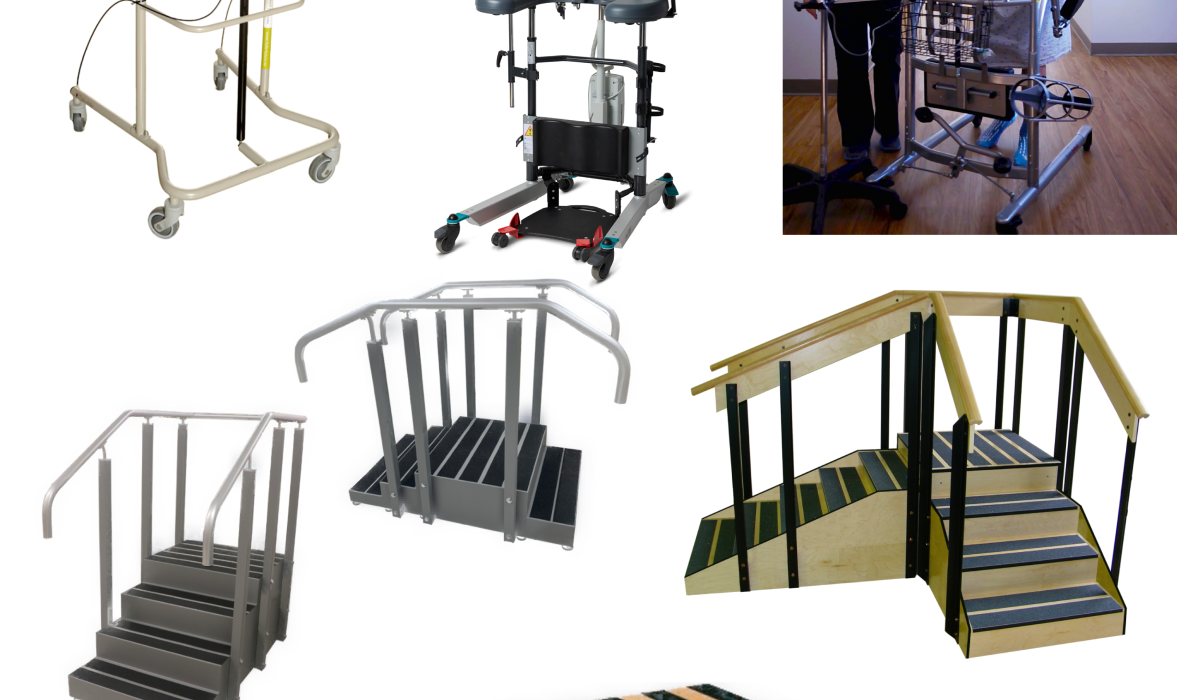
SPH Medical’s comprehensive category of Early Mobility solutions provides the definitive, safest path to patient recovery. By integrating advanced walkers, staircases, and training sets, hospitals completely protect healthcare staff from debilitating injuries while maximizing rehabilitation success. These solutions enable healthcare professionals to safely lift, transfer, position, and mobilize patients while avoiding the risk of injury.

The Clinical Imperative for Safe Patient Handling

Implementing engineered early mobility solutions directly aligns with national safety standards set by the American Nurses Association (ANA) and the American Physical Therapy Association (APTA). Meeting these rigorous standards drastically reduces workers’ compensation costs and minimizes lost work days associated with staff musculoskeletal injuries. Protecting your most valuable asset—your clinical staff—requires equipping them with the best mechanical support available.

Safe, early mobilization is a proven catalyst for elevating patient outcomes. Getting patients upright and moving is essential for reducing hospital lengths of stay and hospital costs. Furthermore, immobility is a primary driver of skin breakdown. Early mobility serves as a highly effective intervention for pressure ulcer prevention, perfectly complementing the goals of hospital wound care nurses and WOCN standards.

When patients experience safe, supported movement, their confidence grows rapidly. This mechanically supported ambulation reduces fear of falling, accelerates the healing process, and significantly improves overall patient satisfaction scores. Elevating your facility’s safety culture directly aligns with essential performance and process improvement goals.

The Ultimate Ambulation Solutions

SPH Medical delivers the absolute highest standard in mobility equipment. Our advanced walkers bridge the gap between bed rest and independent ambulation, offering unprecedented safety for both the patient and the caregiver.

The RoWalker: The Centerpiece of Early Mobility

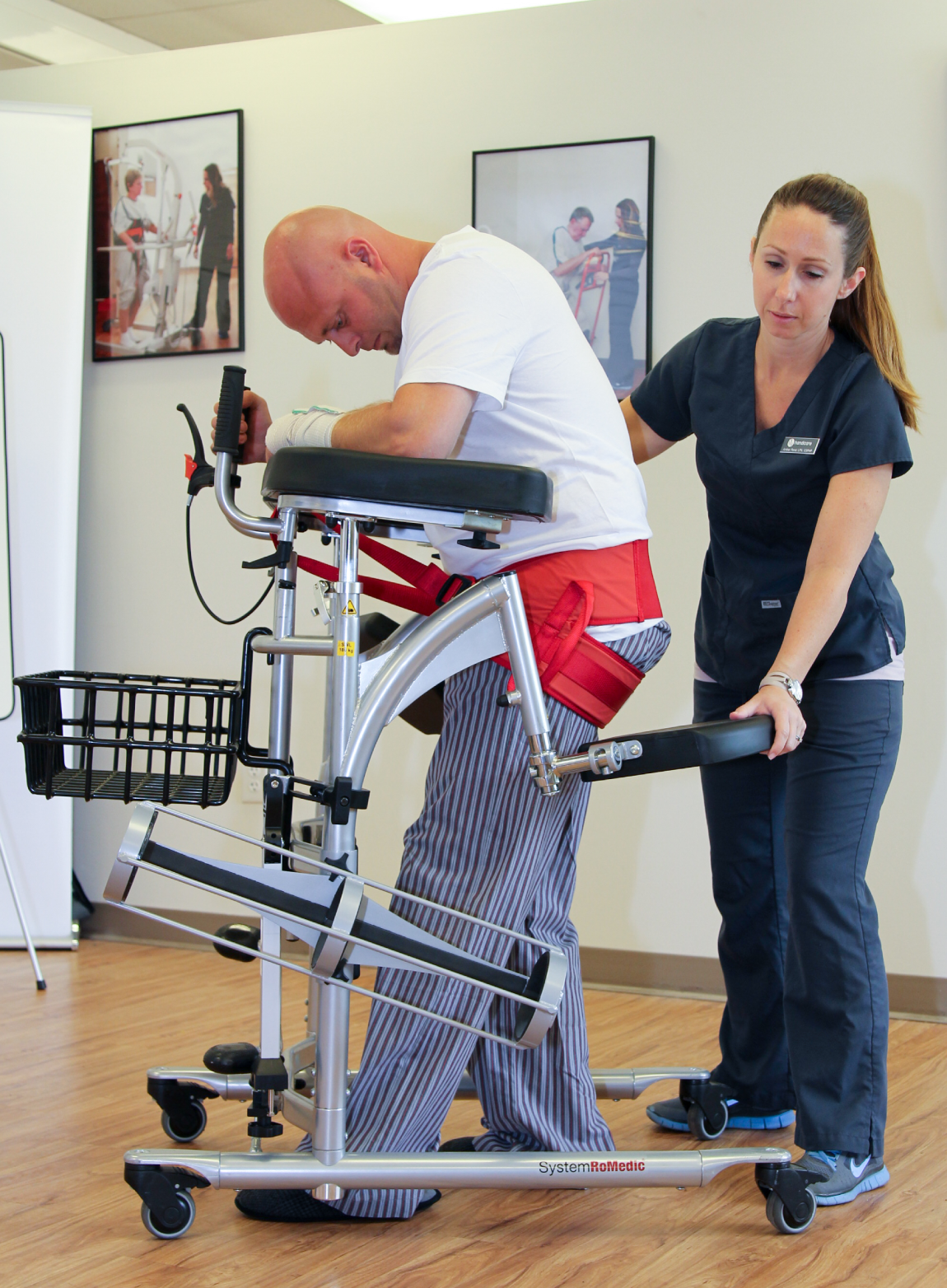
The RoWalker is the premier centerpiece of modern early mobility programs. It features unprecedented safety elements designed to safely mobilize the highest acuity patients. The device includes stepless height adjustable padded armrests, allowing physical therapists to customize the exact ergonomic support required for each individual patient.

Built in seat pads provide an immediate resting spot, eliminating the risk of falls if a patient becomes suddenly fatigued during a session. Furthermore, the RoWalker features integrated equipment management, including a dedicated Oxygen Tank Holder, an IV Pole, and a front basket for cardiac monitors. This seamless integration consolidates patient care equipment, allowing a single nurse or physical therapist to safely conduct a mobility session.

The XL Walker: Unmatched Bariatric Support

Hospitals are treating an increasing bariatric patient population, which demands specialized, heavy duty equipment. The XL Walker is the industry’s premier heavy duty mobility solution, engineered specifically to safely accommodate bariatric patients.

It provides unmatched structural stability to prevent dangerous falls and catastrophic injuries. By utilizing the XL Walker, hospitals completely eliminate the need for dangerous manual support from physical therapists and nurses. This robust device ensures that all patients, regardless of size, receive equitable, high quality rehabilitation in a completely secure environment.

The EVA Walker: Ergonomic Gait Training

The EVA Walker stands as the gold standard for ergonomic gait training. Its signature wide, padded armrests comfortably support the patient’s weight through the forearms and shoulders. This specific design significantly reduces upper body fatigue and eliminates the need for strong hand grip strength.

By comfortably supporting the patient, the EVA Walker facilitates much longer, more effective physical therapy sessions. Patients can focus entirely on their gait mechanics and lower extremity strength rather than expending all their energy trying to stay upright. This specialized support accelerates the transition to independent walking.

Advanced Rehabilitation and Simulation Equipment

True recovery requires preparing patients for the physical barriers they will face outside the hospital. SPH Medical provides highly durable, precisely engineered equipment to safely simulate real world environments within the physical therapy department.

Ramp and Curb Training Set

The Ramp and Curb Training Set is an indispensable tool for functional rehabilitation. This set safely simulates real world environmental barriers like sloped sidewalks and street curbs.

Physical therapists use this comprehensive set to build critical patient confidence and test functional capacity. By mastering these controlled obstacles, patients ensure a safe, successful transition to the home environment, ultimately reducing the risk of costly readmissions due to falls.

Aluminum and Wooden Staircases for Rehab

Navigating stairs is often the final hurdle before a patient can be safely discharged. SPH Medical offers the most robust, stable platforms available for critical step training through our Aluminum and Wooden Staircases.

Featuring highly durable anti slip surfaces and ergonomic handrails, these staircases are essential for safely rebuilding lower extremity strength, balance, and coordination. The superior construction provides a completely secure platform, giving both the patient and the therapist absolute confidence during high risk step training exercises.

Portable Parallel Bars

For patients in the earliest stages of mobility, absolute stability is required. Our Portable Parallel Bars deliver unparalleled stability and support for initial weight bearing exercises.

These highly adjustable, user friendly bars provide a secure, controlled environment for foundational gait mechanics training. Their portable design allows them to integrate seamlessly into any busy physical therapy department, maximizing floor space while delivering the highest level of therapeutic support.

Conclusion

SPH Medical’s early mobility solutions represent the absolute highest standard in patient rehabilitation and Safe Patient Handling. By integrating these engineered, technology driven devices, hospitals comprehensively protect their staff from career ending injuries and ensure strict adherence to SPHM protocols.

Outdated equipment and dangerous manual handling practices have no place in a modern healthcare facility. Investing in advanced mobility solutions actively accelerates the patient recovery timeline, improves respiratory and cardiac function, and reduces costly lengths of stay.

Do not compromise on staff safety or patient rehabilitation outcomes. Contact SPH Medical today to request a quote and integrate these state of the art Early Mobility solutions into your facility’s Safe Patient Handling program.

Improve Safety with the EPD by SPH Medical
CategoriesPatient Handling

The Epidural Chair: Maximizing Safety and Precision

The Definitive Standard for Patient Positioning: Maximizing Safety and Precision with the Epidural Chair

Precise patient positioning is the absolute cornerstone of successful interventional procedures. Whether an anesthesiologist is placing an epidural in a bustling delivery ward or a radiologist is performing a delicate spinal block, the margin for error is nonexistent. For decades, healthcare professionals have relied on outdated, unsafe methods to achieve this positioning. Nurses and physical therapists are routinely forced to act as “human props,” manually holding patients upright and still.

This outdated approach puts everyone at risk. Manual patient handling leads to severe musculoskeletal injuries for staff, while unstable positioning compromises procedural accuracy for physicians. Biomechanical testing consistently confirms the extreme dangers of manual patient handling compared to the use of highly engineered assistive devices.

The ultimate solution to this critical challenge is the Epidural Chair. This highly advanced, uniquely engineered device represents the most innovative and comprehensive approach to patient positioning. It is designed to enhance patient safety, completely protect healthcare staff from injury, and guarantee unmatched procedural precision across multiple hospital departments.

Engineered for Excellence: Core Features of the Epidural Chair

The Epidural Chair replaces the dangerous instability of bedside tables and stacked pillows with a rock-solid, mechanically sound platform. It provides the highest level of support for patients while completely removing the physical burden from your nursing staff.

Unmatched Ergonomic Support

Every patient has a unique anatomy, and the Epidural Chair adapts to them flawlessly. The device features fully adjustable chest, arm, and head supports. These components easily conform to any patient size or shape, seamlessly and naturally opening the intervertebral spaces. By providing a comfortable, forward-leaning posture, the chair allows the spine to flex optimally for needle insertion.

Furthermore, hospitals are seeing a significant increase in bariatric patients. Standard positioning methods fail completely with this demographic, placing extreme physical strain on staff. The Epidural Chair features a heavy-duty, bariatric-capable construction. It safely and comfortably supports larger patients, ensuring that your facility is fully equipped to provide equitable, high-quality care to every individual who walks through your doors.

Maximum Stability and Security

Stability is the most critical factor during any spinal procedure. The Epidural Chair delivers maximum security through its medical-grade locking casters. Once positioned, these heavy-duty casters lock the chair firmly in place. It will not roll, shift, or slide, providing a completely immovable foundation during the exact moment of needle insertion.

Coupled with this stability is an incredibly intuitive design. The user-friendly interface allows staff to set up the chair and adjust the supports rapidly. This reduces physical strain, saves critical time during emergencies, and ensures that the equipment is actually used by staff, thereby driving up compliance with your facility’s safety protocols.SPH Medical EPD improves comfort and stability

Transforming Care in Labor & Delivery (L&D)

The Labor and Delivery department is one of the most demanding environments in any hospital. Expectant mothers require rapid, effective pain management, and the epidural placement process must be flawlessly executed.

Superior Epidural Placement

Placing an epidural in a patient experiencing severe contractions is incredibly challenging. The Epidural Chair safely guides expectant mothers into the exact posture needed for seamless epidural placement. The adjustable chest and arm supports give the patient a secure place to lean and rest her weight. This highly supportive resting place significantly reduces maternal anxiety. When a patient feels physically secure, she can relax her muscles more easily, which widens the spinal spaces and allows the anesthesiologist to work with unparalleled precision.

Eliminating the “Human Prop”

In L&D, nurses frequently suffer severe back and shoulder injuries from trying to hold patients perfectly still through painful contractions. The Epidural Chair entirely eliminates the need for L&D nurses to physically support the weight of the patient. By removing the nurse from the role of a “human prop,” hospitals directly align their practices with the rigorous Safe Patient Handling and Mobility (SPHM) standards set by the American Nurses Association (ANA) and the Association of perioperative Registered Nurses (AORN). Protecting your nurses is paramount, and this device is the ultimate tool for injury prevention in the L&D unit.

Enhancing Efficiency in the Operating Room (OR)

In the Operating Room, time is incredibly valuable. Delays in anesthesia directly impact the entire surgical schedule, leading to massive financial inefficiencies and prolonged patient fasting.

Streamlining Spinal Blocks

The Epidural Chair dramatically streamlines the administration of spinal blocks. It facilitates quick, standardized positioning for spinal anesthesia prior to surgery. Because the chair is intuitive and fast to adjust, the OR team can achieve the perfect patient posture in seconds. This keeps the OR schedule running smoothly and efficiently, directly aligning with your hospital’s performance and process improvement goals.

Empowering Anesthesiologists

Anesthesiologists require absolute target stability. When patients are mechanically stabilized by the Epidural Chair, anesthesiologists experience significantly higher first-attempt success rates. The sturdy platform prevents the patient from flinching or shifting away from the needle. This precision drastically reduces the risk of complications, prevents traumatic taps, and ensures the anesthesia takes effect quickly and safely.

Ensuring Precision in Imaging Departments

Diagnostic and interventional imaging require a different kind of endurance. Patients must often hold completely still for extended periods while heavily specialized equipment is utilized.

Crystal-Clear Diagnostics

Whether performing fluoroscopy-guided injections or specialized ultrasound procedures, the critical need for stationary positioning cannot be overstated. Any patient movement degrades the image quality, requiring procedures to be repeated and exposing patients to unnecessary radiation. The locking casters and rigid frame of the Epidural Chair ensure absolute immobility, leading to crystal-clear diagnostic imaging the very first time.

Patient Comfort During Delays

Imaging departments often face scheduling delays. Keeping a patient positioned perfectly while waiting for a room or a physician can lead to severe patient fatigue. The Epidural Chair features a highly padded, ergonomic design that prevents muscle fatigue and ischemic pain during these longer sessions. Comfortable patients are compliant patients. They remain still throughout the entire process, which improves the overall speed and success of the imaging department.

The Comprehensive Benefits: Safety, Comfort, and Outcomes

Implementing the Epidural Chair is a strategic investment that delivers massive returns across the entire healthcare continuum. It touches every key success indicator your facility monitors.

Staff Safety and Cost Reduction

Staff injuries are on the rise, and they require immediate intervention. The Epidural Chair delivers measurable risk reduction. By eliminating manual patient holding, you instantly decrease the incidence and severity of staff musculoskeletal injuries. This leads directly to a massive reduction in workers’ compensation claims and costly lost work days. Protecting your staff saves your facility money and preserves your highly skilled workforce.

Enhanced Patient Outcomes

Patient safety and comfort translate directly to clinical excellence. Patients who are securely supported experience far less procedural trauma and anxiety. The precision enabled by the chair reduces the length of procedures, which in turn helps reduce the overall length of hospital stays. Furthermore, eliminating the localized pressure points caused by improper positioning aids in pressure ulcer prevention. Ultimately, providing a comfortable, secure experience drives your patient satisfaction scores higher.

The evidence is clear and overwhelming. The era of manual patient positioning and dangerous makeshift solutions is over. The Epidural Chair is the definitive, non-negotiable standard of care for any modern healthcare facility performing epidurals, spinal blocks, or interventional imaging.

Transitioning to the engineered stability of the Epidural Chair is the most effective way to protect your nurses, empower your physicians, and secure the highest quality of care for your patients. Facility leaders and safety coordinators must commit to safety and prioritize this vital equipment immediately.

Do not wait for another staff injury or compromised procedure to prompt action. Elevate your standard of care today. Contact SPH Medical to request a quote, schedule an interactive demonstration, and discover exactly how the Epidural Chair will immediately maximize safety and precision in your facility.

Breathable Repositioning Sheets by SPH Medical
CategoriesInfection Prevention,  Patient Handling,  Pressure Ulcer Prevention

Breathable Repositioning Sheets: The Core of Safe Patient Handling

The Foundation of Safety: Why Breathable Repositioning Sheets Are the Core of Safe Patient Handling

In the landscape of modern healthcare, patient lifts are a familiar sight. Ceiling lifts and mobile floor lifts are widely recognized as essential tools for Safe Patient Handling (SPH). Yet, despite the prevalence of these mechanical aids, a critical gap often remains in injury prevention protocols. That gap lies in the interface between the patient and the machine: the repositioning sheet.

Effective safety programs do not rely on machinery alone; they rely on the seamless integration of technology and daily workflow. SPH Medical’s breathable repositioning sheets are not merely accessories to a lift system; they are the foundation upon which a high-functioning safety protocol is built. By transforming high-frequency, high-risk manual tasks into safe, mechanical procedures, these sheets protect nursing staff from career-ending injuries and safeguard vulnerable patients from skin breakdown.

The Hidden Danger of “Routine” Care

The most dangerous tasks in a hospital are often the most routine. While transferring a patient from bed to chair gets significant attention, the act of boosting, turning, and repositioning a patient in bed occurs far more frequently. Nurses and support staff perform these micro-movements dozens of times per shift, often assuming that “just one quick boost” won’t hurt.

The Cumulative Trauma of Repositioning

The reality is that these repetitive manual tasks are the leading cause of musculoskeletal disorders (MSDs) in healthcare. The cumulative strain on the spine and shoulders from awkward body postures leads to severe sprains, strains, and debilitating back injuries. The risk is compounded by the changing demographics of the patient population. With rising average BMIs, it is physically impossible for staff to manually maneuver bariatric patients safely. When a nurse attempts to boost a 300-pound patient without mechanical aid, the forces exerted on the lumbar spine far exceed safety limits defined by the National Institute for Occupational Safety and Health (NIOSH).

The Laundry Logistics Failure

Even when staff want to do the right thing, logistics often fail them. Hospitals relying on reusable repositioning sheets frequently face supply chain breakdowns. Laundry systems are notorious for delays; sheets get lost, damaged, or are simply unavailable when needed most. This creates a dangerous “compliance trap.” When a nurse reaches for a repositioning sheet and finds the shelf empty, they are forced to make a split-second decision: wait for laundry and delay care, or perform a manual lift. All too often, the manual lift wins, and injury follows.

The Engineering Solution: SPH Medical Breathable Repositioning Sheets

To eliminate these risks, the solution must be engineered for both heavy-duty performance and clinical efficacy. SPH Medical’s breathable repositioning sheets are designed to meet the rigorous demands of the acute care environment.

SPH Medical Breathable Repositioning Sheet Disposable with 1000 lb capacity

Designed for Heavy-Duty Performance

Strength is non-negotiable. These sheets are rated with a 1000lb weight capacity, ensuring they can accommodate patients of virtually all shapes and sizes, including the bariatric population. This high weight rating gives staff the confidence to use the product for even the most challenging repositioning tasks. Furthermore, the design features universal compatibility. The sheets attach easily via robust straps to any standard overhead or mobile patient lift using a hook-and-loop style connection. This universality ensures that no matter what lift system your facility uses, these sheets will integrate seamlessly.

Clinical Benefits for Skin Health

For Wound, Ostomy, and Continence Nurses (WOCN), the priority is skin integrity. Leaving a standard, non-breathable sling under a patient is a recipe for pressure injuries due to heat and moisture buildup. SPH Medical addresses this with advanced breathable fabric technology.

  • Breathability: The fabric allows air to circulate, effectively managing the microclimate between the patient’s skin and the surface. This reduces the risk of maceration and pressure injury development, aligning with WOCN prevention standards.
  • Single-Patient Use: In an era where Multi-Drug Resistant Organisms (MDROs) are a constant threat, single-patient use is the gold standard. By assigning a specific sheet to a patient upon admission, you eliminate cross-contamination risks entirely. Every patient is guaranteed a clean, safe, and effective surface from day one.

Operational Excellence: Tracking, Compliance, and Risk Reduction

Implementing single-patient-use breathable sheets is not just a clinical upgrade; it is an operational strategy that solves supply chain struggles.

Solving the Supply Chain Struggle

The disposable model guarantees availability. Unlike reusable sheets that disappear into the laundry abyss, single-patient-use sheets are stocked directly on the unit. This ensures that the essential tool for safe lifting is always within arm’s reach at the bedside. When the barrier to access is removed, compliance with Safe Patient Handling policies skyrockets.

Data-Driven Safety

You cannot manage what you cannot measure. One of the greatest challenges with reusable inventory is tracking usage. It is nearly impossible to know if a reusable sheet was used 50 times or 500 times, or if it was used at all.

SPH Medical’s system enables precise, data-driven safety management. Administrators can easily track how many units are used per month on each floor. This data provides a direct window into compliance. High usage rates correlate directly with reduced staff injury claims and improved patient outcomes. This allows SPH coordinators to validate the Return on Investment (ROI) of their program with hard numbers, proving that the investment in safety is paying off in reduced workers’ compensation costs and lower nurse turnover.

A Safe Patient Handling program is only as strong as its weakest link. If your lift equipment is state-of-the-art but your repositioning sheets are missing, damaged, or dangerous to skin health, the system fails. Protecting your staff from career-ending injuries and your patients from avoidable harm requires the right tools, available at the right time.

Breathable repositioning sheets are the non-negotiable standard for modern, safe, and efficient healthcare facilities. They bridge the gap between policy and practice, ensuring that safety is always accessible.

Stop relying on unstable supply chains and unsafe manual practices. Contact SPH Medical today to secure your supply of single-patient-use slings and breathable repositioning sheets, and build a foundation of safety that lasts.

Revolutionizing Recovery with SPH Medical RoWalker for Early Mobility
Categoriesearly mobility,  Patient Handling

Revolutionizing Recovery with the SPH Medical RoWalker

Revolutionizing Recovery with RoWalker: How Leading Health Systems Are Implementing Early Patient Mobility with the RoWalker

The paradigm of patient recovery has shifted fundamentally. In top-tier health systems across the country, prolonged bed rest is no longer the default for high-acuity patients. Instead, these institutions are embracing a new standard of care: early patient mobility. This proactive approach is critical for reducing complications, shortening hospital stays, and improving long-term outcomes. At the center of these successful programs is the SPH Medical RoWalker, a revolutionary technology that bridges the gap between bed rest and independent ambulation.

The Paradigm Shift to Early Mobility

For decades, bed rest was prescribed as a primary component of recovery. However, modern clinical evidence confirms that immobility is often more dangerous than the condition being treated. The detrimental effects of bed rest—severe muscle atrophy, increased risk of pneumonia, development of pressure injuries, and psychological decline—begin within hours of admission.

Leading health systems have recognized that to combat these risks, patients must move early and often. The challenge has always been safety: how to mobilize weak, unstable patients without risking falls or causing injury to the nursing staff. The RoWalker solves this critical problem. “You have literally revolutionized early mobility with the RoWalker” said one customer. It is not merely a walker; it is a comprehensive mobilization platform designed to facilitate safe, early ambulation for patients who are too weak for standard equipment but need to move to recover.

Revolutionizing Recovery with SPH Medical RoWalker for Early Mobility 2026

Clinical Evidence: Why Early Mobility Programs Are Essential

The adoption of early mobility protocols is driven by irrefutable clinical data. Hospitals that prioritize movement see measurable improvements in patient health and operational efficiency.

Improving Patient Outcomes

The physiological benefits of early ambulation are profound.

  • Muscle Preservation: ICU-acquired weakness is a significant complication of critical illness. Early mobility prevents the rapid decline of muscle mass, preserving the patient’s functional independence.
  • Respiratory Health: Upright positioning and movement significantly improve lung expansion and secretion clearance, directly reducing the incidence of ventilator-associated pneumonia (VAP) and other respiratory complications.
  • Psychological Well-being: Immobility contributes to delirium and depression in hospitalized patients. Mobile patients are more alert, engaged, and experience better mental health outcomes, which speeds up the overall recovery process.

Operational and Financial Impact

Beyond clinical benefits, early mobility programs deliver a substantial return on investment for healthcare facilities.

  • Reduced Length of Stay (LOS): There is a direct correlation between early mobility initiatives and shorter stays in both the ICU and the general medical-surgical units. Getting patients moving gets them home faster.
  • Cost Reduction: By reducing LOS and preventing costly complications like hospital-acquired pressure injuries (HAPIs) and falls, facilities can save significantly on non-reimbursable treatment costs.

The RoWalker: The Centerpiece of Successful Mobility Programs

Implementing an early mobility program requires more than just policy changes; it requires the right equipment. The RoWalker serves as the essential bridge for patients transitioning from bed rest to standing. It is the only device that fully satisfies the rigorous demands of both Nursing and Physical Therapy departments.

Collaborative Success for Clinical Teams

For nurses, the RoWalker is a game-changer for staff safety. It eliminates the physical burden of manually supporting a patient’s weight during ambulation. Nurses can confidently mobilize patients without the fear of back strain or musculoskeletal injury, aligning with Safe Patient Handling (SPH) standards.

For physical therapists, the device acts as a force multiplier. It allows for longer, more productive therapy sessions. Because the device handles the safety and support aspects, therapists can focus entirely on gait training mechanics and functional improvement rather than expending energy just to keep the patient upright.

Engineered for the Clinical Environment

The RoWalker is engineered specifically for the complex hospital environment. Its design features address the practical challenges of mobilizing high-acuity patients.

Unmatched Safety and Support

  • Stepless Height Adjustment: The electric height adjustment capability is a critical safety feature. It allows patients to transition from sitting to standing with powered assistance. The height can be adjusted easily to provide customized, ergonomic support for patients of any stature.
  • Padded Armrests: Unlike standard walkers that require hand grip strength, the RoWalker features wide, padded armrests. This allows patients to bear weight through their forearms and upper body, reducing fatigue and enabling those with weak grip strength to mobilize safely.
  • Built-in Seat Pads: Safety is paramount during early mobilization. The integrated safety seat pads provide an immediate resting spot. If a patient becomes fatigued or dizzy mid-session, they can simply sit down safely within the device, preventing falls.

Integrated Patient Care Equipment

One of the biggest barriers to mobilizing ICU patients is managing the “tether” of equipment. The RoWalker consolidates these necessities into a single, mobile unit.

  • Oxygen Tank Holder: The dedicated holder eliminates the need for a second staff member to trail behind the patient carrying an O2 cylinder, streamlining the process.
  • Front Basket: A sturdy front basket provides a secure location for cardiac monitors, chest drains, or the patient’s personal items, keeping hands free for support.
  • IV Pole Integration: With a built-in IV pole, the RoWalker becomes a self-contained mobilization system. Lines and tubes are managed safely, reducing the risk of dislodgement during movement.
  • The evidence is clear: early mobility is the key to better outcomes, reduced lengths of stay, and safer hospitals. However, a protocol is only as good as the tools available to execute it. Leading health systems are choosing the RoWalker because it transforms the concept of early mobility from a difficult task into a safe, routine standard of care.

Implementing the RoWalker demonstrates a commitment to clinical excellence, staff safety, and superior patient recovery. Do not let outdated equipment hinder your facility’s performance.

Elevate your standard of care today.
Contact SPH Medical to request a quote for the RoWalker and empower your patients to get back on their feet sooner and safer.

Add to cart