Improve patient safety with Geo-Mattress UltraMax for Stretchers Pressure Relief by SPH Medical 2026
CategoriesHospital Mattresses,  Infection Prevention,  Pressure Ulcer Prevention

Geo-Mattress UltraMax: Stopping Pressure Injuries on Stretchers

How the Geo-Mattress UltraMax Prevents Pressure Injuries During Stretcher Use

Emergency department wait times are a persistent challenge in modern healthcare, often leaving vulnerable patients on stretchers for hours before they are admitted or discharged. While much focus is rightly placed on inpatient bed surfaces, the stretcher surface is a critical, often overlooked, first line of defense against pressure injuries. Every minute a patient spends on an inadequate surface increases their risk of developing a hospital-acquired pressure injury (HAPI). Standard stretcher pads typically offer minimal protection, effectively functioning like hard surfaces over time. This creates significant risk for patients experiencing long waits or transport times. The Geo-Mattress UltraMax for Stretchers is the definitive solution to this problem, leveraging advanced pressure redistribution technology to actively protect patients from the moment they enter the facility. By ensuring safety and comfort during these vulnerable periods, healthcare professionals can align with Safe Patient Handling and Mobility (SPHM) goals and improve patient outcomes.

This article will examine the specific risks of pressure injuries on stretchers. This article will also detail how the proven Geo-Mattress UltraMax technology provides superior, therapeutic protection that standard mattresses simply cannot match.

The Unseen Danger: Pressure Injury Risk in High-Turnover Areas

The emergency department and other transport scenarios represent high-risk environments for pressure injury development, yet the equipment used often fails to meet the clinical challenge. In the fast-paced setting of an ED, the primary focus is often stabilization and triage, but skin integrity must remain a priority from the point of entry.

The Problem of “ED Boarding”

“ED boarding” the practice of holding patients in the emergency department after they have been admitted to the hospital because no inpatient beds are available, is a growing crisis. Prolonged waits on stretchers create sustained periods of pressure on vulnerable bony prominences like the sacrum, heels, and scapulae.

Standard, non-therapeutic foam pads found on many stretchers are not designed for long-term occupancy. Under the weight of a patient, these thin pads compress rapidly, “bottoming out” against the metal frame of the stretcher. This offers little to no pressure redistribution. Clinically, this is equivalent to the patient lying on a hard surface, where capillary closure can occur in minutes, leading to tissue ischemia and eventual necrosis.

Vulnerable Patient Populations

The risk is compounded by the demographics of patients who often experience the longest waits. The elderly, trauma patients, bariatric individuals, and those with compromised mobility or perfusion are at heightened risk.

For these vulnerable populations, pressure damage is not a slow process; it can begin in as little as one to two hours—well within a typical ED wait time. WOCN-certified nurses understand that once the damage is done to the deep tissue, it is difficult to reverse. Therefore, prevention must start immediately upon arrival. Relying on a standard stretcher pad for these high-risk patients is a gamble with patient safety that facilities cannot afford to take.

The Geo-Mattress UltraMax Solution: Clinically Proven Pressure Redistribution

The Geo-Mattress UltraMax is not just a mattress; it is a therapeutic surface engineered with patented technology to deliver superior pressure redistribution and shear reduction. It transforms the stretcher from a simple transport device into a therapeutic platform.

The Science of Geo-Matt Technology

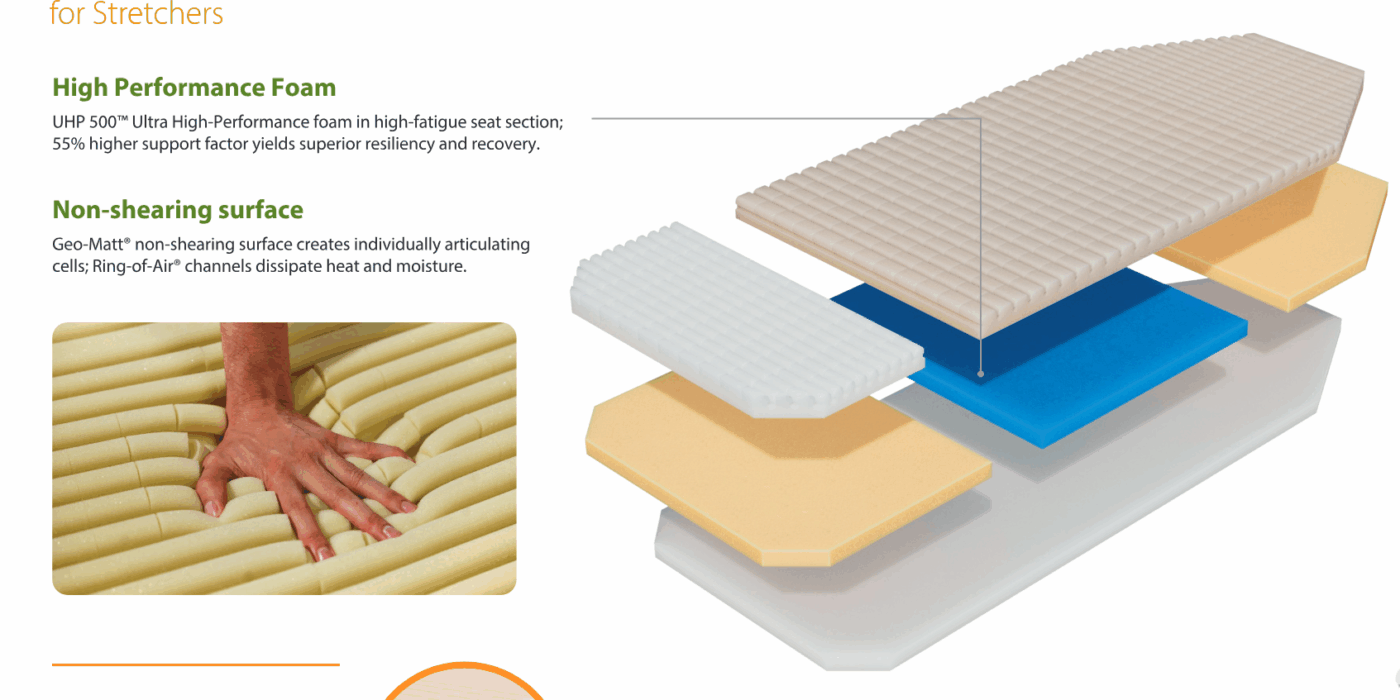
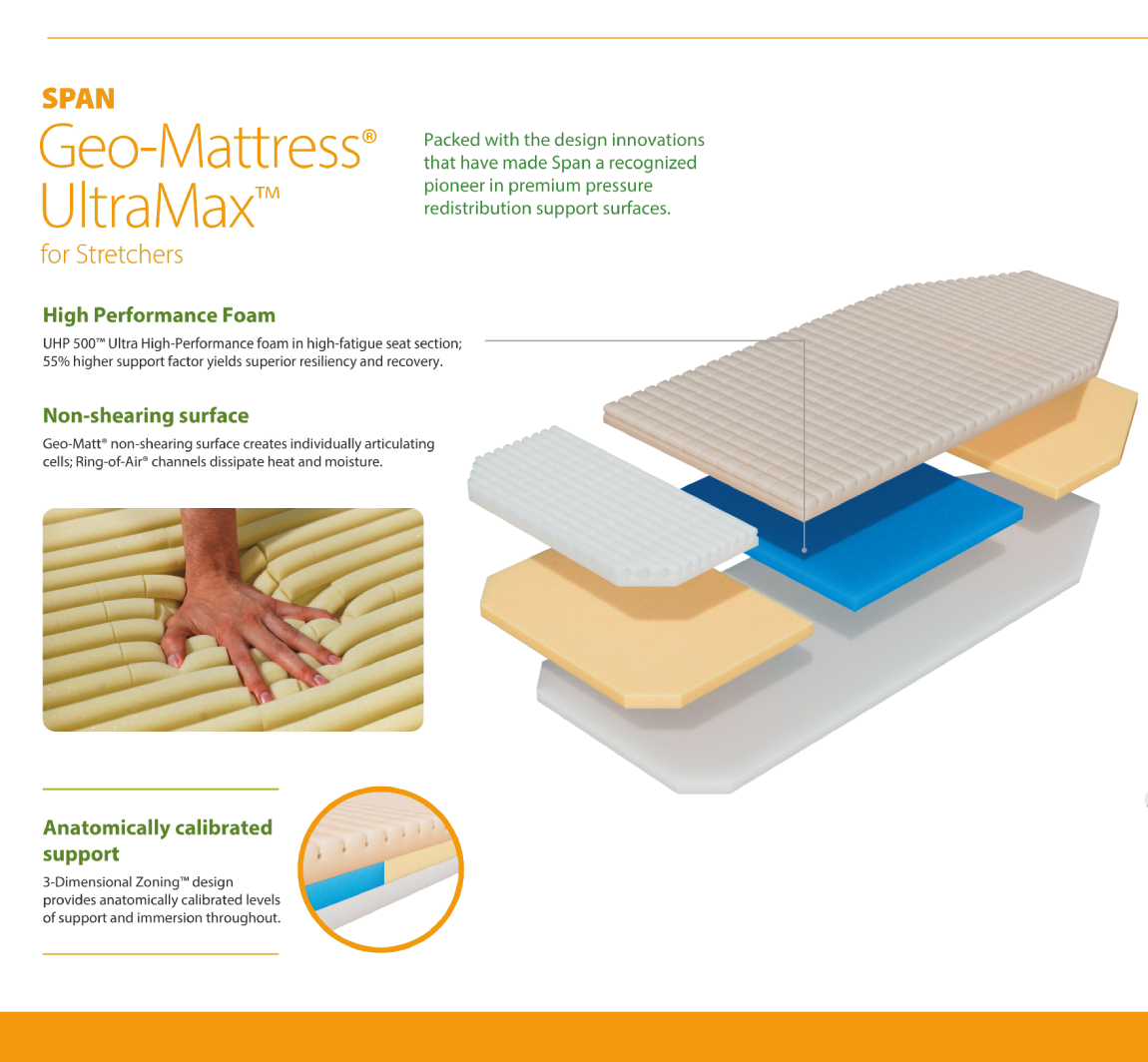
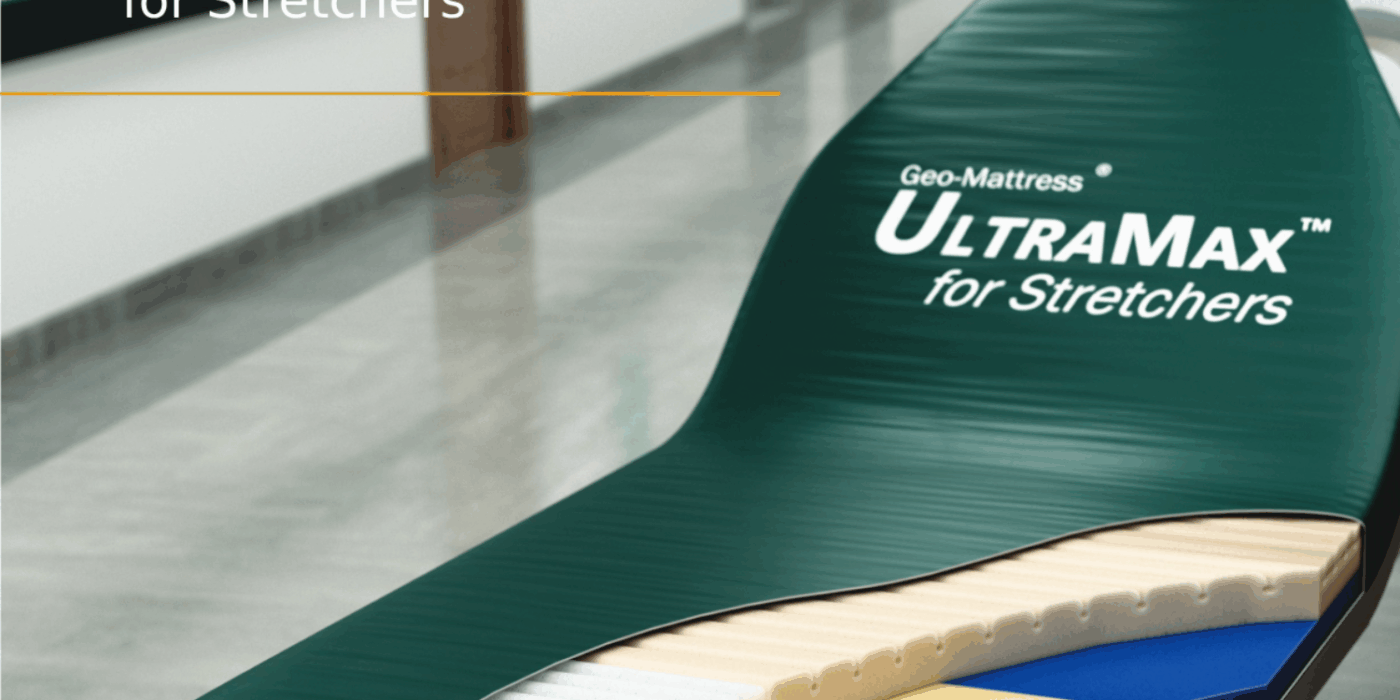
At the core of the UltraMax’s performance is the distinctive, segmented “ring-of-air” design of the Geo-Matt top surface. This clinically proven design features hundreds of independent cells that work individually to conform to the patient’s body contours.

These independent cells increase the body’s surface area contact with the mattress. By spreading the patient’s weight over a larger area, the peak pressure on specific bony prominences is significantly reduced. This redistribution allows for better blood flow to tissues that would otherwise be compressed.

Furthermore, the design plays a critical role in mitigating shear forces. As patients are moved, boosted, or adjusted on the stretcher, the segmented cells move with the patient’s skin rather than against it. This reduction in friction and shear is a critical factor in preventing the tearing and deformation of tissue that leads to injury.

Delivering Therapeutic Support in Any Setting

Implementing the Geo-Mattress UltraMax is a proactive intervention that turns every stretcher into a therapeutic surface. This technology provides a consistent standard of care, ensuring patients are protected from their first point of contact.

This approach aligns seamlessly with guidelines from the National Pressure Injury Advisory Panel (NPIAP), which emphasize the use of high-specification reactive foam mattresses for at-risk individuals. By equipping transport and emergency units with the UltraMax, facilities ensure that their pressure injury prevention protocols are unbroken, regardless of where the patient is located in the hospital.

Beyond Pressure Protection: Durability and Comfort

While clinical performance is paramount, the Geo-Mattress UltraMax combines its unmatched therapeutic benefits with exceptional durability and patient comfort, making it a superior long-term investment for healthcare facilities.

Engineered for Comfort

Patient comfort is closely linked to clinical outcomes. The pressure-redistributing cells of the UltraMax do more than save skin; they enhance overall comfort by reducing the stiffness and pain associated with lying on a hard surface for extended periods.

Improved comfort leads to reduced patient agitation. Agitated patients are more likely to move in unsafe ways, risking falls or interfering with medical devices. Furthermore, in an era where patient satisfaction is a key metric, a comfortable surface can directly influence HCAHPS scores. Patients who are comfortable are less anxious and more satisfied with their care experience.

Designed for the Hospital Environment

The Geo-Mattress UltraMax is built to withstand the rigorous demands of high-traffic areas. It features a robust, fluid-proof cover that withstands rigorous cleaning protocols, protecting the core from fluid ingress and contamination. This durability ensures that the mattress maintains its therapeutic integrity over time, unlike standard pads that degrade quickly.

From a financial perspective, the UltraMax represents a smart investment. While the initial cost may be higher than a standard pad, the lower total cost of ownership—achieved through fewer replacements and the prevention of costly HAPIs—delivers significant value. It is a strategic choice that balances clinical excellence with fiscal responsibility.

Standard stretcher pads expose patients to an unacceptable risk of developing pressure injuries during ED waits and transport. This risk is entirely preventable with the right technology. As patient acuity rises and wait times fluctuate, the margin for error shrinks.

The Geo-Mattress UltraMax for Stretchers provides the most advanced pressure redistribution technology available, actively protecting vulnerable patients from the moment they arrive. It is the gold standard for pressure injury prevention in any high-turnover environment.

By upgrading to the Geo-Mattress UltraMax, you are not just replacing a mattress; you are elevating your standard of care and ensuring that safety is prioritized at every step of the patient journey.

Elevate your standard of care and eliminate stretcher-acquired pressure injuries. Contact SPH Medical today to upgrade your facility to the Geo-Mattress UltraMax and ensure every patient is protected.

Hospitals are reducing HAPUs and costs using the Geo-Mattress UltraMax for Stretchers by SPH Medical
CategoriesHospital Mattresses,  Infection Prevention,  Pressure Ulcer Prevention

The True Cost of a Stretcher Mattress Replacement

The True Cost of a Stretcher Mattress

What is the true cost of an outdated stretcher mattress? It’s far more than the price of a replacement, it’s measured in unreimbursed hospital-acquired conditions, negative patient satisfaction scores, and compromised safety. In the push for budget optimization, stretcher mattress replacement is often delayed. This decision, however, creates significant hidden costs that directly impact a facility’s clinical and financial health.

Investing in a high-performance replacement like the Geo-Mattress UltraMax for Stretchers is not an expense; it is a strategic decision that dramatically reduces long-term costs associated with Hospital-Acquired Infections (HAIs) and Hospital-Acquired Pressure Injuries (HAPIs). This article will dissect the true financial and clinical costs of neglecting stretcher mattress replacement and demonstrate how the Geo-Mattress UltraMax provides the most cost-effective solution for improving patient outcomes and protecting your bottom line.

The Compounding Costs of Inadequate Mattresses

A failed stretcher mattress initiates a cascade of preventable expenses that far outweigh the cost of its replacement. These surfaces are the first point of contact for patients entering the facility, making their integrity a critical component of overall patient safety. When these mattresses are compromised, the clinical and financial consequences are severe.

The Financial Burden of HAIs and HAPIs

The most significant costs are tied directly to poor patient outcomes. A mattress with a cracked, torn, or punctured cover becomes a porous reservoir for bodily fluids and pathogens. This creates a perfect breeding ground for bacteria that cannot be reached by terminal cleaning, directly increasing the risk of HAIs for every patient who uses it.

Simultaneously, a “bottomed-out” foam pad that has lost its supportive properties offers zero protection against pressure injuries. During long waits in the Emergency Department—a practice known as “ED boarding”—patients are left vulnerable on these hard surfaces. For WOCN nurses and wound care teams, this is a critical point of failure in any pressure injury prevention program.

According to the Centers for Medicare & Medicaid Services (CMS), hospital-acquired conditions like HAIs and stage 3 or 4 HAPIs are often non-reimbursable. This means the facility must absorb the entire, staggering cost of treatment, which can amount to tens of thousands of dollars per incident. The cost of a single preventable infection or pressure injury can exceed the cost of upgrading an entire fleet of stretcher mattresses.

Operational and Reputational Costs

Beyond the direct costs of treatment, inadequate mattresses create a host of operational inefficiencies and reputational damage. Patients who experience discomfort on a hard stretcher or acquire an injury are more likely to report low satisfaction. This directly impacts HCAHPS scores, which in turn can affect reimbursement rates and a hospital’s public reputation.

Operationally, old mattresses are a drain on resources. Staff, especially those in Environmental Services, must spend extra time trying to clean visibly soiled or damaged surfaces. Nurses waste valuable minutes searching for a functional stretcher, pulling them away from direct patient care. Furthermore, low-quality pads require frequent replacement, creating a cycle of repeat purchasing that inflates operational budgets over time. These hidden labor and replacement costs add up, making the “cheaper” option far more expensive in the long run.

The Geo-Mattress UltraMax: A Superior ROI

The Geo-Mattress UltraMax is engineered to directly mitigate the highest costs associated with stretcher surfaces by delivering unmatched durability and clinical performance. It is a comprehensive solution that yields a proven return on investment by preventing costly complications.SPH Medical Geo-Mattress UltraMax for Stretchers

Reducing Clinical Costs Through Superior Design

The Geo-Mattress UltraMax is designed for proactive prevention, addressing the root causes of HAIs and HAPIs.

  • Infection Prevention: The mattress features an incredibly durable, fluid-proof cover with welded seams. This innovative construction eliminates stitching, which is a common failure point where fluids can seep in. By creating an impenetrable infection barrier, the UltraMax prevents pathogen growth within the foam core, dramatically lowering HAI risk and the associated treatment costs.
  • Pressure Injury Prevention: Every UltraMax mattress includes the patented Geo-Matt therapeutic top surface. This segmented, “ring-of-air” design redistributes pressure by increasing the body’s surface area, protecting patients from HAPIs even during prolonged ED boarding. This technology actively prevents the clinical and financial burden of treating a pressure injury that starts on a stretcher.

Maximizing Value Through Lower Total Cost of Ownership

When evaluating equipment, smart financial stewardship looks beyond the initial purchase price to the total cost of ownership. The Geo-Mattress UltraMax excels in this regard. Its exceptional durability means it outlasts standard stretcher pads by a significant margin, requiring far fewer replacements over its lifespan.

The mattress’s superior cleanability also reduces labor costs and the need for specialized cleaning processes. Backed by a comprehensive warranty that guarantees performance, the Geo-Mattress UltraMax delivers unmatched long-term value and a predictable, lower total cost of ownership.

A Strategic Decision for Clinical and Financial Health

Upgrading to the Geo-Mattress UltraMax is a proactive strategy that aligns with top-level performance improvement goals for any healthcare facility. It represents a direct investment in the key performance indicators that define quality care.

By equipping your stretchers with this superior surface, you can expect tangible improvements in critical metrics: lower HAI and HAPI rates, better HCAHPS scores, and improved patient throughput in the ED. It strengthens your facility’s reputation for quality and safety. Providing the best equipment ensures your staff can deliver the best care efficiently, enhancing the patient experience from the moment they arrive.

The decision to delay stretcher mattress replacement is a costly mistake, creating preventable clinical and financial liabilities. The true cost is not in the replacement, but in the failure to do so. An outdated mattress is a drain on your budget and a risk to your patients.

The Geo-Mattress UltraMax for Stretchers offers the most intelligent financial solution by eliminating the root causes of these hidden costs. Its superior durability and proven clinical effectiveness provide unmatched long-term value and a powerful return on investment. It is the definitive choice for facilities committed to both fiscal responsibility and the highest standard of care.

Stop absorbing the high costs of inadequate equipment. Contact SPH Medical for a cost-benefit analysis and discover how the Geo-Mattress UltraMax can improve your facility’s financial and clinical outcomes.

PressureGuard APM2 hospital mattress
CategoriesHospital Mattresses,  Infection Prevention,  Pressure Ulcer Prevention

PressureGuard APM2 Deluxe: The Premier Air Therapy Solution

PressureGuard APM2 Deluxe: The Ultimate Air Therapy Solution

In the complex landscape of wound care and patient safety, selecting the right therapeutic surface is a critical decision. For nurses and WOCN specialists managing high-acuity patients, the challenge often lies in finding a system that balances effective pressure redistribution with ease of use and safety. The PressureGuard® APM2 Deluxe stands as the premier answer to this challenge, offering a versatile, two-in-one therapy solution that empowers healthcare professionals to optimize care and minimize risks.

This advanced air therapy surface is engineered to address the specific needs of patients requiring alternating pressure or lateral rotation, all while maintaining the highest standards of safety and durability.

Dual-Therapy Versatility at Your Fingertips

The defining feature of the PressureGuard APM2 Deluxe is its ability to deliver two distinct therapies within a single platform. In a fast-paced hospital environment, patient needs can change rapidly. A patient who requires pressure redistribution today may need help with pulmonary drainage or positioning tomorrow. The APM2 Deluxe eliminates the need to swap out mattresses, allowing caregivers to switch therapies with the simple flip of a switch.

Alternating Pressure Therapy

For patients at risk of or currently suffering from pressure injuries, the system’s alternating pressure mode is a vital tool. It operates on a 10-minute cycle, gently redistributing pressure across the body surface. This cyclic loading and unloading promotes tissue health by ensuring no single area of skin is subjected to sustained pressure, which is the primary cause of capillary closure and tissue necrosis.

Lateral Rotation Therapy

The APM2 Deluxe also offers lateral rotation therapy, a critical intervention for patients with pulmonary complications or those who require assistance with turning. Like the alternating pressure mode, this feature operates on a 10-minute cycle, providing gentle, consistent rotation. This continuous motion assists with pulmonary drainage and mobilizes fluid, reducing the risk of respiratory complications while simultaneously addressing pressure points.

Active “Float” Mode

Beyond these two dynamic therapies, the system includes an Active “Float” mode. This powered flotation therapy provides consistent, stable support for patients who may not tolerate motion or for those in the final stages of healing where reduced tissue stress is paramount.

This flexibility ensures that the therapeutic surface adapts to the patient’s condition, not the other way around.

Engineering Safety: The Geo-Matt and Safety Edge Advantage

While dynamic air therapy is essential, the foundation of any therapeutic surface must be stability and safety. The PressureGuard APM2 Deluxe integrates proprietary technologies that set it apart from standard air mattresses.

Geo-Matt® Technology: The First Line of Defense

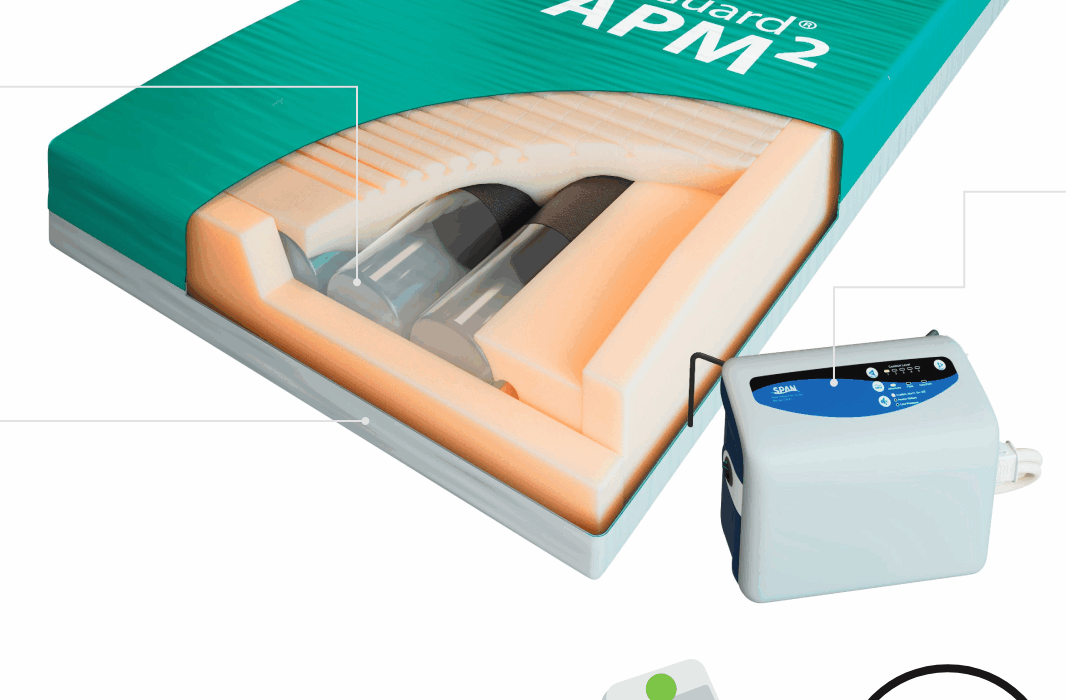
Beneath the cover lies the exclusive Geo-Matt® anti-shearing surface. This innovative design features over 800 individually responsive cells that conform to the patient’s body contours. By increasing the surface area of contact, Geo-Matt technology effectively redistributes pressure away from vulnerable bony prominences like the sacrum and heels. Furthermore, the segmented design significantly reduces shear and friction—two mechanical forces that often accelerate skin breakdown during patient movement.

Safety Edge™ Bolster System

Falls and entrapment are significant concerns when using dynamic air surfaces. The APM2 Deluxe addresses this with its patented Safety Edge™ Bolster System. This two-part bolster design features a firm foam perimeter that provides superior edge-of-bed stability.

For nurses and physical therapists, this stability is crucial during patient transfers. It provides a solid platform for the patient to sit on the edge of the bed (egress), facilitating safer sit-to-stand movements and supporting early mobility protocols. Unlike air-only bolsters that can collapse under weight, the Safety Edge remains firm, minimizing the risk of patient falls and preventing entrapment between the mattress and side rails.

Intuitive Control for Streamlined Care

Advanced technology should not equate to complexity. The PressureGuard APM2 Deluxe features a state-of-the-art digital control unit designed for intuitive operation. The lightweight, quiet pump integrates seamlessly into the care environment without adding noise pollution.

Smart Features for Busy Nurses

The control unit is equipped with features that directly support the nursing workflow:

  • Timed “Auto Firm” Mode: With a single button press, the mattress transitions to a firm, stable surface for 20 minutes. This is invaluable for nursing procedures, dressing changes, ADLs, and patient transfers. It ensures a stable platform when you need it and automatically reverts to the selected therapy mode afterward, ensuring the patient is never left on a firm surface indefinitely.
  • Audible Alarms: Low pressure and power failure indicators provide immediate audio cues, allowing staff to address potential issues instantly.
  • Effortless Adjustability: Caregivers can easily fine-tune comfort settings to match the patient’s weight and preference, ensuring optimal compliance and satisfaction.

Durability and Infection Control

In the era of rigorous infection control protocols, the durability of medical equipment is non-negotiable. The APM2 Deluxe is built with the LifeSpan™ stretch fabric cover, a polycarbonate-fortified material designed to withstand the harshest hospital environments.

This specialized fabric resists damage from bleach and aggressive disinfectants, ensuring the cover maintains its integrity over time. It is fluid-resistant, anti-microbial, and flame-resistant, providing a robust barrier against contamination.

Furthermore, the system includes Shear Transfer Zones™ on the cover. These low-friction zones are strategically placed to glide patients back into position, protecting key areas like the heels, sacrum, and scapula from shear forces during boosting and repositioning.

A Strategic Investment in Patient Outcomes

The PressureGuard APM2 Deluxe is more than a mattress; it is a comprehensive risk management tool. By combining versatile therapy modes with advanced safety features, it directly addresses the root causes of hospital-acquired pressure injuries (HAPIs) and patient falls.

For facilities seeing an increase in high-acuity patients, investing in the APM2 Deluxe aligns with performance improvement goals. It supports WOCN standards for pressure ulcer prevention, facilitates safe patient handling, and enhances the overall patient experience.
Key Specifications

  • Weight Capacity: Supports up to 350 lbs.
  • Warranty: 18 months covering all components.
  • Medicare Code: E0277 (Group II) eligible.
  • Certifications: UL listed for safety and reliability.

The PressureGuard APM2 Deluxe represents the gold standard in versatile air therapy. It offers the clinical efficacy WOCN nurses demand, the safety features risk managers require, and the ease of use bedside staff deserve. By integrating this advanced surface into your care protocols, you are making a definitive choice to elevate patient safety and improve clinical outcomes.

Do not compromise on the quality of your therapeutic surfaces. Contact SPH Medical today to request a demonstration or order the PressureGuard APM2 Deluxe for your facility.

SPH Medical Geo-Mattress Ultra Max for Stretchers
CategoriesInfection Prevention,  Pressure Ulcer Prevention

Stretcher Mattresses and Infection Prevention: A Critical Link

Stretcher Mattresses: A Critical Infection Prevention Point

What is the single most overlooked surface in the fight against hospital-acquired infections (HAIs)? For many facilities, it’s the humble stretcher mattress—a constant-use item that can become a hidden reservoir for dangerous pathogens. Stretcher mattresses are the first and last surface many patients touch, yet their integrity is often neglected. A compromised mattress cover creates a direct vector for cross-contamination, undermining all other infection prevention efforts.

Replacing outdated and damaged stretcher mattresses is a non-negotiable component of any modern infection control program. The Geo-Mattress UltraMax for Stretchers provides the ultimate solution, engineered specifically to eliminate infection risk while enhancing patient safety and durability. This article will detail the immense infection risks posed by compromised stretcher mattresses and demonstrate why the Geo-Mattress UltraMax is the superior standard for preventing HAIs and protecting your patients.

The Hidden Threat: A Vector for Infection

A damaged stretcher mattress is not just a maintenance issue; it is a critical failure in your facility’s infection prevention barrier. These surfaces are subjected to constant use, high patient turnover, and harsh cleaning chemicals, all of which contribute to their eventual breakdown. When a mattress cover is compromised, it becomes an active threat to patient safety.

The Failure of Damaged Covers

The moment a stretcher mattress cover develops a crack, tear, or puncture, it loses its ability to protect the inner foam core. This failure of integrity allows bodily fluids, cleaning agents, and microscopic contaminants to seep inside. The foam core, now saturated with moisture and organic matter, becomes a perfect breeding ground for bacteria, viruses, and fungi.

This creates a hidden pathogen reservoir that cannot be reached by standard terminal cleaning procedures. Even the most rigorous surface disinfection is rendered useless, as the contamination thrives within the mattress itself. Every time a patient is placed on this compromised surface, they are directly exposed to a concentrated bio-burden, dramatically increasing their risk of acquiring a dangerous infection.

The Ineffectiveness of Cleaning Compromised Surfaces

Disinfectants are only effective on non-porous, intact surfaces. It is impossible to properly sanitize a cracked or torn mattress cover because pathogens remain shielded within the crevices and fissures. Staff can wipe down the surface repeatedly, but they will never eliminate the underlying contamination. Even if a mattress looks clean, its core can be heavily contaminated, posing a significant threat to every subsequent patient.

This failure in the cleaning process creates a false sense of security and a direct violation of infection control principles. Continuing to use a damaged stretcher mattress is an unacceptable risk that exposes patients and staff to a preventable source of cross-contamination.

Geo-Mattress UltraMax: A Superior Infection Barrier

The Geo-Mattress UltraMax for Stretchers is purpose-built to eliminate the risks of fluid ingress and pathogen transmission through superior design and materials. It is not just a mattress; it is an engineered infection control device designed to withstand the rigors of the hospital environment.

The Unbeatable Durability of the UltraMax Cover

The first line of defense is the advanced, fluid-proof, and tear-resistant cover. This material is engineered to handle the extreme demands of a high-traffic emergency department or patient transport setting. The bacteriostatic properties of the cover actively inhibit the growth of bacteria on the surface, providing an additional layer of protection between cleanings. This unparalleled durability ensures the mattress core remains sealed and protected from contamination.

Patented Design for Maximum Cleanability

The Geo-Mattress UltraMax features a patented design that eliminates the most common failure points found on standard mattresses. All seams are welded, not stitched, creating a seamless and impenetrable barrier against fluids. The zipper is covered by a protective flap, preventing contaminants from hiding in the zipper teeth.

This flapless and seamless construction ensures that hospital-grade disinfectants can reach and sanitize 100% of the mattress surface. This design feature guarantees effective infection control with every cleaning, aligning with the highest standards from AORN and ensuring your protocols are never undermined by faulty equipment design.

More Than Infection Control: Enhancing Patient Care

While infection prevention is paramount, the Geo-Mattress UltraMax also delivers unmatched patient safety and pressure redistribution benefits. It is a multi-functional therapeutic surface that enhances the quality of care from the moment a patient arrives.

Proven Pressure Redistribution with Geo-Matt Technology

Every Geo-Mattress UltraMax features the unique, segmented Geo-Matt design. This clinically-proven technology provides therapeutic support by creating hundreds of independent cells that redistribute pressure away from bony prominences. This is especially critical for patients experiencing long waits in the emergency department, as it actively protects them from developing hospital-acquired pressure injuries (HAPIs). For WOCN nurses and anyone focused on skin integrity, this feature turns every stretcher into a proactive tool for pressure injury prevention.

A Strategic Investment in Safety and Compliance

Replacing old mattresses with the Geo-Mattress UltraMax is a proactive investment in your facility’s financial health and reputation. By reducing the risk of HAIs and HAPIs, you mitigate the significant, often unreimbursed, costs associated with treating these hospital-acquired conditions. Furthermore, providing a safe and comfortable surface improves patient satisfaction scores (HCAHPS) and aligns your facility with national patient safety goals. It is a strategic decision that demonstrates a powerful commitment to risk management and quality care.

Outdated and damaged stretcher mattresses are a clear and present danger to your infection control program and your patients. They create unacceptable risks that are entirely preventable with the right technology.

The Geo-Mattress UltraMax for Stretchers provides the definitive solution—an impenetrable infection barrier combined with proven pressure injury prevention. It is the most advanced, durable, and safest stretcher mattress available, engineered to meet the highest standards of care. By investing in this superior technology, you are not just buying a mattress; you are fortifying your facility’s defenses against infection and injury.

Stop exposing patients to unnecessary risk. Contact SPH Medical today to learn how upgrading to the Geo-Mattress UltraMax can fortify your infection prevention protocols and elevate your standard of patient care.

Elevate your standard of care immediately, contact SPH Medical to order your new Geo-Mattress UltraMax replacement stretcher pads now.

Makrite NIOSH certified N95 respirators by SPH Medical Inc
CategoriesInfection Prevention

Makrite N95 Masks for Healthcare Worker Safety

Fortifying the Frontline: Why Makrite N95 Masks Are Essential

As flu season approaches and new respiratory virus strains emerge, the risk to frontline healthcare workers intensifies. For nurses and other clinical staff, the daily environment is one of constant exposure, making personal protective equipment (PPE) the most fundamental line of defense. In this high-stakes setting, not all protection is created equal. Proven, high-quality respiratory protection is paramount.

This article will reinforce the critical importance of NIOSH-approved N95 respirators in protecting hospital staff from airborne threats. We will detail why Makrite N95 masks are a trusted and superior choice for infection control, highlighting their specific features, reliable performance, and indispensable role in a comprehensive facility safety program. In an environment of evolving respiratory threats, providing consistent access to reliable PPE like Makrite N95 masks is a non-negotiable component of ensuring healthcare worker safety and maintaining hospital operational readiness.

The Escalating Threat: Respiratory Viruses in Healthcare

The fall and winter months present a perfect storm of respiratory illnesses. The convergence of seasonal influenza, new COVID-19 variants, and other pathogens creates a complex and dangerous landscape, particularly within the walls of a hospital.

A Perfect Storm of Pathogens

Healthcare facilities are epicenters for airborne transmission. The close proximity to infected patients, combined with frequent aerosol-generating procedures, creates a high-risk environment for the spread of respiratory viruses. For nurses, physical therapists, and other direct care providers, every patient interaction carries a potential risk of exposure. As new virus strains emerge, often with unknown transmissibility or severity, the need for uncompromising protection becomes even more urgent. Protecting staff is not just about individual well-being; it is essential for preventing facility-wide outbreaks and ensuring the continuity of patient care.

The Unwavering Importance of NIOSH-Approved N95s

In this context, it is crucial to understand the difference between standard surgical masks and N95 respirators. While surgical masks can prevent the spread of larger droplets from the wearer, they do not provide a secure seal or filter out the smaller airborne particles that transmit diseases like influenza and COVID-19.

NIOSH-approved N95 respirators are the gold standard for respiratory protection. The “N95” designation signifies that the respirator filters at least 95% of airborne particles. More importantly, they are designed to form a tight seal against the face.  A proper fit ensures that inhaled air is drawn through the filter material rather than leaking in around the edges. Guidelines from both the CDC and OSHA mandate the use of N95 respirators for healthcare workers exposed to airborne infectious agents, confirming their status as essential safety equipment.

Why Makrite N95 Masks Are the Gold Standard

Among NIOSH-approved options, Makrite N95 masks stand out as a superior choice for protection, reliability, and user compliance. Their design and construction reflect a deep understanding of the needs of frontline healthcare professionals.

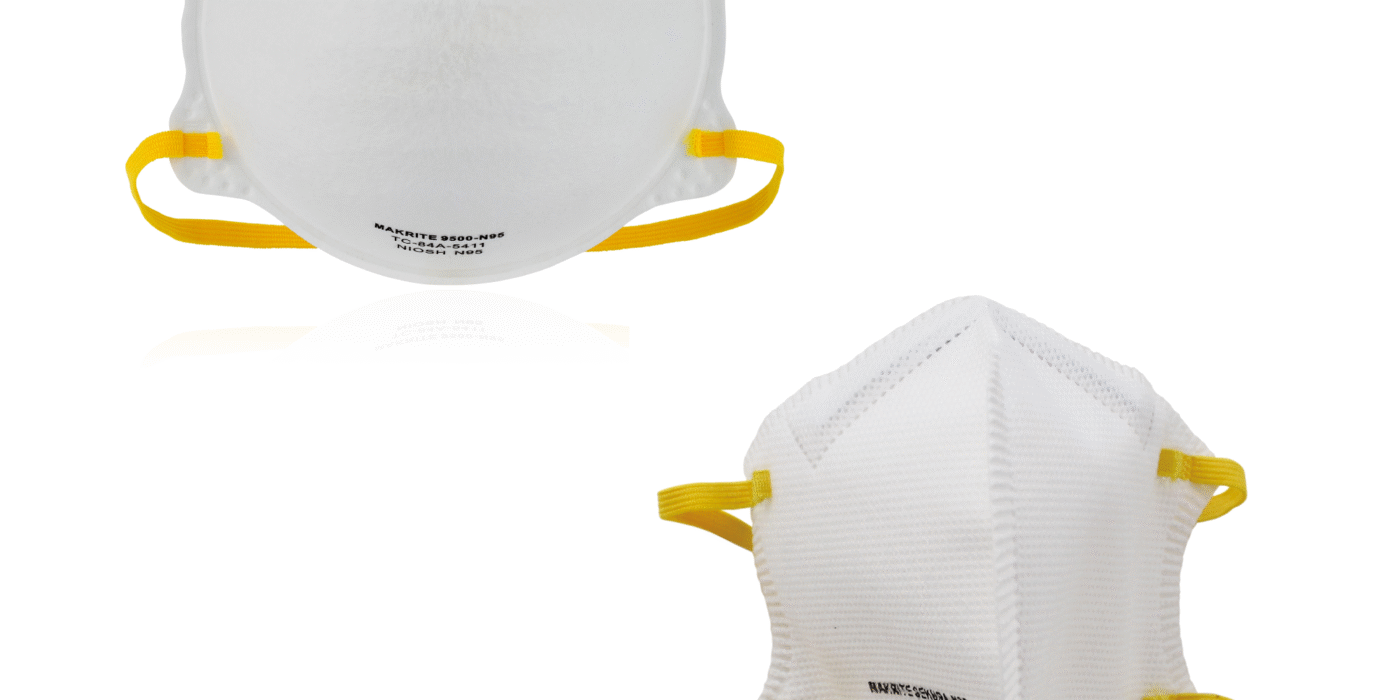
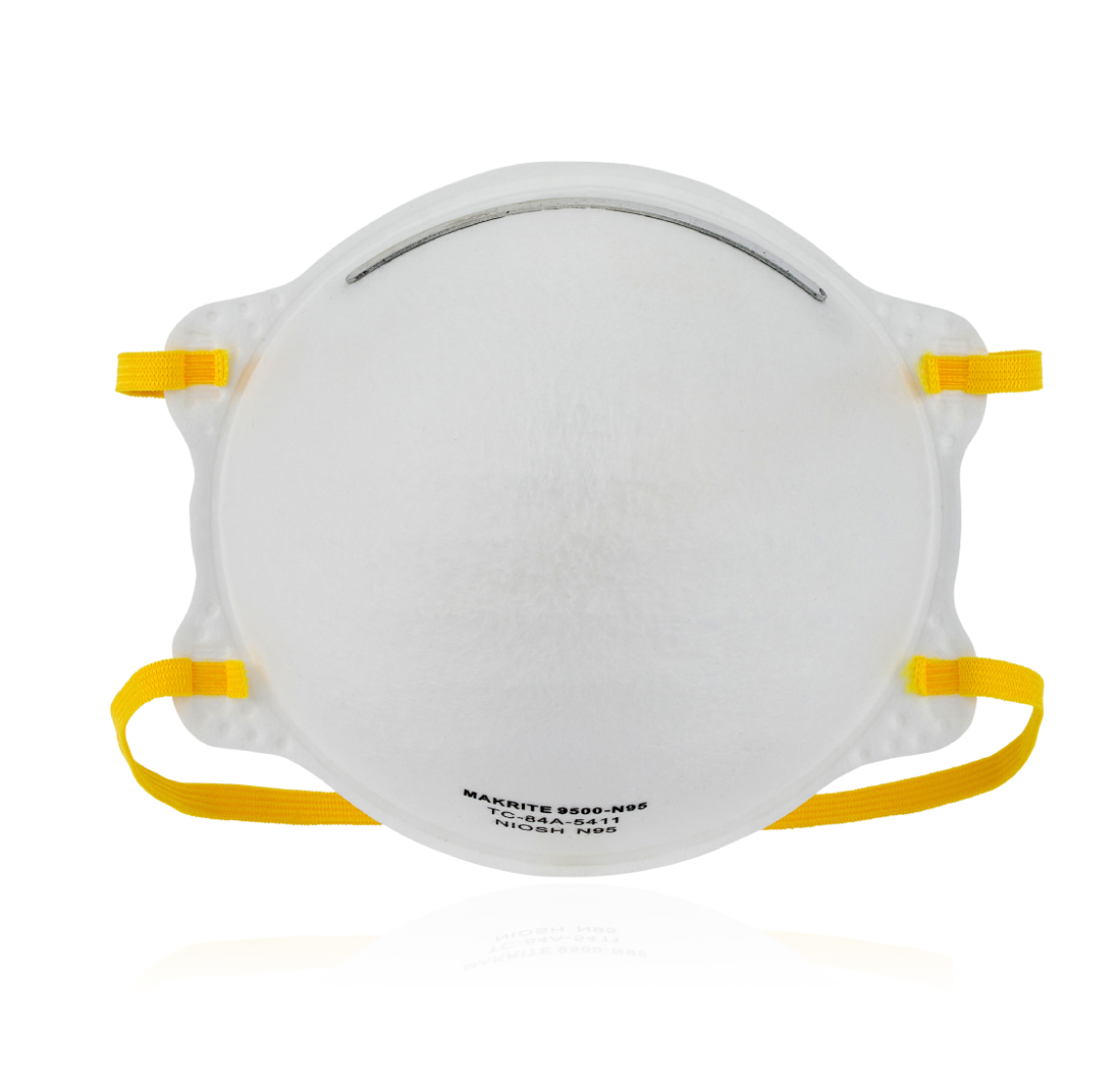
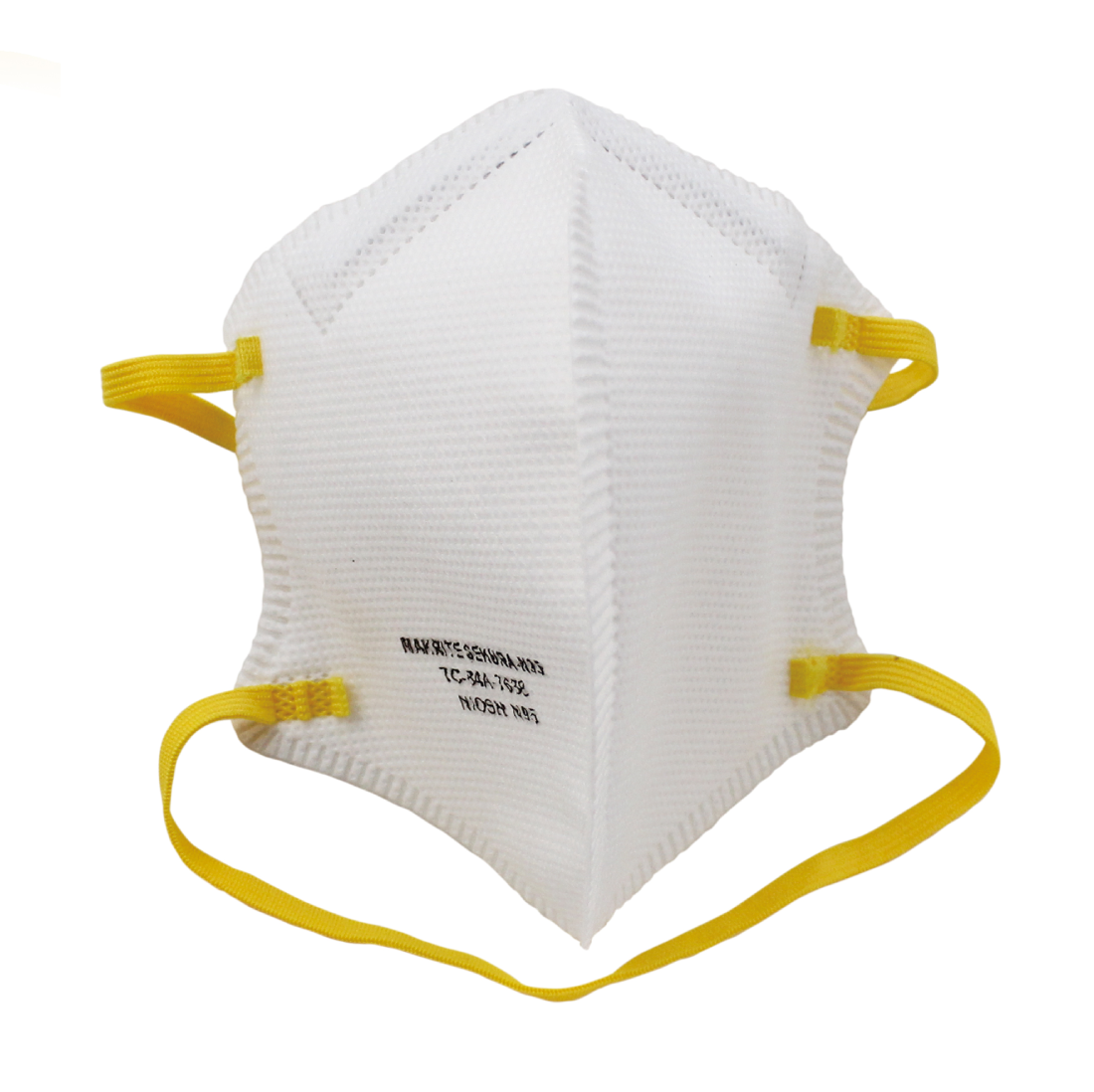
Uncompromising Filtration and a Secure SealMakrite N95 masks are NIOSH certified for safety

The core function of an N95 respirator is protection, and Makrite delivers with uncompromising quality. The masks are constructed with high-quality, electrostatically charged filter material that meets and often exceeds NIOSH standards for particulate filtration.

However, filtration is only effective if the mask fits properly. Makrite has engineered its masks to provide a secure and reliable seal across a wide range of face shapes and sizes. Features like a durable, adjustable nosepiece and strong, comfortable head straps allow for a customized fit that minimizes leakage. For any hospital, ensuring a proper fit through qualitative or quantitative fit testing is a critical step in a respiratory protection program. And Makrite’s design facilitates this process, increasing the likelihood of a successful seal for more of your staff.

Designed for All-Day Comfort and Wearability

For an N95 mask to be effective, it must be worn consistently and correctly. A common barrier to compliance is discomfort, especially during long 12-hour shifts. Makrite addresses this head-on with features designed to enhance comfort and wearability.Makrite N95 masks offer comfort and safety

The masks are remarkably lightweight, reducing facial fatigue over extended periods. A soft inner lining prevents skin irritation, while the overall construction is designed to be breathable. This design reduces the buildup of heat and moisture inside the mask. These thoughtful design elements make a significant difference for the end-user. A comfortable mask is a mask that will be worn properly, ensuring that the protection it offers is never compromised. This focus on user experience is key to driving compliance throughout your facility.

Integrating Makrite N95 Masks into Your Safety Protocol

Having the right equipment is only part of the solution. A successful safety strategy involves a reliable supply chain and integrating the use of N95s into a broader infection control program.

Ensuring a Reliable Supply Chain

The early days of the COVID-19 pandemic highlighted the critical vulnerability of PPE supply chains. Hospitals cannot afford to face shortages of essential equipment. Partnering with a dependable supplier is crucial for preparedness. Makrite has a proven track record of supply chain stability, providing facilities with the confidence that they can secure the inventory needed to protect their staff throughout the entire flu and winter season.

The Role of N95s in a Multi-Faceted Strategy

Makrite N95 masks are a cornerstone of a comprehensive infection control strategy, but they work best in conjunction with other measures. These include rigorous hand hygiene protocols, consistent environmental cleaning and disinfection, and proper ventilation.

Furthermore, ongoing staff education and training are essential. This includes initial and annual fit testing to ensure every employee has a respirator with a proper seal.  And also training on the correct procedures for donning and doffing PPE to prevent self-contamination. By embedding the use of Makrite N95s within this multi-faceted approach, as recommended by organizations like the CDC and WHO, hospitals can create a robust defense against respiratory threats.

As we face another challenging respiratory virus season, protecting our frontline healthcare workers is paramount. They are the most valuable asset in our healthcare system. Makrite N95 masks provide the proven, reliable, and comfortable protection necessary to keep staff safe. Makrite N95’s also reduce viral transmission within facilities, and ensure the unwavering continuity of patient care. Providing this level of protection is a direct investment in the safety and well-being of your team and the patients they serve.

Don’t wait for the winter surge. Fortify your infection control strategy and protect your staff by securing your supply of trusted Makrite N95 masks.

Breathable Repositioning Sheets that are disposable
CategoriesInfection Prevention,  Patient Handling,  Slings and Lifts

The Importance of Disposable Repositioning Sheets for Patient Care

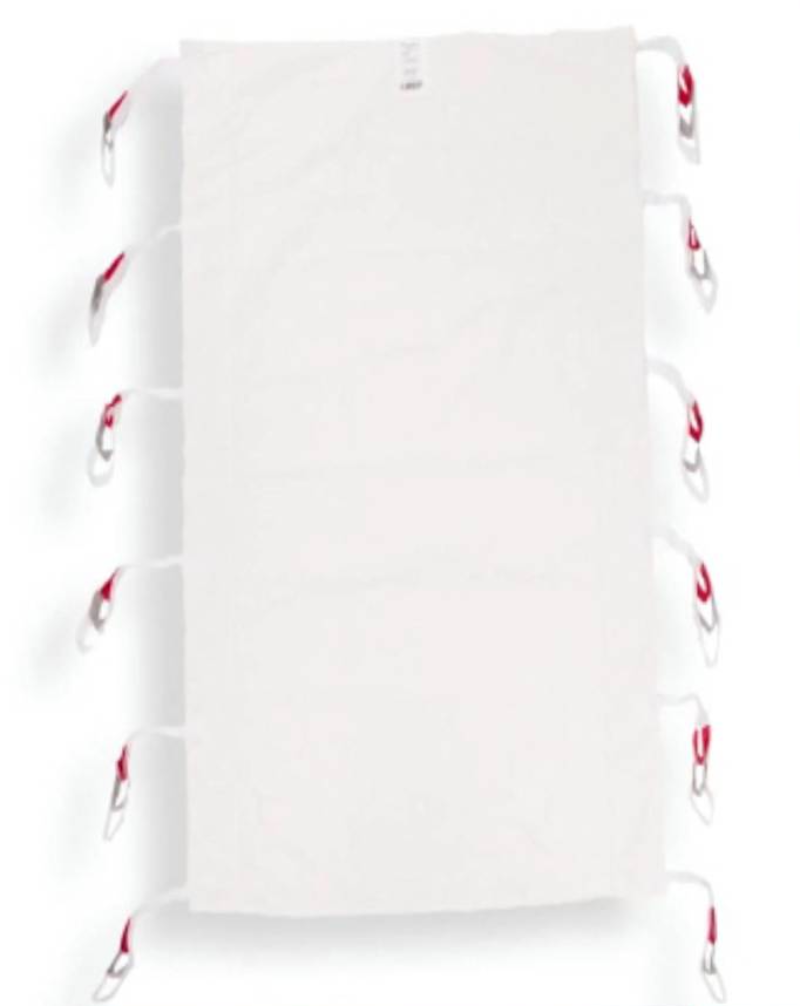
It is no secret that working as a nurse can be physically demanding and often leads to experiencing injuries while on the job. Preventing these disorders in nursing work environments should be a top priority. One way to reduce the risk of injury for nursing staff is through the implementation of appropriate patient lift systems, specifically disposable repositioning sheets. The disposable repositioning sheet has become increasingly popular in recent years due to their compatibility with any hook and loop patient lift, ability to reduce injury risk, and improve efficiency of patient care and comfort.

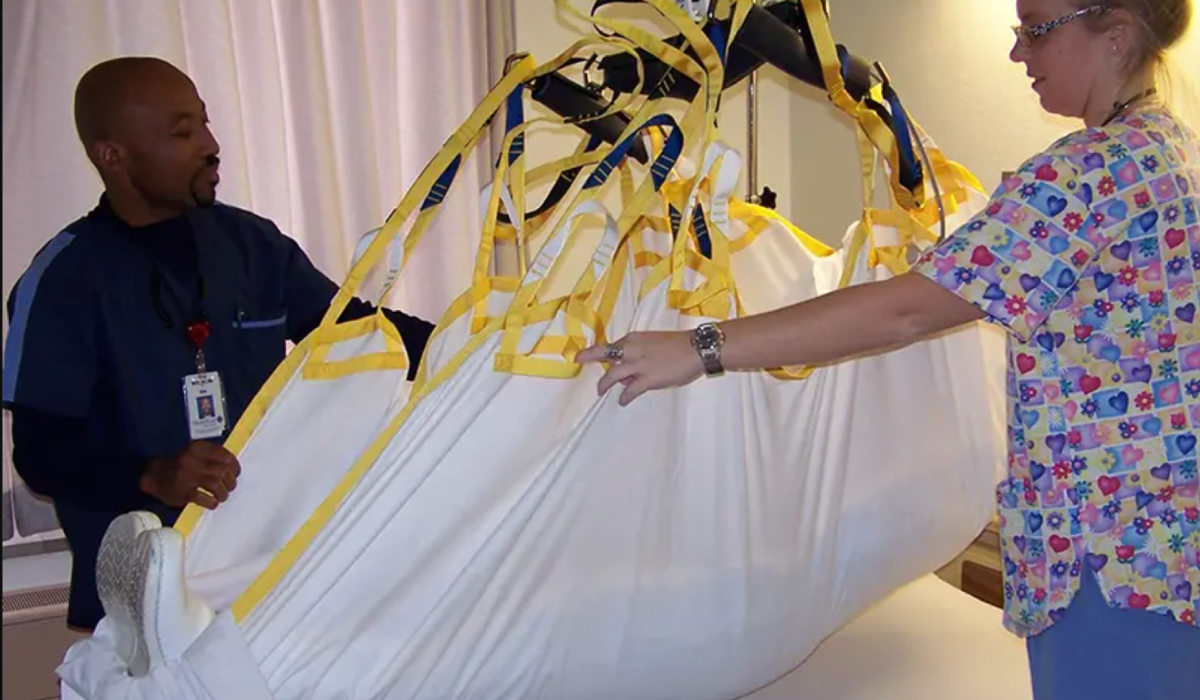
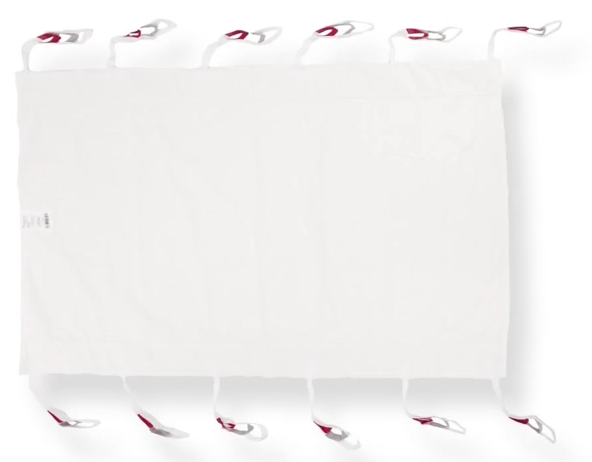
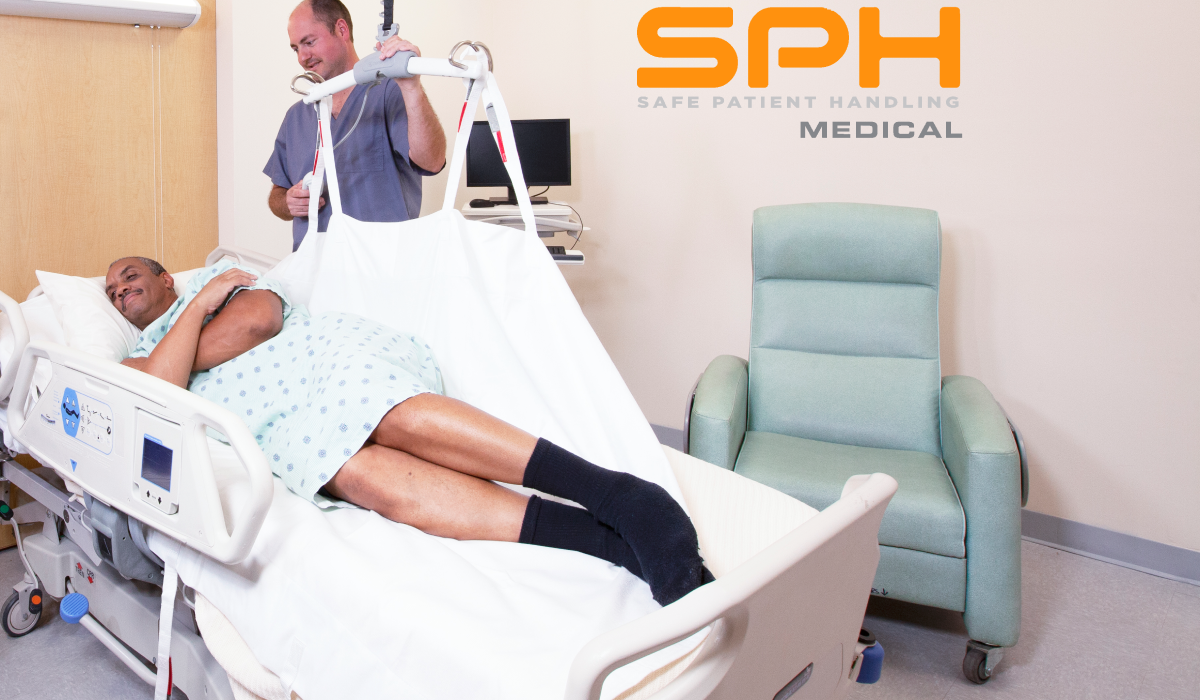
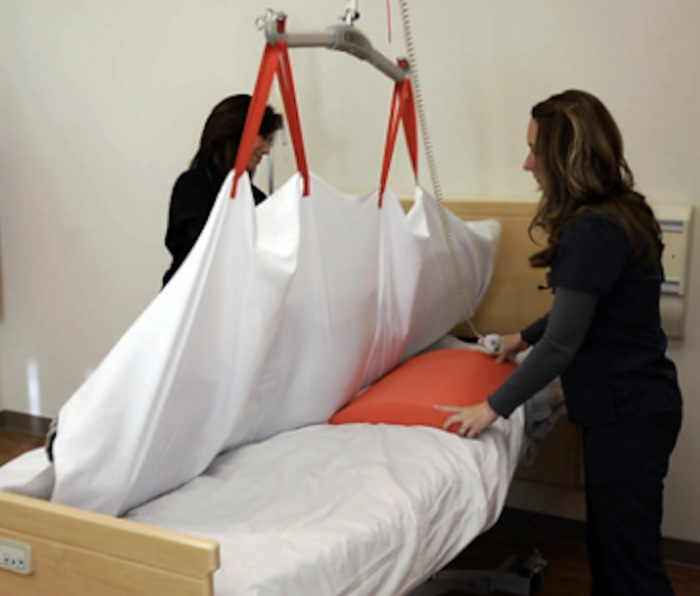
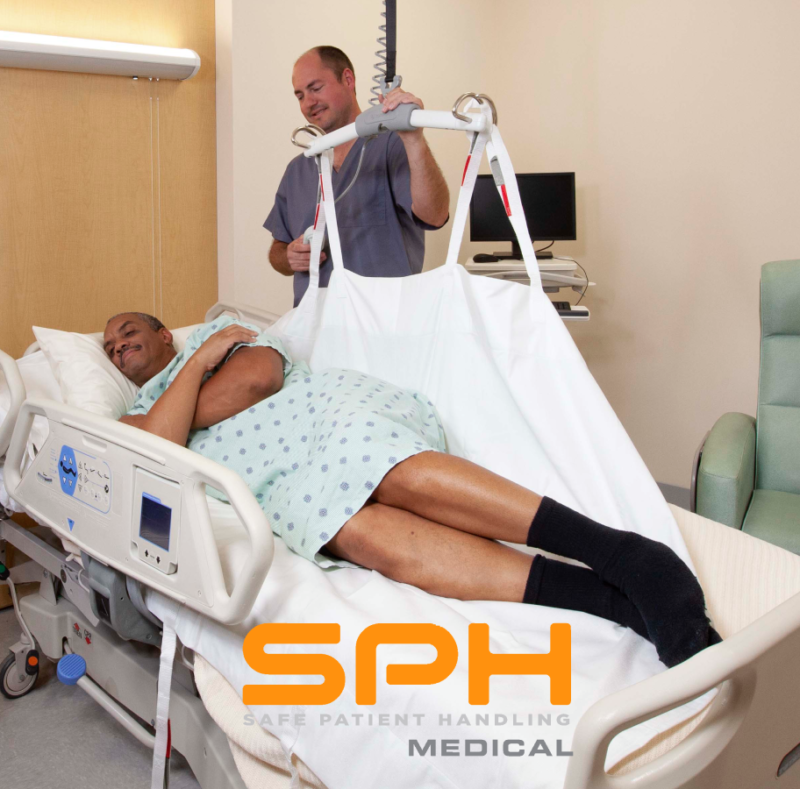
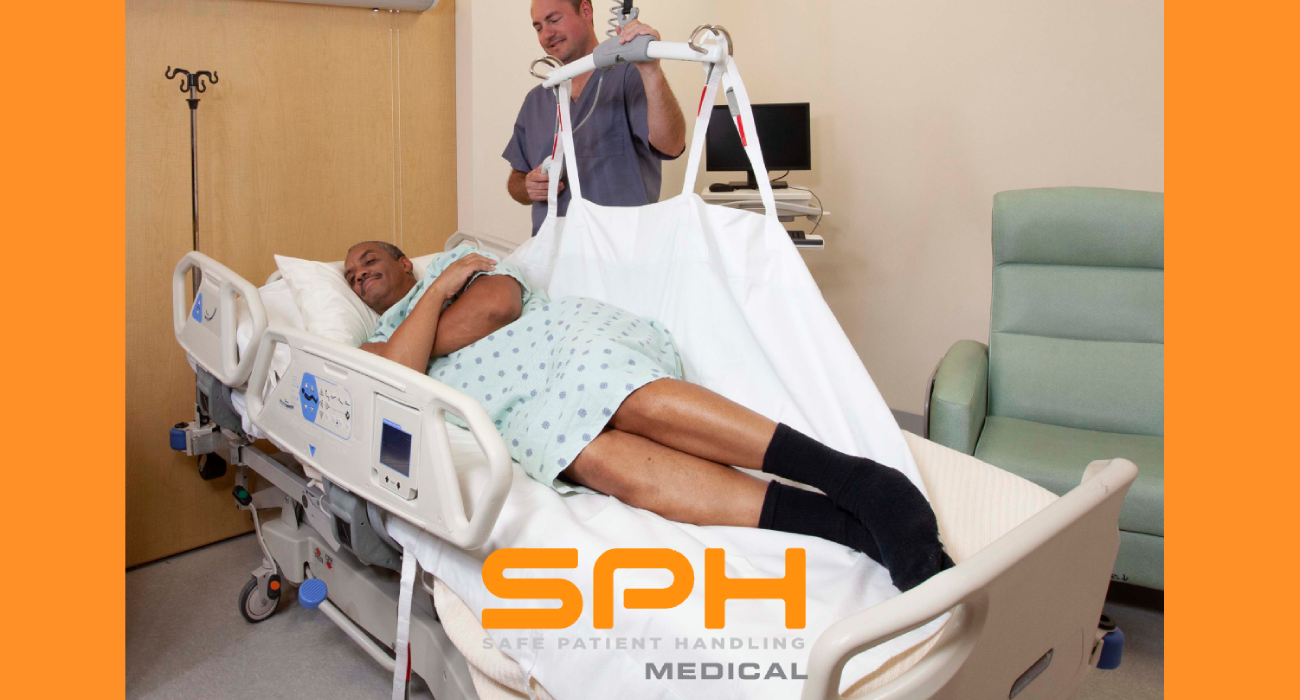
Disposable repositioning sheets are made of breathable material and are designed to work in combination with overhead patient or mobile lifts. They are ideal for patients who are unable to get out of bed or move on their own, and are used to help reposition or turn them in a manner that is safe for the patient and the nurse. Choosing the right sheet is important. The sheet should be designed to minimize friction and shear forces between the patient’s skin and the bed or other surface. This helps prevent skin breakdown and reduces the risk of pressure ulcers.Reduce Nursing Injuries when repositioning patients

Disposable sheets are an ideal solution for patient care in a hospital or long-term care facility. They are intended for single use, which makes it easy to reduce cross-contamination in patient rooms. They are also cost-effective, considering the overwhelming workload that nursing care professionals undergo every day. This, combined with the need for better patient comfort and reduced pressure ulcers, makes these sheets an essential addition to any nursing care environment.

One of the primary benefits of using disposable repositioning sheets is that they help to prevent injuries. Nurses and physical therapists who use these sheets report that they have experienced fewer injuries as a result. In fact, the right sheet can even help nurses avoid injuries in the long-term by reducing the physical strain of the job on the body.

Another benefit of using disposable repositioning sheets is that they help streamline the patient care process. Using mechanical assistance to reposition and turn patients makes the tasks easier and more efficient for nurses. This helps nurses to do their jobs better and faster, which in turn can have a positive impact on patient outcomes.

In conclusion, the disposable repositioning sheet has become an essential tool for nursing care professionals. The right sheet can provide the necessary support for patients, reduce the risk of injuries to nurses, and streamline the patient care process. Choosing high-quality sheets is important and is a decision that should be based on careful consideration of the needs of the patient and the nursing environment. By using these sheets, nursing professionals can provide better patient care with fewer risks of injury to themselves. Overall, nurses and physical therapists must continue to adapt to using new and innovative solutions to improve patient outcomes and work conditions.

Disposable Repositioning Sheets prevent back injuries

Contact SPH Medical today to get a quote for single patient use repositioning sheets.

Repositioning Sheet reduces risk of injury to Nurses
CategoriesInfection Prevention,  Patient Handling,  Slings and Lifts

The Importance of Disposable Repositioning Sheets in Reducing Injury Risk for Nurses

Patient Lifting and Disposable Repositioning Sheets

Nursing is a demanding profession that often requires the physical lifting and repositioning of patients. Unfortunately, this task can lead to injuries for nurses, many of which can be prevented through the implementation of the appropriate patient lift systems. An increasingly popular solution is the use of disposable repositioning sheets. These sheets can greatly reduce the risk of injury while simultaneously improving the efficiency of patient care and patient comfort. In this blog post, we’ll explore the benefits of using disposable repositioning sheets and how to choose the right one.

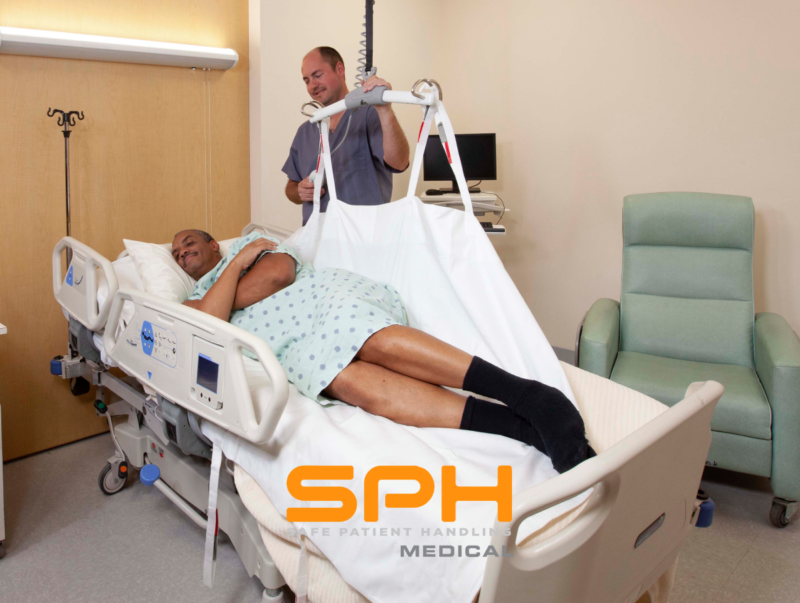
One of the significant benefits of using disposable repositioning sheets is the reduction of injury risk for nurses. By utilizing mechanical assistance to reposition and turn patients, nurses can avoid the physical strain that often leads to musculoskeletal disorders. Musculoskeletal disorders are the leading cause of injury for healthcare workers, with approximately $7 billion in workers’ compensation costs incurred each year. By using disposable repositioning sheets, these costs can be minimized while simultaneously improving patient care.

When choosing a disposable repositioning sheet, it’s essential to consider its breathability. Sheets that are not breathable can lead to heat and moisture build up and skin breakdown for patients. The most popular materials for disposable sheets are non-woven, cotton-poly blend, spun-bound material, or combinations of both. SPH Medical offers single patient use sheets that have been tested to ensure they are breathable, comfortable, and offer the necessary durability required for efficient patient repositioning.  In addition they offer a 1000lb weight capacity to ensure all patients can be safety repositioned and turned.

Another important factor to consider when selecting disposable repositioning sheets is its size. Sheets come in a variety of sizes, and selecting the appropriate size is crucial to ensure the patient’s maximum comfort and safety. Sheets that are too small can cause friction and skin irritation, while sheets that are too large can drape too far over the edge of the bed and straps can touch the floor.  SPH Medical offers three sizes of breathable repositioning sheets to fit every need.

Disposable repositioning sheets also offer clinicians the convenience they need. They are easy to stock as a supply item and can be kept on the unit for easy access. Sheets can be disposed of after they are used, eliminating the need for laundering, which can be time-consuming and costly.Reduce risk of Injury to Nurses during repositioning

How many hospital owned specialty items get lost in the dreaded laundry system? Some hospitals report loosing hundreds of thousands of dollars of launderable slings and sheets in the laundry. The challenge has been primarily with outside laundry service providers.  They don’t take responsibility for customer owned goods and charge a significant amount per item to launder them.  The disposable nature of the sheets also prevents cross-contamination between patients and contributes to maintaining a cleaner and safer environment for nurses and patients.

Disposable repositioning sheets are gaining popularity because of their ability to reduce injury risks for healthcare workers while improving patient comfort and care. In this blog post, we’ve discussed the benefits of using disposable repositioning sheets, including their breathability, appropriate sizing, and convenience. Selecting the right sheet for each patient is important, and those who work in the nursing profession should ensure that they have access to these sheets in on the hospital floor where they are needed on a daily basis to provide the best patient care possible, boosting and turning patients.  Nurses are important to the hospital and so is their safety and well being.  Using breathable repositioning sheets is a wise investment for hospitals who care about the safety of their nurses and patients.

Visit the product page to learn more about SPH Medical’s breathable repositioning sheet which has now become the standard of care for many leading hospitals across the country.

Nurses are still getting injured while catching a falling patient. Use the EPD for improved safety during epidurals.
Categoriesair transfer systems,  Infection Prevention,  Patient Handling,  Slings and Lifts

Why Are Nurses Still Getting Injured?

Healthcare workers and nurses in hospitals and nursing homes are susceptible to musculoskeletal injuries because for the most part they are still manually repositioning and moving patients. The high frequency of manually lifting moving and transferring patients poses many risks to the nurses. This is now a well known and well documented risk, and yet still a question; why are nurses still getting injured?  The VA Patient Center of Inquiry began researching healthcare worker injuries decades ago and determined that safe and ergonomically designed assistive equipment both improves patient care and minimizes musculoskeletal nursing injury to caregivers.

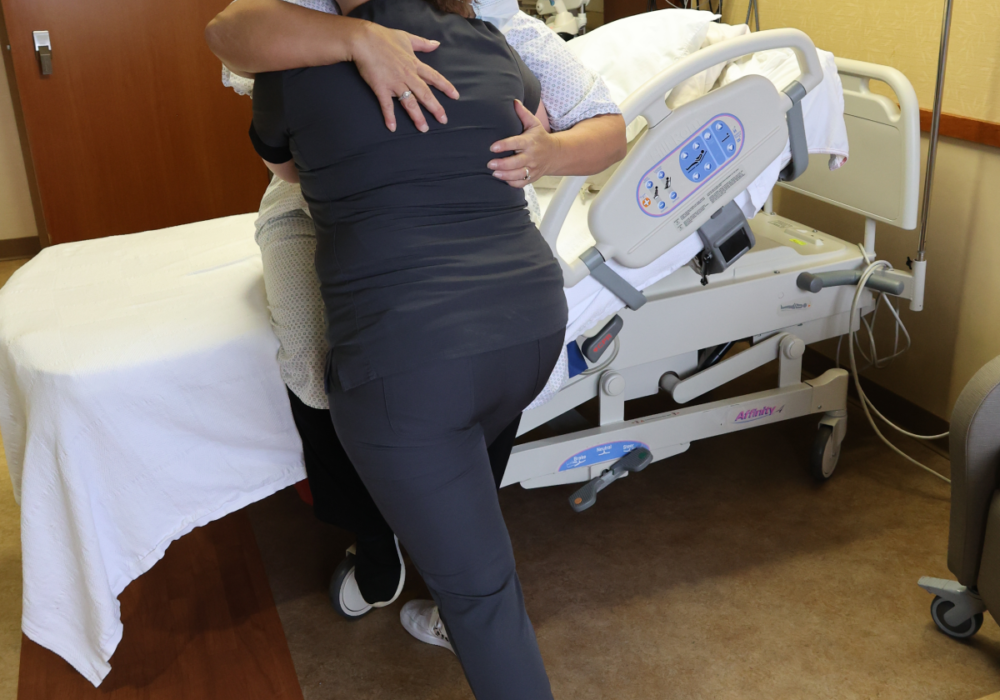
The SPH Medical Air Transfer and Positioning Mat is the ideal solution for mostSPU Breathable Air Transfer Mattress reduces nurse injuries hospital wide safe patient handling programs to help nurses avoid many of the predictable patient handling tasks.  The Occupational Safety and Health Administration (OSHA) recommends that healthcare workers lift a maximum of 35 pounds. That means no more than 35 pound per person if one or two nurses are helping a patient.  Most patients weigh above 180 pounds and manually lifting them, or attempting to reposition them up in bed, causes overexertion, sprains, strains, and may lead to a career ending back injury.

With the alarming fact that nurses still getting injured in a work environment, SPH Medical decided to do something about it. That’s where SPH Medical Air Transfer and Positioning Mat makes a measurable difference in hospital departments. This tool is integrated into everyday patient care to support the safe handling of patients. It also eliminates the need for manual patient transfers and mitigates the risks of nurses’ injuries. Nurses and healthcare workers can use the SPH Medical Air Transfer and Positioning Mat in the following circumstances:

Repositioning of Patients

Repositioning is the general task of caring for a bed ridden patient by boosting or turning them or any other in bed positioning. The primary purpose of repositioning patients in bed is often to alleviate pressure on their tissues and bony prominences to prevent the development of pressure ulcers. Nurses are required to change the position of a patient after every two hours.

This process is also known as boosting up in bed a patient. Bed-ridden patients who have slid down the bed need boosting up in bed to acquire proper alignment and prevent bed sores.

The activity is high-risk and will cause repositioning injury if the appropriate slings, sheets, and lifts are not used. The awkward healthcare worker’s posture and the patient’s weight may contribute to musculoskeletal injuries. Since the task is performed several times a day, it increases the likelihood of injuries.

The Disposable Air Transfer System provides nurses with a seamless and safe way to move patients. The mattress is inflated by a blower to release air out of the bottom via the multiple small pin holes. This creates a thin layer of air at the bottom of the mattress which minimizes friction. Less lifting and pulling are indispensable, thus posing minimal risks to patients and nurses.

Nurses Still Getting Injured During The Lateral Transfer

Lateral transfer is moving patients from one surface or bed to another. The traditional way of pulling patients using sliding boards or draw sheets is quite dangerous. Many nurses still getting injured when transferring a patient. According to the National Library of Medicine, 97.3% of the nurses lodged a complaint of work-related pain in a research on work-related musculoskeletal pain occurrence.

Air Powered transfer systems are the most preferred tools in lateral transfer. They make a thin air cushion at the inflated mattress’s bottom. This method helps minimize friction and ensure patients stay afloat as they are transferred from one surface to another.

Top Advantages of the Air Transfer Systems

  • Disposable Items: The Transfer Mats are for single-use and are disposable types. Although they are labeled as disposable, you can use them on one patient multiple times until they no longer need them or are soiled. Thus they prevent cross-contamination and hospital-acquired disease transmission.
  • No Need for Laundry: Laundry does not offer 100% bacteria elimination, especially when under substandard conditions. The fabric slings are made of porous materials, and bacteria and pathogens can be trapped in the crannies and nooks. Using such slings on patients makes them vulnerable to infections. But the disposable repositioning sheets and slings don’t require laundry and you can dispose them after use.
  • Offers Better Management of Inventory: The single-use mats and slings are easier to monitor and relatively accessible. Also, health workers don’t have to wait for 3- days for the slings and sheets to be laundered and returned to the hospital. In the long run, they offer ultimate convenience.
  • Designed with the Safety of Nurses and Patients in Mind: Manual handling of patients causes strains, sprains, and low back pain for the nurses. The old-fashioned method also causes friction and tissue damage in patients. But the Air Transfer System reduces the need to lift and pull patients, thus preventing common musculoskeletal disorders. They are also designed with breathable and soft materials that do not irritate the patients.

SPH Medical’s assistive solutions minimize injuries and pain for nurses and patients. There are essential items for nursing facilities and medical centers that assist in preventing nurse injury, repositioning, and boosting up in bed of patients.

Nurses are still getting injured from repositioning but not when using SPH Medicals breathable repositioning sheet.

Oxydiff provides a highly effective no rinse no wipe disinfection of hard surfaces
CategoriesInfection Prevention

Preventing Hospital Acquired Infections

Environmental Disinfection To Prevent Hospital Acquired Infections (HAI’s)

Hospital Acquired Infections (HAI’s) are a common cause of death in healthcare facilities and represent a significant cost burden. A recent study found that influenza-associated hospitalization affected 156,097 people in Germany. However, many of these infections could be prevented by proper cleaning and disinfection of the environments in which they occur.  Hospitals are challenged with having sick patients that come in from the community with transmittable diseases that can often put other patients at risk.  In other cases like patients who develop Clostridium Difficile infections while in the hospital can also transmit this very difficult to kill, spore forming bacteria, to nurses, objects, or surfaces where the spores can survive for months.  For this reason a focus on environmental disinfection of patient care areas and surgical suites is absolutely critical.

Top Stubborn Pathogens That Cause Hospital Acquired Infections

Several resistant organisms cause significant problems in healthcare facilities. The CDC has identified the following as the most common multidrug-resistant healthcare-associated pathogens:

  • MRSA
  • Clostridium deficile
  • CRE
  • Pseudomonas aeruginosa
  • Norovirus

What Are The 5 Common Challenges Facing Healthcare Facilities In Environmental Disinfection?

Unfavorable Structural Design

Two central issues facing healthcare facilities are the design of their physical plant and the limitations that these restrictions imposed on the disinfection process. Structurally, healthcare facilities are often built with materials that inhibit disinfection. The most common example is the glazed tile, often used in hospitals to protect against infection. This surface is difficult to disinfect and can also harbor organisms.

Overcrowded Hospital Units

Another challenge facing healthcare facilities is the overcrowding of patients. This increases the number of patients in beds, chairs, and others, leading to further contact with surfaces in the patient’s environment. It also leads to more cross-contamination of surfaces as staff must frequently change linens or clean bedding on these beds.

Poor Toilet Sanitation

Toilets present a significant challenge because of poor sanitation and maintenance. The CDC reports a significant number of inpatient facilities have poorly sanitized toilets. Contamination of these surfaces can be spread between patients and other areas in the facility.

Misuse Of Handwash Sinks

Handwashing stations are in important tool in fighting infections and cross contamination.  However they can also be are a central focus of environmental contamination in healthcare facilities. There can be a significant amount of bacterial contamination that occurs on these sinks. Therefore, cross-contamination is risky between areas without proper cleaning and disinfection.

Hospital Waste Management

Finally, hospital waste management presents particular risks to environmental hygiene. Healthcare facilities dispose of their used items in many ways. The inappropriate handling of these items can lead to toxic pathogens, which may be dangerous to patients.

What Are The CDC Guidelines For Hospital Disinfection?

Infection control in hospitals is critical to preventing organisms from infecting patients. This includes the disinfection of surfaces touched by the hands or clothing of healthcare personnel, patients, or visitors to prevent disease transmission.

There are guidelines developed by the federal government and the CDC which require hospitals to disinfect their patient rooms after each day. The guidelines state that room surfaces, such as floors, walls, and toilets, should be disinfected with a recommended detergent solution every 24 hours. Additionally, healthcare facilities should perform surface disinfection of rooms where patients change linens or bedding frequently.

How Do You Perform Disinfection?

The CDC guidelines recommend that healthcare facilities disinfect their patient rooms using a multi‐component, antimicrobial system to remove bacteria resistant to antibiotics that can cause infection. The recommended EPA approved product for these surfaces is Oxydiff.

Why Use Oxydiff?

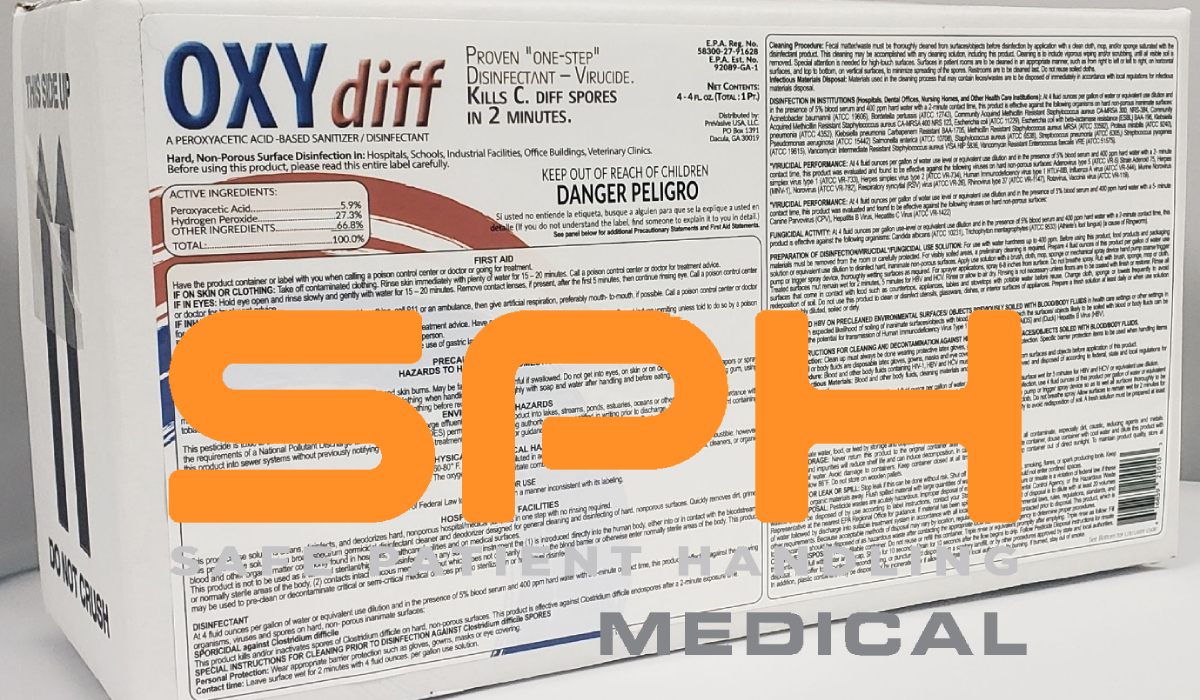
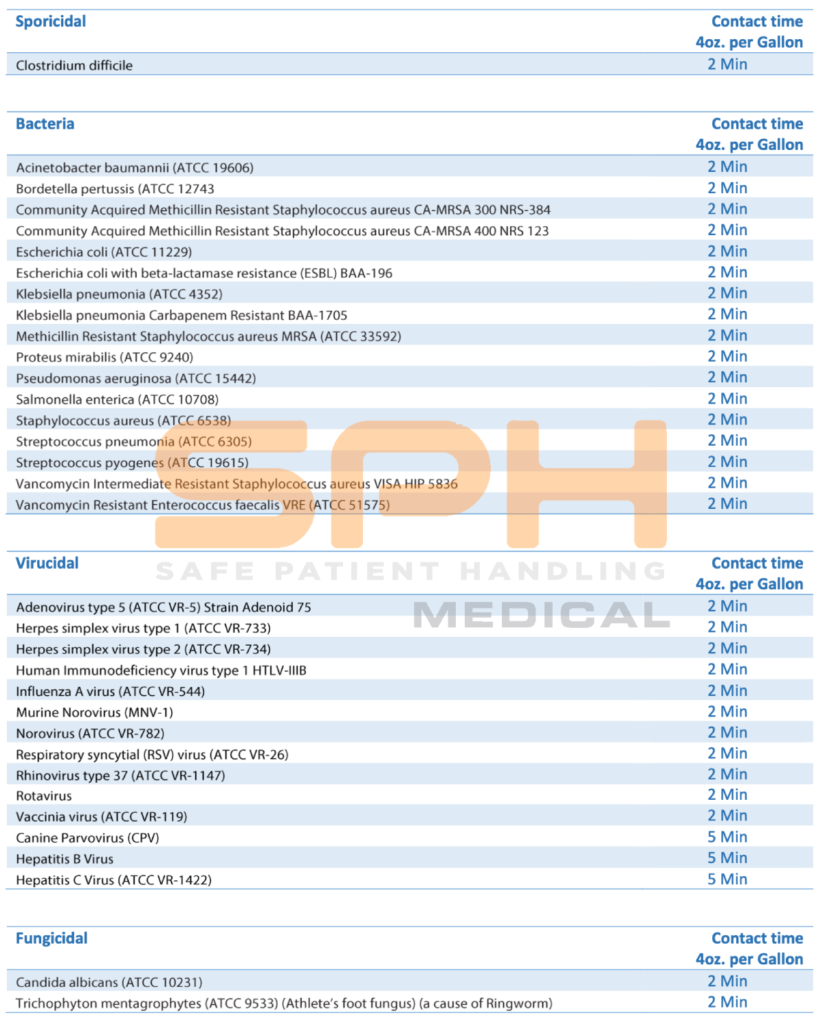
The chemical solution is a broad-spectrum disinfection EPA approved to kill C. diff spores in 2 minutes and an extremely wide range of other organisms, including viruses, fungi, and molds. The solution is also non-corrosive and is rinse-free after application. It allows for efficient disinfection because it is easy to apply with a sprayer, mop, or cloth. It costs about the same as other disinfectants but may be cheaper because its ease of application reduces personnel labor time.

Why Is Environmental Disinfection Critical To The Success Of Hospital Acquired Infections Prevention?

Environmental disinfection is critical to the success of Hospital Acquired Infections prevention because it reduces the overall cross-contamination within a given facility and thereby helps prevent the transmission of infectious organisms in healthcare facilities. In addition, it is also critical because it contributes to a cleaner environment and better patient health outcomes.

Hospital Acquired Infections Prevention Conclusion

Hospital Acquired infections are costly to hospitals and healthcare systems because they negatively impact patient care, patient satisfaction, staff turnover, and device failure rates. Hospitals must prioritize environmental disinfection in light of rising costs and potential loss associated with HAIs.

SPH Medical supports Environmental Disinfection to reduce HAIs
CategoriesInfection Prevention

Environmental Disinfection to Prevent HAIs

Environmental Disinfection to Prevent HAIs

Each year, about 1.7 million Americans get an infection while hospitalized, and about 99,000 die. This makes hospital acquired infections (HAIs) the eighth leading cause of death in the United States. The cost to hospitals for treating or to prevent HAIs is estimated to be as high as $28 billion per year.

The most common HAIs are urinary tract infections, pneumonia, and bloodstream infections. However, any infection in a hospital setting can be considered an HAI. They can be caused by various microbes, including bacteria, viruses, and fungi. Many different microbes can cause HAIs in hospitals. The most common include MRSA (methicillin-resistant Staphylococcus aureus), C. diff (Clostridium deficile), CRE (Carbapenem-resistant Enterobacteriaceae), Pseudomonas aeruginosa, and norovirus. Each of these pathogens poses a severe risk to patients, and some are resistant to multiple antibiotics.

Understanding Environmental Disinfection

Environmental disinfection is destroying harmful microorganisms on surfaces to prevent the spread of infection. Disease causing microorganisms can be spread from one patient to another on environmental surfaces such as bed rails, door knobs, and countertops.
Various methods can be used for disinfection, including washing with soap and water, exposure to ultraviolet light, and using chemicals. Advanced disinfectants are a new generation of chemicals that are EPA approved and designed to be more effective against a wider range of microbes.

One type of disinfectant is hydrogen peroxide vapor, which is effective against various bacteria, fungi, and viruses. Another type of advanced disinfectant is ozone, which can penetrate surfaces more effectively than other chemicals and is also effective against a wide range of pathogens. In addition, advanced disinfectants are often less toxic than conventional chemicals, making them safer for use in healthcare settings.

One of the most difficult to kill bacteria is C. diff spores, which can live on surfaces for months. Oxydiff is a new advanced disinfectant that kills C. diff spores in 2 minutes, is EPA approved, and can be sprayed with a simple spray bottle, sprayed with an electrostatic sprayer, or used in a fogger. It is essential to use a product like Oxydiff that is effective against these tough bacteria and viruses to protect yourself, your family, and your community.

Environmental disinfection is critical to Prevent HAIs for several reasons

First, hospital surfaces are a common source of infection. The disease causing organisms can spread from one patient to another via contaminated surfaces, leading to severe and deadly infections. Second, many pathogens resist traditional disinfectants, making environmental disinfection a challenge. Multi-drug resistant organisms, or MDROs, are becoming increasingly common and pose a severe threat to patients.

Challenges Faced During Environmental Disinfection

One of the biggest challenges is finding effective disinfectants that can kill resistant disease causing organisms.
Another challenge is ensuring that all surfaces are properly disinfected. For environmental disinfection to be effective, all surfaces must be cleaned and disinfected regularly. This can be difficult in a busy hospital where staff is often short-staffed.
Hospitals also face the challenge of educating staff and patients about the importance of environmental disinfection in preventing infection.

Staff must be aware of the dangers posed by MDROs and how they can help prevent the spread of infection. Patients must also be educated about good hygiene practices and how they can help reduce the risk of infection.

CDC Guidelines

The Centers for Disease Control and Prevention (CDC) has published guidelines for hospital disinfection. These guidelines provide direction on how to properly disinfect surfaces to help prevent the spread of infection. Some of the key points from the CDC guidelines include:

  • Surfaces should be cleaned with soap and water before they are disinfected.
  • Disinfectants should be used according to the manufacturer’s instructions.
  • Surfaces should be allowed to air dry or dried with a clean, lint-free cloth.
  • Hospital staff should wear personal protective equipment (PPE) when cleaning and disinfecting surfaces.
  • Patients should be encouraged to practice good hygiene, including handwashing and using alcohol-based hand sanitizers.
  • Hospital rooms should be ventilated to help prevent the spread of infection.

The CDC guidelines are based on the best available evidence and provide a framework for hospital disinfection. However, each hospital is unique and some adaptations may be necessary to ensure that the CDC guidelines are met.

There are many different ways to disinfect surfaces, and it is essential to use a method that is effective against the type of bacteria or virus present. By taking steps to ensure a clean and disinfected environment, we can help prevent HAIs.

Add to cart