Early Patient Mobility and the SPH Medical RoWalker
Categoriesearly mobility

Advancements in Early Mobility

As the years go by, more and more patient care programs and trends are making their way into the mainstream. One area that has received a plethora of focus in recent years is the advancements in early mobility benefits for those in the ICU and critical care units. If your hospital doesn’t currently have a formal early patient mobility program, it’s time to consider implementing one.

The Biggest Problems With Bedridden Patients

Any nurse that has ever spent time on the floor can tell you that bedridden patients experience numerous health issues beyond their current diagnosis. A big one is muscle deconditioning or weakness that occurs when the muscles aren’t adequately used. Some other notable issues patients experience include delirium and depression.

Fighting These Problems With Early Mobilization

A major solution that has helped to greatly reduce and even eliminate some of these unhealthy conditions in patients is the implementation of early mobilization. Both patients in the ICUs and critical care units have been noted to enhance all of the following:

  • Functional Recovery
  • Walking Distance
  • Reduced Length of Stay
  • Respiratory Function
  • Cardiac Health
  • Muscular Function

While the benefits of early mobilization can have any nurse or PT excited about being able to help their patients even more, implementing this type of program at your hospital requires some planning and clinical input. Not only do you need to convince staff members and patients alike that early mobilization is the key to their best and fastest recovery, but you need to have the right equipment to get the job done.

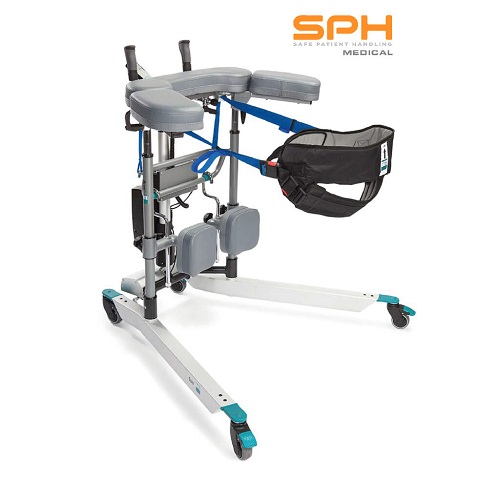
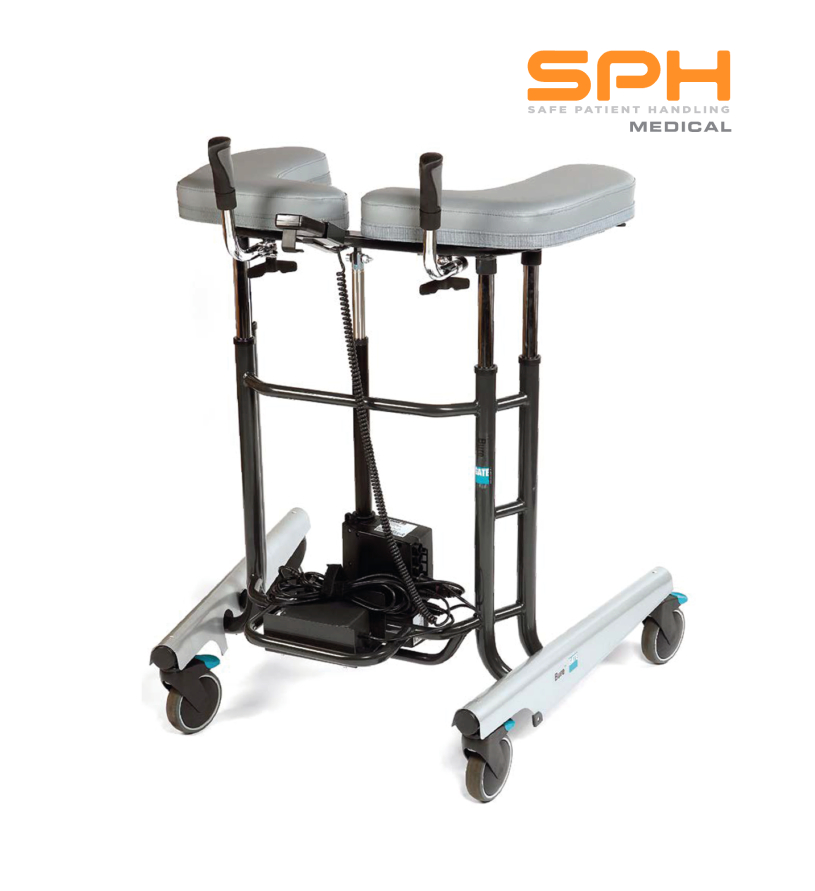
The SPH Medical RoWalker Platform Walker Providing Advancements in Early Mobility

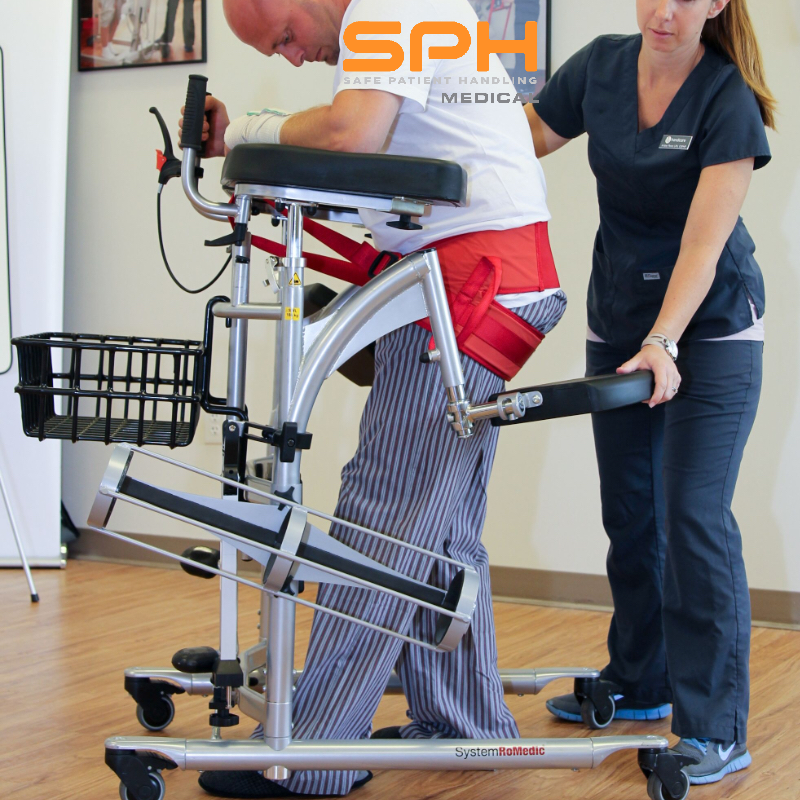
This acute care ambulation walker is the product of more than ten years worth of collaboration with physical therapists, interdisciplinary nurses, cardiothoracic surgeons, and respiratory therapists. It’s ergonomically designed and provides patients with optimal physical security so that they’re more confident when getting out of bed for the first time. In many cases patients are afraid to get out of bed and stand for the first time. They don’t trust their own legs to support them and also don’t trust the nurse or therapist to prevent them from falling.

Optimal Patient Security

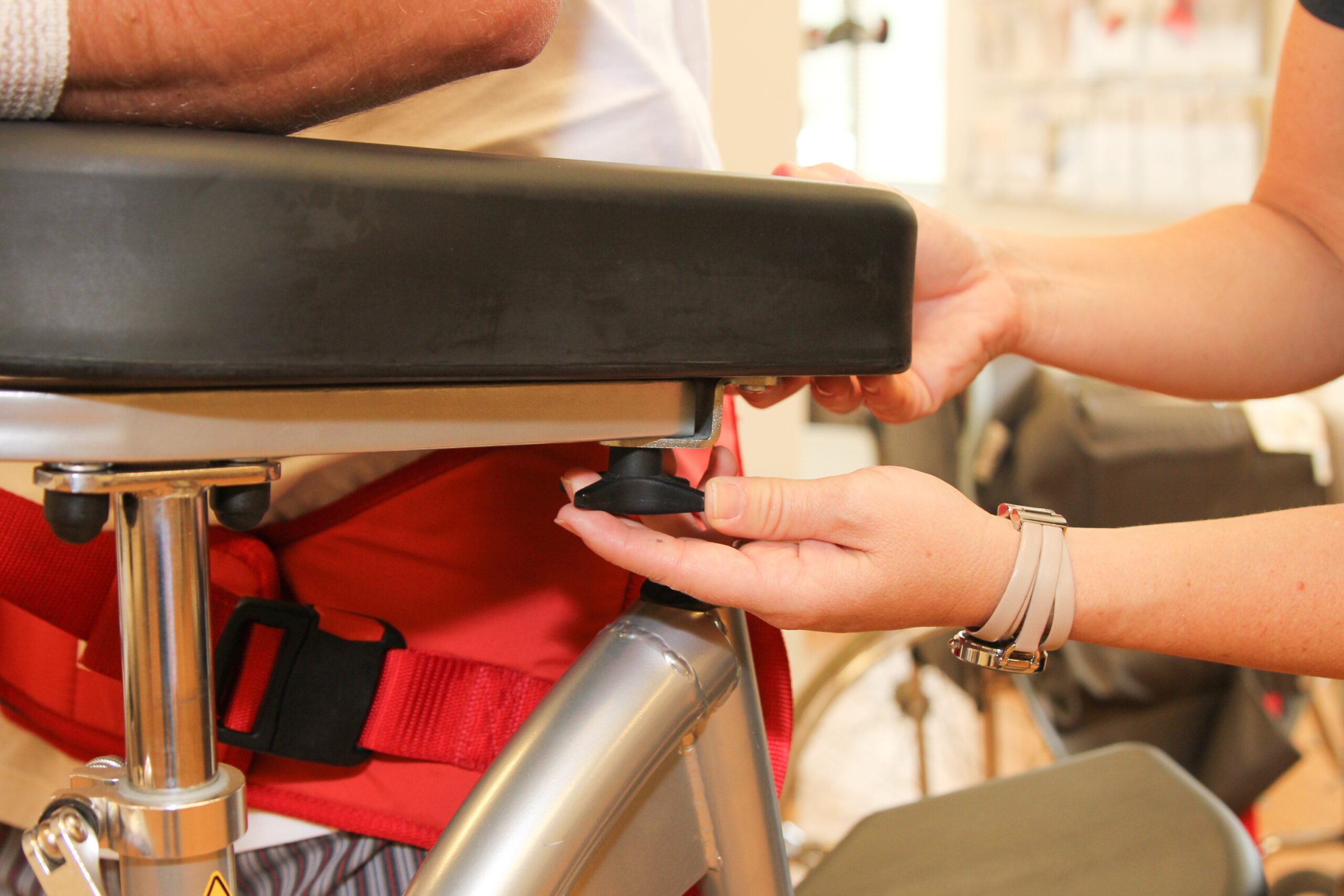
The RoWalker provides an optimal level of patient security with adjustable hand grips, optional support belt, and other unique features. Now you can support early patient mobility with fewer staff members without compromising patient safety. The RoWalker will be sure to fit perfectly into your safe patient handling program, and you’ll be confident knowing that your patients can ambulate with a proven device that has been used in many evidence based mobility programs across the country.

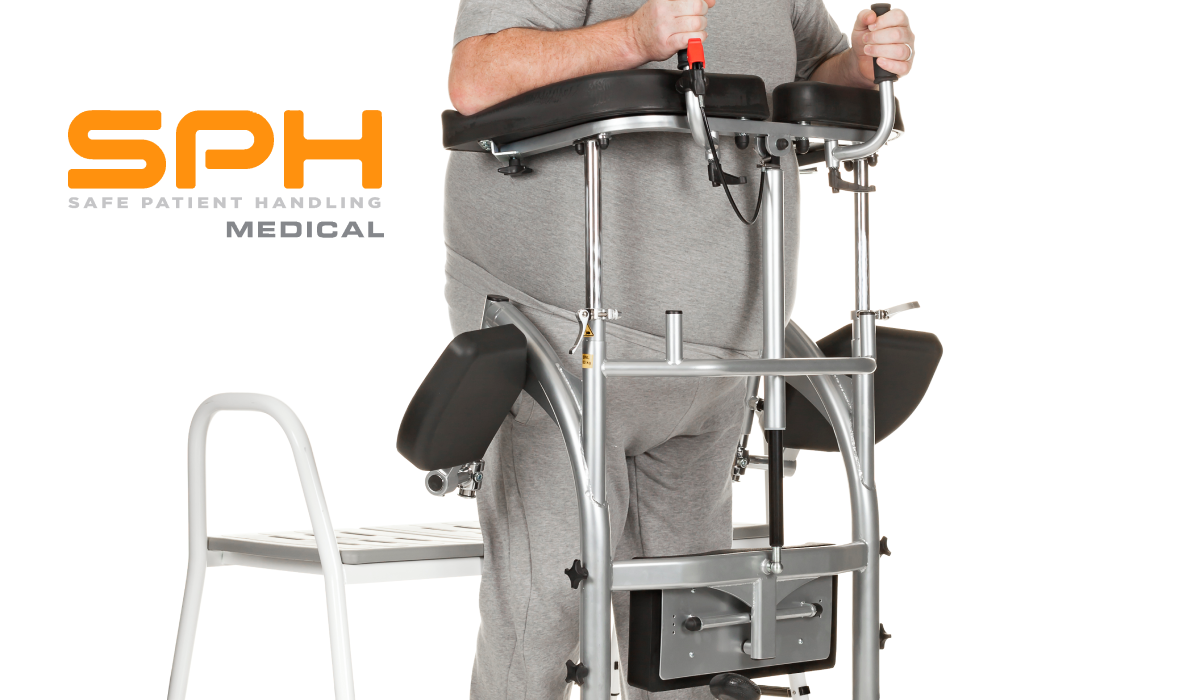
This helpful device utilizes an optional ambulation belt that can be used to assist a low-functioning during walking for fall prevention. This is a great add on to a device that already has everything. With adjustable height levels, the RoWalker can support patients of all heights and sizes. It features two convenient hand grips complemented by padded arm rests to offer optimal patient support.

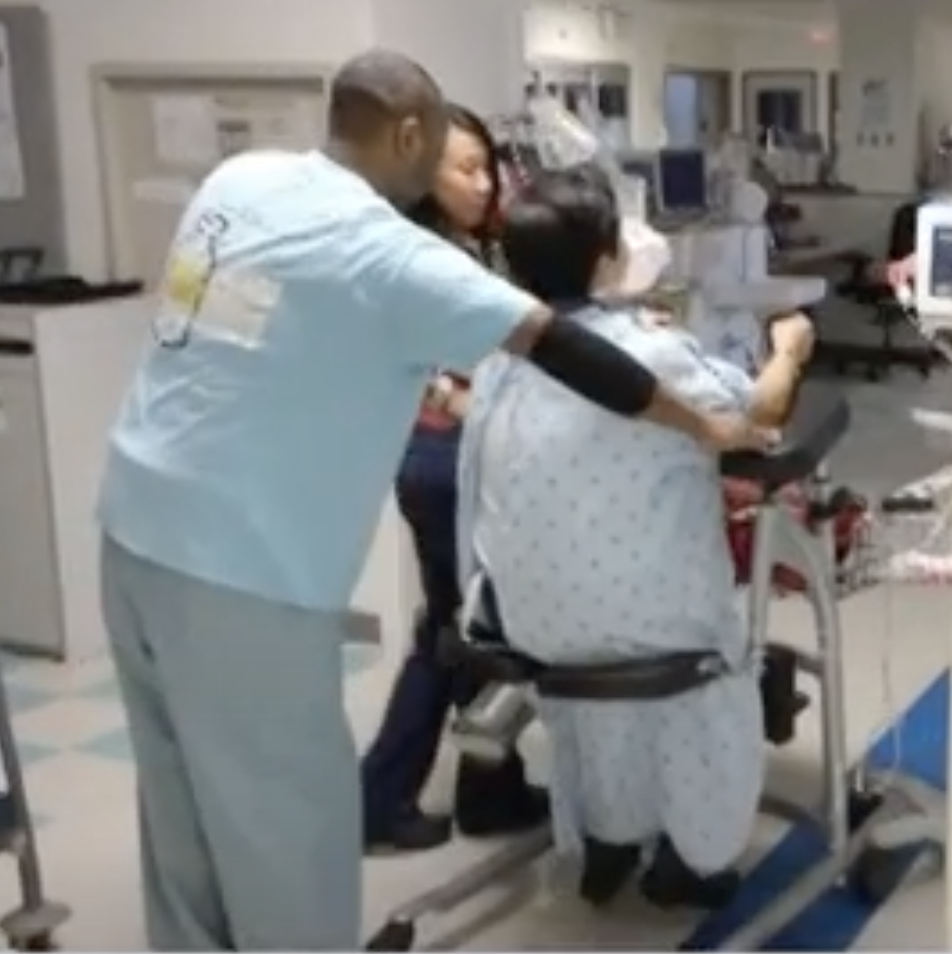
Additionally, and perhaps most importantly, there are seat flaps that flip up and can also be rotated outwards 180 degrees so that the RoWalker can be brought right up to the bedside so that patients can feel more comfortable standing and taking their first steps.
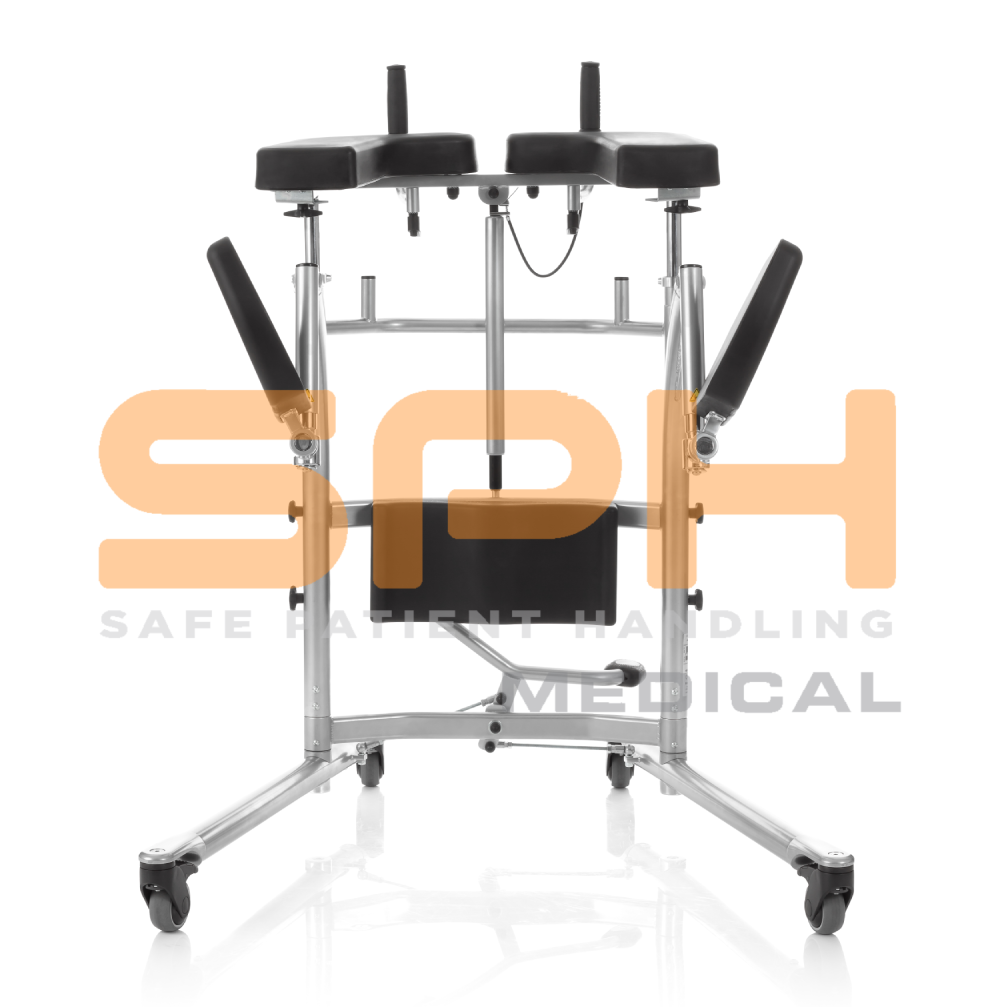
The seat flaps go a long way in preventing unwanted falls and providing opportunities for rest for both the patient and your staff members alike. Now with the built in seat flaps you don’t have to drag a wheelchair behind the patient during ambulation and fewer staff are required when ambulating ICU patients.
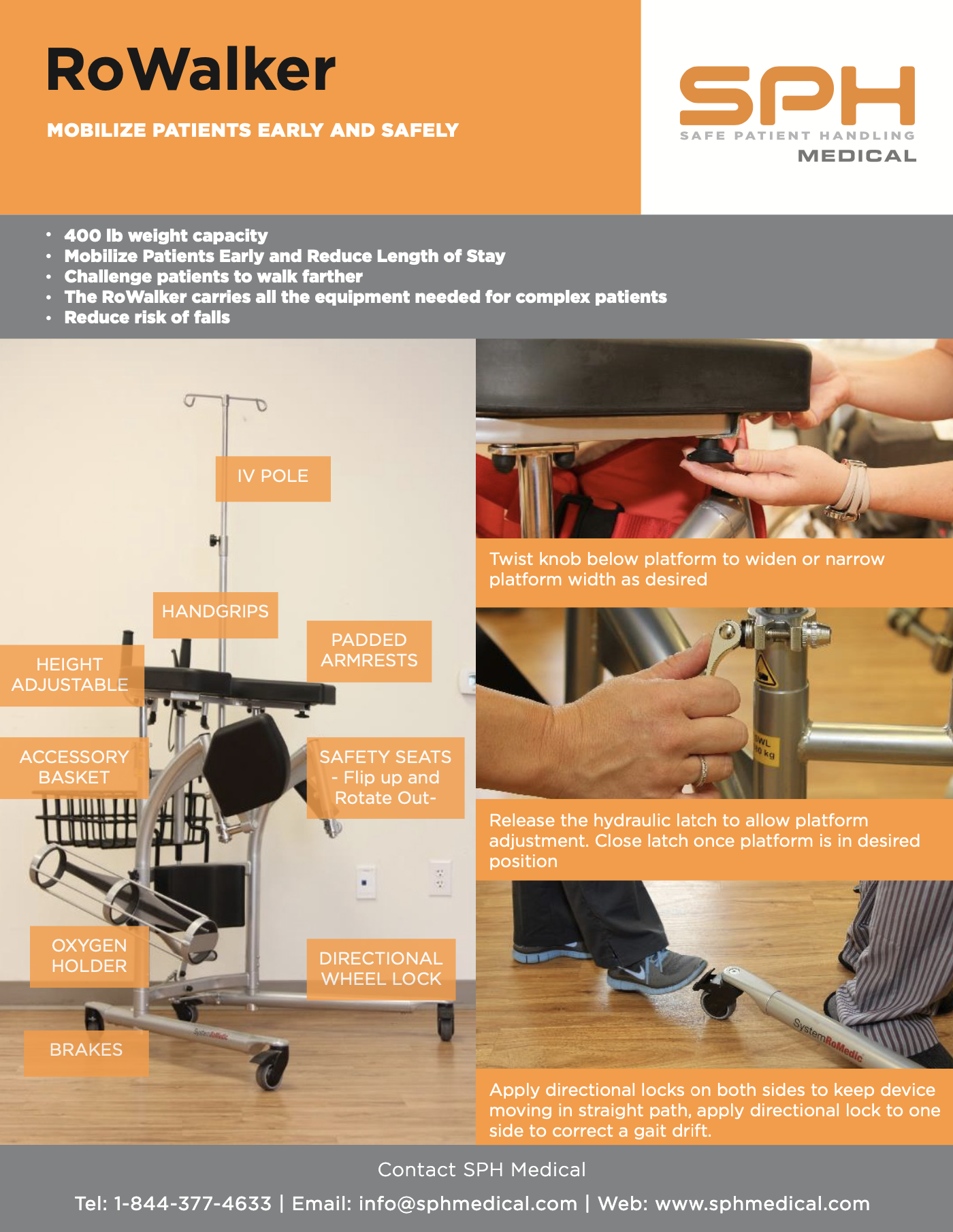
The SPH Medical RoWalker supports IV and Oxygen

Designed With Patient Needs in Mind

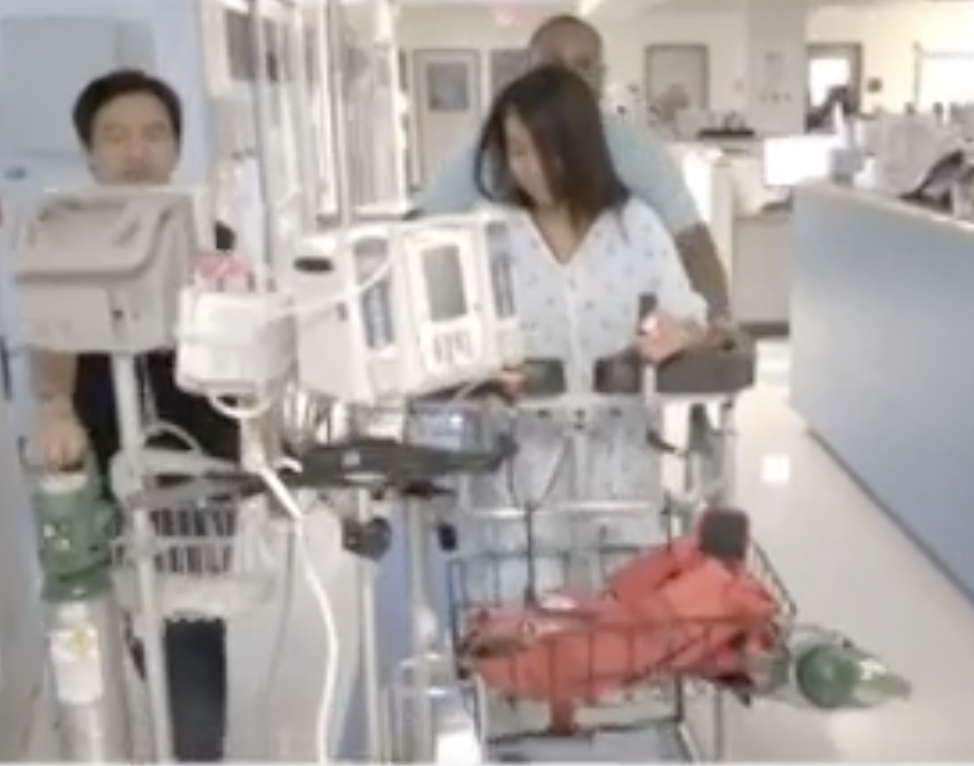
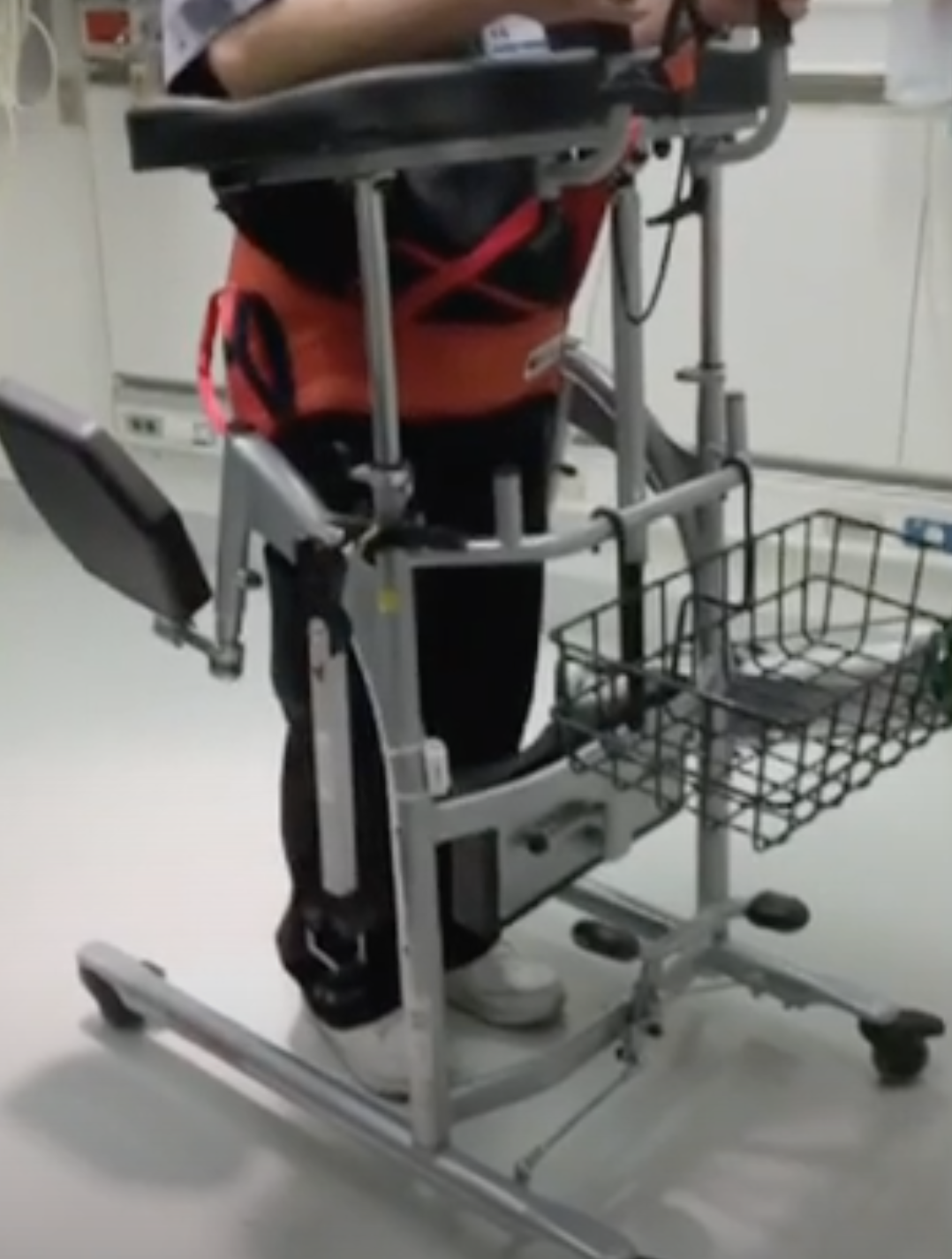
The SPH Medical RoWalker is designed with various components that can easily house patient necessities to ensure that they’re under optimal care throughout their mobilization program. The RoWaker has an integrated IV pole, a convenient oxygen tank holder, and a large front basket that can support a portable ventilator or cardiac monitor. You’ll find adequate room for all of the assistive devices that your patients need.

Advancements in early mobility are becoming more and more prominent as its many benefits for the body continually become cited by medical facilities and practitioners. The SPH Medical RoWalker can be the perfect assistive device to help patients in your ICU and critical care units get up and move sooner. With so much evidence supporting the use of early patient mobilization in hospitals, you simply can’t afford not to integrate this program into your facility.
Early Patient Mobility improves outcomes
Categoriesearly mobility

Safety Platform Walkers

A Practical Solution for Early Mobility in the Acute Care Setting

By Amber Perez MHA, CSPHP


The benefits of early and progressive mobility programs are well-established in the acute care setting. Greater than a decade of published research validates the positive patient outcomes associated with implementing an early mobility (ICU-Based) and progressive mobility (acute care inpatient) program as an essential part of the patients plan of care. Marra and Ely of Vanderbilt University published the groundbreaking research establishing an intensive care patient protocol the ABCDE (now the ABCDEFG) method for reducing the risk of Delirium in ICU patients.  Delirium, once under-diagnosed and rarely treated, is now recognized as a primary indicator for mortality and identified early in most ICU’s in the United States. Vanderbilt University’s groundbreaking results contributed to drastic improvements in the quality of life and mortality rates of an immeasurable number of patients as a result of widespread adoption of the methods and tools published in the protocol. One of the key components of the ABCDE method is the ‘E’ or Early Mobility intervention. Subsequent research further identifies benefits of mobility (early and progressive) to include reduced risk of hospital acquired pressure injuries, ventilator acquired pneumonias, patient falls, hospital readmissions, and length of stay. In addition, patients experience an improved discharge disposition1.

Hospitals all over the world are prescribing mobility as a standard component of patient care. While mobility programs offer exciting and promising outcomes and quality improvements for patients, it is not without challenges and risk. Without proper planning and integration with a facility Safe Patient Handling & Mobility (SPHM) program, risk for patient handling injury and patient falls risk increase.

In an independent survey of ICU and Hospital nursing leaders – the barriers reported with early mobility protocol implementation include: lack of caregiver resources, increased risk of patient falls, and risk of patient handling injury. In addition, nursing leaders reported greatest concern with “out of bed activities” specifically, “standing and ambulation”. Many leaders reported having advanced ICU beds capable of assisting with many tasks of the early mobility protocols- including, tilt table/ hemodynamic training, sitting, edge of bed, and early weight bearing. The greatest concerns for staff and caregiver safety emerged around patient standing and walking. Of the nursing leaders surveyed, the equipment used to assist in standing and walking patients ranked as most preferred for mobility activities as follows:

  1. ICU/Inpatient Safety Walkers 66%
  2. Ceiling lift with walking sling 24%
  3. Mobile lift with walking sling 8%
  4. Mechanical stand aid with removable footplate 2%

The following are comments captured on the survey related to each category:

ICU/ inpatient Safety walkers:
“Safest option available”, “Fits well in crowded rooms”, “Allows us to walk patients out of the room”, “Staff prefer this option”, “Intuitive, easy to operate”, “O2, IV and devices have a place to go on the walker”

Ceiling lift with walking sling:
“Not all rooms have ceiling lifts”, “Only works well with a XY ceiling track”, “We do not have dedicated walking slings” “Great option if we can find the walking slings” “limited to in room activity”

Mobile lift with walking sling:
“Mobile lifts are too big and bulky in the ICU room” “Cumbersome”, “No place to put O2 or devices”, “Improved safety, prevents falls”

Mechanical stand aid with removable footplate:
“Footplate not removable on our device”, “Not a good option for an unsteady patient”, “no place to put oxygen or IV”

Based on the majority of feedback, utilizing a safety platform walker is the preferred equipment for accessibility, safety, function, and efficiency.

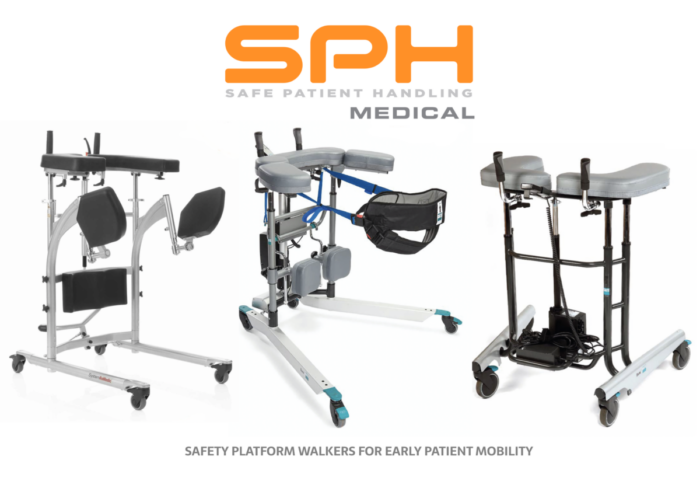
Below is a decision table to help you identify which safety platform walker is right for you.   

  • Walker
  • Features
  • Patient specific recommendations

RoWalker FeaturesMobilize Patients Early and Safely

  • 400lb weight capacity
  • Fixed seats that rotate and flip
  • Directional locking castors
  • Accessory basket
  • O2 tank and IV pole holder
  • Manual height adjustment
  • Width adjustable platform

RoWalker – Patient specific recommendations

  • Ideal for patients able to come to a standing position independently
  • Consider when sling management is a barrier
  • Simple and intuitive
  • Higher weight capacity
  • Conducive to therapy activities
  • Consider for patients with sternal precautions

Rise & Go Platform Walker Features

  • 330lb weight capacity
  • Safety sling with hygiene strap
  • Accessory basket
  • O2 tank and IV pole holder
  • Power stand assist
  • Directional locking castor available
  • Extra-wide adjustable platform
  • Swing away shin pads
  • Splash/water resistant design

Rise & Go Platform Walker – Patient specific recommendations

  • Ideal for deconditioned ICU level early mobility – power stand assist
  • Hygiene strap on sling allows OT’s to work with patient on ADL’s- water resistant design allows bathing therapy sessions with limited water spray
  • Swing away shin pads allow for progression in ambulation
  • Ideal for taller and smaller patients, longest stroke length on actuator
  • Small footprint for easy storage

XL Platform Walker Features

  • 500lb weight capacity
  • Extra wide frame adjustments
  • O2 tank and IV Pole holder
  • Accessory basket
  • Shin pad accessory- removable
  • Extra wide adjustable platform

XL Platform Walker – Patient specific recommendations

  • Ideal for ambulatory bariatric patients
  • Power rise assists with sit to stand
  • Ideal for patients who are not a high fall risk
  • Patients with O2 and IV’s may be useful with therapy.

References:

  1. Winkleman C, Johnson K, Hejal R, et al. Examining the positive effects of exercise in intubated adults in the ICU: a prospective repeated measure clinical study. Intensive Critical Care Nursing. 2012


  1. Vollman K. Early progressive mobility: strategies for successful and safe achievement to impact short and long-term outcomes. 


  1. Roberts M, Johnson LA, Lalonde TL. Early mobility in the intensive care unit: Standard equipment vs a mobility platform. American Journal of Critical Care.


  1. Marra A, Frimpong K, Ely EW. The ABCDEF Implementation Bundle. Korean Journal of Critical Care Medicine (2383-4870). 2016


  1. Pottenger BC, Pronovost PJ, Kreif J, et.al. Towards improving hospital workflows; an evaluation of resources to mobilize patients. Journal of Nursing Management. 2019
Early Patient Mobility
CategoriesPatient Handling

Rowalker Nurse Driven Early Mobility

A Sustainable Process for Early Patient Mobility with RoWalker

When patients are critically ill, they may require a ventilator to support their breathing as they recover. Especially during the COVID-19 pandemic, ventilator assisted breathing is a standard treatment during the worst phases of the illness. While this treatment is necessary and life-saving, prolonged ventilation can have negative effects on patient outcomes. When medical procedures require sedation, the patient must rest in bed for days at a time. The human body is made to move, so extended periods of being bedridden will weaken the core muscles that sustain patient mobility. This is often referred to as deconditioning. Sedation and bedrest also disrupt the circadian rhythm of waking and sleeping. Patients may suffer from sleep deprivation and delirium after a time. These physical and mental side effects have the practical result of lengthening a patient’s hospital and rehabilitation stay. At hospitals under stress, patient beds are at a premium. When one patient is recovering at the facility, it prevents a new patient from receiving care. Also, a lengthy stay leads to higher medical bills and financial stress for patients and families. This is why team members need to collaborate to develop a nurse driven early mobility protocol.

Developing a Process for Early Patient Mobility

To improve patient outcomes a multi disciplinary approach including Nursing Leadership, Physical Therapy, and respiratory team members need to collaborate to develop a nursing driven early patient mobility protocol. No one wants to rush patients through the recovery process. However, if a patient can come off the ventilator and start moving, it will lead to an improved outcome. Determining if a patient is ready for early mobility takes several steps.

Reduced Sedation

It is difficult to evaluate patients who are deeply sedated. To measure progress, the staff should work to minimize the sedative dose so that it is easier to interrupt sedation. When the patient can handle the reduction safely, staff members can take the next step in evaluation.

Spontaneous Waking and Breathing

During an interruption in sedation, the medical staff can determine if the patient can breathe without assistance. They can also begin to assess the mental state of the patient.

Early Mobility Intervention

When a patient is mentally and physically stable, mobility therapy can begin while in the ICU. This treatment may only involve a few steps, but it is important progress for the patient.

RoWalker: Focusing on Patient and Staff Safety

Improving patient mobility involves a fall risk for patients, and it can create a personal safety risk for nursing staff. Without the right equipment, the patient will depend on a staff member for support. A sudden stumble can lead to strained muscles and other injuries for staff members. A serious fall will be a setback for the critical patient.

The SPH Medical RoWalker provides a sturdy framework with fall prevention in mind. The adjustable settings allow staff members to prepare the device for each patient. A cushioned platform gives the patient a place to support his or her upper body.

Lower body support belts and seating pads prevent patients from falling when tired.

The RoWalker can accommodate the needs of ICU patients. It has integrated features such as a telescoping IV pole, oxygen tank holder and a front-facing basket for cardiac monitors.

Seeking the Best Critical Patient Outcomes

A nurse driven early mobility supportive device like the SPH Medical RoWalker does more than provide an early physical therapy and nursing intervention. It offers a positive experience for the patient. When patients see that they can take a few assisted steps, it gives them a sense of hope for the future. Working with mobility also provides nursing staff with a metric for patient improvement as they extend the distance walked during each session.

The SPH Medical RoWalker combines fall prevention with early mobility intervention. Employing this device with a mobility protocol will decrease the length of hospital stays and increase positive patient outcomes.

Add to cart