CategoriesPatient Handling

The SPH Medical EPD for Thoracentesis: A Steadier, Safer Way to Position Patients

A breathless patient sits on the edge of the bed, leaning forward over a wheeled overbed table topped with a wobbly stack of pillows. The table drifts on its casters. The pillows compress and slide. The patient, already anxious and struggling for air, keeps shifting to find a stable spot, all while a clinician prepares to guide a needle toward the pleural space. Everyone in the room is hoping no one moves. This scene plays out in hospitals across the country every day, and it exposes a real problem. Thoracentesis demands precise, stable patient positioning, yet the improvised setup most facilities rely on cannot deliver it. In this article, you will learn what thoracentesis involves, why patient posture is so critical to a safe outcome, and how the SPH Medical Epidural Positioning Device (EPD) replaces that shaky bedside arrangement with a stable, comfortable, purpose built solution that clinicians and patients both appreciate.

What Is Thoracentesis and Why Does Positioning Matter?

Thoracentesis is a procedure that drains excess fluid from the pleural space, the thin area between the lungs and the chest wall. This fluid buildup, known as a pleural effusion, can develop from conditions such as infection, heart failure, or other illnesses. As fluid accumulates, it presses on the lungs, leaving patients short of breath and uncomfortable.

To relieve that pressure, a clinician, often a pulmonologist, inserts a needle or catheter between the ribs to withdraw the fluid. Ultrasound guidance is frequently used to pinpoint a safe entry point and avoid nearby structures. The entire procedure depends on one thing above all: a stable patient in the correct posture.

The patient must sit upright and lean forward. This position serves two essential purposes. First, it widens the intercostal spaces, the gaps between the ribs, giving the clinician clearer and safer access to the pleural space. Second, it keeps the target site still so the needle or catheter reaches exactly where the ultrasound indicated. When the posture holds steady, the procedure is safer, faster, and far less stressful for everyone involved.

Takeaway: Stable, consistent positioning is not a comfort feature for thoracentesis. It is a core safety requirement.

Why the Overbed Table and Pillow Stack Falls Short

Here is the trouble. The tool most facilities reach for was never designed for this job. Asking a breathless, anxious patient to lean over a rolling table piled with pillows introduces instability into a procedure that requires the exact opposite.

Consider the weaknesses of this improvised approach:

  • The table drifts. An overbed table rolls on casters and shifts under a patient’s weight, so the surface the patient leans on is never truly fixed.
  • The pillows slide. A stack of pillows compresses unevenly and slips, forcing the patient to constantly readjust and preventing any consistent posture.
  • The target moves. Every time the patient shifts, the entry site moves with them, complicating ultrasound imaging and raising the risk during needle placement.

Picture an ultrasound technician who carefully marks the ideal entry point, only to have the pillows slump and the patient slide sideways before the pulmonologist is ready. Now the team has to reposition and remark from the start, wasting time and adding stress. The improvised setup is not just uncomfortable. It is an unstable foundation for a precision procedure, and it deserves a purpose built replacement.

How the SPH Medical EPD Solves the Positioning Problem

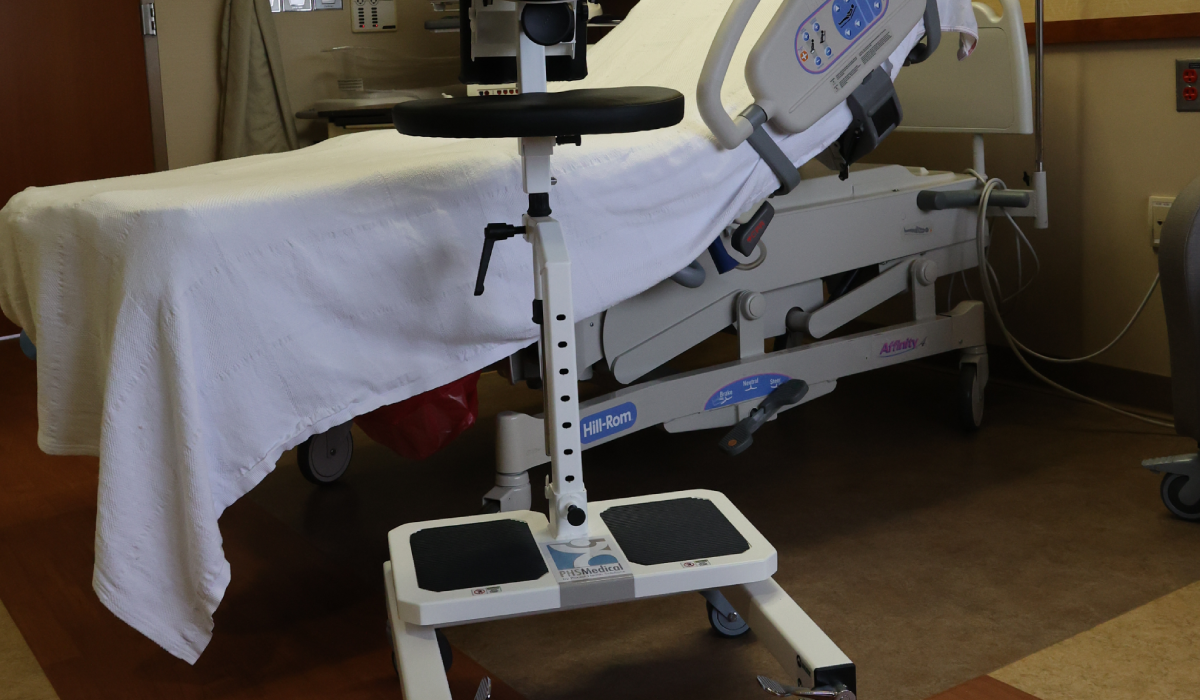
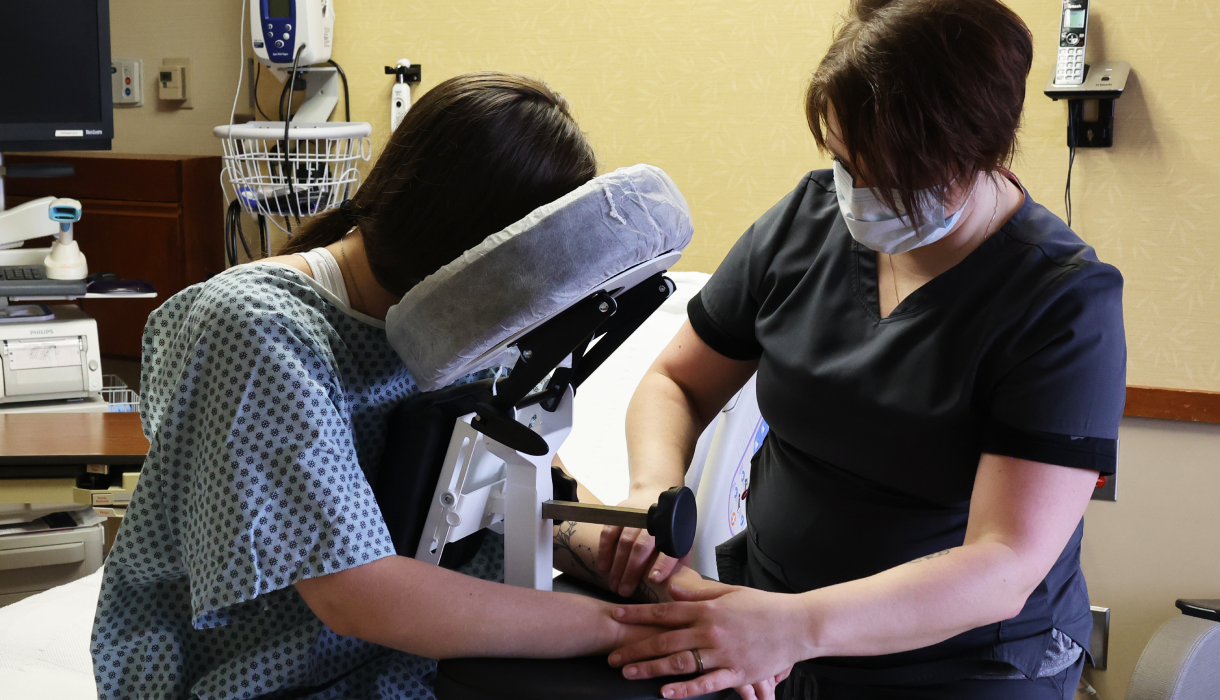
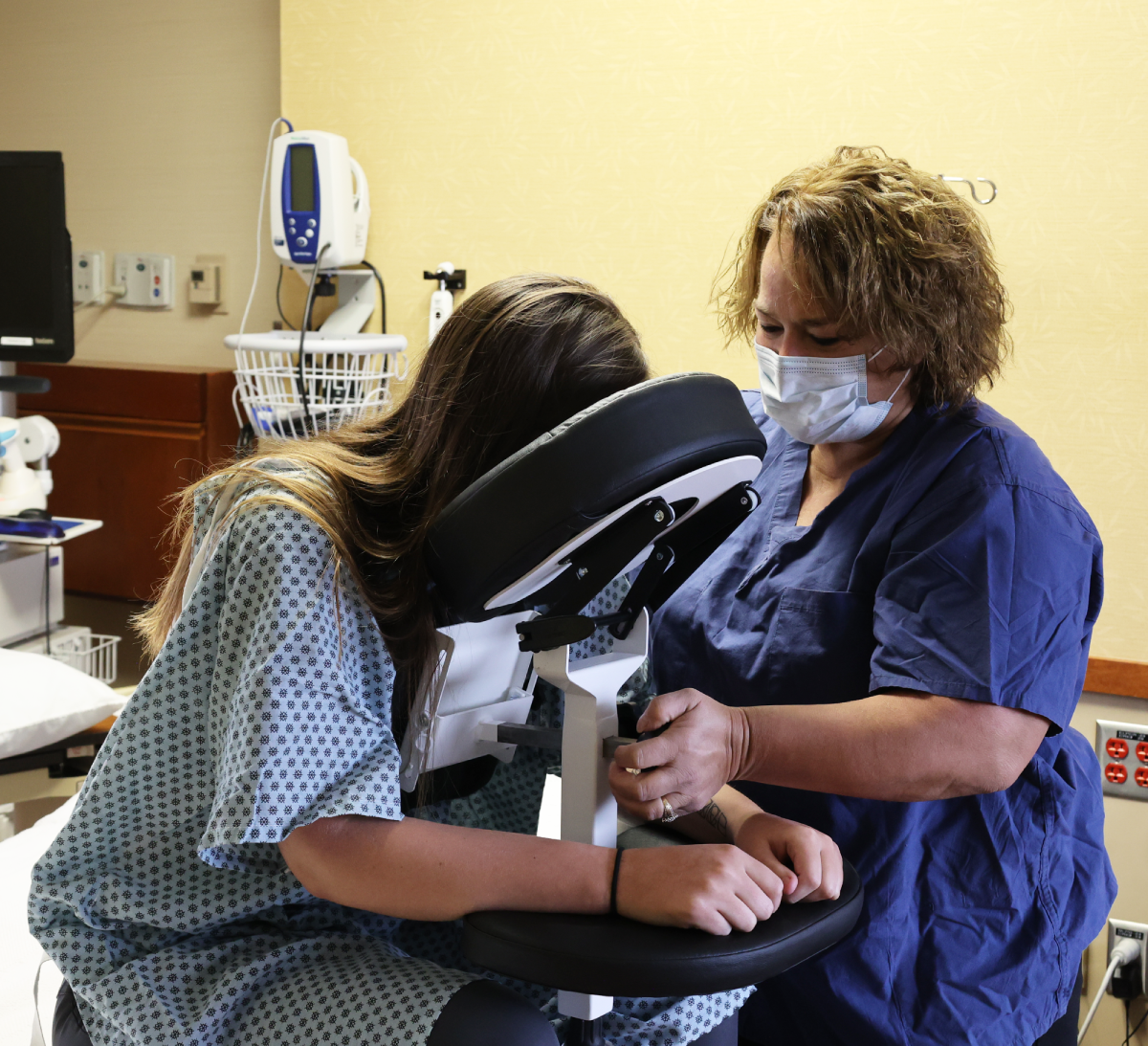
The SPH Medical Epidural Positioning Device, also known as the Epidural Chair, is that replacement. It is a stable, padded, purpose built support that holds patients in the ideal forward leaning posture for thoracentesis, retiring the drifting table and sliding pillows for good.

Rather than depending on a patient to balance on a moving surface, the EPD provides a secure surface that supports the upper body in a consistent, forward flexed position. Because the device stays put, the patient stays put, and so does the target site. The result is a stable field from the moment the technician marks the site through the completion of drainage.

The EPD is also built with the patient in mind. Its adjustable design accommodates diverse body types, including patients living with obesity, and adapts to each person’s height and comfort needs. Comfort focused padding reduces strain and eases the anxiety that so often causes patients to fidget and shift.

Why Pulmonologists and Ultrasound Technicians Love the EPD

The two clinicians closest to the procedure feel the difference immediately, and both value what the EPD delivers.

For the ultrasound technician, a patient who stays motionless makes imaging faster and more accurate. The marked entry point remains valid from preparation straight through to needle placement, eliminating the frustrating cycle of remarking a site that keeps moving.

For the pulmonologist, a consistent forward leaning posture opens the intercostal spaces and keeps the target still. That stability optimizes access, supports first attempt success, and reduces the risk of complications tied to sudden patient movement. The pulmonologist works with a clear, unobstructed field and never has to pause to reposition a slipping patient.
Takeaway: When the patient is stable, both clinicians can focus entirely on the procedure instead of managing a shifting setup.

Dramatically Improved Patient Satisfaction

Now think about the experience from the patient’s side. Balancing on a rickety table while short of breath is genuinely distressing. The patient must actively work to stay upright, all while worrying about a needle near the chest. That anxiety is real, and it shows up in patient satisfaction scores.

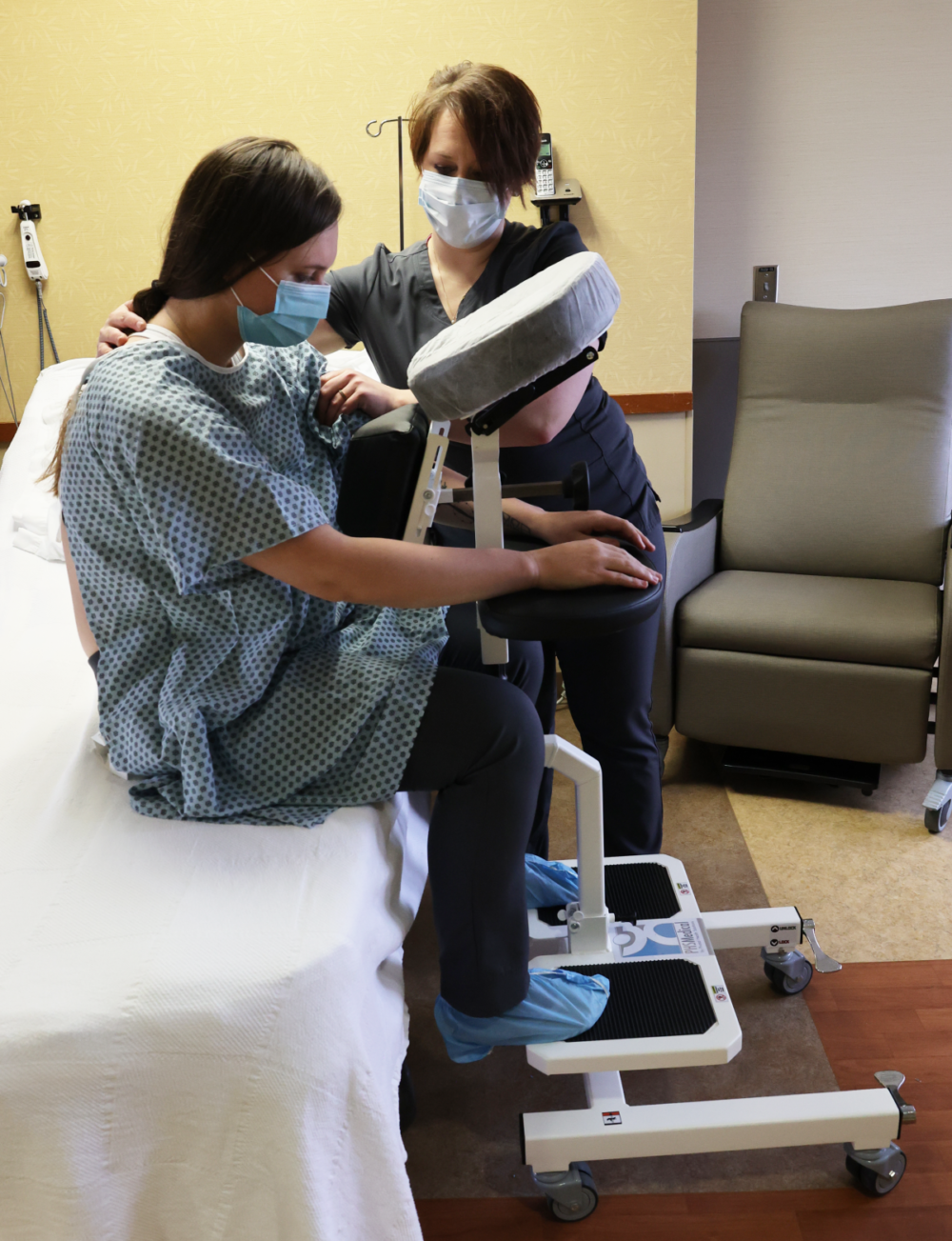
The EPD transforms that experience. Instead of straining to hold a precarious position, the patient rests securely in a stable, comfortable posture. The device does the work of holding them steady, so they can breathe and stay calm. A patient who feels supported and secure has a far better experience, and patient satisfaction improves dramatically as a result.

This is a meaningful shift for any facility focused on the patient experience. Comfort and confidence during a procedure translate directly into stronger satisfaction scores and a more positive impression of the care received.

Safety, Efficiency, and Return on Investment

The benefits of the EPD reach well beyond comfort. Replacing the improvised setup with a purpose built device produces measurable gains across safety, efficiency, and cost.

  • Fewer complications. A stable target reduces the patient movement that drives complication risk during needle and catheter placement, directly enhancing patient safety.
  • Faster setup. Consistent, reproducible positioning shortens the time it takes to prepare each patient, so the procedure begins sooner.
  • Fewer repeat scans. When the patient holds still, the ultrasound marking stays accurate, cutting down on repeat imaging and the delays it causes.
  • Improved throughput. Smoother, faster procedures help busy imaging and procedural departments serve more patients without sacrificing quality.
  • Workers compensation savings. By supporting the patient securely, the EPD reduces the physical strain on staff who would otherwise brace and steady patients by hand,
    lowering the risk of caregiver injury and the claims that follow.

These outcomes align closely with the performance and process improvement goals every facility pursues. The EPD is not simply a positioning aid. It is an investment that pays back in safer procedures, satisfied patients, and a more efficient, better protected care team.

To measure the impact after adoption, facilities can track patient satisfaction scores, procedure related complication rates, average setup and procedure times, and the frequency of repeat ultrasound imaging. The improvements tend to show up quickly and consistently.

Next Steps

Thoracentesis depends on precise, stable positioning, and the traditional overbed table and pillow stack simply cannot provide it. The SPH Medical EPD offers a stable, comfortable, purpose built solution that pulmonologists and ultrasound technicians rely on, while dramatically improving patient satisfaction, procedural safety, and department efficiency. Precision procedures deserve a stable foundation, not an improvised one.

If your imaging or procedural teams are still balancing patients on drifting tables and sliding pillows, now is the time to consider a better way. Contact SPH Medical today for more information or to schedule a demonstration, and see firsthand how the EPD can elevate your standard of care.
SPH Medical Epidural Positioning Device
CategoriesPatient Handling

Boosting Operational Efficiency with the SPH Medical Epidural Positioning Device

In the realm of healthcare, operational efficiency is vital to ensuring high-quality patient care and effective resource management. The demands of procedures such as epidurals, spinal blocks, and thoracentesis place significant strain on both staff and facilities. The SPH Medical Epidural Positioning Device (EPD) emerges as a transformative solution, enhancing operational efficiency while simultaneously improving staff safety and patient satisfaction.

Improving Staff Safety

Healthcare professionals, particularly nurses and imaging technicians, face considerable risks of musculoskeletal injuries when supporting patients during complex procedures. The physical exertion required can lead to chronic pain and decreased job satisfaction. The EPD mitigates these risks by providing an ergonomic platform that reduces the need for manual handling, thus lowering the incidence of injury. Research has indicated a reduction in work-related injuries by up to 30% in facilities utilizing ergonomic aids like the EPD, underscoring its effectiveness in protecting healthcare workers.

Epidural Chair chest support cushion

Enhancing Patient Satisfaction

Patient safety and comfort are paramount during medical procedures. The EPD is meticulously designed to ensure secure and comfortable positioning, minimizing anxiety and enhancing the overall patient experience. Patients have consistently reported feeling more at ease during procedures when the EPD is used, contributing to higher satisfaction levels. Healthcare providers have observed that the chair’s adjustability and supportive design cater to a diverse range of patient needs, fostering a more positive procedural experience.

In today’s healthcare environment, patient satisfaction has become a pivotal metric that directly affects healthcare delivery, patient outcomes, and hospital reputation. High levels of patient satisfaction are crucial as they influence hospital ratings and can significantly impact reimbursement rates from programs like Medicare and Medicaid, which are increasingly tying payments to quality of care indicators. Satisfied patients are more likely to adhere to medical advice, experience better health outcomes, and choose the same hospital for future healthcare needs, fostering a cycle of trust and loyalty. Additionally, hospitals that consistently track and improve patient satisfaction tend to enhance their reputation, attracting more patients and skilled healthcare professionals. As such, the integration of devices like the SPH Medical Epidural Positioning Device, which enhances patient comfort during procedures, becomes a strategic move not only to improve immediate patient experiences but also to support long-term institutional success by bolstering satisfaction metrics that are vital in today’s competitive healthcare landscape.

Boosting Operational Efficiency

The EPD significantly enhances operational efficiency by streamlining the patient positioning process. This efficiency translates into reduced procedure times, allowing healthcare facilities to increase patient throughput without compromising care quality. A prominent hospital documented a 15% decrease in procedure durations following the EPD’s implementation, highlighting its role in optimizing resource allocation and improving patient flow. By minimizing delays and maximizing throughput, the EPD supports healthcare facilities in meeting growing patient demands.

Addressing Concerns and Misconceptions

Despite its clear benefits, some healthcare professionals may harbor concerns regarding the adoption of new technology like the EPD. Common misconceptions include perceived complexity and potential disruption to established workflows. However, the EPD is designed to integrate seamlessly into existing protocols, with intuitive operation that minimizes training requirements. Success stories from early adopters demonstrate the EPD’s practical advantages, encouraging wider acceptance and integration.

Implementation Strategies

To fully leverage the advantages of the EPD, healthcare facilities should adopt strategic implementation plans. Comprehensive training programs are essential to familiarize staff with the device’s capabilities and benefits. Utilizing instructional materials and conducting on-site demonstrations can facilitate smooth integration into clinical practice. By sharing positive outcomes and experiences from other facilities, healthcare organizations can build staff confidence and overcome resistance to change.

The SPH Medical Epidural Positioning Device represents a significant advancement in medical technology, offering a comprehensive solution to the challenges faced by healthcare facilities. By boosting operational efficiency, improving staff safety, and enhancing patient satisfaction, the EPD is an invaluable asset in any medical setting. Healthcare administrators are encouraged to consider the strategic integration of the EPD, thereby promoting a safer and more efficient environment for both caregivers and patients. As healthcare systems continue to evolve, tools like the EPD are essential in meeting the demands of modern patient care and workforce well-being.

Contact SPH Medical today to request a quote for the Epidural Positioning Device and improve both efficiency and safety with the EPD.

The Epidural Chair improves staff safety and patient comfort
CategoriesPatient Handling

Enhancing Staff Safety with the SPH Medical Epidural Positioning Device

In the high-pressure environment of healthcare, the physical demands placed on nurses, operating room (OR) nurses, and imaging technicians during procedures such as epidurals, spinal blocks, and thoracentesis are immense. These tasks often require sustained awkward postures and manual patient handling and support, which can lead to significant musculoskeletal injuries. Enter the SPH Medical Epidural Positioning Device (EPD), a groundbreaking solution designed to mitigate these risks while enhancing patient care and operational efficiency.

Improving Staff Safety

The risk of injury to healthcare staff during patient handling is well-documented. According to the Bureau of Labor Statistics, nurses and related healthcare workers have some of the highest rates of musculoskeletal injuries among all professions, primarily due to patient handling tasks. The SPH Medical Epidural Positioning Device addresses this by providing a stable, ergonomic platform for patient positioning and support, thereby reducing the physical strain on healthcare professionals. Experts in ergonomics highlight that the design of the EPD minimizes awkward postures and the need for manual support, significantly lowering injury risks to healthcare workers. A notable example is a major hospital that reported a 30% reduction in staff injuries after incorporating the EPD into their procedures. All too often hospitals wait and react to injuries after they occur. However the benefits of the Epidural Chair by SPH Medical are taking hold across the country and more hospitals are taking a proactive approach to injury prevention.

Enhancing Patient Satisfaction with The SPH Medical Epidural Positioning Device

Patient comfort and security during procedures are paramount. The EPD not only enhances safety for nurses but also provides an unparalleled level of comfort and stability for patients. Patients have reported feeling more secure and less anxious during procedures when the EPD is utilized, leading to higher patients satisfaction scores. Patient satisfaction has always been important but increasingly more so in today’s quality driven environment. Healthcare providers note that the device’s adjustable features cater to a wide range of patient sizes and needs, ensuring a customized and comfortable patient experience.The Epidural Chair improves staff and patient safety

Boosting Operational Efficiency

Beyond safety and satisfaction, the SPH Medical Epidural Positioning Device significantly boosts operational efficiency. By standardizing and streamlining the positioning process, the device reduces the time required for each procedure, allowing for higher patient throughput. A case study from a busy urban hospital showed that using the EPD cut down the average procedure time by 15%, enabling the facility to handle more cases and reduce patient wait times, ultimately increasing turnover rates and improving resource allocation.The Epidural Chair is the gold standard in patient positioning

Addressing Concerns and Misconceptions

Despite its benefits, some misconceptions about the EPD persist, particularly regarding its integration into existing workflows. However, these concerns are easily addressed. The EPD is versatile and user-friendly, designed to seamlessly integrate into various procedural settings without disrupting established protocols. Its intuitive operation ensures that staff can easily adopt the device with minimal training, as demonstrated by facilities that have successfully incorporated it into their daily routines.

Implementation Strategies with The SPH Medical Epidural Positioning Device

To maximize the benefits of the EPD, hospitals should consider a quick start implementation strategy. This includes online video learning followed by hands on education for staff, emphasizing the functional, ergonomic and operational advantages of the device. Furthermore, leveraging resources to train future staff is made easy by using the online inservice videos and peer leader cross training can facilitate greater confidence by staff. By sharing success stories from early adopters within the hospital, facilities can foster a positive attitude toward adopting this innovative tool.

In conclusion, the SPH Medical EPD represents a pivotal advancement in healthcare safety and efficiency. By reducing the risk of injury to nurses and enhancing patient comfort and satisfaction, it offers a dual benefit that is hard to overlook. Healthcare facilities are encouraged to explore the integration of the EPD as a strategic investment in both staff safety and patient care excellence. As the demands on healthcare systems continue to increase, tools like the EPD are essential in creating a safer and more efficient environment for both caregivers and patients.

CategoriesPatient Handling

Patient Positioning During Thoracentesis Solved

Major Advancements in Safe Patient Positioning during Thoracentesis

Over the past two decades we have seen major advancements in patient care. This includes many new Safe Patient Handling Solutions developed to help our nurses and caregivers avoid the risk injury. Manual patient handling is one of the leading causes of back injuries for nurses. Many States have put laws in place to mandate that hospitals have a Safe Patient Handling program. This includes evaluating all inpatient units for high risk tasks that involve lifting, pushing, pulling, or prolonged static holds. Then the hospital should evaluate solutions to mitigate the risk. Here we are in 2020 and manual patient handling has not been eliminated yet!

We have been receiving phone calls from hospitals around the country describing a very common procedure. It is putting their ultrasound/imaging team at risk of injury on a daily basis. The procedure is called Thoracentesis and the issues are patient positioning during Thoracentesis.

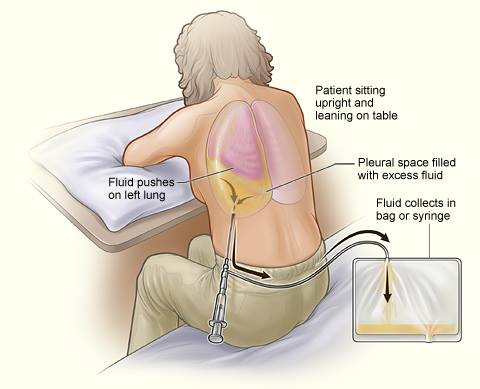
Thoracentesis is also known as thoracocentesis or pleural tap. It is an invasive procedure to remove fluid or air from the pleural space for diagnostic or therapeutic purposes. A cannula, or hollow needle, is carefully introduced into the thorax, generally after administration of local anesthesia.

One Ultrasound Manager at leading hospital found our website and the EPD – or Epidural Positioning Device. She contacted us and thought this would be perfect for their situation.

Here’s a brief description:

This hospital sees both inpatients and outpatients for Thora’s (That’s short for Thoracentesis). They’re performing about 3-6 procedures per day, seven days a week.

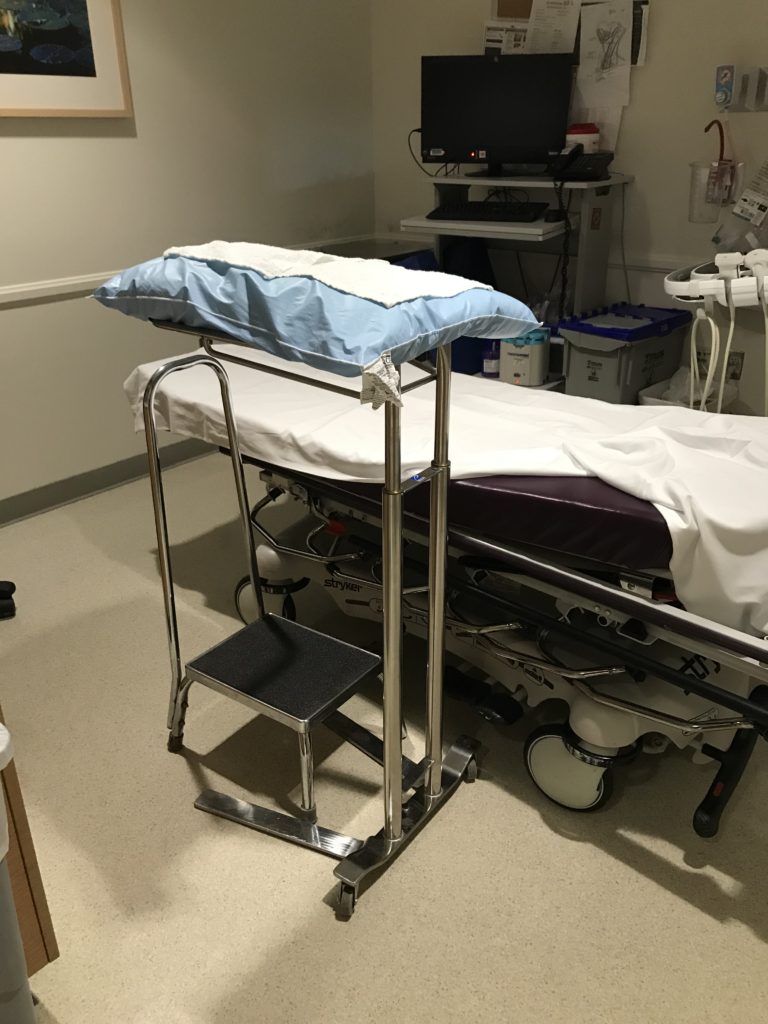
A Nurse or LPN helps assist to position the patient. The patient is seated on a gurney or table. The Nurse brings over a stool to support their feet. Then moves a bedside tray table over in front of the patient. Next they stack the table with pillows so the patient can lean on it comfortably. But, the table does not lock and it is a tip hazard!

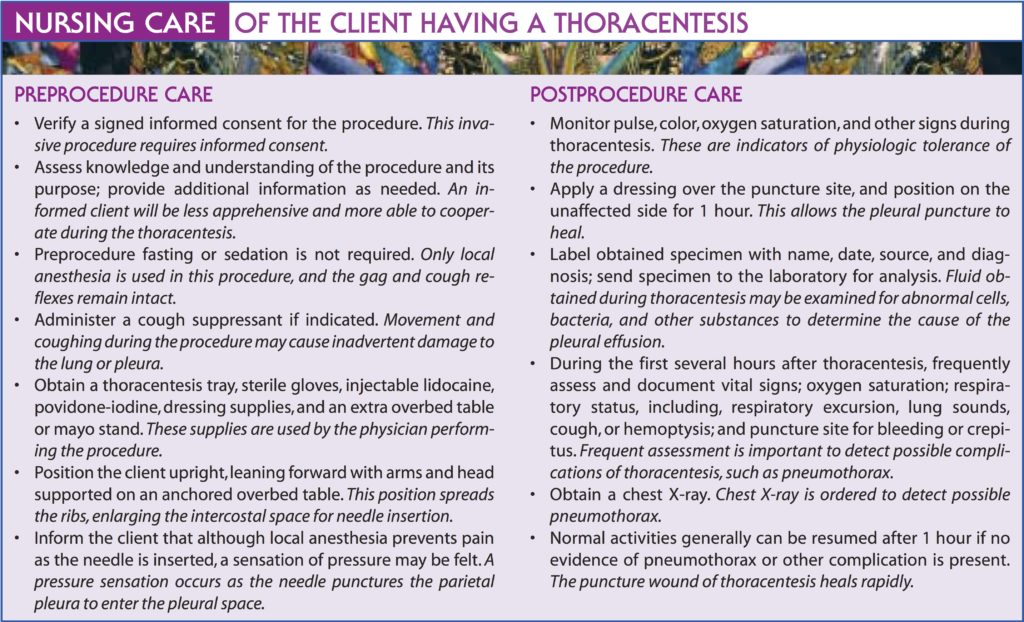
We found this reference card on the web describing the old fashioned manual positioning of patients during Thora’s

thoracentesis Nursing Care Patient Prep

Which patients are getting Thoracentesis? There are many types of patients with varying diagnoses that need to undergo this procedure. People get “plural effusion” which is fluid around the lungs. A large number of patients are cancer patients but many are also heart and infections.

Thoracentesis Procedure

Thoracentesis procedure

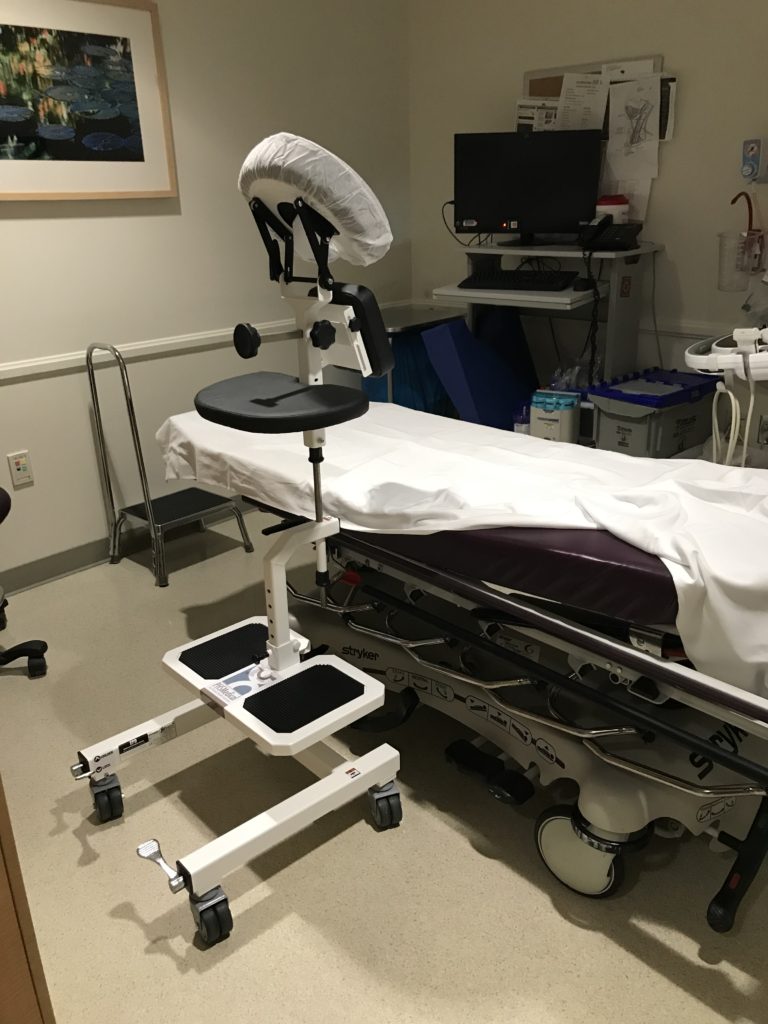
How are we solving this predictable procedure and all the manual patient handling – static holds, fall risk, etc? The SPH Medical Epidural Positioning Device is the key. It was designed by an anesthesiologist to help position patients properly and to open up the spine for ideal needle placement of an Epidural or Spinal Block. It has now become the standard of care for L&D and surgery departments. Now the Radiology/Imaging department has discovered it and we’re helping the ultrasound team and Pulmonologists position patients safely and efficiently.

We have few photos from a recent customer that has implemented the EPD. Here are the before and after photos. Please feel free to Contact us for more information about the EPD and Thora’s. We would be happy to connect you with to our customers who are now using the EPD for all of their Thora’s and creating a safer environment for their staff and patients.

Thoras Before

A Typical Thoracentesis set up with a stool and non-locking tray table with pillows.

Thoras After with EPD

Now with the EPD – Ergonomic patient positioning that supports the patient safely and eliminates manual handling!

Add to cart