A wound care nurse knows the frustration well. A patient develops early tissue damage over the sacrum despite a diligent turning schedule, careful nutrition management, and attentive skin checks. The team reviews every element of the care plan, looking for the gap. Yet the one factor hiding in plain sight is the surface the patient has been lying on for days, a mattress that quietly lost its pressure redistribution properties long ago. A worn hospital mattress silently undermines even the strongest pressure injury prevention program. Replacement hospital mattressses are one of the most direct steps a facility can take to prevent hospital acquired pressure ulcers, often called HAPUs. These injuries are largely preventable, yet they carry serious clinical and financial consequences, and the support surface sits at the foundation of any prevention strategy.
Here is what this article covers:
- What HAPUs are and why they matter clinically and financially
- How mattress condition directly affects pressure injury risk
- The specific signs a mattress needs replacement
- How modern replacement mattresses protect patients, and how to get a quote
Grounded in evidence-based Safe Patient Handling and Mobility practice and aligned with WOCN, ANA, and AORN standards, the discussion begins with a clear definition of the problem.
What Are HAPUs and Why Do They Matter?
A hospital acquired pressure ulcer is localized damage to the skin and underlying tissue caused by sustained pressure. Because it develops during a hospital stay, it is both largely preventable and closely scrutinized.
HAPUs form when unrelieved pressure, often over bony prominences such as the sacrum, heels, and hips, restricts blood flow and causes tissue to break down. Clinically, they range widely in severity. Early stage injuries present as intact reddened skin, while advanced injuries become deep wounds that expose muscle and bone. Along the way, patients face pain, a heightened risk of infection, and a prolonged, often difficult recovery.
The financial weight is substantial. A single advanced pressure injury can cost tens of thousands of dollars in treatment and extended length of stay. Because many of these injuries are considered preventable, they can also affect reimbursement, leaving the facility to absorb the cost. On top of that, HAPUs are reportable quality events tied directly to performance measures that facilities are held accountable for.
Consider an immobile patient whose stage 3 injury extends the hospital stay by weeks. The wound drives up care costs, demands intensive nursing time, and becomes a reportable event the facility must document and explain.
- Serious patient harm, pain, and infection risk
- Extended length of stay and higher care costs
- Potential loss of reimbursement for preventable injuries
- Reportable quality events tied to performance measures
HAPUs sit at the intersection of patient safety, cost containment, and quality reporting, which makes prevention a shared priority across the entire care team. Prevention starts with an often overlooked factor, the surface beneath the patient.
How Mattress Condition Affects Pressure Injury Risk
A mattress that has lost its pressure redistribution capacity concentrates force on vulnerable tissue, turning even a well managed patient into a pressure injury risk.
Support surfaces are engineered to spread a patient’s weight evenly across the body. Over time and under constant use, however, foam breaks down. This deterioration leads to a condition known as bottoming out, where the surface can no longer support the patient as designed. Once a mattress bottoms out, it stops redistributing pressure, so force concentrates directly on bony prominences, precisely the spots where injuries begin.
The patients who depend most on that surface are the ones placed in the greatest danger. Immobile and high risk patients cannot shift their own weight, so the mattress carries the entire burden of relieving pressure between repositioning events. When the surface fails, so does a core layer of protection.
Picture a high risk patient on a worn mattress. The nursing team maintains a strict turning schedule, yet between every reposition the patient rests on a surface that no longer relieves pressure. The diligent care continues, but the foundation beneath it has quietly given out.
The support surface is recognized in pressure injury prevention practice as a core element that works alongside repositioning, nutrition, and moisture management. No turning protocol can fully offset a surface that has stopped doing its job, which is why mattress condition is a frontline prevention factor rather than an afterthought.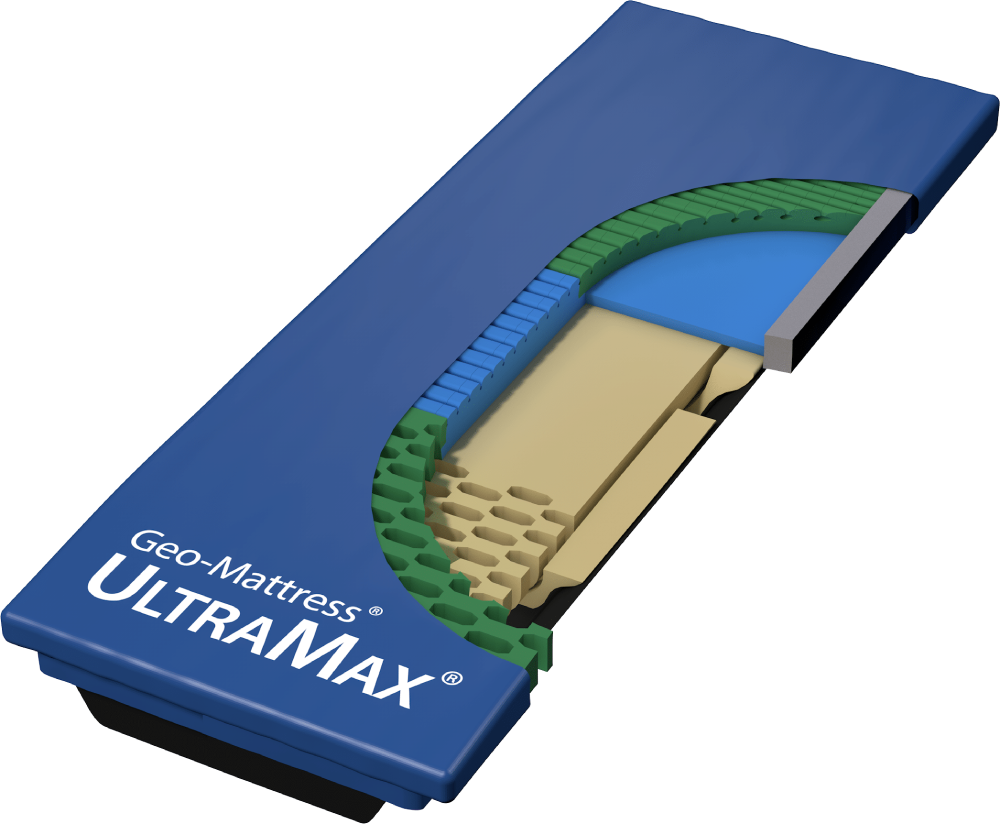
Signs a Mattress Needs Replacement
A worn mattress often looks perfectly acceptable at a glance, so knowing the specific warning signs helps teams retire failing surfaces before they contribute to a preventable injury.
Physical breakdown of the foam core is the clearest signal, but cover integrity and hygiene concerns matter just as much. Wound care nurses and biomedical engineers are well positioned to spot these signs during rounds and routine inspection, and a documented replacement policy turns those observations into consistent, defensible decisions.
Use this checklist to evaluate any surface in question:
- Visible sagging or a permanent indentation that remains after the patient leaves
- Foam that fails to rebound promptly after compression, a telltale sign of bottoming out
- A cover that is cracked, torn, or worn, allowing fluids to reach the core
- Stained or saturated foam discovered during inspection
- A surface that has exceeded the manufacturer’s recommended lifespan
Recognizing these signs empowers the care team to remove compromised surfaces from service before they undermine patient safety. Once a mattress is identified for replacement, a modern surface delivers benefits that reach well beyond simple pressure redistribution.
How Modern Replacement Mattresses Protect Patients
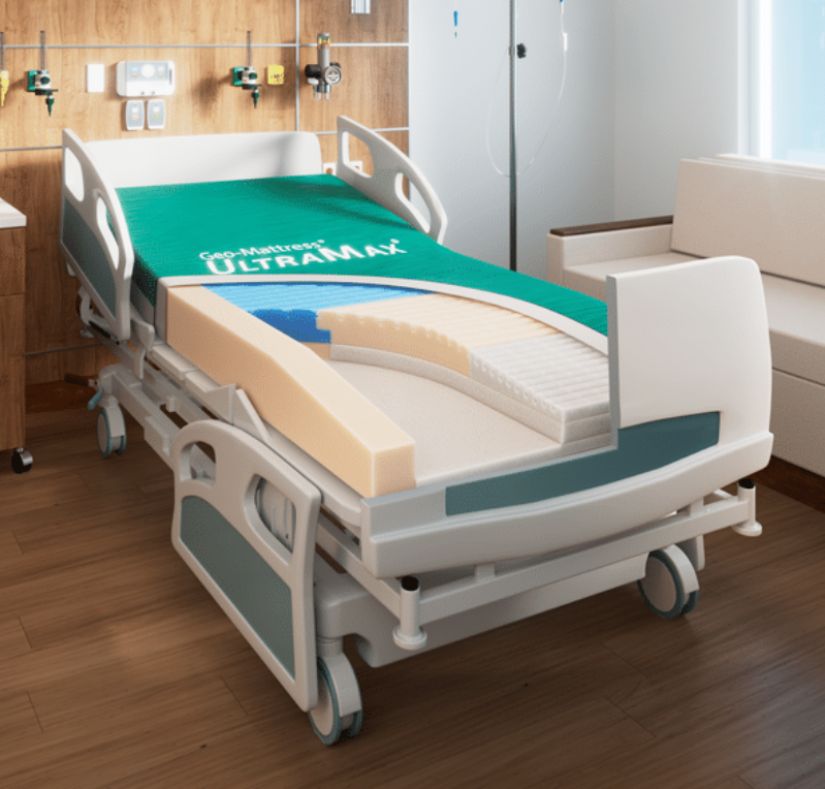
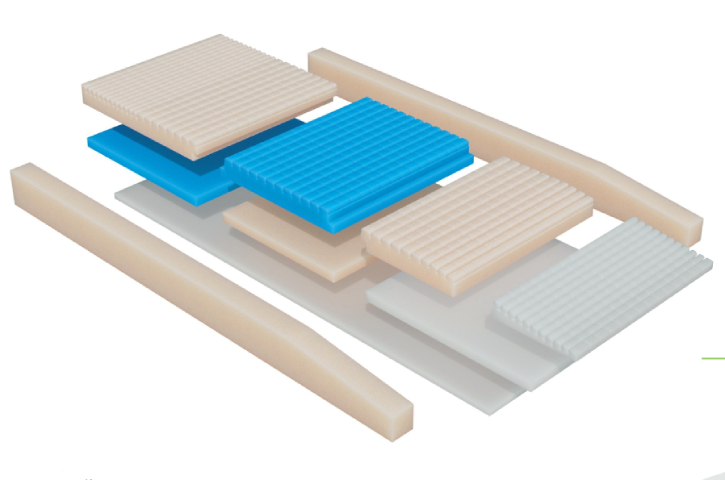
Modern replacement mattresses are engineered to restore reliable pressure redistribution while actively supporting skin integrity and infection control, addressing several prevention priorities at the same time.
The first benefit is the most fundamental. Advanced foam and support surface designs spread weight evenly, relieving pressure on bony prominences and directly supporting HAPU prevention. For the immobile patient who depends entirely on the surface, that reliable redistribution is the difference between protected skin and breakdown.
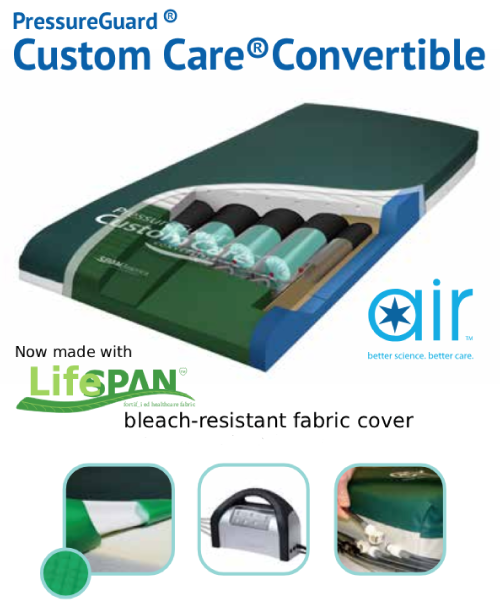
The second benefit addresses the moisture that so often accelerates tissue damage. Breathable, moisture managing covers help keep the skin dry and healthy, reducing the maceration that contributes to breakdown. For wound care nurses focused on skin integrity, this is a meaningful advantage built into the surface itself.
The third benefit protects the whole unit. Fluid impermeable, antimicrobial covers with welded seams block fluids from reaching the foam core, keeping surfaces genuinely cleanable and supporting your healthcare associated infection reduction goals. A cover that cannot be penetrated is a cover that stays safe through every terminal cleaning.
Picture a high risk patient placed on a new replacement mattress. The engineered surface relieves sacral pressure between turns, while the fluid resistant cover keeps the surface clean and intact throughout the entire stay.
- Reliable pressure redistribution for vulnerable patients
- Breathable, skin friendly surfaces that support skin integrity
- Fluid impermeable, cleanable covers that support infection control
- Durable construction that extends the replacement cycle
A quality replacement mattress is a single intervention that strengthens pressure injury prevention, skin health, and infection control together. The final question is where to source surfaces you can trust.
Why Choose SPH Medical for Replacement Hospital Mattresses
SPH Medical brings deep Safe Patient Handling and Mobility expertise to mattress selection, helping facilities match the right replacement surface to their patients and their prevention goals.
SPH Medical provides quality replacement hospital mattresses engineered for pressure redistribution, skin integrity, and infection control. With a consistent focus on evidence based patient and staff safety, the team helps wound care nurses, charge nurses, and value analysis committees choose surfaces that align with WOCN, ANA, and AORN standards. Durable, well engineered surfaces protect patients while supporting cost containment through fewer preventable injuries and longer replacement cycles.
- Quality mattresses built for pressure injury prevention
- Guidance grounded in safe patient handling expertise
- Alignment with WOCN, ANA, and AORN standards
- Support for both patient outcomes and value analysis goals
SPH Medical is a knowledgeable partner in protecting patients from HAPUs, one reliable surface at a time.
Protect Patients From the Surface Up
HAPUs are largely preventable, yet they remain clinically and financially costly. A worn mattress quietly undermines even the best prevention program, and recognizing the signs of a failing surface is essential to stopping injuries before they start. Modern replacement mattresses restore pressure redistribution, protect skin integrity, and support infection control all at once, addressing several priorities with a single intervention.
Pressure injury prevention truly does begin with the surface beneath the patient.
Start with a focused audit of the mattresses across your highest risk units. Document any surfaces showing sagging, poor rebound, or compromised covers, then bring those findings to your value analysis or wound care committee where the evidence can drive an informed decision.
SPH Medical is the trusted source for quality replacement hospital mattresses that help prevent HAPUs. Contact SPH Medical for a quote today and protect your patients from the surface up.
Frequently Asked Questions About SPH Medical Replacement Hospital Mattresses
What is a hospital acquired pressure ulcer (HAPU)? A HAPU is localized damage to the skin and underlying tissue caused by sustained, unrelieved pressure, developing during a patient’s hospital stay. These injuries typically form over bony prominences such as the sacrum, heels, and hips, where pressure restricts blood flow. They range from intact reddened skin to deep wounds exposing muscle and bone, and because they are largely preventable, they carry significant clinical, financial, and quality reporting consequences.
How does a worn mattress increase pressure injury risk? A mattress is engineered to redistribute a patient’s weight evenly across the surface. Over time, the foam breaks down and bottoms out, losing that ability and concentrating force on vulnerable bony prominences. Immobile and high risk patients depend most on the surface between repositioning events, so a degraded mattress places the most vulnerable patients in the greatest danger, even when turning schedules are followed diligently.
How can I tell when a hospital mattress needs replacement? Watch for visible sagging or a permanent indentation that remains after the patient leaves, and for foam that fails to rebound promptly after compression. Also inspect for a cracked, torn, or worn cover, and for stained or saturated foam discovered during inspection. Any surface that has exceeded the manufacturer’s recommended lifespan should be evaluated for replacement as well.
How do I get a quote for replacement hospital mattresses from SPH Medical? Contact SPH Medical directly to request a quote. The team can help you assess the surfaces across your highest risk units, match the right replacement mattresses to your patient population, and ensure your selections align with WOCN, ANA, and AORN standards.