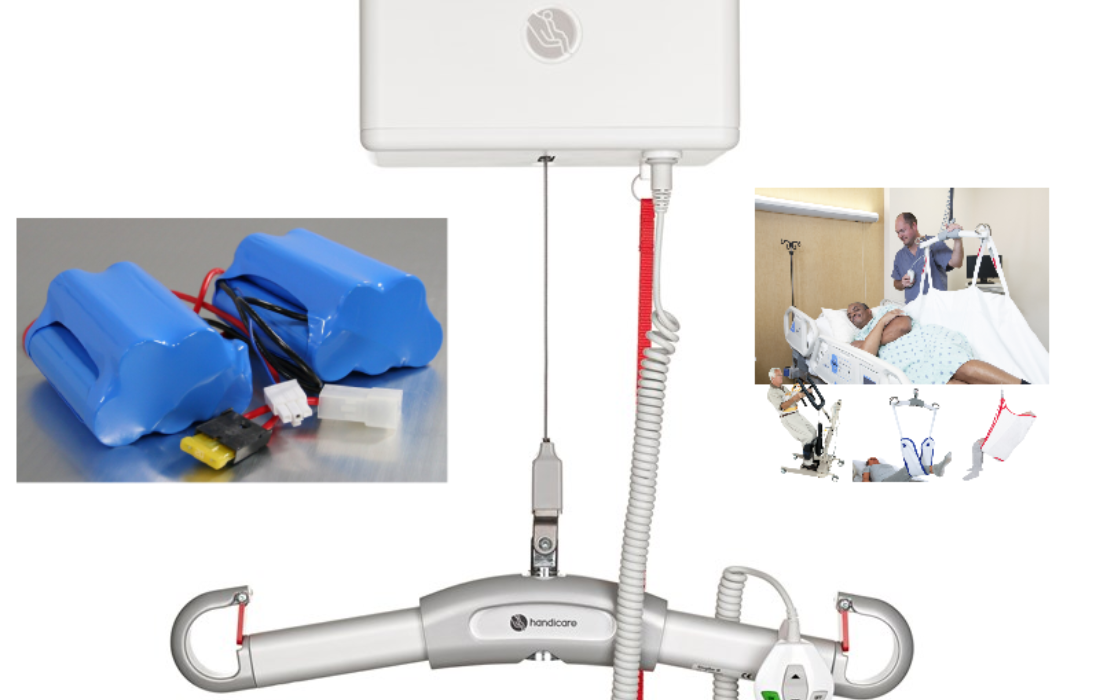
A patient lift tagged out of service forces staff back to manual handling, one of the most injury prone tasks in any facility. SPH Medical supplies genuine spare parts, including replacement slings and batteries, for all the mobile floor lifts and overhead ceiling lifts SPH Medical sells. Getting the right part fast keeps your program running, your staff safe, and your patients moving.
Picture a familiar scene. The morning shift begins, a mobile floor lift gets tagged out of service, and within the hour two nurses are manually boosting a patient up in bed. No equipment. No second thought. Just backs bending and loads accumulating — exactly the situation a safe patient handling and mobility (SPHM) program exists to prevent.
Equipment downtime is a direct threat to staff safety. The solution is not always a new lift. More often, it is the right spare part, sourced quickly, from a supplier who actually understands the equipment. That is where SPH Medical comes in.
Why Do Proper Spare Parts Matter for Your SPHM Program?
Patient lift equipment is life safety equipment. Every component, from slings to batteries to structural hardware — plays a role in keeping both patients and caregivers out of harm’s way.
According to evidence published in the Online Journal of Issues in Nursing (Nelson and Baptiste, 2004), nursing personnel rank among the top ten occupations for work-related musculoskeletal injuries, with patient handling directly responsible for a significant share of those injuries. The same body of research confirms that the use of patient handling equipment and devices is one of the few interventions with strong evidence of effectiveness in reducing caregiver injury.
When a lift sits idle because a part is unavailable or incorrect, staff revert to manual handling. That reversion carries real cost: lost workdays, workers’ compensation claims, and cumulative injury that ends careers. Keeping your lift program operational with properly maintained equipment and genuine spare parts is not a maintenance issue — it is a patient and staff safety issue.
What Are the Hidden Risks of Using Unvetted Third-Party Suppliers?
Not every supplier who lists lift parts online understands patient lift equipment. Some third-party vendors supply parts that are not tested or validated for the specific lift models in use. The risks are significant:
- Incorrect specifications that compromise load ratings or structural integrity
- Incompatible components that void manufacturer warranties
- Delayed sourcing when parts turn out to be wrong and need to be reordered
- Inflated pricing from distributors who treat healthcare facilities as captive buyers
Unvetted suppliers may also lack the clinical context to guide purchasing decisions. Selecting a replacement sling, for example, requires understanding patient weight capacity, lift compatibility, and positioning requirements — not just a part number match. Paying more for a part from a supplier who cannot answer those questions is a poor return on any budget.
SPH Medical: Expert Knowledge Across the Patient Lift Equipment
SPH Medical has been in the safe patient handling industry for more than 14 years. That experience covers the full range of patient lift equipment SPH Medical sells, mobile floor lifts and overhead ceiling lifts, along with the accessories and consumables that keep those systems functioning safely.
An important distinction: SPH Medical supplies spare parts for the patient lift equipment that SPH Medical sells. SPH Medical does not supply parts for every brand or model on the market. This focus is intentional. It means every part sourced through SPH Medical is matched to equipment the team knows in depth, reducing the risk of incompatibility and ensuring the clinical team gets accurate guidance with every order.
Whether a facility needs a caster, actuator, a replacement sling, or a battery pack, SPH Medical brings product knowledge and SPHM context to the conversation, not just a catalog.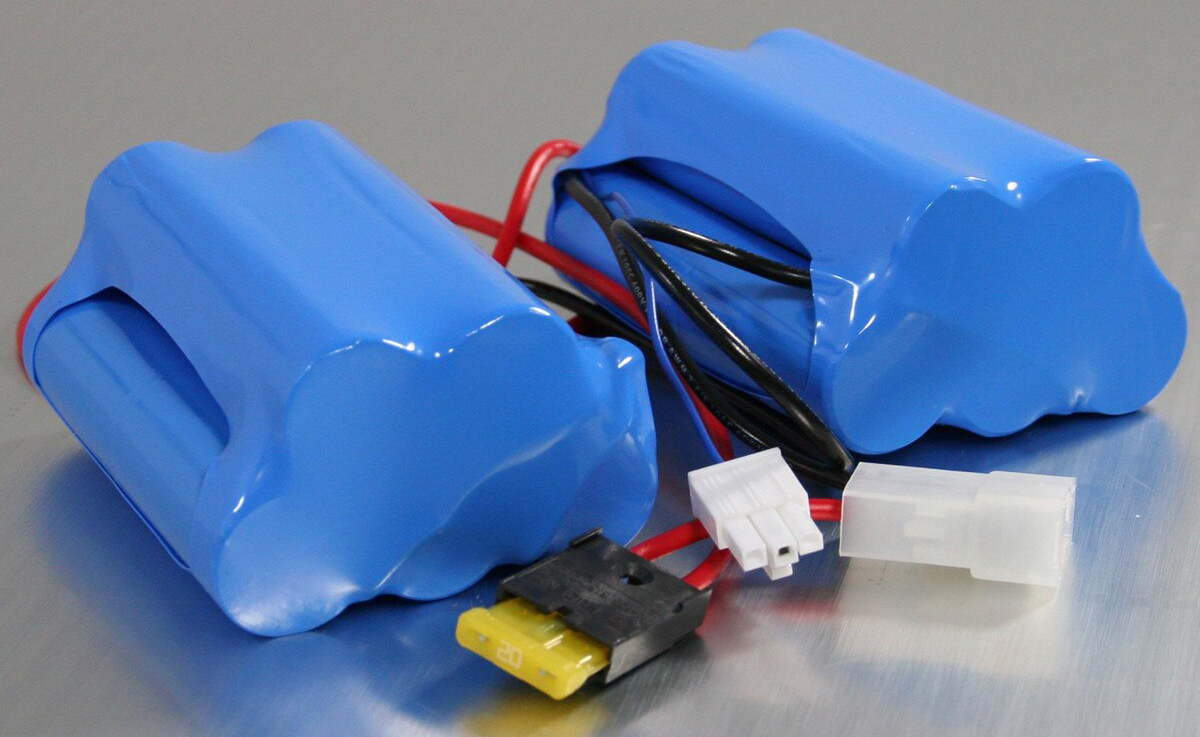
Why Are Replacement Slings a Critical Safety Component for Patient Lifts?
Slings are the most direct point of contact between a patient and a lift system. They are also consumable. Over time and with regular use, sling fabric degrades, stitching weakens, and attachment points wear. Using a damaged or incorrect sling is a patient safety risk and a staff safety risk.
Replacement slings must meet the weight capacity of the lift, be compatible with the hook and loop or bar attachment system in use, and match the patient’s clinical needs; supine, seated, repositioning, or ambulation. Selecting the wrong style can compromise positioning, increase injury risk, and disrupt care delivery.
SPH Medical offers replacement slings that are universally compatible for hook hook and clip style patient lifts. This includes the SPH Medical single patient use Breathable Repositioning Sheet. With a 1,000 pound capacity and universal compatibility with hook and loop patient lifts — both mobile and overhead ceiling lifts — the Breathable Repositioning Sheet is engineered for repositioning and turning patients in bed without manual effort. Its breathable fabric is approved by wound care nurses for use throughout the entire length of a patient’s stay, supporting skin integrity and pressure injury prevention goals simultaneously. For facilities running an SPHM program, keeping this consumable stocked is as important as keeping the lifts themselves operational.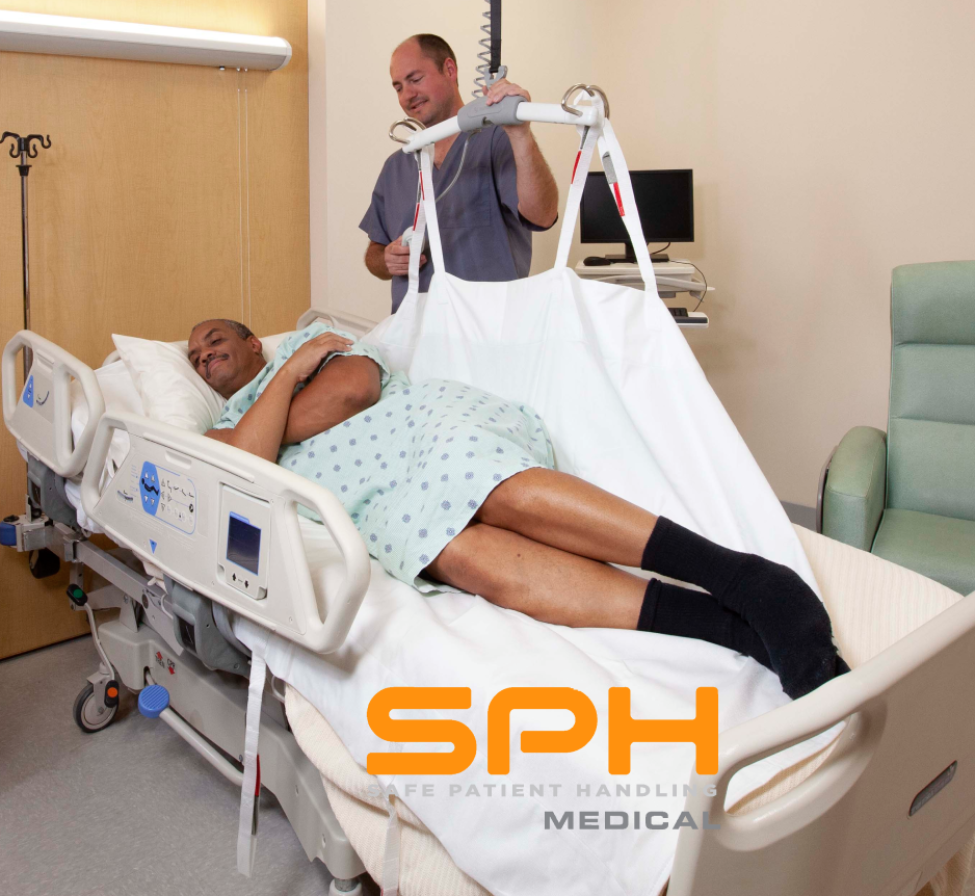
What Should Facilities Know About Replacement Batteries for Patient Lifts?
Mobile floor lifts and some overhead ceiling lift systems rely on battery power. A failing battery reduces lift performance, limits operational hours, and can result in a lift being removed from service at the worst possible time.
Battery replacement is one of the most common maintenance needs across mobile lift fleets. Signs that a battery requires attention include reduced charge retention, slower lift response, and error indicators on the control panel. Waiting until a battery fails entirely means unplanned downtime — and unplanned downtime means manual handling.
SPH Medical supplies replacement batteries for the mobile and overhead lift systems SPH Medical sells. Proactive battery replacement, scheduled as part of a regular maintenance cycle, is far less costly than emergency downtime and the associated staff safety exposure.
How Do You Get the Right Spare Parts Fast?
Speed matters when a lift is tagged out. Follow this checklist before requesting a quote to reduce delays and improve the accuracy of every order:
- Locate your user manual. The manual contains part numbers, diagrams, and component specifications specific to your lift model.
- Record the model and serial number. These are typically found on a label affixed to the lift frame or base.
- Identify the part visually if possible. A clear description or photograph of the worn or damaged component helps confirm the correct replacement.
- Note the lift type. Specify whether the unit is a mobile floor lift or an overhead ceiling lift system.
- Check sling labels. Replacement slings often include a style code, size designation, and weight capacity printed on the label or sewn into the fabric.
If a part number is not available, a detailed description is a strong starting point. The SPH Medical team can work from that description to identify the correct component for the equipment in question.
Get the Parts You Need — Contact SPH Medical for a Quote
A lift out of service is a staff safety event waiting to happen. The right spare part, sourced from a supplier who knows the equipment, gets your program back on track with minimum disruption.
SPH Medical offers spare parts for all the patient lift equipment SPH Medical sells. Not every part is listed online, so do not hesitate to call or send a message with your request. The team is ready to help identify the correct component, confirm compatibility, and provide a quote.