
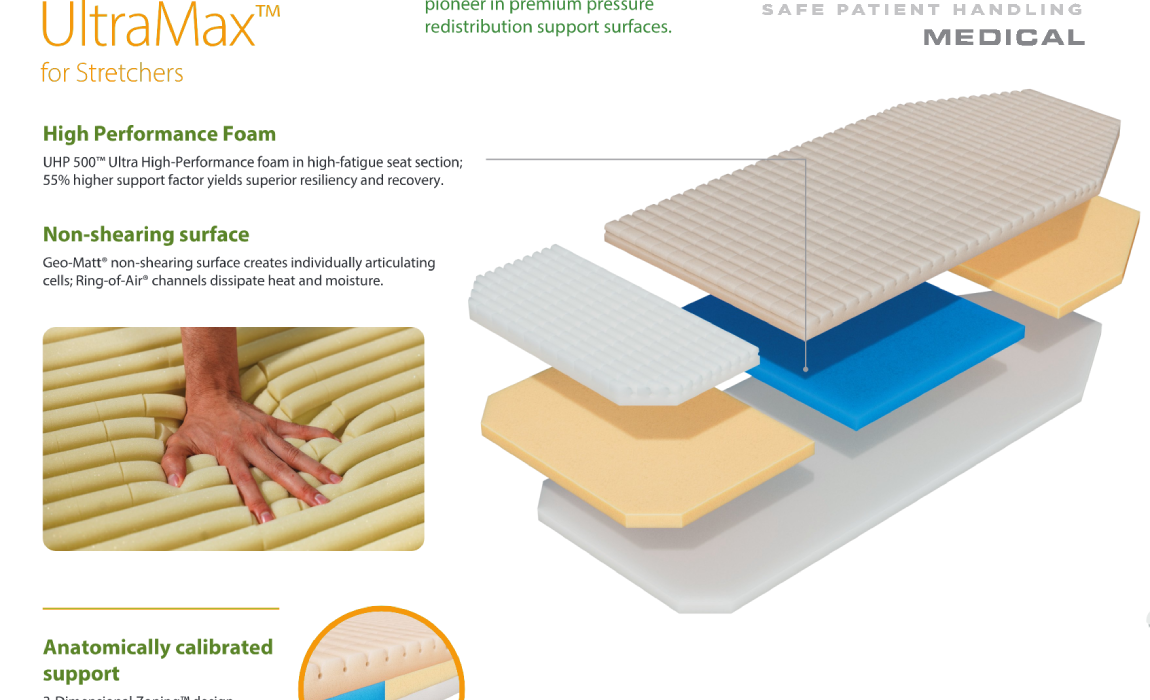
Geo Mattress UltraMax replacement for stretchers
CategoriesHospital Mattresses

The Value of Replacing Hospital Stretcher Pads with New Mattresses

Picture a stretcher pad in a busy emergency department. The cover looks clean. The surface feels firm enough. From across the room, nothing seems wrong. Yet beneath that intact looking cover, the foam has cracked and compressed, and trapped fluids have seeped into the core where no cleaning cloth can reach. This pad passed every visual check, and it will carry dozens of patients this week. Each one deserves better.

Worn stretcher pads are a silent liability. They quietly raise the risk of pressure injuries, spread infection, and strain the staff who move patients across them, all long before any visible damage appears. Because stretcher surfaces cycle through more patients than almost any other equipment in a facility, that hidden decline matters enormously.

This article walks through why stretcher mattress replacement deserves a place on your safety agenda. As well as examin the value of replacing hospital stretcher pads with new mattresses.

Here is what you will take away:

  • Why aging pads threaten patient skin integrity and safety
  • How worn surfaces undermine infection control standards
  • The ergonomic toll worn pads place on caregivers during transfers
  • The clinical and financial return of modern mattress upgrades
  • The regulatory expectations you cannot afford to overlook

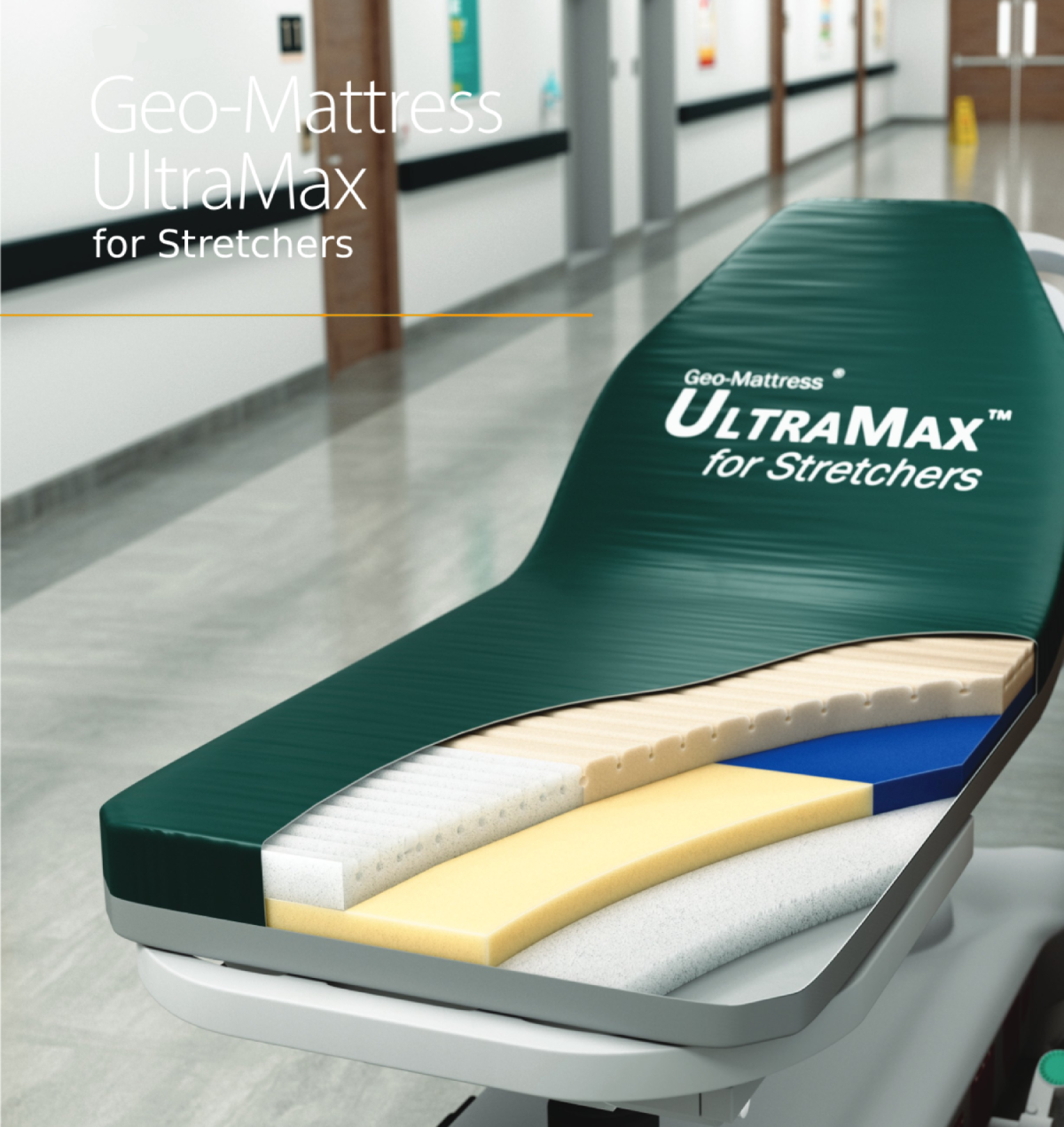
Grounded in evidence based Safe Patient Handling and Mobility (SPHM) practice, and aligned with ANA and AORN standards, this discussion starts with a simple truth: patient safety begins with the surface beneath the patient.SPH Medical Geo-Mattress UltraMax for Stretchers
Patient Safety and Skin Integrity

How do degraded stretcher pads directly threaten patients? The answer starts with pressure redistribution, the single most important job a support surface performs.

A stretcher surface that has lost its pressure redistribution properties turns even a short procedural stay into a pressure injury risk. Over time and under constant weight, foam breaks down and “bottoms out.” When that happens, the surface can no longer spread the patient’s weight evenly. Instead, force concentrates on bony prominences such as the sacrum, heels, and shoulder blades, exactly the areas most vulnerable to tissue damage.

The problem grows worse because stretcher stays are rarely as brief as we assume. Patients in the emergency department, imaging suites, and preoperative holding areas often remain on these surfaces for hours. What the schedule calls “temporary” can easily stretch into a shift long stay on a surface never designed to protect skin for that duration.

Consider a patient held on a worn emergency department stretcher for six hours during a busy shift. By the time they reach an inpatient bed, early stage tissue damage may already be underway, an injury that began before formal admission and one that could have been prevented.

Wound care teams know the warning signs. A quick assessment can reveal a great deal.

Signs a pad no longer protects skin:

  • Visible sagging or a permanent indentation that remains after the patient leaves
  • Foam that fails to rebound promptly after compression
  • Cover creasing that creates shear points against the skin

Modern stretcher mattresses restore reliable pressure redistribution, protecting vulnerable patients during the very intervals most facilities overlook. Skin protection, however, is only part of the picture. Surface integrity also governs infection control.

Infection Control and Hygiene Standards

Why are worn covers a genuine infection risk, and not simply a cosmetic concern? Because a compromised cover is not a blemish. It is a breach in your facility’s infection barrier.

Cracks, punctures, and worn seams allow fluids and pathogens to penetrate the foam core beneath the cover. Once contamination reaches the interior, it becomes untouchable. No surface wipe down, no matter how thorough, can reach the saturated foam inside. That hidden reservoir persists through every terminal cleaning, quietly undermining the protocols your infection prevention team works so hard to enforce.

The danger is that these surfaces often look acceptable. Imagine a biomedical engineer opening a cover during inspection and finding stained, saturated foam beneath a surface that passed every visual check. The pad looked fine at the bedside. Under the cover, it told a very different story.

This is where surface engineering earns its value. Fluid impermeable, antimicrobial covers with welded seams create a true barrier that blocks fluids from ever reaching the core. These surfaces directly support your goals for reducing healthcare associated infections (HAIs) and help keep cleaning protocols effective rather than merely hopeful.

Replacing aging pads with mattresses that feature welded seams and fluid resistant covers closes a hidden gap in your infection prevention strategy. Beyond the patient, the surface itself also shapes how safely staff can move them.

Caregiver Ergonomics During Patient Transfers

How do stretcher surfaces affect staff injury risk? More than most teams realize. Lateral transfers to and from stretchers rank among the highest risk patient handling tasks in any facility, and the surface directly influences the force those transfers require.

Worn, high friction covers increase the push and pull forces needed to move a patient during lateral transfers. Every added pound of resistance travels straight into the caregiver’s shoulders and lower back. Repeated across a shift, that strain accumulates into the kind of musculoskeletal injuries that sideline experienced staff and drive up costs.

Engineered surfaces work the opposite way. Low friction covers pair with air transfer mats and friction reducing devices to lower the biomechanical load on the body. The difference is not subtle. Biomechanical testing consistently confirms that assistive devices and low friction surfaces dramatically reduce spinal load compared with manual handling across a degraded surface.

Think of a preoperative team performing dozens of stretcher transfers per shift. When each transfer means dragging a patient across a worn, sticky surface, the cumulative strain compounds hour after hour. The surface becomes a daily injury risk hiding in plain sight.

Worn pad versus modern mattress transfer:

  • Worn pad: higher friction, greater manual force required, elevated musculoskeletal risk
  • Modern mattress: compatible with assistive devices, reduced force, safer handling for staff and patient

Upgrading surfaces supports your SPHM program directly by reducing the effort, and the injuries, tied to one of nursing’s most demanding tasks. These safety gains also carry measurable clinical and financial weight.

Clinical and Financial ROI of Modern Stretcher Mattresses

Does replacement pay for itself? The math is compelling once you weigh the true cost of doing nothing.

The cost of a new stretcher mattress is minor against the price of a single hospital acquired pressure injury or a single staff injury claim. A stage 3 or stage 4 pressure injury can cost tens of thousands of dollars in treatment, extended length of stay, and potential loss of reimbursement, since many of these injuries are considered preventable and are not reimbursed. One serious event can eclipse the cost of replacing surfaces across an entire unit.

Staff injuries carry their own heavy price. Every musculoskeletal injury tied to a difficult transfer means lost workdays, workers compensation claims, and the expense of covering an absent caregiver. Reducing those injuries protects both your people and your budget. Durable modern surfaces add further value by extending replacement cycles, which lowers long term equipment spending.

Where the ROI shows up:

  • Fewer hospital acquired pressure injuries
  • Reduced workers compensation claims and lost workdays
  • Shorter lengths of stay tied to better skin outcomes
  • Improved patient satisfaction and HCAHPS scores
  • Extended surface durability and fewer premature replacements

Picture a value analysis committee comparing the one time cost of facility wide mattress replacement against the documented cost of preventable pressure injuries over a single year. When the numbers are laid side by side, replacement stops looking like an expense. It becomes a high return investment that aligns directly with process improvement and cost containment goals. Beyond the return, regulatory expectations make this a compliance issue as well.

Regulatory and Compliance Considerations

What standards apply to stretcher surfaces? More than many teams track, and aging surfaces can quietly put your facility out of step with accreditation and safety expectations.

Accreditation surveyors and infection control standards expect intact, cleanable surfaces that are free of cracks, tears, and damage. A pad with a compromised cover is a survey finding waiting to happen. SPHM programs guided by ANA and AORN standards further call for equipment that reduces manual handling risk, which places worn, high friction surfaces squarely in the spotlight. On top of these expectations, manufacturer guidance on surface lifespan and inspection frequency should anchor your replacement policy rather than being left to guesswork.

A structured approach keeps you ready.

Compliance readiness checklist:

  • A documented surface inspection schedule with clear intervals
  • Clear criteria for removing a surface from service
  • Alignment with your SPHM and infection prevention policies

A proactive replacement program demonstrates due diligence and keeps your facility survey ready. Now it is time to bring these threads together into a clear path forward.

Worn stretcher pads compromise skin integrity, breach infection barriers, strain caregivers, and expose facilities to avoidable cost and compliance risk. That is four distinct threats carried by a single piece of equipment that too often escapes scrutiny. Modern stretcher mattresses address all four concerns at once, restoring pressure redistribution, sealing out fluids and pathogens, easing transfers, and protecting your bottom line.

Patient and staff safety truly do begin with the surface beneath the patient.

The most practical next step is a surface audit across your highest use areas. Walk the emergency department, imaging, preoperative holding, and the PACU. Open the covers, test the foam, and document what you find. Then bring those findings to your value analysis or SPHM committee, where the evidence can drive an informed decision.

Stretcher mattress replacement is a straightforward, evidence based step toward safer patients, healthier staff, and a stronger bottom line. Few investments in patient safety deliver so much for so reasonable a cost.

Frequently Asked Questions

How often should hospital stretcher pads be replaced?
There is no single universal interval, because replacement depends on usage volume, cleaning practices, and manufacturer guidance. High traffic surfaces in the emergency department or PACU wear faster than those used occasionally. The best practice is a documented inspection schedule paired with clear criteria for removal from service, so decisions rest on condition rather than guesswork.

How can I tell if a stretcher pad has bottomed out?
Press firmly on the surface and watch how it responds. Foam that fails to rebound promptly, shows a permanent indentation, or lets you feel the rigid base underneath has likely bottomed out. Visible sagging is another clear sign. Once a pad reaches this state, it no longer redistributes pressure and should be removed from service.

Do modern stretcher mattresses really reduce transfer injuries?
Yes. Low friction surfaces reduce the push and pull forces required during lateral transfers, and they pair effectively with air transfer mats and friction reducing devices. Biomechanical testing consistently shows that assistive equipment and low friction surfaces lower spinal load compared with manual handling. That reduction translates directly into fewer musculoskeletal injuries among staff.

Are worn covers actually an infection risk if the surface looks clean?
Absolutely. A cover can look clean while cracks, punctures, or worn seams allow fluids and pathogens to reach the foam core beneath. Once contamination penetrates the interior, no surface cleaning can remove it, creating a hidden reservoir that persists through terminal cleaning. Intact, fluid impermeable covers are essential to a genuine infection barrier.

How do I justify replacement costs to a value analysis committee?
Frame the conversation around avoided costs. Compare the one time price of replacement against the documented cost of preventable pressure injuries, workers compensation claims, extended lengths of stay, and lost reimbursement. When presented side by side, the return on investment is clear, and replacement aligns naturally with process improvement, safety, and compliance goals.
CategoriesPatient Handling

Navigating Post-Pandemic Challenges in Emergency Departments: A Focus on Patient Satisfaction and Care Quality

The COVID-19 pandemic has left an indelible mark on healthcare systems worldwide, with emergency departments (EDs) bearing a significant brunt of its impact. Even as the pandemic subsides, EDs continue to grapple with numerous challenges, from resource constraints and staffing shortages to excessive demand. As we navigate this new normal, it becomes crucial to analyze these issues and strategize effective solutions based on evidence-based practices, innovative technologies, patient satisfaction and care quality.

Understanding the Impact on Patient Care and Staff Morale

The overburdening of EDs due to the pandemic has had far-reaching consequences on both patient care and staff morale. Patients face long waiting times, often in uncomfortable conditions, which can negatively affect their satisfaction and overall experience. Meanwhile, the increased workload and stress have led to high staff turnover rates, particularly in critical departments like the ED.

Patients are the heart of any healthcare institution, and their experience is paramount. In a bustling ED, patients often encounter extended wait times and uncomfortable conditions due to the overwhelming demand. These stressful circumstances can have a profound impact on their satisfaction levels and overall healthcare experience.

In fact, research shows a direct correlation between long wait times and decreased patient satisfaction. What’s more, uncomfortable conditions, such as old or inadequate stretcher pads, can exacerbate patients’ discomfort and anxiety. This results not only in a negative patient experience but also in potential health complications, such as pressure ulcers.

Staff Morale – The Silent Victim

While patients bear the brunt of the overburdened ED, the staff working tirelessly behind the scenes are equally affected. The increased workload and stress due to the surge in demand have led to alarmingly high staff turnover rates and an effect on patient satisfaction and care quality.

Frontline healthcare workers, particularly those in critical departments like the ED, are grappling with unprecedented levels of stress and burnout. This not only affects their mental and physical well-being but also impacts the quality of care they can provide to patients. High staff turnover rates further compound the issue, leading to a vicious cycle of understaffing and overworking.

An Urgent Call to Action; Patient Satisfaction and Care Quality

The far-reaching consequences of overburdened EDs on patient care and staff morale underscore the urgent need for effective solutions. From improving patient comfort through innovative products like the UltraMax for Stretchers to addressing staff burnout through comprehensive support systems, it’s time for healthcare institutions to take decisive action. By doing so, we can enhance patient satisfaction and care quality, boost staff morale, and ultimately, deliver the high-quality care that every individual deserves.
Addressing the Challenges: Evidence-Based Practices and Innovative Approaches

Overcoming these challenges calls for a multifaceted approach that combines evidence-based practices with innovative solutions. One proven strategy is optimizing the physical comfort of patients. Upgrading outdated stretcher pads to high-quality, comfortable ones, such as UltraMax for Stretchers, can significantly enhance the patient’s experience. These pads not only provide superior pressure redistribution, but they also prevent pressure ulcers, thus improving patient comfort and satisfaction.

Additionally, addressing staffing shortages through strategies like flexible staffing models, prioritizing staff well-being, and providing adequate support and resources can help boost morale and reduce turnover.

The Imperative of Improving Patient Satisfaction and Care Quality

In conclusion, addressing the ongoing challenges in EDs requires a comprehensive and strategic approach. By focusing on enhancing patient comfort, improving staff morale, and integrating innovative solutions, EDs can significantly improve patient satisfaction and continue to deliver high-quality care in these demanding times. Replacement stretcher pads are a cost effective way to improve patient satisfaction, comfort and overall patient care. Contact SPH Medical to learn more about the UltraMax replacement stretcher pad for hospitals and request a quote.

CategoriesPatient Handling

The Vital Role of Stretcher Pads and Regular Pad Replacement

Preventing Pressure Ulcers in Hospitals: The Vital Role of Stretcher Pads and Regular Pad Replacement

Pressure ulcers, commonly known as bedsores, pose a significant health risk in hospital settings. These sores can lead to severe complications, including infections and prolonged hospital stays, making their prevention an integral part of patient care. Pressure ulcers, also known as bedsores or decubitus ulcers, are injuries to the skin and underlying tissue that result from prolonged pressure on the skin. These wounds commonly develop on areas where the bones are close to the skin, such as the heels, ankles, hips, and tailbone. In this article we will be discussing the vital role of stretcher pads and regular pad replacement play in the prevention of pressure ulcers.

The impact of pressure ulcers extends beyond physical discomfort. They can lead to serious complications, such as infections and tissue damage, significantly affecting patient health and recovery. Furthermore, treating pressure ulcers requires additional medical resources, escalating healthcare costs.

Complications often develop with decubitus ulcers, with infection being the most common problem. Grade III and IV ulcers, in particular, require intensive management as their complications can be life-threatening. Infections can also spread from a pressure ulcer into underlying joints (septic arthritis) and bones (osteomyelitis). Both of these infections can damage the cartilage, tissue, and bone, and may also affect the joints and limbs.

If left untreated, pressure sores are extremely difficult to heal and may even lead to death. Certain risk factors increase the likelihood of pressure ulcer development, including immobility, debilitating illness, heart failure, chronic heart diseases, kidney disease, anemia, mental illness, Alzheimer’s disease, and even cleansing with soap and water.

Therefore, understanding pressure ulcers, their causes, effects, and potential complications, is paramount in healthcare settings. This knowledge forms the basis for effective prevention strategies, early intervention, and appropriate treatment, ultimately improving patient outcomes and reducing healthcare costs.

Prevention and Treatment of Pressure Ulcers

While treatments for pressure ulcers include dressings, creams, and sometimes surgery, prevention is the most effective strategy. Prevention strategies include regular repositioning, good nutrition and hydration, and using pressure-relieving devices like specialized mattresses and pads.

The Role of Stretcher Pads in Pressure Ulcer Prevention

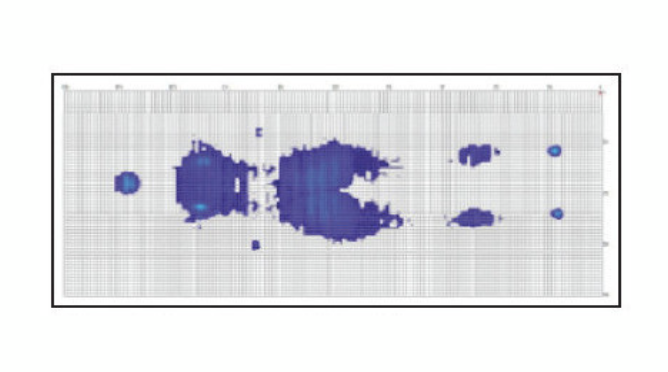
This is where stretcher pads come into play. These pads are designed to distribute a patient’s weight more evenly, reducing the pressure on any one area of the body and thus lowering the risk of ulcer development. SPH Medical’s line of Geo-Mattress UltraMax stretcher pads are among the best in this regard. These pads feature a unique geometric design that maximizes body weight distribution and minimizes tissue interface pressures, making them an excellent choice for healthcare facilities.

Stretcher pads play an invaluable role in preventing pressure ulcers, particularly in settings like the emergency department where patients may endure long waits. These specialized pads work by effectively managing and distributing the pressure applied to patients, a crucial aspect of pressure ulcer prevention and treatment care protocols.

One of the key elements in stretcher pads that aid in pressure ulcer prevention is the use of specific materials such as foam. Foam surfaces are widely used with the aim of preventing pressure ulcers by providing a softer, more yielding surface that reduces the intensity of pressure on any one area of the skin.

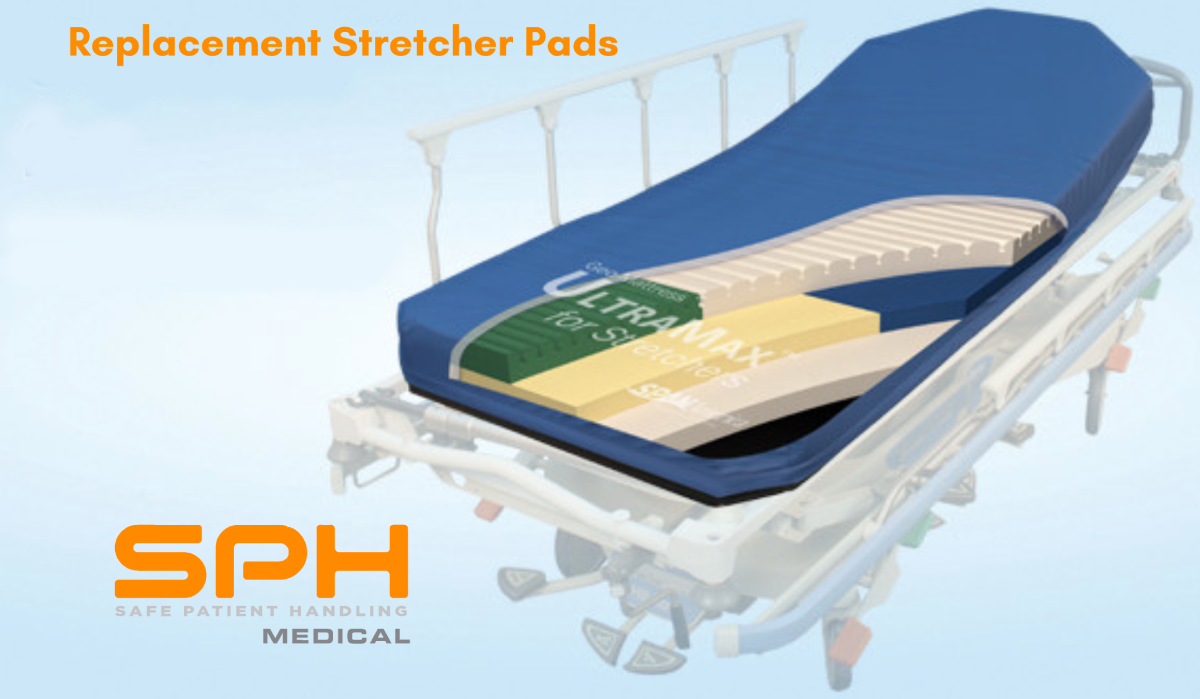
Moreover, certain stretcher pads employ advanced technologies for added effectiveness. For instance, SPH Medical’s stretcher pads use a patented design in their 2″ mattress topper ensures superior protection from shear forces with shear minimizing bands beneath the heels, sacrum and scapula.

In surgical settings, the use of gel pads and other devices can help position patients to reduce the risk of pressure injury development during surgery. Similarly, in situations where a person slides down in bed or chair, causing blood vessels to stretch or bend, even slight rubbing or friction on the skin may cause pressure ulcers. Here, the right stretcher pad can make a significant difference.

Pressure-reducing devices, including stretcher pads, can lower tissue pressure to less than the capillary closing pressure, further aiding in preventing pressure ulcers. They can be applied to areas of the body vulnerable to pressure, friction, shear, and moisture, such as the sacrum and heels. By redistributing pressure, reducing friction and shear force to the skin, and managing humidity, these devices can help prevent pressure ulcers.

In conclusion, stretcher pads play a critical role in pressure ulcer prevention. Investing in high-quality stretcher pads equipped with advanced technologies can significantly contribute to patient comfort, recovery, and overall healthcare cost efficiency.

The Importance of Stretcher Pad Replacement and Maintenance

Just as crucial as having quality stretcher pads is maintaining them properly and replacing them when necessary. Over time, even the best stretcher pad can wear out and lose its effectiveness. Regular maintenance checks will ensure that your stretcher pads are always in top condition. When the time comes for replacement, choosing a reliable and proven product like the Geo-Mattress UltraMax can make a significant difference in pressure ulcer prevention.

Conclusion

In conclusion, pressure ulcers represent a substantial concern within healthcare settings. However, with the right understanding and preventive measures, they are largely avoidable. The key lies in comprehending the causes of these ulcers and investing in high-quality preventive tools, such as top-tier stretcher pads.

The financial implications of pressure ulcer prevention cannot be overstated. The direct costs associated with treating pressure ulcers can be significant, including prolonged hospital stays, additional nursing time, and the potential for surgical intervention. By contrast, investing in quality stretcher pads like the Geo-Mattress UltraMax and scheduling regular pad replacements is a cost-effective strategy that can significantly reduce these expenses.

Furthermore, reducing the incidence of pressure ulcers can also indirectly save costs by improving patient satisfaction and reducing the risk of readmissions, both of which can impact a facility’s bottom line. It can also enhance a healthcare facility’s reputation for providing high-quality, patient-centered care.

Therefore, making the right choice for your healthcare facility goes beyond just choosing quality and comfort. It’s about making a strategic decision that can improve patient outcomes, boost patient satisfaction, and result in significant cost savings. Choose wisely – choose the Geo-Mattress UltraMax for your stretcher pad or hospital bed replacement.

Replacing stretcher pads improves patient care and patient satisfaction
CategoriesPatient Handling

The Need to Replace Stretcher Pads

In recent years, hospitals have faced unprecedented challenges, with patient overflow and the constant use of stretchers in hallways becoming all too common. As a result, the need to replace worn-out stretcher pads has never been more crucial. In this article, we will explore the top five reasons why it’s time for hospitals to invest in new stretcher pads for their Emergency Departments and throughout their facilities. From pressure relief and redistribution to patient satisfaction and infection prevention, these essential factors highlight the importance of maintaining high-quality stretcher pads to ensure optimal patient care and overall hospital efficiency.

Stretcher Pads Provide Pressure Relief and Pressure RedistributionReplacement Stretcher Pads with advanced pressure redistribution and reduction of peak pressures

A key factor in patient care is providing adequate pressure relief and redistribution to prevent the development of pressure ulcers, also known as bedsores. Over time, stretcher pads can lose their ability to effectively redistribute pressure, leading to an increased risk of skin breakdown and other complications. Additionally, “bottoming out” occurs when a patient’s body sinks through the pad, causing direct contact with the stretcher’s hard surface. Replacing stretcher pads regularly ensures that patients receive proper support, reducing the likelihood of pressure-related injuries during their stay.

  • Infection prevention: Infection control is a top priority in hospitals, and old, worn-out pads can harbor harmful bacteria and pathogens, increasing the risk of hospital-acquired infections (HAIs). Newer pads are designed with antimicrobial materials and easy-to-clean surfaces, helping to minimize the spread of infection. By replacing old pads with these advanced options, hospitals can enhance their infection control measures and provide a safer environment for patients and staff alike.
  • Stay cool and reduce moisture: Excessive heat and moisture can contribute to skin breakdown and discomfort for patients confined to stretchers for extended periods. Modern stretcher pads often incorporate temperature-regulating and moisture-wicking technologies, helping to keep patients cool and dry during their stay. This not only reduces the risk of skin irritation and pressure ulcers but also promotes overall patient comfort and well-being.
  • Improving patient comfort: Patient comfort is a critical aspect of quality care, and uncomfortable stretcher pads can negatively impact a patient’s experience. Worn-out pads may become uneven or lumpy, causing discomfort and pain for those who must lay on them for hours at a time. By investing in new, high-quality stretcher pads, hospitals can significantly improve patient comfort, reducing stress and anxiety during what can already be a challenging time.
  • Patient satisfaction and safety: Lastly, patient satisfaction and safety go hand-in-hand when it comes to healthcare. By addressing factors such as pressure relief, infection prevention, temperature regulation, and overall comfort, hospitals can enhance the patient experience and promote a culture of safety. Replacing old stretcher pads is a relatively simple yet impactful way to demonstrate a commitment to patient-centered care, ultimately leading to higher levels of satisfaction and trust in the hospital’s services.

In conclusion, replacing old and worn-out pads is a crucial step in enhancing patient care and promoting a safe hospital environment. By addressing pressure relief and redistribution, infection prevention, temperature regulation, patient comfort, and satisfaction, hospitals can significantly improve their patients’ experiences and overall well-being. We urge hospital administrators to consider investing in SPH Medical’s UltraMax for Stretchers, a top-quality solution designed to meet all these needs. To learn more about the benefits of UltraMax replacement stretcher pads and to request a quote, visit the product page today. Take action now and demonstrate your commitment to providing exceptional patient-centered care by upgrading your facility’s stretcher pads.

Contact SPH Medical and request a quote today for UltraMax for Stretchers.

Add to cart