The Foundation of Safety: Why Breathable Repositioning Sheets Are the Core of Safe Patient Handling
In the landscape of modern healthcare, patient lifts are a familiar sight. Ceiling lifts and mobile floor lifts are widely recognized as essential tools for Safe Patient Handling (SPH). Yet, despite the prevalence of these mechanical aids, a critical gap often remains in injury prevention protocols. That gap lies in the interface between the patient and the machine: the repositioning sheet.
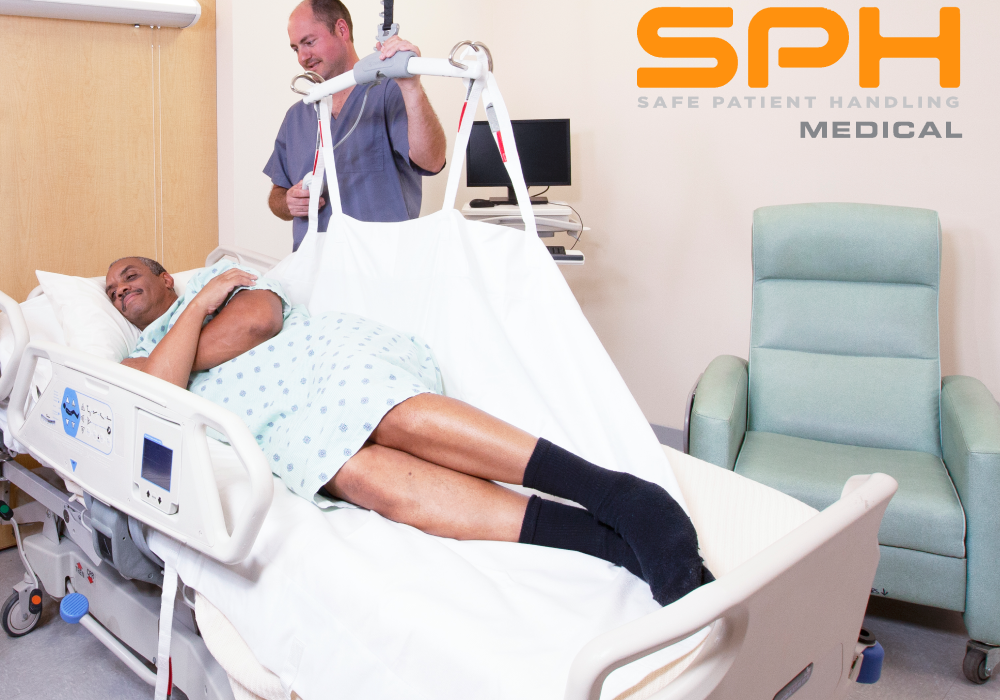
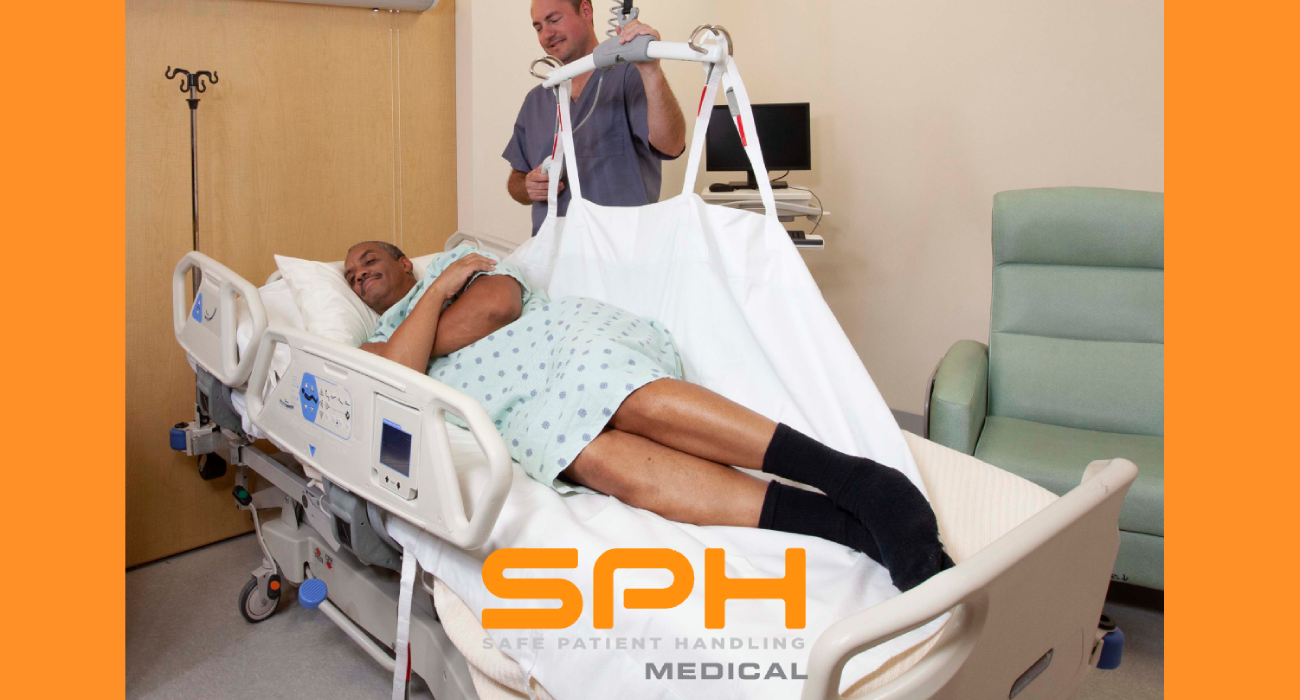
Effective safety programs do not rely on machinery alone; they rely on the seamless integration of technology and daily workflow. SPH Medical’s breathable repositioning sheets are not merely accessories to a lift system; they are the foundation upon which a high-functioning safety protocol is built. By transforming high-frequency, high-risk manual tasks into safe, mechanical procedures, these sheets protect nursing staff from career-ending injuries and safeguard vulnerable patients from skin breakdown.
The Hidden Danger of “Routine” Care
The most dangerous tasks in a hospital are often the most routine. While transferring a patient from bed to chair gets significant attention, the act of boosting, turning, and repositioning a patient in bed occurs far more frequently. Nurses and support staff perform these micro-movements dozens of times per shift, often assuming that “just one quick boost” won’t hurt.
The Cumulative Trauma of Repositioning
The reality is that these repetitive manual tasks are the leading cause of musculoskeletal disorders (MSDs) in healthcare. The cumulative strain on the spine and shoulders from awkward body postures leads to severe sprains, strains, and debilitating back injuries. The risk is compounded by the changing demographics of the patient population. With rising average BMIs, it is physically impossible for staff to manually maneuver bariatric patients safely. When a nurse attempts to boost a 300-pound patient without mechanical aid, the forces exerted on the lumbar spine far exceed safety limits defined by the National Institute for Occupational Safety and Health (NIOSH).
The Laundry Logistics Failure
Even when staff want to do the right thing, logistics often fail them. Hospitals relying on reusable repositioning sheets frequently face supply chain breakdowns. Laundry systems are notorious for delays; sheets get lost, damaged, or are simply unavailable when needed most. This creates a dangerous “compliance trap.” When a nurse reaches for a repositioning sheet and finds the shelf empty, they are forced to make a split-second decision: wait for laundry and delay care, or perform a manual lift. All too often, the manual lift wins, and injury follows.
The Engineering Solution: SPH Medical Breathable Repositioning Sheets
To eliminate these risks, the solution must be engineered for both heavy-duty performance and clinical efficacy. SPH Medical’s breathable repositioning sheets are designed to meet the rigorous demands of the acute care environment.
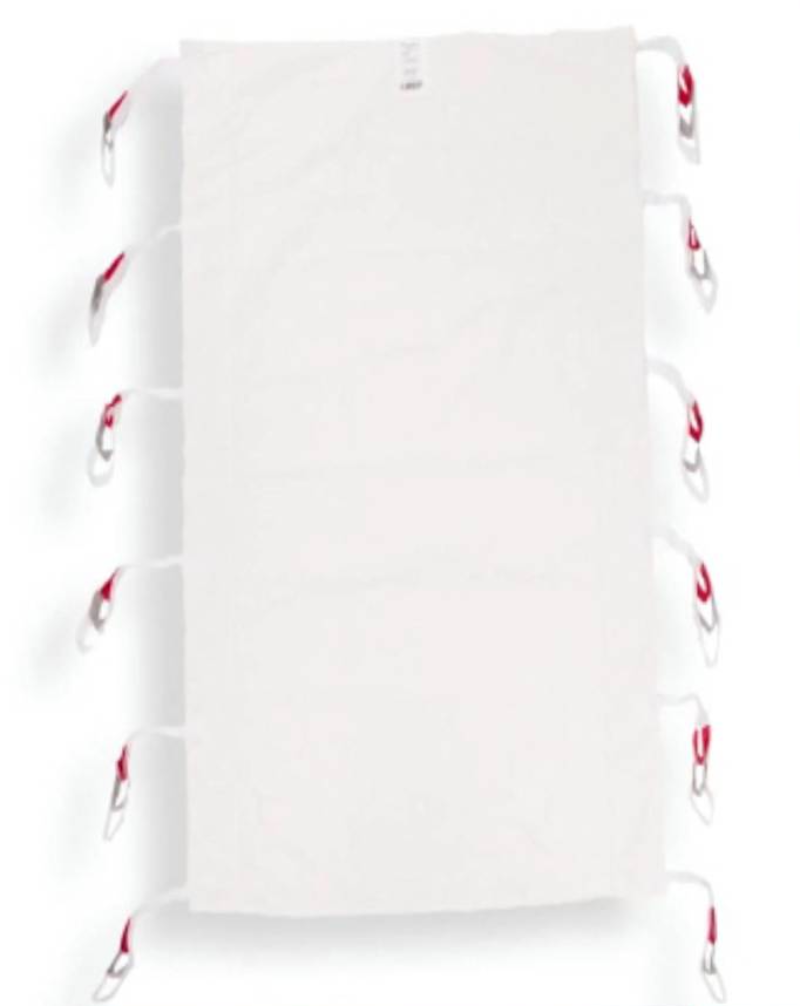
Designed for Heavy-Duty Performance
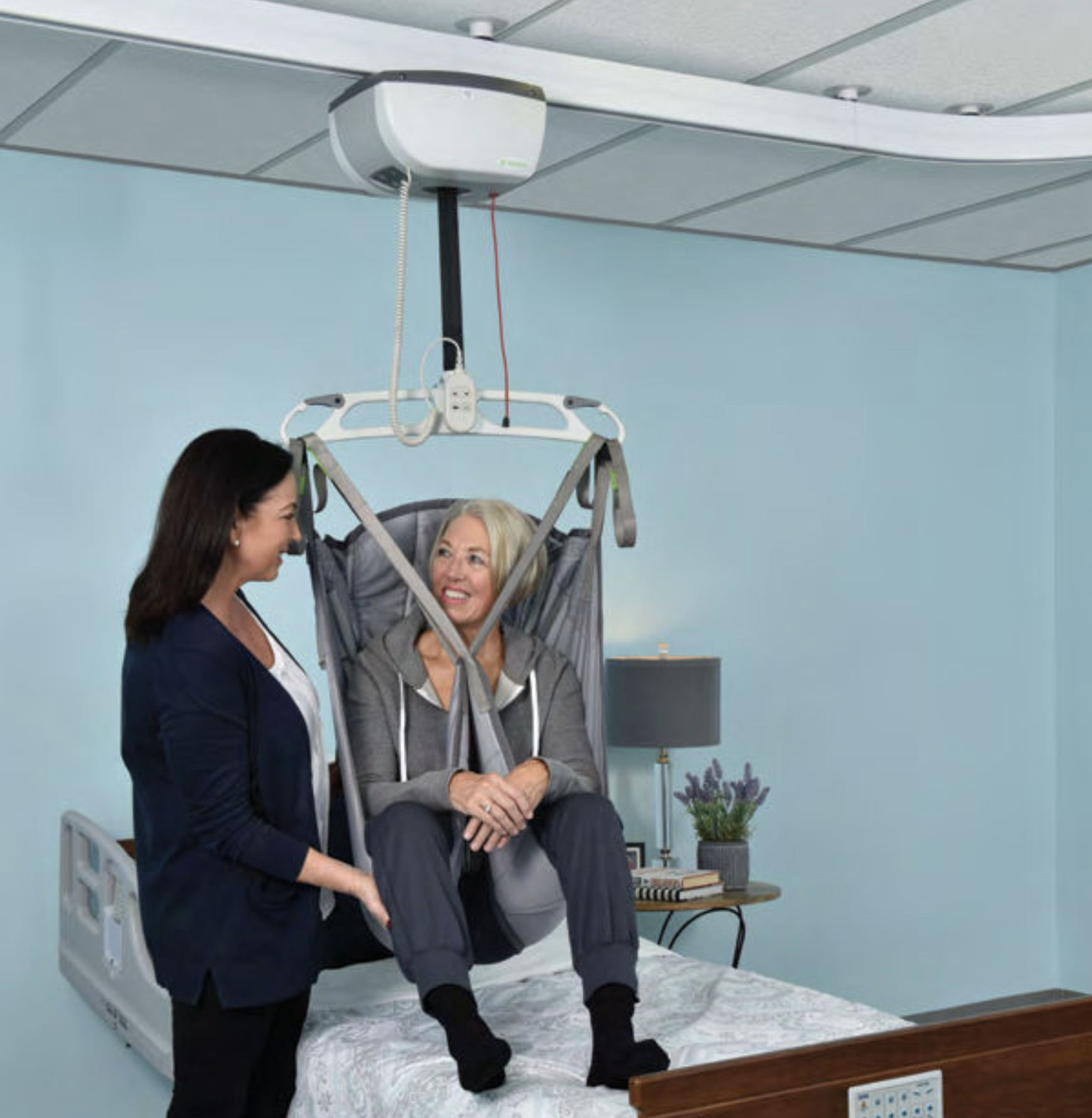
Strength is non-negotiable. These sheets are rated with a 1000lb weight capacity, ensuring they can accommodate patients of virtually all shapes and sizes, including the bariatric population. This high weight rating gives staff the confidence to use the product for even the most challenging repositioning tasks. Furthermore, the design features universal compatibility. The sheets attach easily via robust straps to any standard overhead or mobile patient lift using a hook-and-loop style connection. This universality ensures that no matter what lift system your facility uses, these sheets will integrate seamlessly.
Clinical Benefits for Skin Health
For Wound, Ostomy, and Continence Nurses (WOCN), the priority is skin integrity. Leaving a standard, non-breathable sling under a patient is a recipe for pressure injuries due to heat and moisture buildup. SPH Medical addresses this with advanced breathable fabric technology.
- Breathability: The fabric allows air to circulate, effectively managing the microclimate between the patient’s skin and the surface. This reduces the risk of maceration and pressure injury development, aligning with WOCN prevention standards.
- Single-Patient Use: In an era where Multi-Drug Resistant Organisms (MDROs) are a constant threat, single-patient use is the gold standard. By assigning a specific sheet to a patient upon admission, you eliminate cross-contamination risks entirely. Every patient is guaranteed a clean, safe, and effective surface from day one.
Operational Excellence: Tracking, Compliance, and Risk Reduction
Implementing single-patient-use breathable sheets is not just a clinical upgrade; it is an operational strategy that solves supply chain struggles.
Solving the Supply Chain Struggle
The disposable model guarantees availability. Unlike reusable sheets that disappear into the laundry abyss, single-patient-use sheets are stocked directly on the unit. This ensures that the essential tool for safe lifting is always within arm’s reach at the bedside. When the barrier to access is removed, compliance with Safe Patient Handling policies skyrockets.
Data-Driven Safety
You cannot manage what you cannot measure. One of the greatest challenges with reusable inventory is tracking usage. It is nearly impossible to know if a reusable sheet was used 50 times or 500 times, or if it was used at all.
SPH Medical’s system enables precise, data-driven safety management. Administrators can easily track how many units are used per month on each floor. This data provides a direct window into compliance. High usage rates correlate directly with reduced staff injury claims and improved patient outcomes. This allows SPH coordinators to validate the Return on Investment (ROI) of their program with hard numbers, proving that the investment in safety is paying off in reduced workers’ compensation costs and lower nurse turnover.
A Safe Patient Handling program is only as strong as its weakest link. If your lift equipment is state-of-the-art but your repositioning sheets are missing, damaged, or dangerous to skin health, the system fails. Protecting your staff from career-ending injuries and your patients from avoidable harm requires the right tools, available at the right time.
Breathable repositioning sheets are the non-negotiable standard for modern, safe, and efficient healthcare facilities. They bridge the gap between policy and practice, ensuring that safety is always accessible.
Stop relying on unstable supply chains and unsafe manual practices. Contact SPH Medical today to secure your supply of single-patient-use slings and breathable repositioning sheets, and build a foundation of safety that lasts.