Boosting Patients in Bed Is Ending Nursing Careers — The SPH Medical Breathable Repositioning Sheet Changes That
Two nurses stand on either side of a bed. They grip a draw sheet, count to three, and haul a patient toward the head of the bed. Backs bend. Shoulders strain. The patient slides halfway, so they reset and do it again. Then they move to the next room and repeat the whole thing. And again, all shift, every shift. This is about boosting patients in bed, and it is the highest frequency high risk patient handling task in nursing. It looks routine. It feels manageable. Yet it quietly ends careers through strains, sprains, and disabling back injuries that accumulate long before anyone sees them coming. There is a better way, and it works with the lift equipment your facility already owns.
The Landscape of High Risk Patient Care Tasks
Decades of Safe Patient Handling and Mobility evidence point to a consistent set of tasks that place enormous biomechanical strain on caregivers. Each one loads the spine and shoulders well beyond safe limits.
- Vertical transfers move patients between surfaces, such as bed to chair or chair to toilet. These demand heavy lifting in awkward postures.
- Lateral transfers slide patients between a bed and a stretcher. They rank among the highest force tasks in any facility.
- Repositioning and boosting in bed shift patients up or side to side. This task is performed far more often than any transfer.
- Patient transport moves beds and stretchers through tight corridors, adding sustained push and pull loads.
The scale of the resulting harm is staggering. Hospital workers sustained 46,000 work related back injuries in 2001, and roughly 38 percent of those injuries were tied directly to patient handling. Patients lack handles, distribute their weight unevenly, and can move without warning, so every one of these tasks turns a caregiver’s body into the lifting mechanism.
Here is the part facilities miss. Many units invest heavily to make transfers safer with ceiling lifts, floor lifts, and lateral aids, yet the single most frequent task of all often goes unaddressed. Nurses keep boosting by hand.
Why Boosting Patients in Bed Is the Number One Offender
Repositioning and boosting in bed is uniquely dangerous because it combines two damaging factors: high frequency and high load.
A single boost may feel like nothing. Nurses perform this task dozens of times across a shift, and the loads add up relentlessly. Manual boosting forces caregivers to bend at the waist, reach across the bed, and pull with a flexed spine. That is the exact posture research links to disc damage and muscle injury. Doing it once is risky. Doing it fifty times a day is a career gamble.
The injuries this task produces are largely cumulative. There is no single dramatic moment. Instead, the harm builds quietly over months and years until a nurse who felt fine last spring cannot make it through a shift without pain. Consider a Med Surg nurse who boosts patients all day, every day. At first there is nothing. Then comes chronic low back pain, then time off, then light duty, and eventually an exit from bedside care altogether.
What makes this especially frustrating is that repositioning in bed is frequently left out of formal lift interventions. A facility can own excellent transfer equipment and still leave its nurses boosting patients by hand, because no one equipped them for the task they perform most. The most routine task on the unit is also one of the most damaging, precisely because it is done so often and so manually.
How the SPH Medical Breathable Repositioning Sheet Solves the Problem
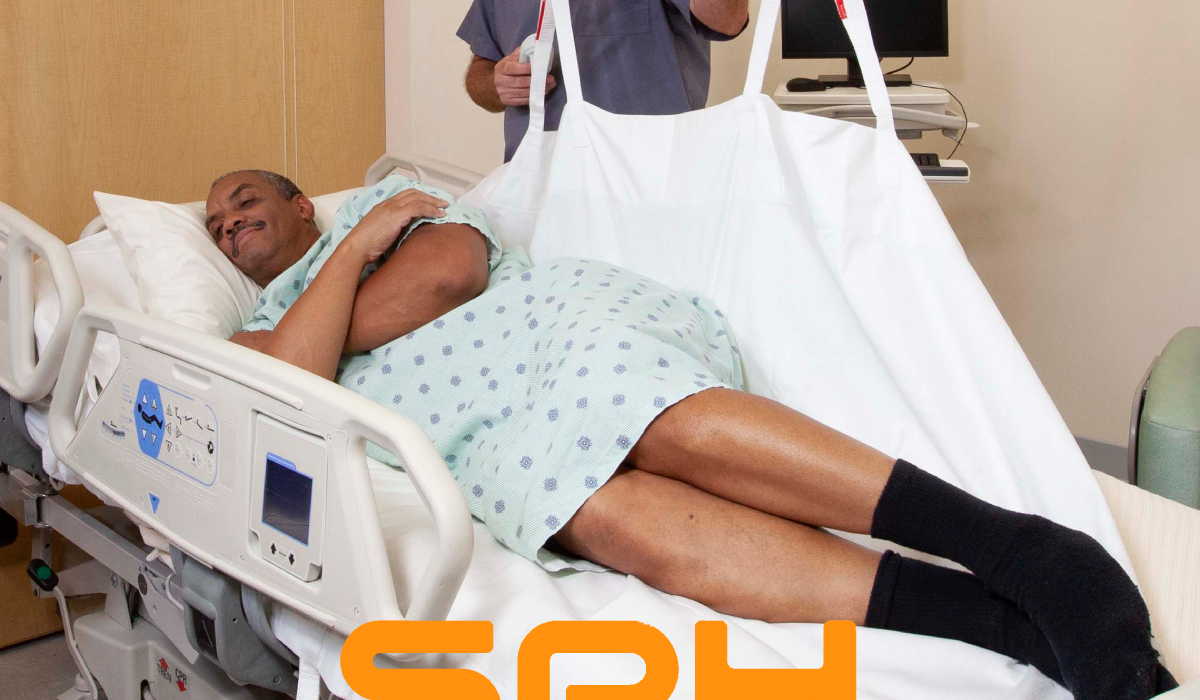
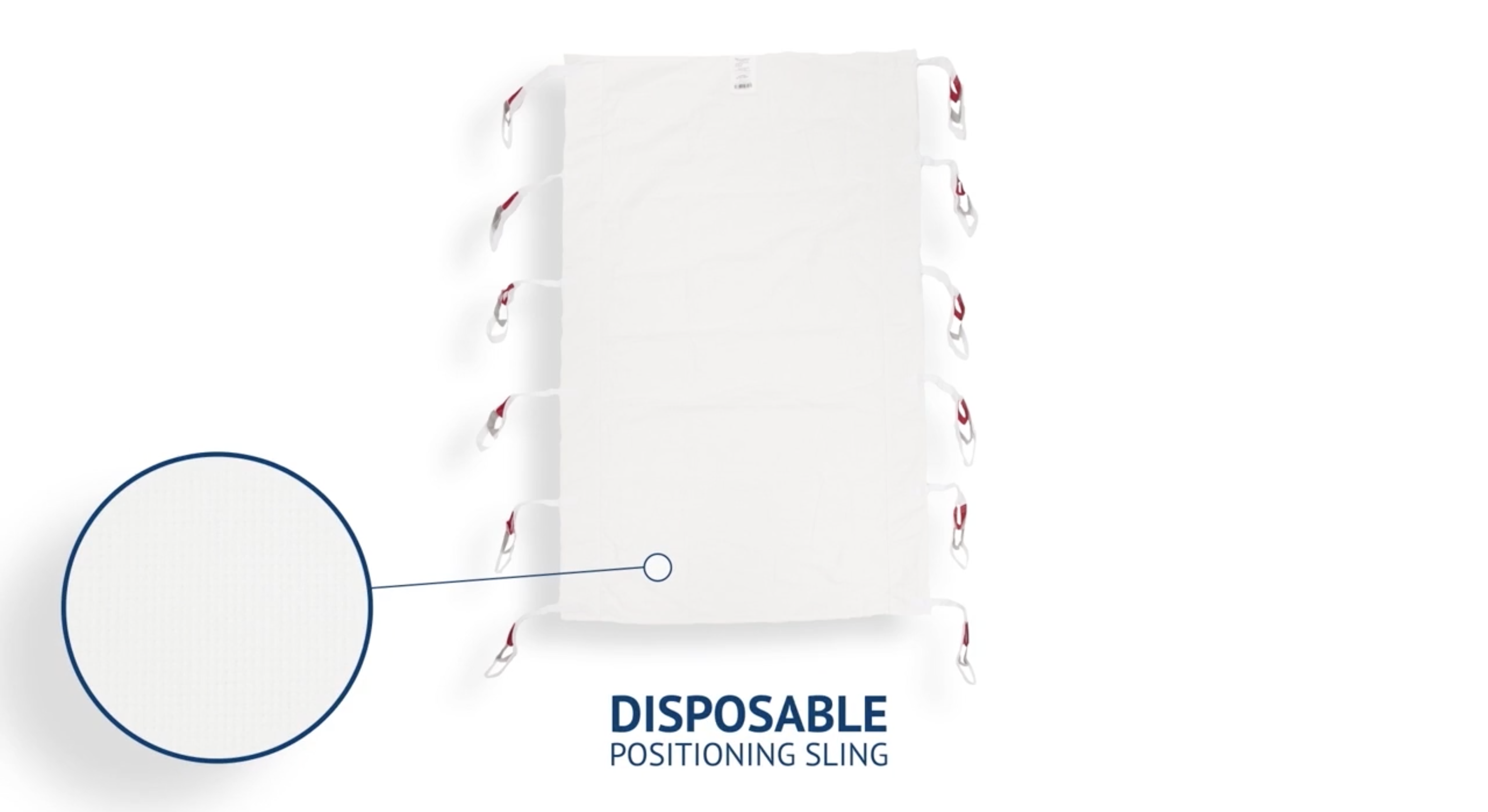
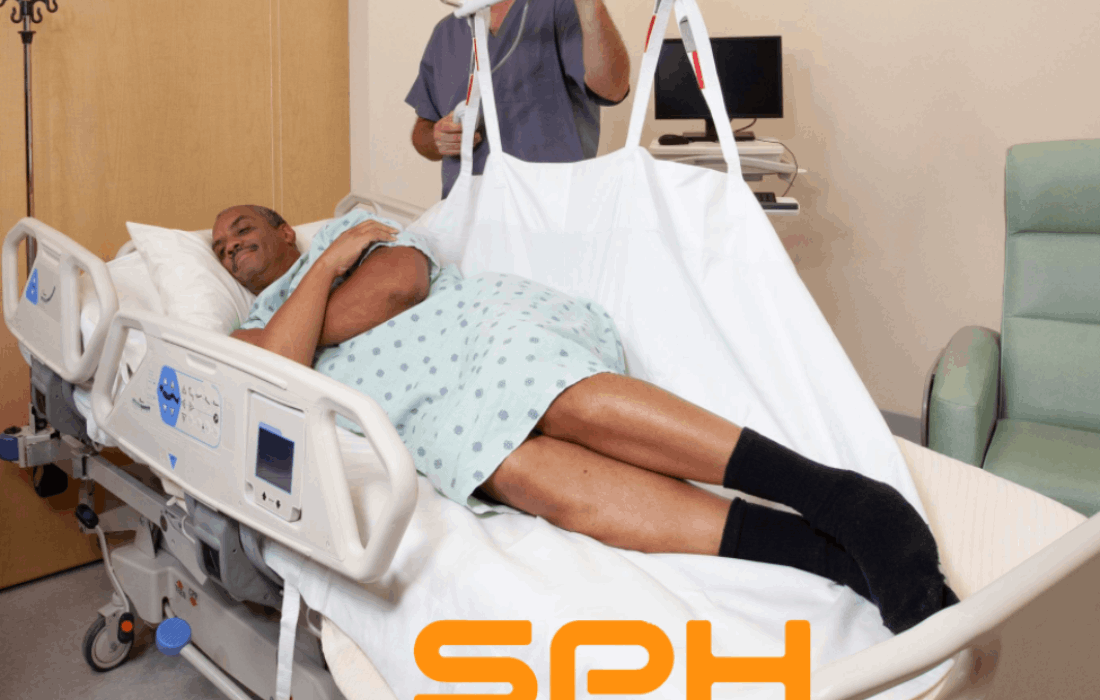
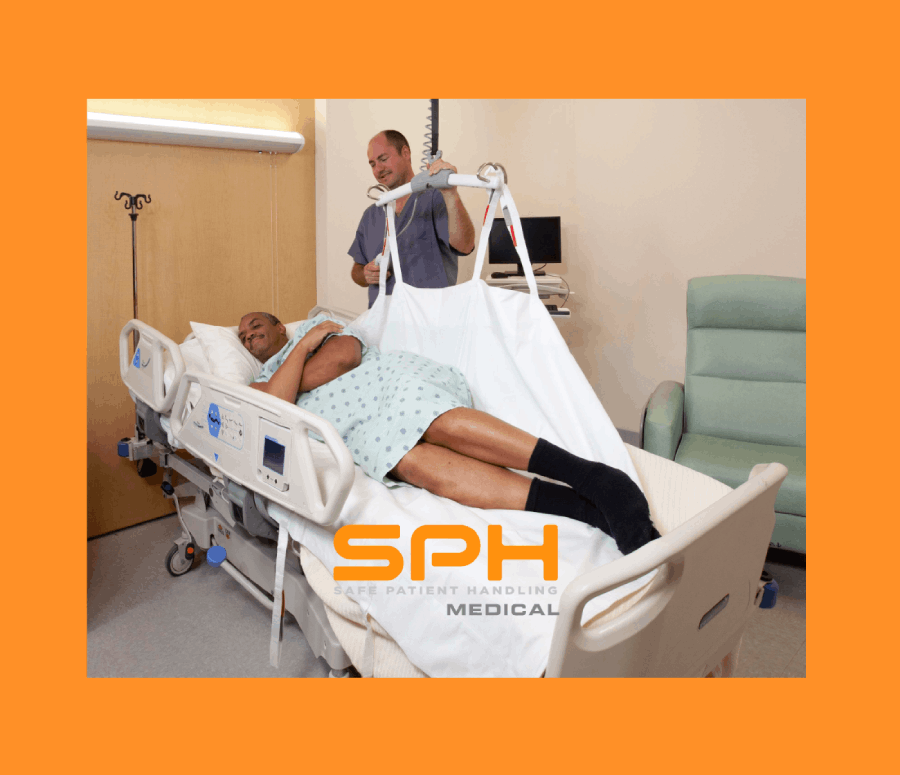
The solution is to stop using the nurse’s back as the lifting mechanism. The SPH Medical single patient use Breathable Repositioning Sheet is engineered to reposition and turn patients in bed with a patient lift rather than with human effort, removing the strain at its source.
The sheet carries an impressive 1,000 pound capacity, making it a robust and reliable choice for patients of every size, including your bariatric patients. It connects by hook and loop to any compatible patient lift, whether that is a mobile floor lift or an overhead ceiling lift, so it integrates seamlessly with the equipment your unit already owns. There is no need to change your lift fleet.
The workflow is refreshingly simple. Once the sheet is positioned beneath the patient, staff attach it to the lift and let the equipment perform the boost or the turn. A two person manual haul becomes a controlled, low strain task that one nurse can complete confidently and alone. What the sheet replaces tells the whole story:
- Manual two person boosts that load the spine
- Reusable aids that must be collected and laundered between patients
- Improvised draw sheets that offer no lift compatibility at all
- Repeated equipment swaps that slow down care
By pairing with the lifts already in place, the Breathable Repositioning Sheet turns the highest frequency high risk task on the unit into a safe, standardized, single caregiver activity. That is exactly the kind of engineering control that ANA and AORN Safe Patient Handling standards call for.
Why Wound Care Nurses Approve It for the Entire Length of Stay
The benefits reach beyond the caregiver’s spine, and this is where wound care nurses take notice. Because the fabric is genuinely breathable, WOCNs approve the Breathable Repositioning Sheet to stay under a patient for the entire length of stay.
That approval matters. Many repositioning aids trap heat and moisture against the skin, creating precisely the conditions that contribute to pressure injuries and skin breakdown. A sheet that sits under a patient for days while trapping moisture works against every pressure injury prevention goal on the unit.
The breathable design does the opposite. It promotes airflow and moisture management, allowing heat and humidity to move away from the skin rather than pooling against it. This supports skin integrity and aligns directly with the pressure injury prevention priorities that define WOCN practice. Just as important, leaving the sheet in place means repositioning is always ready. Staff can boost or turn a patient with the lift at any moment, without the delay of placing an aid each time. A wound care nurse caring for a high risk patient can confirm the sheet stays put, and the team keeps the turning schedule on track without ever removing and replacing it.
A repositioning aid that protects the skin and stays in place transforms repositioning into a seamless, on demand part of care.
Efficiency and Infection Control Gains
The single patient use design solves two persistent operational headaches at the same time.
First, the laundry burden disappears. Reusable repositioning aids must be gathered, laundered, tracked, and returned to the unit, tying up staff time and linen resources every single day. A single patient use sheet removes that entire cycle.
Second, cross contamination risk drops. Reusable aids that travel from patient to patient can carry pathogens with them, turning a shared surface into a transmission pathway. A dedicated single patient sheet stays with one patient and is discarded at discharge, closing that pathway entirely. For an infection preventionist, that is one less shared surface to worry about on the unit.
The efficiency gains compound when the sheet is paired with a ceiling lift. Because the sheet stays in place and connects directly to the overhead lift, one nurse can reposition a patient quickly and independently. No second staff member needs to be pulled away from other patients. Compare the two approaches directly:
- Reusable aid: laundering cycle, cross contamination pathway, repeated placement, multiple person boosts
- Breathable Repositioning Sheet: no laundry, single patient use, stays in place, single caregiver repositioning with a lift
That is a rare triple win. The sheet protects staff, protects patients from cross contamination, and gives nurses back valuable time on every shift.
The Clinical and Financial ROI
The return on this investment shows up across the entire unit, and it speaks directly to performance and process improvement goals.
- Fewer staff injuries. Removing manual boosting reduces the strains, sprains, and back injuries that drive workers compensation claims and lost workdays. Given that back injuries account for a substantial share of nursing injury costs, the savings are significant.
- Lower infection risk. Eliminating a shared repositioning surface supports infection prevention efforts and helps avoid the cost of healthcare associated infections.
- Reduced laundry cost. Ending the laundering cycle for repositioning aids frees both linen and labor resources.
- Fewer pressure injuries. Breathable, always ready repositioning supports consistent turning schedules, which helps prevent costly pressure injuries and keeps the unit aligned with WOCN standards.
- Improved nursing efficiency. Freeing a second caregiver from every boost reclaims hours of staff time across a shift.
Picture a value analysis committee weighing the modest cost of single patient use sheets against a single year of back injury claims, laundry expense, and pressure injury treatment tied to inadequate repositioning. The math is not close. The Breathable Repositioning Sheet is not a supply expense. It is a high return investment in safety, efficiency, and patient outcomes.
Protect Your Nurses and Your Patients
Boosting patients in bed is the most frequent high risk task your nurses face, and doing it by hand quietly ends careers. The SPH Medical single patient use Breathable Repositioning Sheet changes that reality. With a 1,000 pound capacity, universal hook and loop compatibility with mobile and overhead lifts, breathable fabric approved by wound care nurses for the full length of stay, and a single patient use design that ends the laundry burden and reduces cross contamination, it turns your most dangerous routine task into a safe, efficient one.
The most common task on your unit no longer has to be the one that injures your best nurses. Contact SPH Medical today for a quote and protect the people who care for everyone else.