CategoriesPatient Handling

Keeping Staff and Patients Safe in OR and Radiology with the EPD

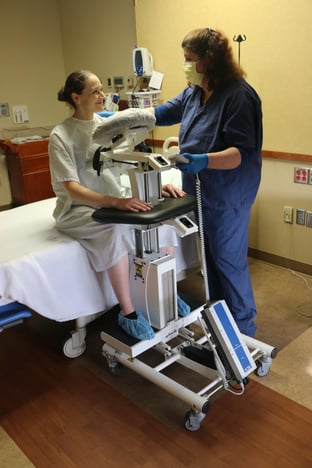
The EPD and E-EPD were developed to reduce the risk of injuries and improve safety among staff and patients. By implementing the use of EPDs, hospitals can actively protect their staff and improve patient outcomes.
E-EPD-IMG_3584

Safe Patient Handling

EPDs are used in numerous medical settings including labor and delivery, general surgery, operating rooms, anesthesiology, radiology and orthopedic departments. These are all settings in which epidurals, spinal blocks, x-rays and Thoracentesis procedures are performed. Keeping patients safe and comfortable while avoiding injuries is an extremely important factor for every medical facility. EPDs correctly and effectively position patients to do just that. They create a sturdy, steady and comfortable place to assist in holding patients in place while their procedure is performed.

Reducing Risks to Staff 

Hospitals and medical facilities are responsible for keeping their nurses and support staff safe. Plans to keep staff injury-free include providing them with the right tools. EPDs eliminate back pain and body strain that nurses can endure while assisting with tradition positioning methods associated with epidurals and like procedures. It is important to keep nurses and hospital staff healthy and performing at their best. EPDs make this easy. They position and support patients correctly and easily so that nurses don’t have the pressure and physical load of holding patients in a stable position for a long period of time. This can cause a lot of strain and be uncomfortable, especially if the patient is larger than the nurse.

Download EPD Package Data Sheet
Download E-EPD Data Sheet

EPDs_hallway-1

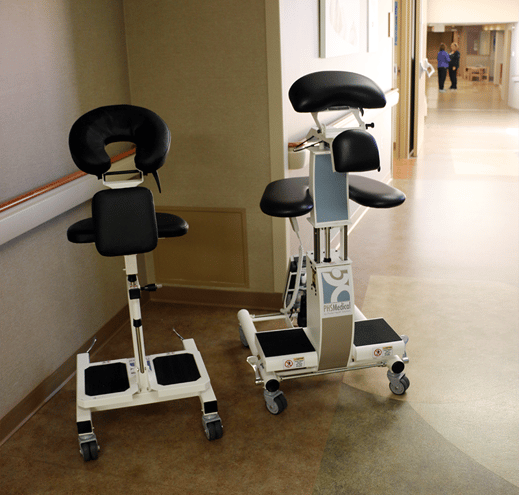
EPDs and E-EPDs are a clearly defined safety need in hospitals. Not only do they keep patients safe, they help keep the hospital staff safe as well. They help eliminate errors, injuries and accidents which directly increases patient and nurse satisfaction. EPDs are easy to implement and use, making it a simple decision when it comes to protecting staff and patients.


Contact SPH Medical for more information about supporting your patient and staff safety goals.

info@sphmedical.com

1-844-377-4633

www.sphmedical.com

CategoriesPatient Handling

Overweight Patients and Epidurals

Obesity is a global epidemic. It is estimated that over 50% of pregnant woman in the United States are overweight or obese. Compared to normal weight patients, an obese patient is more prone to a number of complications during pregnancy and delivery including higher rates of cesarean section. And with c-sections, comes the administration of epidurals.

shutterstock_392645860via Shutterstock

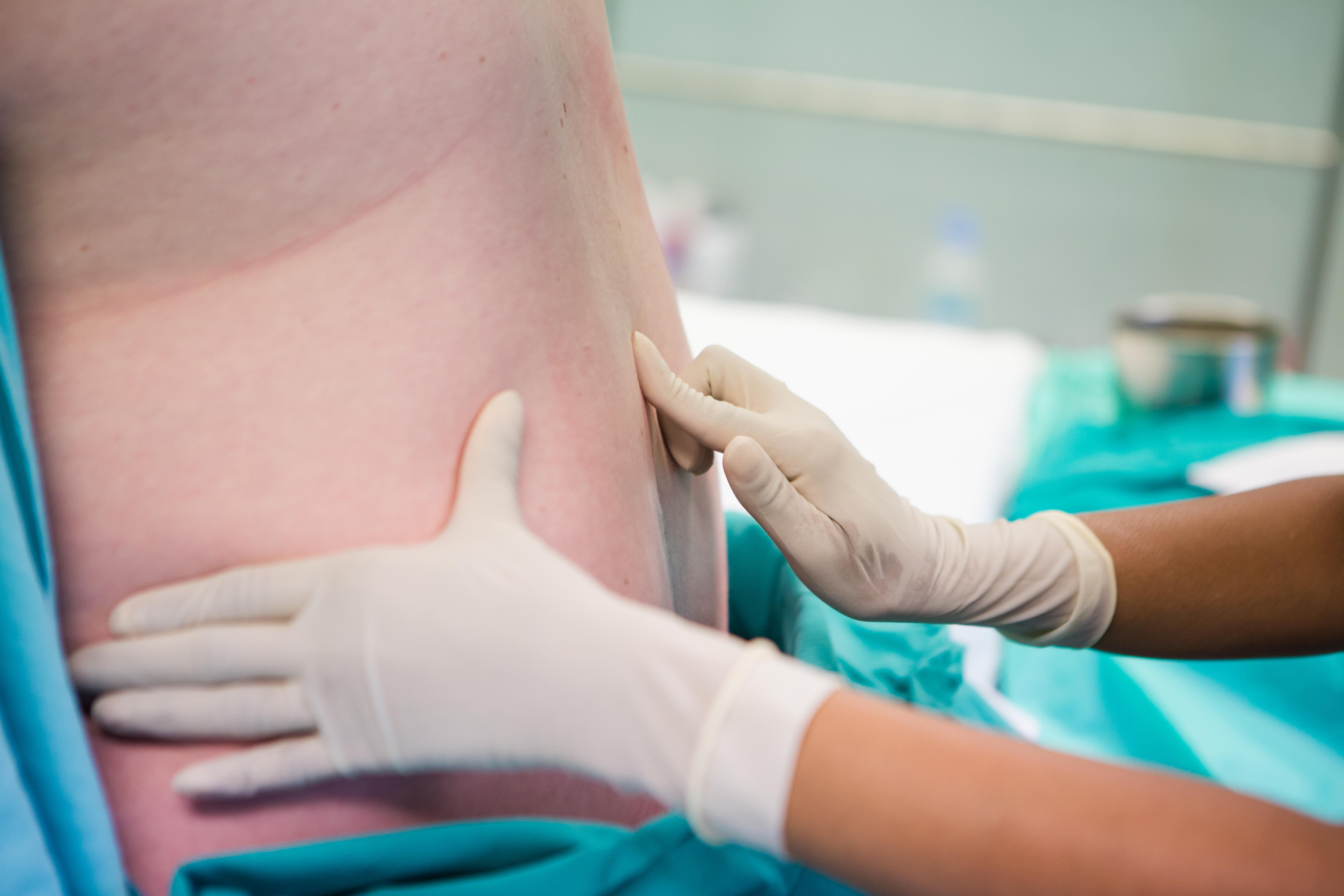
Epidural catheter placement in bariatric patients can be more challenging because the spine can be harder to find and pinpoint where the puncture needs to be placed.

“Because it’s difficult to get in, in the first place, it’s not exactly in the right spot and if it’s not in the right spot the function tends to be poor,” says Dr. Victoria Eley, an anesthetist working at the Royal Brisbane and Women’s Hospital.

Because epidural complications and challenges are more common in overweight patients, it is especially important for doctors to position these patients in the most precise way they can to achieve a positive outcome. SPH Medical’s EPD (Epidural Positioning Device) was designed to do just that and help reduce some potential epidural placement risks.


The EPD and E-EPD correctly and comfortably position patients up to 600 pounds to receive an epidural by encouraging cervical, thoracic and lumbar flexion while maintaining a solid and stable position. EPDs provide doctors with a safer and more efficient way to help patients receive a successful epidural by allowing optimal body mechanics to be achieved through the controlled device. It has been found to be very helpful in assisting doctors and medical staff with overweight patients by  improving patient comfort needs and outcomes and reducing inefficiencies and stress on both the patient and the medical staff.

Obese and overweight patients can be harder to move, position correctly and hold steady for the administration of the epidural. The hassle-free EPD can eliminate these issues because it can be brought right to the patient and adjusted according to their height and size. The weight of the patient can be transferred to the locked EPDs rather than onto the assistant, nurse or unsteady pillow, which can cause stress, unstable positioning and failed epidurals.


E-EPD (Electric Epidural Positioning Device)

The EPD and E-EPD were designed to improve overall safety and reduce risks associated with epidural placements in an effective and efficient way. It is a great solution for making an already difficult process a little less difficult, especially in overweight or obese patients.

Download EPD
Package Brochure


Download E-EPD Brochure


Contact SPH Medical for more information about supporting your patient and staff safety goals.

info@sphmedical.com

1-844-377-4633

www.sphmedical.com

Add to cart