EPD the Epidural Positioning Chair
CategoriesPatient Handling

Positioning Patients Safely with The Epidural Positioning Chair

Positioning Patients Safely With An Epidural Chair or EPD

Are you tired of straining your back and arms? Do you have frequent musculoskeletal problems from attempting to hold patients in position? It’s time to let the Epidural Positioning Device (EPD) take the load off your neck, back, arms and wrists.

If you’re a nurse, nursing assistant, anesthesia tech, Nurse Manager in Labor and Delivery, or General Surgery this product is indispensable. It provides a secure, stable and comfortable support for patients who need an Epidural, spinal block, lumbar puncture. You might even be in the hospital imaging department holding patients in a similar position during thoracentesis. Imaging departments across the country are discovering that the Epidural Chair or EPD is a comfortable and ideal positioning device to support patients and avoid risk of injury to the ultrasound techs!

What Is an Epidural Positioning Chair?
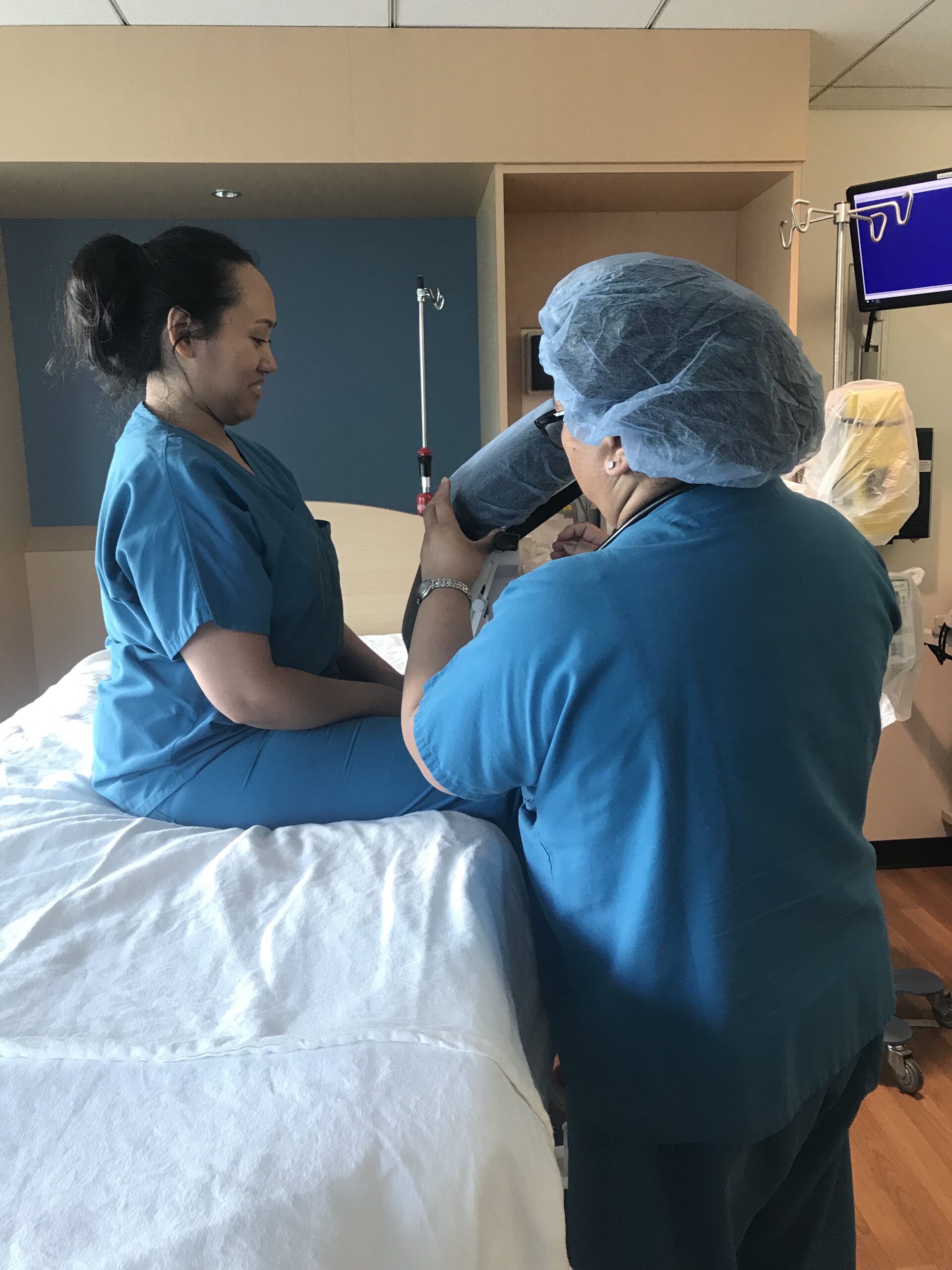
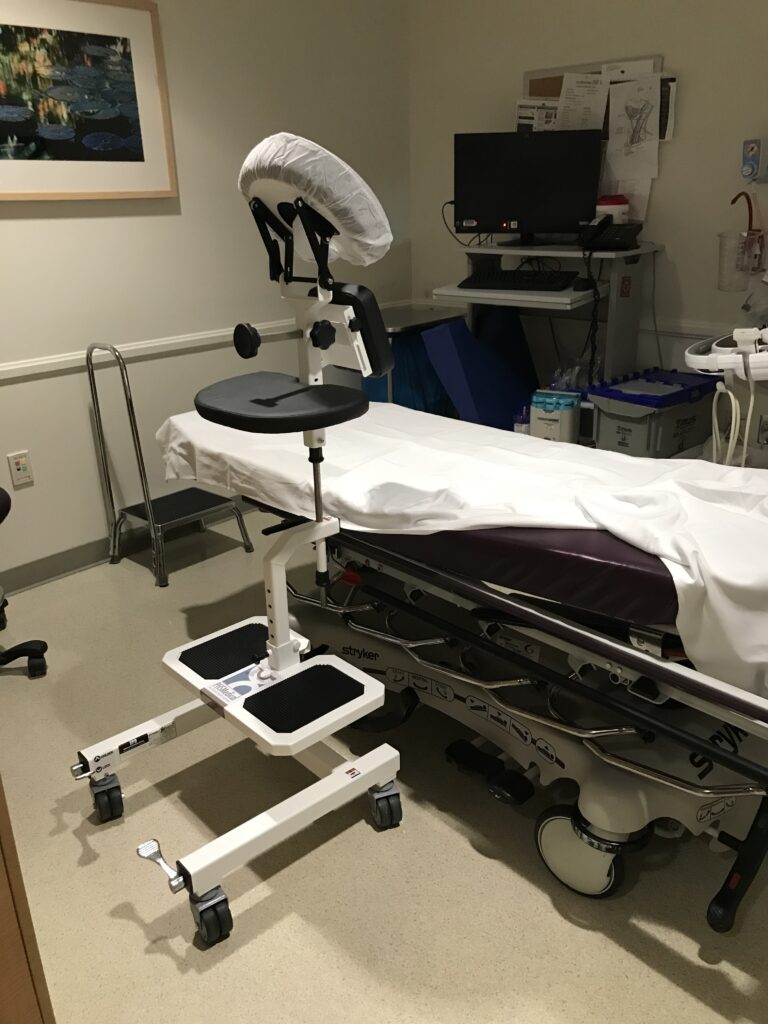
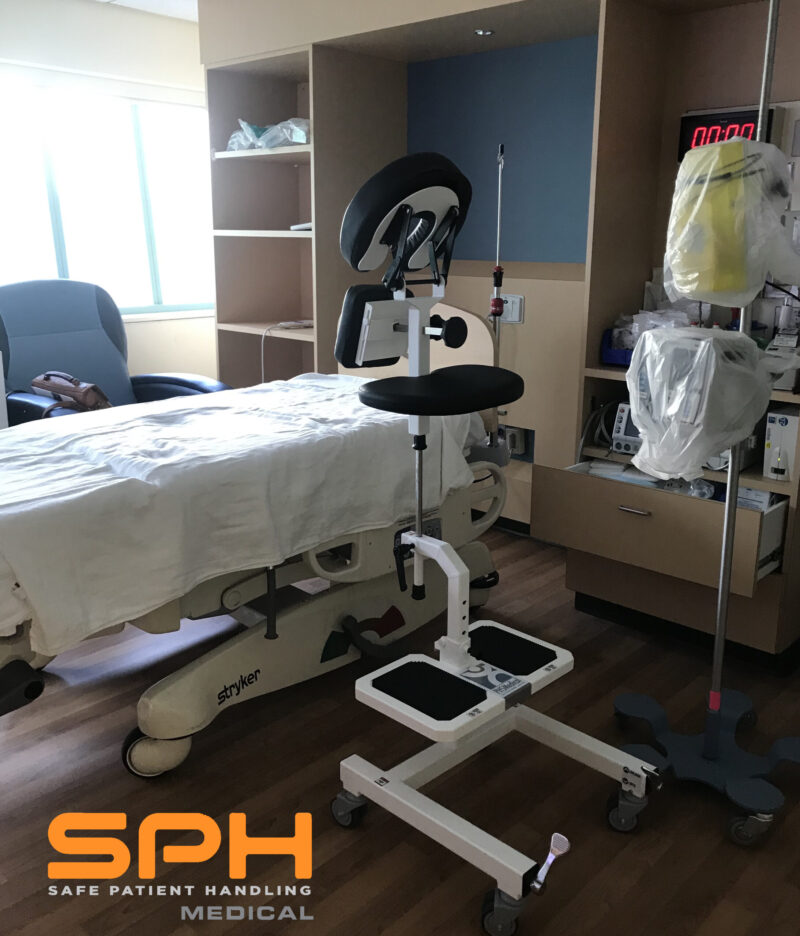
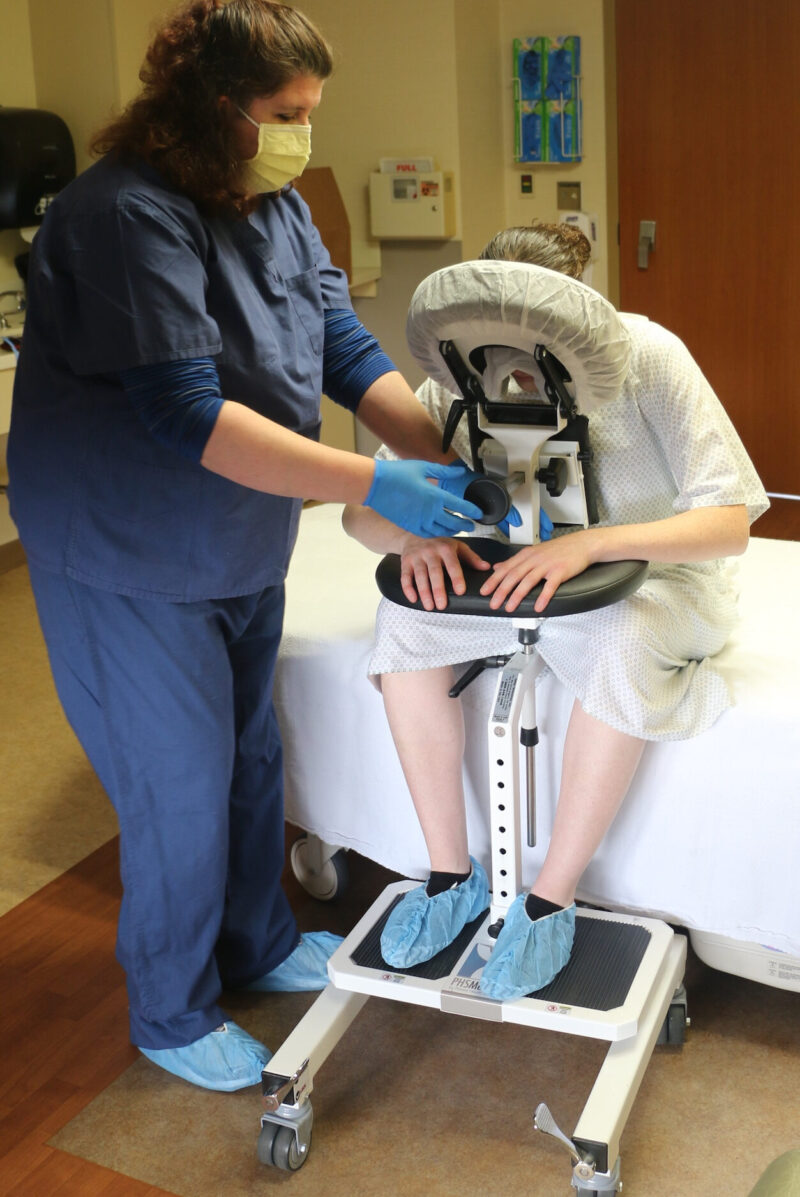
Well, many think it’s a chair but the patient is really sitting on the bed or table. the EPD provides head, chest, arm and feet support for the patient. The EPD is a stable, portable device you can use every time you need to properly position a patient at bedside when preparing for epidural or spinal block. This occurs in many clinical environments both in and out of the hospital. For example, Epidurals are administered almost once per hour on busy labor and delivery floors. With the increase of total joint replacements we’re seeing even more spinal blocks being administered in peri-operative areas. They’re using the EPD too.

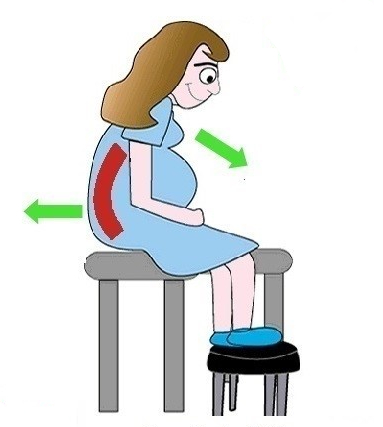
The old way of manually positioning patients is dangerous. Nurses are often asked to hold the patient in position and with heavier patients this presents an even greater risk to the nurse. You have probably tried stacking pillows, asking the patient to lean forward and arch their back. Then pushing a stool over to support their feet. You might even have your patient lean over a bedside table, but more than likely, that table has wheels that don’t lock and you’ve seen a patient more than once almost slip down to the floor! Now who is going to catch that patient? There’s a better way.

Using the Epidural Positioning Chair for Epidurals, Thoracentesis, Spinal Blocks and other pain management Treatments

Nurses, health care managers and health care facilities need a better solution, and the Epidural Positioning Chair provides it. It’s the standard of care used at leading hospitals to position patients for a variety of procedures without causing dangerous falls, sprains or injuries. It gives patients a more private, dignified way to receive a spinal block or other epidural therapy. Best of all, it makes your job as a caregiver safer.

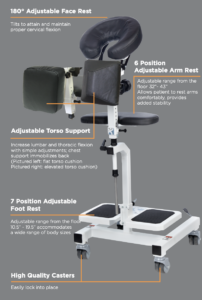
The device is fully adjustable with a six-position armrest and 180-degree adjustable face rest. It’s easy to bring this device into operating rooms, labor and delivery rooms, pain clinics, birthing rooms, imaging departments, and physical therapy clinics. Keeping the EPD disinfected and clean is easy with disposable covers for the face rest.

Benefits of the EPD

  • Keeps patients stable by ensuring proper cervical, thoracic and lumbar flexion for stable alignment.
  • Allows you to position patients in a less intrusive, more private way.
  • Avoids injuries to health care workers.
  • Is wheeled for easy portability anywhere it’s needed.
  • Is fully adjustable to fit any patient.
  • Improves Patient Satisfaction

Thoracentesis has become a regular procedure both before during and after the COVID-19 epidemic. The epidural positioning device makes it easy to manage this predictable and frequent procedure. According to Mark E Brauner, DO Thoracentesis is generally performed with the patient sitting at the edge of the bed and leaning forward with arms resting on a bedside table. Side lying positions are reserved for those patients unable to sit. Our ultrasound techs need a safe work environment as well! The EPD provides safe support for patients who may experience syncope from a vasovagal response during thoracentesis.  Leading Pulmonologists at the City of Hope Medical Center in California are using the EPD for all Thoracentesis procedures.  The Techs and the patients love it too.

Studies on pregnant women receiving an epidural found women felt more comfortable and secure when their health care providers used a positioning device. Patient satisfaction went up substantially when compared to patient satisfaction when the women received treatment without the device.

Keeping our Healthcare Workers Safe

Back Injuries, Strains and other MSD’s are a serious concern among health care workers. According to the Association of Perioperative Registered Nurses (AORN), half of all nonfatal occupational injuries experienced by perioperative nurses are musculoskeletal and more than a quarter of these are back injuries.

The average preoperative room is a high-risk area that can cause many injuries to staff:

  • Shoulder, back and lower leg sprains from lifting patients.
  • Trips and falls from cords, wires and slippery floors.
  • Muscle strains from pushing around heavy equipment.
  • Leg and back strain from hours of constant motion.
  • Neck and Back injuries from frequent and predictable lateral transfers.

The EPD addresses many of these issues. It’s no wonder the device has become standard equipment in leading hospitals including Duke University Hospital, John’s Hopkins, Mayo Clinic, Kaiser Hospitals and VA Medical Centers.

This device is a win for everyone, and it will soon become an invaluable member of your L&D, perioperative, or Imaging team.

Please contact SPH Medical for more information or to request a quote.

If you’re ready to improve patient and staff safety this device can make an immediate and positive impact. SPH Medical is a national organization focused on Nursing and frontline caregiver safety.
CategoriesPatient Handling

Positioning Patients Safely with EPD

Keeping Patients Safer and Reducing Injury to Caregivers

When it comes to positioning patients safely and reducing the possibility of injury to caregivers, the medical community has continually adopted new technology. The EPD is no different. Known formally as an epidural positioning device, this medical technology is successful in positioning patients safely for various procedures.

Most popularly used to position a patient for an epidural procedure, the epidural positioning device has provided many benefits for users and caregivers alike. The first and most obvious benefit is that this epidural positioner works to properly position and support a patient for a successful procedure.

Traditionally, the caregiver had to position the patient for this procedure manually. This puts the caregiver at risk for injury or MSD.  The National Institute of Health breaks down the risks of workplace injury to Nurses who work on a Labor and Delivery unit.  One of the known high risk tasks for nurses identified by NIH is assisting with epidural procedures.  The best way to reduce risk of injury is to either modify the task or implement engineering controls so that the risk is removed. The EPD or Epidural Positioning Chair solves these manual handling problems. In addition, manual handling allows for less accurate positioning and more risk for complications during the procedure. Once the benefits of EPD were discovered by nursing staff and patients, its use expanded to support spinal blocks, lumbar puncture, and thoracentesis procedures in the imaging or ultrasound department.

Expanded Use For General Surgery

With the success of the epidural positioner for childbirth assistance, anesthesiologists have utilized this device for different types of spinal blocks. A spinal block is, essentially, spinal anesthesia that is used to numb the spine during certain procedures. The most common procedures for a spinal block include urinary tract, genital, and lower body procedures including total knee replacements.

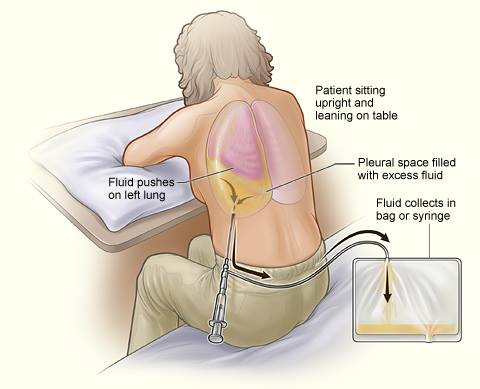
Since a thoracentesis procedure requires inserting a needle into the pleural space, the EPD is a much-appreciated tool. The patient positioning with this device allows for an open area between the lungs and the chest wall where the surgeon can remove excess fluid to allow the patient to breathe significantly easier.

What Are The Benefits of The Epidural Positioning Device

As you’ve learned, the epidural positioning device has been employed in various types of medical procedures. From starting as a better way to positioning patients safety during an epidural procedure to being employed more recently in thoracentesis procedures, it’s very clear that this medical device offers many benefits for its users.

Manual epidural positioning is typically achieved with a chair and pillows. The caregiver would position the patient’s feet on a chair or stool. They would then place pillows underneath the patient’s upper body as they placed their weight on the pillows.

This isn’t a solid foundation as pillows can easily move out of position, and the height of the chair or stool is likely not ideal for all patients. The epidural positioning device comes with a solid foundation that won’t move. It can easily lock into position and offers adjustable foot platforms so that each patient can be in an ideal position for the procedure.

Eliminates Injury Risk To Caregiver

In Pre-Ops, ORs, and throughout other areas of the hospital, caregivers are manually positioning patients for epidural-like procedures. The typical scenario requires the caregiver to steadily hold a stool, table, and patient with their entire body throughout the procedure. This ensures the patient doesn’t move, resulting in patient injury.

Assisting the patient in holding the ‘mad cat’ flexed spine position puts the caregiver in an unhealthy position. This position can lead to musculoskeletal injuries for caregivers. In fact, hospital ergonomic teams have identified that these static holds, performed on a regular basis, can lead to musculoskeletal disease in caregivers.

Reduces Risk Of Complications

Given the unique, taxing nature of patient positioning during spinal blocks and epidural procedures, there is a high risk of complications. Without a reliable, ergonomic solution, like an epidural positioning device, caregivers are us

ing their own body positioning to hold the patient fast.

The patient, on the other hand, is relying on pillows to hold their positioning. As the pain sets in from the procedure, patients are very likely to move involuntarily. This further increases the risk of the procedure being compromised as the needle is not inserted into the spine’s proper place.

An epidural positioning device provides a solid positioning for patients. This positioning allows the caregiver to rely more on the device than their own body weight to hold the patient in the ideal position for the procedure. Overall, these benefits greatly reduce the risk of complications during epidurals and spinal blocks.

CategoriesPatient Handling

Promoting Staff and Patient Safety with an EPD

Patient Safety with an EPD

Invasive procedures involving conscious patients are tricky. It can be difficult for a patient to maintain a static position during this important procedure. A sudden movement from the patient may cause unnecessary pain and discomfort. To reduce the risk of improper epidural placement and to eliminate the manual handling of the patient by the nurse, SPH Medical can improve overall safety and efficiency with an EPD.  One might not see an epidural placement as involving manual patient handling but this common procedure puts nurses and patients at risk every day. The strain of bearing a patient’s weight when holding them in position and applying counter pressure can cause neck shoulder and even back injuries to nursing staff.  Nurses and nursing assistants are twice as likely than other professions to deal with musculoskeletal disorders or MSD’s that keep them out of work.

Improving Epidural Placement

An epidural is a common way for an anesthesiologist to provide pain relief during labor and delivery. The doctor delivers a shot that goes directly into the space near the patient’s spinal cord. In some cases, patients receive a spinal block. In this case, a catheter delivers a regular stream of anesthetic to prevent pain for prolonged labor or surgical procedure.

To ease the procedure for both the doctor and the patient, it is best to have the patient in a position that opens the spinal vertebrae. In the past, staff would accomplish this by laying patients on their sides.

However, it is more effective for patients to sit upright and bent forward with a curved spine. Without the right equipment, holding this position might involve a staff member giving physical support. With an epidural placement device, or EPD, the patient can sit naturally and comfortably through the procedure.

How an EPD Works

When medical staff members are trying to get a patient in the proper position, they might use a surgical tray or bedside table and a footstool. When you are using equipment for a task for which it was not designed, there is an increased risk of tipping and injury.  Also, patients come in different shapes and sizes.  A shorter patient will need a higher footstool and lower bedside table tray to obtain the proper curve of the spine.

An epidural positioner is a safe patient handling device designed specifically to perform this task. The standard model has an adjustable headrest and armrests that support the upper body, and adjustable footrests keep the lower body at the correct angle. Once everything locks into place, the sturdy device handles the weight of the patient. When an anesthesiologist gives an epidural or spinal block, he or she can rest assured that the patient will be still and well-supported during the procedure.

Additional Uses

As more anesthesiology departments began to adopt the use of an epidural positioner, other medical specialists saw potential applications. The same position that aids the placement of an epidural is also helpful during thoracentesis.

Imaging departments often carry out this procedure to treat pleural effusions. When there is liquid in the space between the lungs and chest wall, it makes breathing difficult. Guided by imaging equipment, a medical staff member inserts a hollow needle between the ribs of the patient to relieve the pressure and collect samples.

Once again, this is a procedure where the patient must stay in one position for an extended period. Using the epidural positioner helps separate the patient’s ribs and makes it easier to perform the insertion. The patient can stay in place without discomfort or requiring support from the staff.

Safety for Both Staff and Patients

At SPH Medical, we specialize in solutions that improve patient care and reduce risk of injury to both the patient and the caregiver. Procedures like an epidural or thoracentesis are more efficient and less stressful for patients when they are properly positioned.  Safe patient handling procedures prevent unnecessary staff injuries and lost time. For institutions, this leads to an overall reduction in frequency and severity of MSD’s to a very skilled workforce, our nurses.  Investing in Safe Patient Handling provides a well documented return on investment for everyone.  Having access to the proper assistive equipment means improved patient outcomes, and lower costs for the hospital.

CategoriesPatient Handling

Patient Positioning During Thoracentesis Solved

Major Advancements in Safe Patient Positioning during Thoracentesis

Over the past two decades we have seen major advancements in patient care. This includes many new Safe Patient Handling Solutions developed to help our nurses and caregivers avoid the risk injury. Manual patient handling is one of the leading causes of back injuries for nurses. Many States have put laws in place to mandate that hospitals have a Safe Patient Handling program. This includes evaluating all inpatient units for high risk tasks that involve lifting, pushing, pulling, or prolonged static holds. Then the hospital should evaluate solutions to mitigate the risk. Here we are in 2020 and manual patient handling has not been eliminated yet!

We have been receiving phone calls from hospitals around the country describing a very common procedure. It is putting their ultrasound/imaging team at risk of injury on a daily basis. The procedure is called Thoracentesis and the issues are patient positioning during Thoracentesis.

Thoracentesis is also known as thoracocentesis or pleural tap. It is an invasive procedure to remove fluid or air from the pleural space for diagnostic or therapeutic purposes. A cannula, or hollow needle, is carefully introduced into the thorax, generally after administration of local anesthesia.

One Ultrasound Manager at leading hospital found our website and the EPD – or Epidural Positioning Device. She contacted us and thought this would be perfect for their situation.

Here’s a brief description:

This hospital sees both inpatients and outpatients for Thora’s (That’s short for Thoracentesis). They’re performing about 3-6 procedures per day, seven days a week.

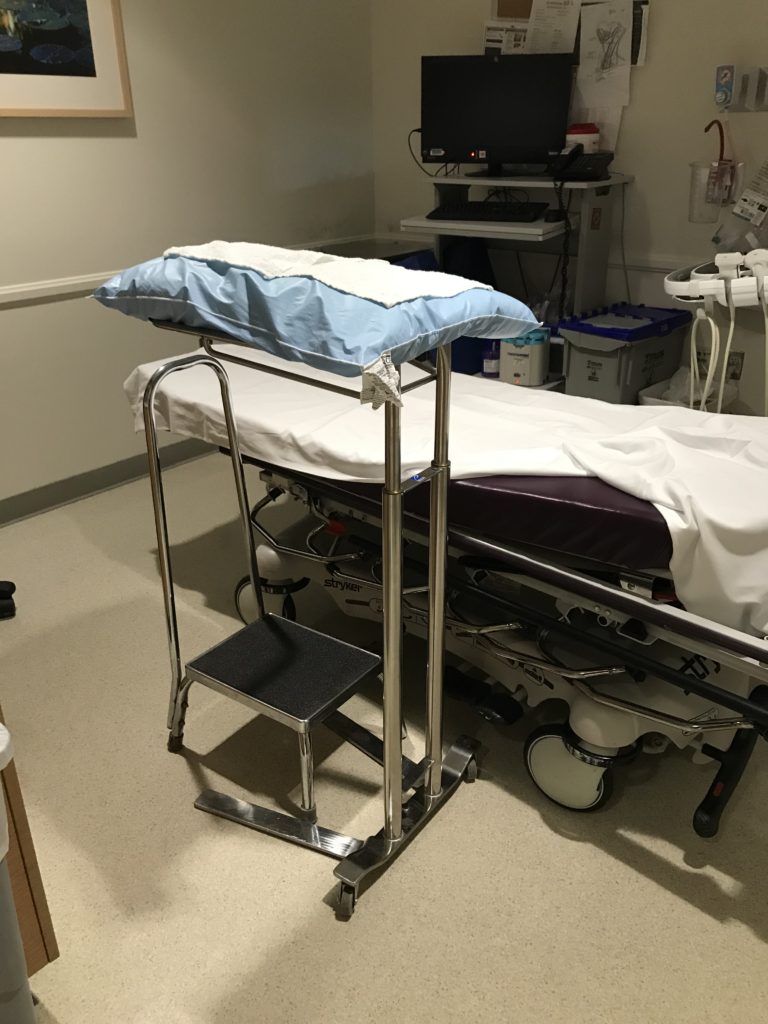
A Nurse or LPN helps assist to position the patient. The patient is seated on a gurney or table. The Nurse brings over a stool to support their feet. Then moves a bedside tray table over in front of the patient. Next they stack the table with pillows so the patient can lean on it comfortably. But, the table does not lock and it is a tip hazard!

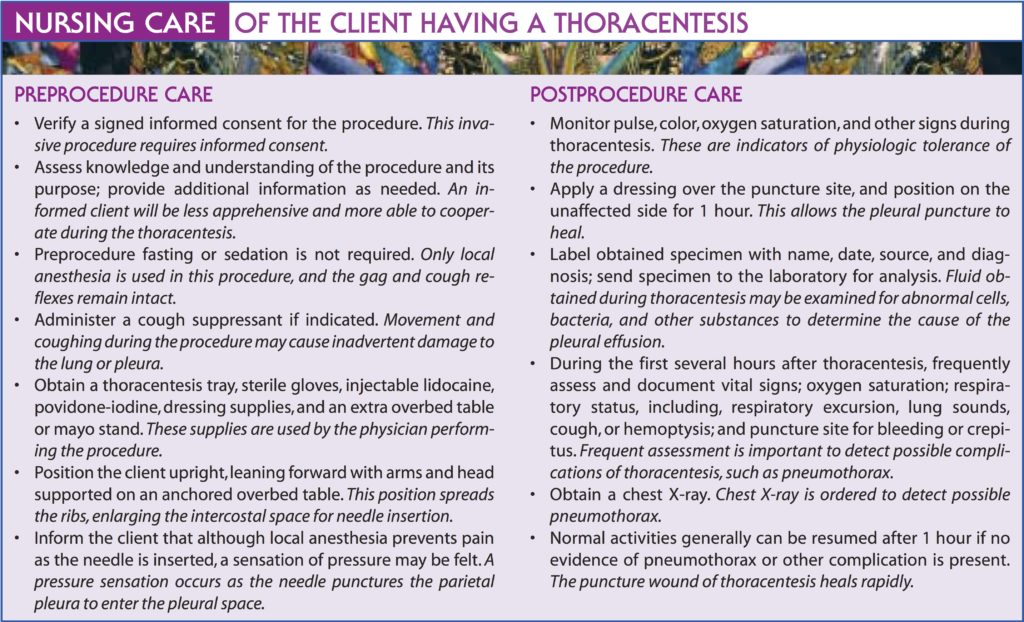
We found this reference card on the web describing the old fashioned manual positioning of patients during Thora’s

thoracentesis Nursing Care Patient Prep

Which patients are getting Thoracentesis? There are many types of patients with varying diagnoses that need to undergo this procedure. People get “plural effusion” which is fluid around the lungs. A large number of patients are cancer patients but many are also heart and infections.

Thoracentesis Procedure

Thoracentesis procedure

How are we solving this predictable procedure and all the manual patient handling – static holds, fall risk, etc? The SPH Medical Epidural Positioning Device is the key. It was designed by an anesthesiologist to help position patients properly and to open up the spine for ideal needle placement of an Epidural or Spinal Block. It has now become the standard of care for L&D and surgery departments. Now the Radiology/Imaging department has discovered it and we’re helping the ultrasound team and Pulmonologists position patients safely and efficiently.

We have few photos from a recent customer that has implemented the EPD. Here are the before and after photos. Please feel free to Contact us for more information about the EPD and Thora’s. We would be happy to connect you with to our customers who are now using the EPD for all of their Thora’s and creating a safer environment for their staff and patients.

Thoras Before

A Typical Thoracentesis set up with a stool and non-locking tray table with pillows.

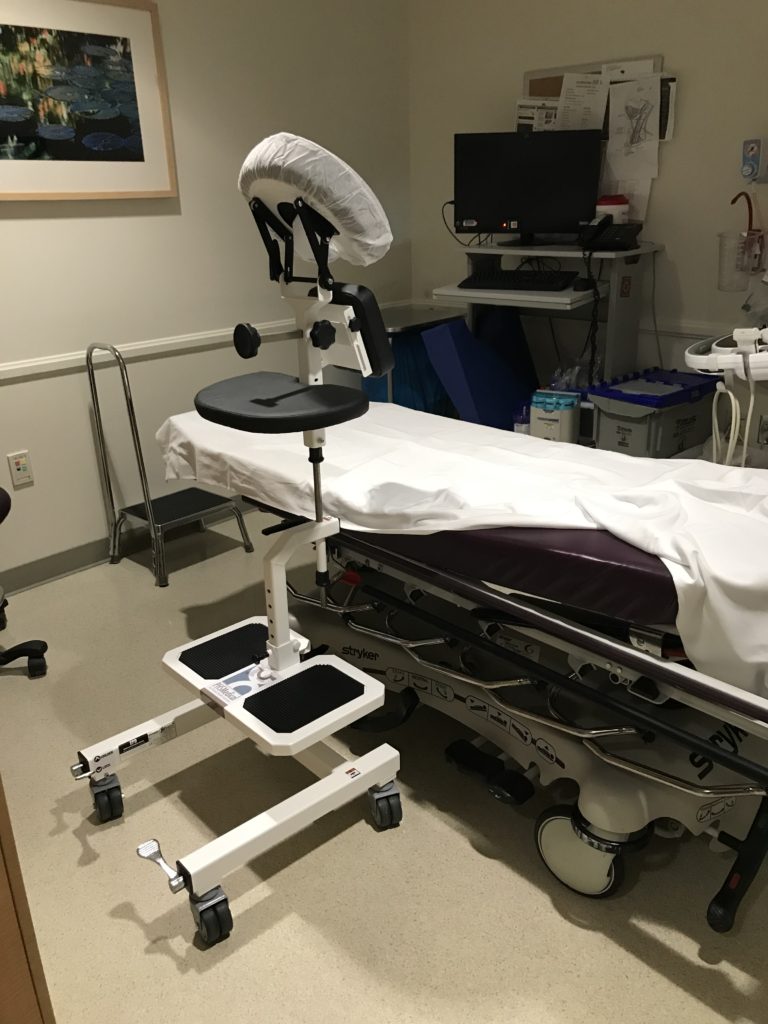
Thoras After with EPD

Now with the EPD – Ergonomic patient positioning that supports the patient safely and eliminates manual handling!

Add to cart