Major Advancements in Safe Patient Positioning during Thoracentesis
Over the past two decades we have seen major advancements in patient care. This includes many new Safe Patient Handling Solutions developed to help our nurses and caregivers avoid the risk injury. Manual patient handling is one of the leading causes of back injuries for nurses. Many States have put laws in place to mandate that hospitals have a Safe Patient Handling program. This includes evaluating all inpatient units for high risk tasks that involve lifting, pushing, pulling, or prolonged static holds. Then the hospital should evaluate solutions to mitigate the risk. Here we are in 2020 and manual patient handling has not been eliminated yet!
We have been receiving phone calls from hospitals around the country describing a very common procedure. It is putting their ultrasound/imaging team at risk of injury on a daily basis. The procedure is called Thoracentesis and the issues are patient positioning during Thoracentesis.
Thoracentesis is also known as thoracocentesis or pleural tap. It is an invasive procedure to remove fluid or air from the pleural space for diagnostic or therapeutic purposes. A cannula, or hollow needle, is carefully introduced into the thorax, generally after administration of local anesthesia.
One Ultrasound Manager at leading hospital found our website and the EPD – or Epidural Positioning Device. She contacted us and thought this would be perfect for their situation.
Here’s a brief description:
This hospital sees both inpatients and outpatients for Thora’s (That’s short for Thoracentesis). They’re performing about 3-6 procedures per day, seven days a week.
A Nurse or LPN helps assist to position the patient. The patient is seated on a gurney or table. The Nurse brings over a stool to support their feet. Then moves a bedside tray table over in front of the patient. Next they stack the table with pillows so the patient can lean on it comfortably. But, the table does not lock and it is a tip hazard!
We found this reference card on the web describing the old fashioned manual positioning of patients during Thora’s
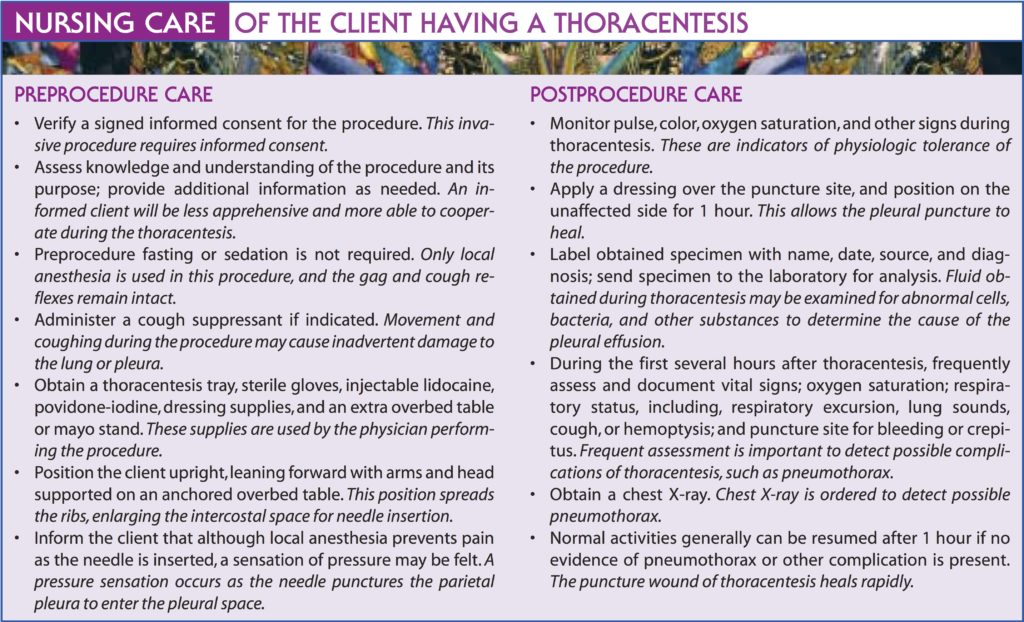
Which patients are getting Thoracentesis? There are many types of patients with varying diagnoses that need to undergo this procedure. People get “plural effusion” which is fluid around the lungs. A large number of patients are cancer patients but many are also heart and infections.
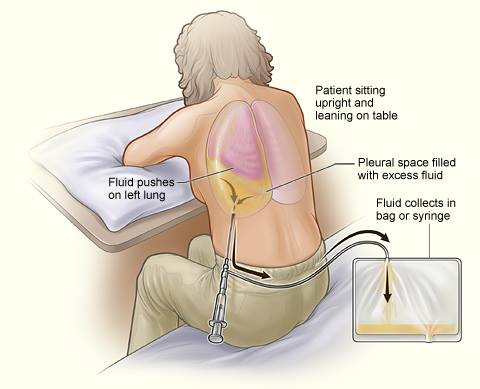
Thoracentesis procedure
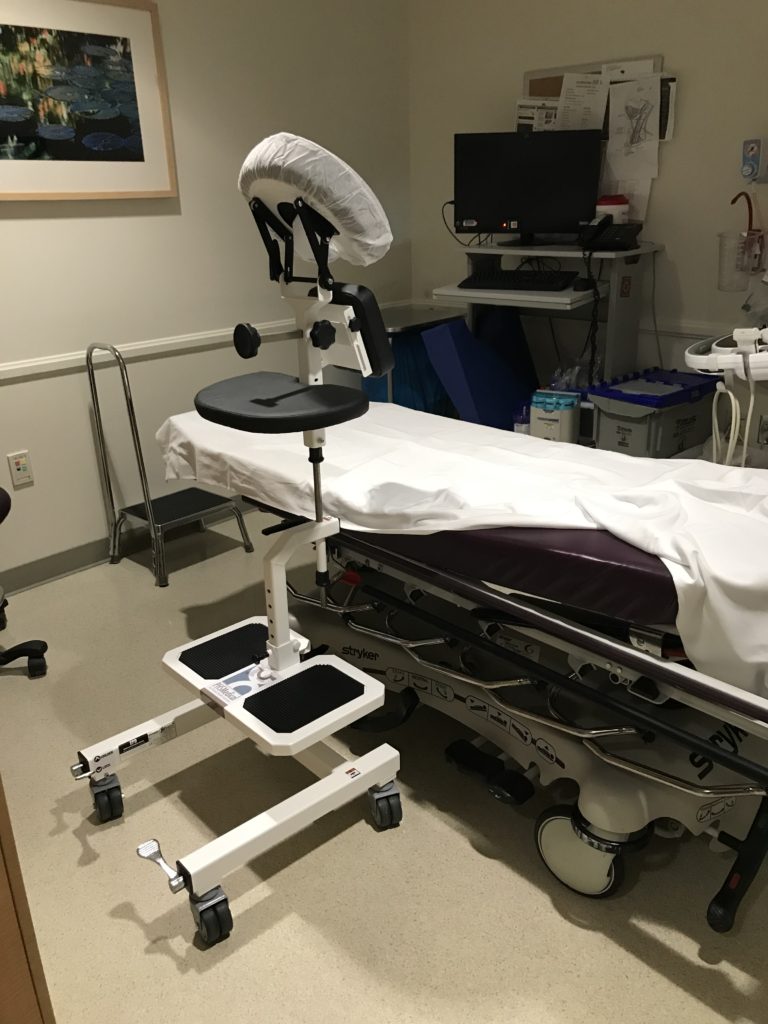
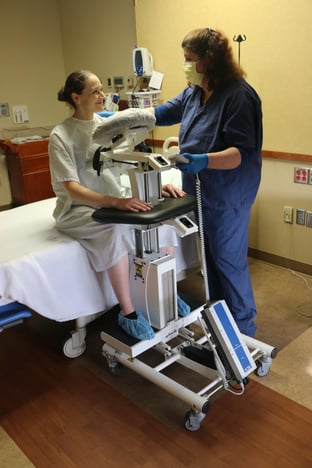
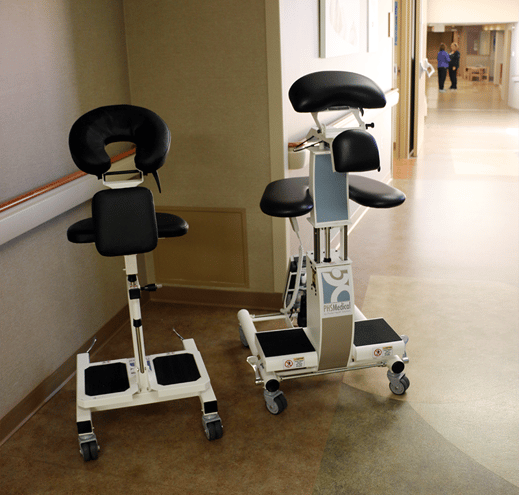
How are we solving this predictable procedure and all the manual patient handling – static holds, fall risk, etc? The SPH Medical Epidural Positioning Device is the key. It was designed by an anesthesiologist to help position patients properly and to open up the spine for ideal needle placement of an Epidural or Spinal Block. It has now become the standard of care for L&D and surgery departments. Now the Radiology/Imaging department has discovered it and we’re helping the ultrasound team and Pulmonologists position patients safely and efficiently.
We have few photos from a recent customer that has implemented the EPD. Here are the before and after photos. Please feel free to Contact us for more information about the EPD and Thora’s. We would be happy to connect you with to our customers who are now using the EPD for all of their Thora’s and creating a safer environment for their staff and patients.
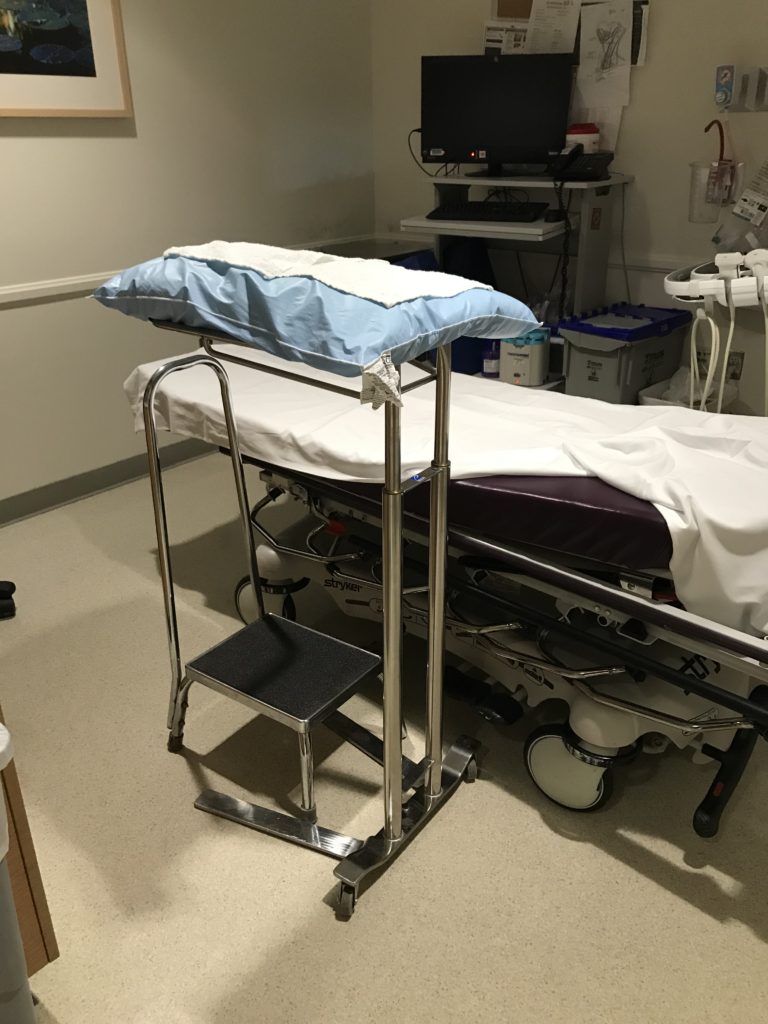
A Typical Thoracentesis set up with a stool and non-locking tray table with pillows.